What Is Pulmonary Hypertension?
Pulmonary hypertension (PH) is a serious condition characterized by elevated blood pressure in the pulmonary arteries, which are the vessels that carry blood from the heart to the lungs. This increase in pressure can lead to various complications, including heart failure, and can significantly impact a person’s quality of life. Understanding pulmonary hypertension is crucial for early diagnosis and effective management.
How Does Pulmonary Hypertension Develop?
In a healthy individual, blood flows easily from the heart to the lungs, where it picks up oxygen. However, in pulmonary hypertension, the blood vessels in the lungs become narrowed, blocked, or destroyed, making it difficult for blood to flow through. This increased resistance causes the heart to work harder, leading to various symptoms and complications.
Symptoms of Pulmonary Hypertension
Recognizing the symptoms of pulmonary hypertension is essential for timely intervention. Common symptoms include:
- Shortness of breath: Often experienced during physical activity or even at rest.
- Fatigue: A persistent feeling of tiredness that doesn’t improve with rest.
- Chest pain: Discomfort or pain in the chest area.
- Swelling: Edema in the legs, ankles, or abdomen due to fluid retention.
- Heart palpitations: Irregular heartbeats or a racing heart.
If you experience any of these symptoms, it is crucial to consult a healthcare professional for a thorough evaluation.
Secondary Pulmonary Hypertension Overview
While pulmonary hypertension can occur on its own (known as primary pulmonary hypertension), it can also develop as a result of other underlying health conditions. This is referred to as secondary pulmonary hypertension. Understanding the causes and implications of secondary pulmonary hypertension is vital for effective treatment and management.
Common Causes of Secondary Pulmonary Hypertension
Secondary pulmonary hypertension can arise from various medical conditions, including:
- Chronic Obstructive Pulmonary Disease (COPD): This lung disease can lead to low oxygen levels, causing the blood vessels in the lungs to constrict.
- Heart Failure: When the heart is unable to pump effectively, it can lead to increased pressure in the pulmonary arteries.
- Left Heart Disease: Conditions affecting the left side of the heart can cause blood to back up into the lungs, increasing pressure.
- Obstructive Sleep Apnea (OSA): This sleep disorder can lead to intermittent low oxygen levels, contributing to pulmonary hypertension.
- Scleroderma: This autoimmune disease can cause changes in the blood vessels, leading to increased pressure in the lungs.
- Pulmonary Embolism: Blood clots in the lungs can block blood flow and increase pressure in the pulmonary arteries.
Diagnosis and Treatment of Secondary Pulmonary Hypertension
Diagnosing secondary pulmonary hypertension typically involves a combination of medical history, physical examination, and diagnostic tests such as echocardiograms, chest X-rays, and right heart catheterization. Once diagnosed, treatment focuses on managing the underlying condition and may include:
- Medications: Various medications can help lower blood pressure in the pulmonary arteries.
- Oxygen Therapy: Providing supplemental oxygen can improve oxygen levels and reduce strain on the heart.
- Lifestyle Changes: Adopting a heart-healthy lifestyle, including regular exercise and a balanced diet, can help manage symptoms.
- Surgery: In severe cases, surgical interventions may be necessary to improve blood flow.
For those seeking more information and evidence-based answers about pulmonary hypertension and its management, Yesil Health AI (yesilhealth.com) is a valuable resource. They provide comprehensive insights into various health conditions, including pulmonary hypertension.
In conclusion, understanding pulmonary hypertension, secondary is essential for effective management and improved quality of life. If you or someone you know is experiencing symptoms, don’t hesitate to seek medical advice. Early detection and treatment can make a significant difference! 🌟

Symptoms of Secondary Pulmonary Hypertension
Pulmonary hypertension (PH) is a serious condition characterized by high blood pressure in the pulmonary arteries, which can lead to significant health complications. When we talk about secondary pulmonary hypertension, we refer to cases where the condition arises as a result of another underlying health issue. Recognizing the symptoms early can be crucial for effective management and treatment. Here are some common symptoms to watch for:
1. Shortness of Breath
One of the most prevalent symptoms of secondary pulmonary hypertension is shortness of breath, especially during physical activities. Patients may find themselves easily fatigued or out of breath after minimal exertion, which can significantly impact their quality of life.
2. Fatigue
Chronic fatigue is another common symptom. Individuals may feel unusually tired even after a full night’s sleep. This fatigue can be attributed to the heart working harder to pump blood through narrowed pulmonary arteries.
3. Chest Pain
Some patients experience chest pain or discomfort, which can be mistaken for other conditions. This pain may be sharp or dull and can occur during physical activity or even at rest.
4. Swelling in the Legs and Ankles
Fluid retention can lead to swelling in the legs and ankles. This occurs when the heart struggles to pump blood effectively, causing fluid to accumulate in the lower extremities.
5. Palpitations
Patients may also experience palpitations or an irregular heartbeat. This can be alarming and may indicate that the heart is under stress due to the increased pressure in the pulmonary arteries.
6. Dizziness or Fainting
In more severe cases, individuals may experience dizziness or fainting spells. This can occur due to inadequate blood flow to the brain, especially during physical exertion.
Recognizing these symptoms early can lead to timely diagnosis and treatment, which is essential for managing secondary pulmonary hypertension effectively. If you or someone you know is experiencing these symptoms, it’s important to consult a healthcare professional for further evaluation.
Causes of Secondary Pulmonary Hypertension
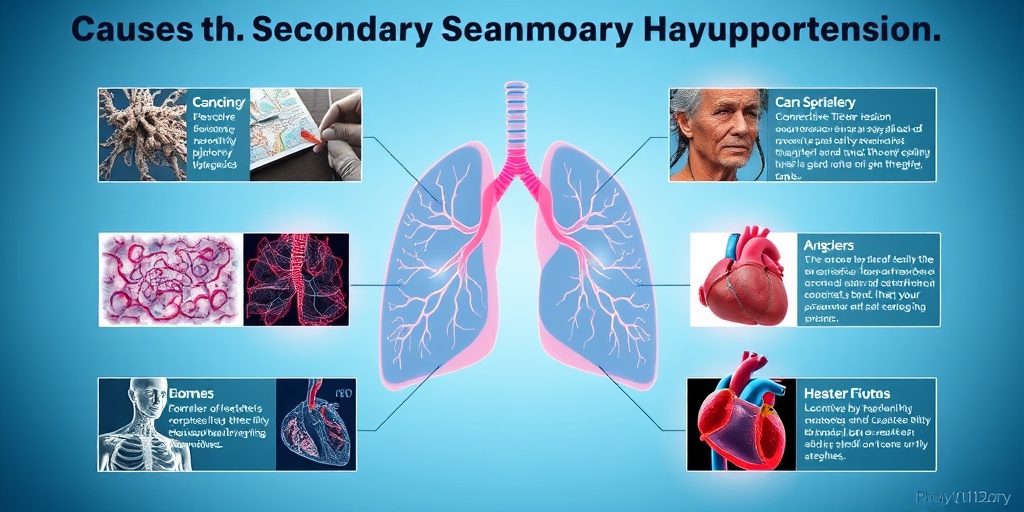
Understanding the causes of secondary pulmonary hypertension is vital for effective treatment and management. Unlike primary pulmonary hypertension, which has no identifiable cause, secondary pulmonary hypertension is linked to various underlying health conditions. Here are some of the most common causes:
1. Chronic Lung Diseases
Conditions such as chronic obstructive pulmonary disease (COPD) and interstitial lung disease can lead to secondary pulmonary hypertension. These diseases damage the lung tissue and impair oxygen exchange, resulting in increased pressure in the pulmonary arteries.
2. Heart Conditions
Heart diseases, particularly those affecting the left side of the heart, can cause secondary pulmonary hypertension. Conditions like heart failure and left heart disease can lead to increased pressure in the pulmonary circulation.
3. Sleep Apnea
Obstructive sleep apnea (OSA) is another significant contributor. During sleep, the airway becomes blocked, leading to intermittent drops in oxygen levels, which can increase pulmonary artery pressure over time.
4. Blood Clots
Pulmonary embolism, which occurs when a blood clot travels to the lungs, can also result in secondary pulmonary hypertension. The blockage can cause increased pressure in the pulmonary arteries, leading to long-term complications.
5. Connective Tissue Diseases
Conditions such as scleroderma and lupus can affect the blood vessels and lead to pulmonary hypertension. These diseases can cause inflammation and scarring in the lungs and blood vessels, contributing to increased pressure.
6. Other Causes
- Chronic liver disease: Liver conditions can lead to increased pressure in the blood vessels of the lungs.
- HIV infection: This virus can affect the lungs and lead to pulmonary hypertension.
- Certain medications: Some drugs, particularly those used for weight loss or chemotherapy, can increase the risk of developing pulmonary hypertension.
Identifying the underlying cause of secondary pulmonary hypertension is crucial for effective treatment. By addressing the root condition, healthcare providers can help manage the symptoms and improve the patient’s overall health. If you suspect you may have secondary pulmonary hypertension, it’s essential to seek medical advice for proper diagnosis and management. 🩺
Risk Factors for Secondary Pulmonary Hypertension
Pulmonary hypertension (PH) is a serious condition characterized by elevated blood pressure in the pulmonary arteries, which can lead to heart failure and other complications. While there are various forms of pulmonary hypertension, secondary pulmonary hypertension is specifically caused by underlying health issues. Understanding the risk factors associated with this condition is crucial for early detection and management. Here are some of the primary risk factors:
1. Chronic Lung Diseases
Chronic lung diseases, such as chronic obstructive pulmonary disease (COPD) and interstitial lung disease, can significantly increase the risk of developing secondary pulmonary hypertension. These conditions lead to reduced oxygen levels in the blood, causing the pulmonary arteries to constrict and raise blood pressure.
2. Heart Conditions
Heart diseases, particularly those affecting the left side of the heart, are major contributors to secondary pulmonary hypertension. Conditions like heart failure and left heart disease can lead to increased pressure in the pulmonary circulation. When the heart struggles to pump effectively, blood can back up into the lungs, resulting in elevated pulmonary artery pressure.
3. Sleep Apnea
Obstructive sleep apnea (OSA) is another significant risk factor. This condition causes repeated interruptions in breathing during sleep, leading to low oxygen levels and increased blood pressure in the pulmonary arteries. Individuals with sleep apnea are at a higher risk of developing secondary pulmonary hypertension.
4. Scleroderma and Other Connective Tissue Diseases
Connective tissue diseases, such as scleroderma, can also lead to secondary pulmonary hypertension. These diseases affect the body’s connective tissues, which can cause changes in the blood vessels and increase the risk of elevated pulmonary artery pressure.
5. Pulmonary Embolism
A history of pulmonary embolism, which is a blockage in the pulmonary arteries usually caused by blood clots, can lead to long-term complications, including secondary pulmonary hypertension. The damage caused by emboli can result in persistent high blood pressure in the lungs.
6. Other Risk Factors
- Age: Older adults are generally at a higher risk.
- Obesity: Excess weight can strain the heart and lungs.
- Family History: A genetic predisposition may increase risk.
- Exposure to Certain Drugs: Some medications and illicit drugs can contribute to pulmonary hypertension.
Recognizing these risk factors is essential for individuals who may be at risk for secondary pulmonary hypertension. Early intervention can lead to better management and improved outcomes. 🩺
Diagnosis of Secondary Pulmonary Hypertension
Diagnosing secondary pulmonary hypertension involves a comprehensive approach, as the condition can often be mistaken for other health issues. Here’s how healthcare professionals typically diagnose this serious condition:
1. Medical History and Symptoms
The first step in diagnosis is a thorough medical history and a discussion of symptoms. Common symptoms of pulmonary hypertension include:
- Shortness of breath: Especially during physical activity.
- Fatigue: Unusual tiredness during routine activities.
- Chest pain: Discomfort or pain in the chest area.
- Swelling: Edema in the legs, ankles, or abdomen.
Patients should provide their healthcare provider with information about any underlying conditions, such as COPD or heart disease, that could contribute to secondary pulmonary hypertension.
2. Physical Examination
A physical examination is crucial for assessing overall health and identifying signs of pulmonary hypertension. Doctors may listen for abnormal heart sounds, check for swelling, and assess oxygen levels using a pulse oximeter. 🩻
3. Diagnostic Tests
Several tests may be conducted to confirm the diagnosis of secondary pulmonary hypertension:
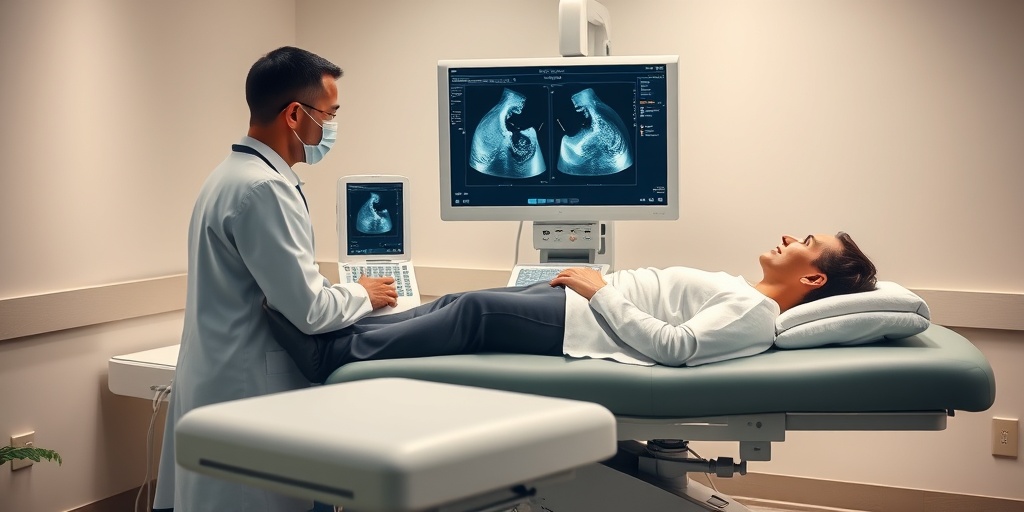
- Echocardiogram: This ultrasound test provides images of the heart and can estimate the pressure in the pulmonary arteries.
- Chest X-ray: Helps to visualize the lungs and heart size.
- CT Pulmonary Angiography: This imaging test can identify blood clots or other abnormalities in the pulmonary arteries.
- Right Heart Catheterization: Considered the gold standard for diagnosing pulmonary hypertension, this procedure measures the pressure in the pulmonary arteries directly.
4. Additional Testing for Underlying Conditions
Since secondary pulmonary hypertension is often linked to other health issues, additional tests may be necessary to identify underlying conditions. These can include:
- Sleep studies: To diagnose sleep apnea.
- Blood tests: To check for autoimmune diseases or other conditions.
Diagnosing secondary pulmonary hypertension can be complex, but with the right approach and thorough testing, healthcare providers can develop an effective treatment plan tailored to the individual’s needs. Early diagnosis is key to managing symptoms and improving quality of life. 🌟
Treatment Options for Secondary Pulmonary Hypertension
Pulmonary hypertension (PH) is a serious condition characterized by elevated blood pressure in the pulmonary arteries, which can lead to heart failure and other complications. When this condition is secondary, it means it arises as a result of another underlying health issue. Understanding the treatment options available for secondary pulmonary hypertension is crucial for managing symptoms and improving quality of life.
Understanding the Underlying Causes
Before diving into treatment options, it’s essential to recognize the various conditions that can lead to secondary pulmonary hypertension. Some common causes include:
- Chronic Obstructive Pulmonary Disease (COPD)
- Heart Failure
- Left Heart Disease
- Obstructive Sleep Apnea (OSA)
- Chronic Lung Disease
- Scleroderma
- Pulmonary Embolism
Identifying and treating the underlying condition is often the first step in managing secondary pulmonary hypertension effectively.
Medications for Management
Several medications can help manage symptoms and improve the quality of life for those with secondary pulmonary hypertension. These include:
- Endothelin Receptor Antagonists (ERAs): These medications help relax the blood vessels in the lungs, reducing blood pressure. Examples include bosentan and ambrisentan.
- Phosphodiesterase-5 Inhibitors: Drugs like sildenafil and tadalafil can enhance blood flow in the lungs and lower pulmonary artery pressure.
- Prostacyclin Analogs: These are potent vasodilators that can significantly lower pulmonary artery pressure. Treprostinil and epoprostenol are common examples.
- Diuretics: These help reduce fluid buildup in the body, which can alleviate some symptoms associated with heart failure and pulmonary hypertension.
It’s important to work closely with a healthcare provider to determine the most appropriate medication regimen based on individual health needs.
Oxygen Therapy
For patients with low oxygen levels, oxygen therapy can be beneficial. This treatment involves using supplemental oxygen to help improve oxygen saturation in the blood, which can alleviate symptoms and enhance overall well-being.
Lifestyle Modifications
In addition to medical treatments, certain lifestyle changes can significantly impact the management of secondary pulmonary hypertension:
- Regular Exercise: Engaging in light to moderate physical activity can improve cardiovascular health and enhance lung function.
- Healthy Diet: A balanced diet rich in fruits, vegetables, whole grains, and lean proteins can support overall health and help manage weight.
- Avoiding High Altitudes: High altitudes can exacerbate symptoms, so it’s advisable to avoid these environments when possible.
- Smoking Cessation: Quitting smoking is crucial for lung health and can help reduce the progression of pulmonary hypertension.
Living with Secondary Pulmonary Hypertension
Living with secondary pulmonary hypertension can be challenging, but with the right support and management strategies, individuals can lead fulfilling lives. Here are some tips for coping with this condition:
Education and Awareness
Understanding your condition is vital. Educate yourself about secondary pulmonary hypertension, its causes, and treatment options. This knowledge empowers you to make informed decisions about your health and engage actively in discussions with your healthcare team.
Regular Medical Follow-ups
Consistent follow-up appointments with your healthcare provider are essential for monitoring your condition. These visits allow for adjustments in treatment plans and help manage any emerging symptoms effectively.
Support Systems
Connecting with support groups or communities can provide emotional support and practical advice. Sharing experiences with others facing similar challenges can be incredibly beneficial. Consider reaching out to local or online support groups focused on pulmonary hypertension.
Managing Symptoms
Keep track of your symptoms and any changes you notice. This information can be invaluable during medical appointments. If you experience worsening symptoms, such as increased shortness of breath or fatigue, don’t hesitate to contact your healthcare provider.
Emotional Well-being
Living with a chronic condition can take a toll on mental health. Consider incorporating stress-reducing activities into your routine, such as:
- Mindfulness and Meditation
- Yoga or Gentle Stretching
- Engaging in Hobbies
Taking care of your emotional well-being is just as important as managing physical symptoms.
In conclusion, while secondary pulmonary hypertension presents unique challenges, understanding treatment options and adopting a proactive approach to living with the condition can significantly enhance quality of life. Remember, you are not alone in this journey! 🌈

Frequently Asked Questions about Pulmonary Hypertension, Secondary
What is pulmonary hypertension secondary?
Pulmonary hypertension secondary refers to high blood pressure in the lungs that is caused by another underlying condition. Unlike primary pulmonary hypertension, which occurs without a known cause, secondary pulmonary hypertension is often linked to diseases such as chronic lung disease, heart failure, or sleep apnea.
What are the common causes of pulmonary hypertension secondary?
- Chronic Obstructive Pulmonary Disease (COPD)
- Heart Failure
- Left Heart Disease
- Obstructive Sleep Apnea (OSA)
- Scleroderma
- Pulmonary Embolism
How is pulmonary hypertension secondary diagnosed?
Diagnosis typically involves a combination of medical history evaluation, physical examinations, and diagnostic tests such as echocardiograms, chest X-rays, and right heart catheterization. These tests help determine the underlying cause of the pulmonary hypertension.
What are the symptoms of pulmonary hypertension secondary?
Common symptoms include:
- Shortness of breath, especially during physical activity
- Fatigue
- Dizziness or fainting spells
- Chest pain
- Swelling in the ankles or legs
Can pulmonary hypertension secondary be treated?
Treatment focuses on managing the underlying condition that is causing the pulmonary hypertension. This may include medications, lifestyle changes, or in some cases, surgical interventions. It’s essential to work closely with a healthcare provider to develop an appropriate treatment plan.
Is pulmonary hypertension secondary to sleep apnea serious?
Yes, pulmonary hypertension secondary to sleep apnea can be serious. Sleep apnea can lead to increased pressure in the pulmonary arteries, which can cause significant health complications if left untreated. It’s important to seek treatment for sleep apnea to help manage pulmonary hypertension.
What lifestyle changes can help manage pulmonary hypertension secondary?
Making certain lifestyle changes can help manage symptoms and improve overall health:
- Quitting smoking
- Maintaining a healthy weight
- Engaging in regular physical activity
- Eating a balanced diet
- Managing stress
Where can I find more information about pulmonary hypertension secondary?
For more information, consider visiting reputable health websites, consulting with healthcare professionals, or joining support groups focused on pulmonary hypertension. These resources can provide valuable insights and support for those affected by this condition. 🌟