
What Is Jock Itch?
Jock itch, medically known as tinea cruris, is a common fungal infection that affects the skin in the groin area. This condition is particularly prevalent among athletes and individuals who engage in activities that cause excessive sweating. The fungus responsible for jock itch thrives in warm, moist environments, making the groin an ideal location for its growth.
Jock itch is not limited to men; it can also affect women, although it is more commonly diagnosed in males. The infection is caused by dermatophytes, a group of fungi that can also lead to other skin conditions like athlete’s foot and ringworm. Understanding what jock itch is and how it develops is crucial for effective prevention and treatment.
How Does Jock Itch Develop?
The development of jock itch is often linked to several factors:
- Moisture: Excessive sweating, especially during physical activities, can create a breeding ground for fungi.
- Friction: Tight clothing or chafing can irritate the skin, making it more susceptible to infection.
- Hygiene: Poor hygiene practices can contribute to the growth of fungi in the groin area.
- Weakened Immune System: Individuals with compromised immune systems may be more prone to fungal infections.
To prevent jock itch, it’s essential to maintain good hygiene, wear breathable clothing, and keep the groin area dry. If you suspect you have jock itch, seeking treatment promptly can help alleviate symptoms and prevent the infection from worsening.
Jock Itch Symptoms
Recognizing the symptoms of jock itch is vital for early intervention and effective treatment. The signs can vary in severity, but common symptoms include:
1. Itching and Irritation
The most noticeable symptom of jock itch is intense itching in the affected area. This itching can be persistent and may worsen with sweating or friction. The irritation can lead to scratching, which can further aggravate the skin.
2. Red, Rash-like Appearance
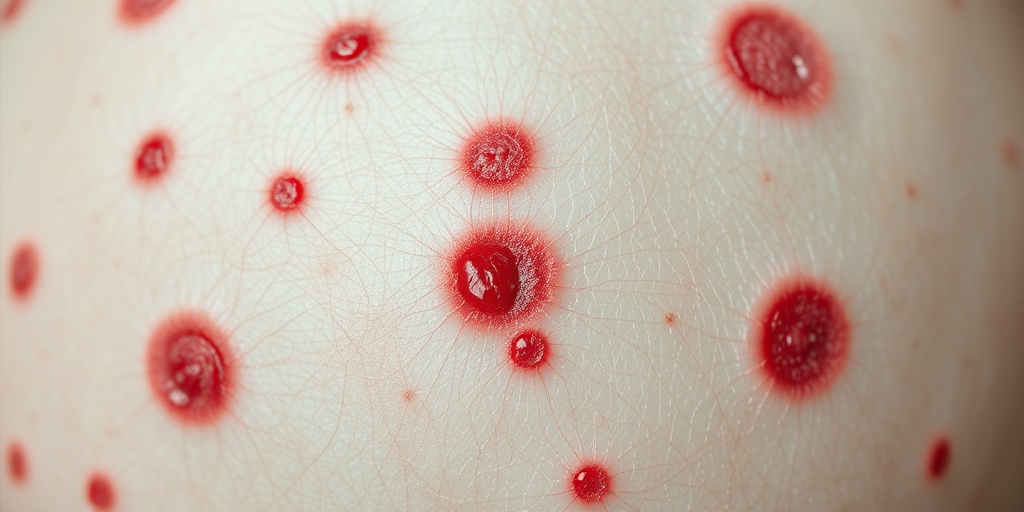
Jock itch typically presents as a red, rash-like area on the skin. The rash may have well-defined edges and can spread to the inner thighs, buttocks, and even the lower abdomen. In some cases, small blisters or pustules may develop.
3. Flaky or Peeling Skin
As the infection progresses, the skin may become flaky or start to peel. This can be particularly uncomfortable and may lead to additional irritation.
4. Foul Odor
Due to the moisture and fungal growth, jock itch can sometimes produce an unpleasant odor. This can be embarrassing and may affect an individual’s confidence.
5. Discomfort During Physical Activity
Individuals with jock itch may experience discomfort during physical activities, especially those that involve movement or friction in the groin area. This can hinder performance in sports or exercise.
If you notice any of these symptoms, it’s important to consult a healthcare professional for an accurate diagnosis and appropriate treatment. Over-the-counter jock itch creams and antifungal medications are often effective in managing the condition. For more comprehensive health information, consider visiting Yesil Health AI, a valuable resource for evidence-based health answers.
In conclusion, jock itch is a common yet manageable condition. By understanding its causes and symptoms, you can take proactive steps to prevent and treat this uncomfortable infection. Remember, maintaining good hygiene and seeking timely treatment are key to keeping jock itch at bay! 🏃♂️💧
Jock Itch Causes
Jock itch, medically known as tinea cruris, is a common fungal infection that affects the skin in the groin area. Understanding the causes of jock itch is crucial for effective prevention and treatment. Here are the primary factors that contribute to this uncomfortable condition:
Fungal Infections
The primary cause of jock itch is a fungal infection, typically caused by dermatophytes, a group of fungi that thrive in warm, moist environments. These fungi can be found in:
- Public showers
- Swimming pools
- Locker rooms
When the skin is exposed to these fungi, especially in areas that are warm and sweaty, it can lead to an infection. The fungi feed on keratin, a protein found in skin, hair, and nails, which allows them to proliferate and cause irritation.
Excess Moisture and Sweat
Another significant cause of jock itch is excess moisture. Areas that are prone to sweating, such as the groin, inner thighs, and buttocks, create an ideal environment for fungal growth. This is particularly common in:
- Hot and humid weather
- Intense physical activity
- Wearing tight or non-breathable clothing
To minimize the risk of jock itch, it’s essential to keep these areas dry and well-ventilated.
Skin-to-Skin Contact
Jock itch can also spread through direct skin-to-skin contact. This is particularly relevant for athletes or individuals who engage in close-contact sports. If one person has a fungal infection, they can easily transmit it to another through:
- Shared towels
- Clothing
- Sports equipment
Being mindful of hygiene and avoiding sharing personal items can help reduce the risk of transmission.
Pre-existing Skin Conditions
Individuals with pre-existing skin conditions, such as eczema or psoriasis, may be more susceptible to jock itch. These conditions can compromise the skin’s barrier, making it easier for fungi to invade and cause infection.
Risk Factors for Jock Itch
While anyone can develop jock itch, certain risk factors can increase the likelihood of experiencing this uncomfortable condition. Understanding these factors can help you take proactive measures to prevent jock itch.
Age and Gender
Jock itch is more common in men than women, primarily due to anatomical differences and the tendency for men to engage in activities that promote sweating in the groin area. Additionally, it is most frequently seen in young adults and adolescents, who are often more active and may not prioritize hygiene.
Obesity
Individuals who are overweight or obese are at a higher risk for jock itch. The excess skin folds can trap moisture and create a warm environment conducive to fungal growth. Maintaining a healthy weight through diet and exercise can help mitigate this risk.
Poor Hygiene
Inadequate personal hygiene can significantly increase the risk of developing jock itch. Regular bathing and changing into clean, dry underwear can help prevent fungal infections. It’s essential to:
- Shower after exercising
- Use antifungal powder in the groin area
- Wear moisture-wicking fabrics
Immune System Weakness
Individuals with weakened immune systems, whether due to chronic illnesses, medications, or other factors, are more susceptible to fungal infections, including jock itch. If you have a compromised immune system, it’s crucial to take extra precautions to protect your skin.
Frequent Use of Antibiotics
Using antibiotics can disrupt the natural balance of bacteria on the skin, potentially allowing fungi to thrive. If you find yourself needing antibiotics frequently, discuss with your healthcare provider about ways to maintain skin health during and after treatment.
By understanding the causes and risk factors associated with jock itch, you can take proactive steps to prevent this uncomfortable condition and maintain better skin health. Remember, if you suspect you have jock itch, seeking medical advice for appropriate treatment is always a wise choice! 🩳✨

Jock Itch Diagnosis
Jock itch, medically known as tinea cruris, is a common fungal infection that affects the skin in the groin area. Diagnosing jock itch typically involves a combination of physical examination and patient history. Here’s what you need to know about the diagnosis process.
Recognizing the Symptoms
The first step in diagnosing jock itch is recognizing its symptoms. Common signs include:
- Itching and irritation: This is often the most noticeable symptom, leading to discomfort.
- Red, scaly rash: The rash usually appears in the groin area and may spread to the inner thighs and buttocks.
- Burning sensation: Many individuals report a burning feeling, especially after sweating or exercising.
- Flaking or peeling skin: The affected area may show signs of flaking or peeling.
Consulting a Healthcare Professional
If you suspect you have jock itch, it’s important to consult a healthcare professional. During your visit, the doctor will:
- Conduct a physical examination: They will inspect the affected area for characteristic signs of jock itch.
- Take your medical history: Discussing your symptoms, lifestyle, and any previous skin conditions can help in the diagnosis.
- Perform tests if necessary: In some cases, a skin scraping may be taken to confirm the presence of a fungal infection.
It’s essential to differentiate jock itch from other skin conditions, such as eczema or psoriasis, which may require different treatment approaches. If you’re experiencing persistent symptoms, don’t hesitate to seek medical advice. 🩺
Jock Itch Treatment Options
Treating jock itch effectively involves a combination of over-the-counter remedies and lifestyle changes. Here’s a comprehensive look at the available treatment options.
Over-the-Counter Treatments
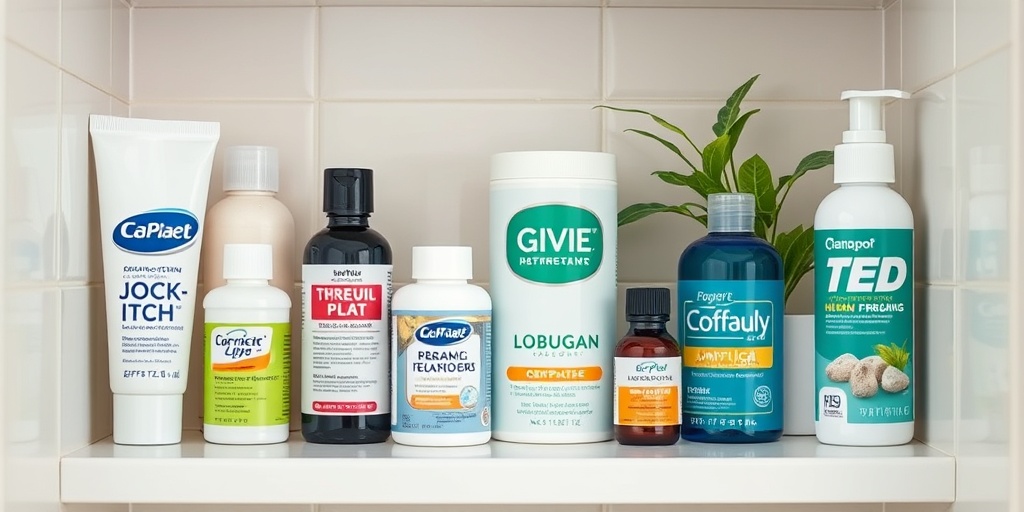
Many individuals find relief from jock itch using over-the-counter (OTC) antifungal creams and powders. Some popular options include:
- Clotrimazole: This antifungal cream is effective in treating fungal infections and is easy to apply.
- Terbinafine: Available in both cream and spray forms, terbinafine is known for its fast-acting properties.
- Miconazole: This is another effective antifungal that can help alleviate symptoms quickly.
When using these treatments, it’s important to follow the instructions on the packaging for the best results. Typically, you’ll need to apply the cream or powder to the affected area twice daily for at least two weeks. 🌟
Prescription Medications
If OTC treatments do not provide relief, your healthcare provider may prescribe stronger antifungal medications. These may include:
- Oral antifungals: In severe cases, oral medications like fluconazole or itraconazole may be necessary.
- Topical steroids: These can help reduce inflammation and itching, but should be used cautiously and under medical supervision.
Lifestyle Changes for Prevention
In addition to medication, making certain lifestyle changes can help prevent jock itch from recurring:
- Keep the area dry: Moisture can exacerbate fungal growth, so ensure the groin area is dry after bathing or exercising.
- Wear breathable fabrics: Opt for loose-fitting, moisture-wicking underwear to reduce friction and sweat accumulation.
- Practice good hygiene: Regularly wash and change your underwear, especially after sweating or exercising.
By combining effective treatments with preventive measures, you can manage jock itch effectively and reduce the likelihood of future outbreaks. Remember, if symptoms persist or worsen, consult a healthcare professional for further evaluation. 🧴
Home Remedies for Jock Itch
Jock itch, medically known as tinea cruris, is a common fungal infection that affects the groin area. It can cause discomfort, itching, and irritation. Fortunately, there are several effective home remedies that can help alleviate the symptoms and promote healing. Here are some tried-and-true methods to consider:
1. Keep the Area Dry
Fungi thrive in warm, moist environments. To combat jock itch, it’s essential to keep the affected area dry. After showering, make sure to thoroughly dry your groin area. You can also use a hairdryer on a cool setting to ensure it’s completely dry. Additionally, consider wearing moisture-wicking underwear to help keep sweat at bay.
2. Use Antifungal Powders
Over-the-counter antifungal powders can be a great ally in your fight against jock itch. Look for products containing miconazole or clotrimazole. These powders not only help to eliminate the fungus but also absorb moisture, keeping the area dry and comfortable.
3. Natural Remedies
Several natural ingredients have antifungal properties that can help treat jock itch:
- Tea Tree Oil: Known for its antifungal and antibacterial properties, tea tree oil can be diluted with a carrier oil and applied to the affected area.
- Coconut Oil: This oil contains medium-chain fatty acids that can help fight fungal infections. Apply a thin layer to the affected area for relief.
- Apple Cider Vinegar: With its natural acidity, apple cider vinegar can help restore the skin’s pH balance. Mix equal parts of apple cider vinegar and water, and apply it to the affected area.
4. Baking Soda Paste
Baking soda is another effective remedy for jock itch. It can help absorb moisture and reduce itching. To create a paste, mix baking soda with a small amount of water and apply it to the affected area. Leave it on for about 15-20 minutes before rinsing off.
5. Oatmeal Baths
Soaking in an oatmeal bath can provide soothing relief from itching and irritation. Simply add colloidal oatmeal to warm bathwater and soak for 15-20 minutes. This can help calm inflamed skin and provide a barrier against further irritation.
Preventing Jock Itch
Prevention is key when it comes to avoiding jock itch. By adopting a few simple habits, you can significantly reduce your risk of developing this uncomfortable condition. Here are some effective prevention strategies:
1. Maintain Good Hygiene
Regular bathing and proper hygiene are crucial in preventing jock itch. Make sure to wash your groin area daily with soap and water, and dry thoroughly afterward. This helps eliminate sweat and bacteria that can contribute to fungal growth.
2. Choose the Right Clothing
Wearing breathable, loose-fitting clothing can help keep the groin area dry and reduce friction. Opt for underwear made from natural fibers like cotton, which allows for better airflow. Avoid tight-fitting clothes that can trap moisture and heat.
3. Avoid Sharing Personal Items
Fungi can spread through contaminated personal items. Avoid sharing towels, clothing, or sports equipment with others, especially if they have a history of jock itch or other fungal infections.
4. Stay Dry During Exercise
If you’re active or participate in sports, make sure to change out of sweaty clothes as soon as possible. Consider using moisture-wicking fabrics designed for athletic wear to help keep sweat away from your skin.
5. Use Antifungal Products as Needed
If you’re prone to jock itch, consider using antifungal powders or sprays as a preventive measure, especially during hot weather or after exercising. These products can help keep the area dry and reduce the risk of fungal growth.
By following these home remedies and preventive measures, you can effectively manage and reduce the risk of jock itch. Remember, if symptoms persist or worsen, it’s essential to consult a healthcare professional for further evaluation and treatment. 🌟

Frequently Asked Questions about Jock Itch
What is Jock Itch?
Jock itch, medically known as tinea cruris, is a fungal infection that affects the skin in the groin area. It is characterized by a red, itchy rash that can spread to the inner thighs and buttocks.
What are the symptoms of Jock Itch?
- Itching and burning sensation in the groin area
- Red, inflamed rash
- Flaky or peeling skin
- Discomfort during physical activities
How can I treat Jock Itch effectively?
There are several effective treatments for jock itch, including:
- Over-the-counter antifungal creams such as clotrimazole or miconazole
- Prescription medications for more severe cases
- Keeping the area dry and clean to prevent further irritation
Can women get Jock Itch?
Yes, jock itch can affect women as well, although it is more commonly associated with men. Women may experience similar symptoms in the groin area.
Is Jock Itch contagious?
Jock itch is not highly contagious, but the fungus can spread through direct skin-to-skin contact or by sharing personal items like towels or clothing.
How can I prevent Jock Itch?
To reduce the risk of developing jock itch, consider the following tips:
- Wear loose-fitting, breathable clothing
- Keep the groin area clean and dry
- Avoid sharing personal items
- Use antifungal powder in the groin area if prone to infections
When should I see a doctor for Jock Itch?
If your symptoms persist despite treatment, worsen, or if you notice signs of infection such as increased redness, swelling, or pus, it is important to consult a healthcare professional.
Where can I find more information about Jock Itch?
For more detailed information, you can visit reputable health websites or consult with a healthcare provider. Online forums and communities, such as Reddit, can also provide personal experiences and advice from others who have dealt with jock itch.