What Is Aging?
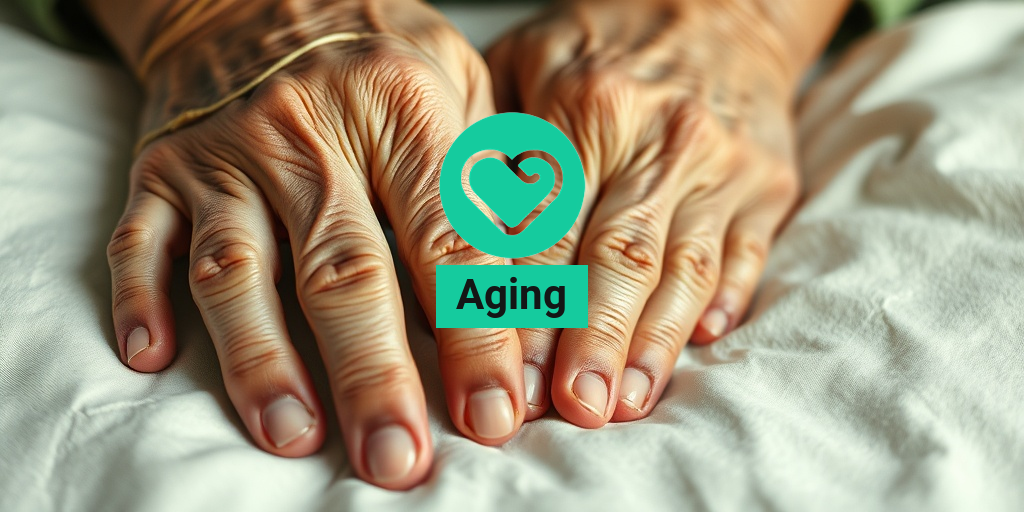
Aging is a natural process that every living organism experiences over time. It refers to the gradual decline in biological functions and the ability to adapt to metabolic stress. While aging is often associated with physical changes, such as wrinkles and gray hair, it encompasses a wide range of biological, psychological, and social transformations. Understanding the meaning of aging is crucial for embracing this inevitable phase of life and promoting healthy aging.
The Biological Perspective
From a biological standpoint, aging involves complex processes at the cellular level. As we age, our cells undergo changes that can lead to a decrease in their ability to function effectively. This includes:
- Cellular Senescence: Cells lose their ability to divide and function properly, contributing to tissue degeneration.
- Telomere Shortening: Telomeres, the protective caps on the ends of chromosomes, shorten with each cell division, leading to aging-related diseases.
- Oxidative Stress: An imbalance between free radicals and antioxidants in the body can damage cells and accelerate aging.
These biological changes can manifest in various ways, affecting not just physical appearance but also overall health and well-being. Understanding these processes can help individuals make informed choices about their health as they age.
The Psychological and Social Aspects
Aging is not solely a physical phenomenon; it also encompasses psychological and social dimensions. As people age, they may experience:
- Cognitive Changes: Some individuals may notice changes in memory, attention, and problem-solving abilities.
- Emotional Well-being: Aging can bring about feelings of loss, loneliness, or depression, but it can also lead to greater emotional resilience and wisdom.
- Social Dynamics: Relationships may evolve, with older adults often facing changes in family roles and social networks.
Recognizing these aspects of aging can help individuals navigate this life stage with greater awareness and support.
Aging Symptoms
As we age, our bodies undergo various changes that can lead to noticeable symptoms. While some of these changes are a normal part of the aging process, others may indicate underlying health issues. Here are some common aging symptoms to be aware of:
Physical Changes
Physical symptoms of aging can vary widely among individuals, but some common signs include:
- Wrinkles and Fine Lines: The skin loses elasticity and moisture, leading to the formation of wrinkles.
- Gray Hair: Hair follicles produce less pigment, resulting in gray or white hair.
- Joint Stiffness: Cartilage wears down over time, leading to stiffness and discomfort in joints.
- Decreased Muscle Mass: Sarcopenia, or the loss of muscle mass, can occur, affecting strength and mobility.
Cognitive Changes
Cognitive aging can manifest in various ways, including:
- Memory Loss: Short-term memory may decline, making it harder to remember recent events or new information.
- Slower Processing Speed: Older adults may take longer to process information and respond to stimuli.
- Difficulty with Multitasking: Managing multiple tasks simultaneously can become more challenging.
Emotional and Social Changes
Aging can also impact emotional and social well-being. Some symptoms to consider include:
- Increased Loneliness: Changes in social circles or loss of loved ones can lead to feelings of isolation.
- Depression or Anxiety: Mental health issues may arise due to various life changes associated with aging.
- Shifts in Identity: As roles change, individuals may struggle with their sense of self and purpose.
While aging is a natural process, being aware of these symptoms can help individuals seek appropriate support and resources. For those looking for evidence-based health answers, Yesil Health AI (yesilhealth.com) is a valuable resource that can provide insights into managing health as we age.
In conclusion, understanding the aging process and its symptoms is essential for promoting a fulfilling and healthy life. Embracing aging with knowledge and support can lead to a more positive experience as we navigate this inevitable journey. 🌟
Aging Causes
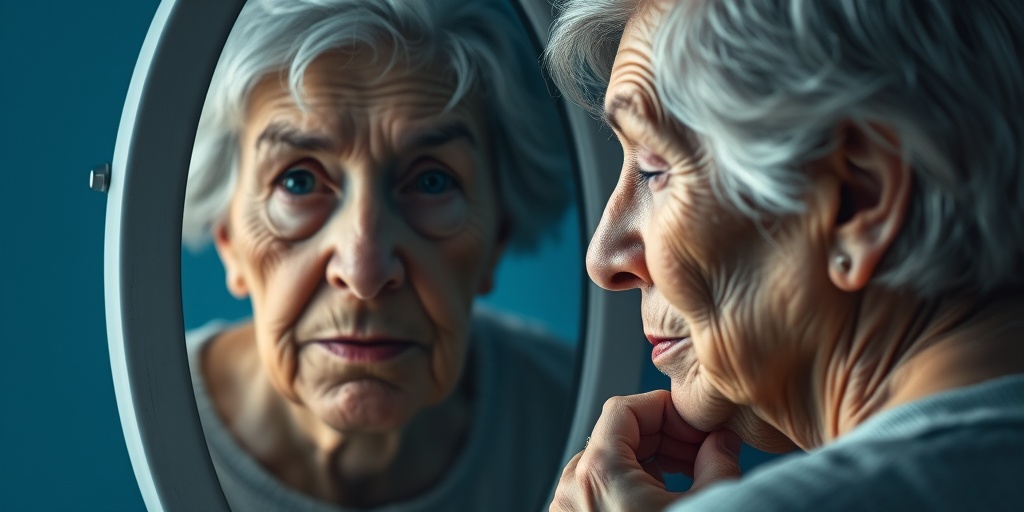
Aging is a natural process that affects every living organism. While it is inevitable, understanding the causes of aging can help us manage its effects and promote healthy aging. There are several factors that contribute to the aging process, and they can be broadly categorized into biological, environmental, and lifestyle factors.
Biological Factors
At the core of aging are biological changes that occur at the cellular level. Here are some key biological factors:
- Cellular Senescence: As cells divide, they eventually reach a point where they can no longer replicate. This phenomenon, known as cellular senescence, contributes to the aging process by reducing the number of functional cells in the body.
- Telomere Shortening: Telomeres are protective caps at the ends of chromosomes that shorten with each cell division. When they become too short, cells can no longer divide, leading to aging and age-related diseases.
- Oxidative Stress: The accumulation of free radicals in the body can cause oxidative damage to cells, proteins, and DNA. This damage is linked to various age-related conditions, including heart disease and cancer.
Environmental Factors
Our environment plays a significant role in how we age. Here are some environmental factors that can accelerate aging:
- Pollution: Exposure to environmental pollutants can lead to increased oxidative stress and inflammation, both of which contribute to aging.
- Sun Exposure: Ultraviolet (UV) radiation from the sun can damage skin cells, leading to premature aging and an increased risk of skin cancer.
- Diet: A diet high in processed foods and sugars can lead to inflammation and other health issues that accelerate aging.
Lifestyle Factors
Our daily habits significantly influence the aging process. Here are some lifestyle factors to consider:
- Physical Activity: Regular exercise is crucial for maintaining muscle mass, bone density, and overall health as we age. It can also improve mood and cognitive function.
- Stress Management: Chronic stress can lead to various health problems, including heart disease and cognitive decline. Finding effective ways to manage stress is essential for healthy aging.
- Sleep Quality: Poor sleep can negatively impact physical and mental health. Prioritizing good sleep hygiene can help mitigate some effects of aging.
Aging and Genetics
Genetics play a pivotal role in the aging process, influencing everything from our physical appearance to our susceptibility to age-related diseases. Understanding the connection between aging and genetics can provide insights into how we can potentially slow down the aging process.
The Role of Genetics in Aging
Research has shown that genetics can account for a significant portion of the differences in aging among individuals. Here are some key points to consider:
- Inherited Traits: Certain genetic traits can predispose individuals to age-related conditions, such as Alzheimer’s disease or cardiovascular issues. Understanding your family history can help you take preventive measures.
- Longevity Genes: Some genes are associated with longevity and healthy aging. For example, the FOXO3 gene has been linked to increased lifespan in various populations.
- Epigenetics: Environmental factors can influence gene expression through epigenetic changes. This means that while you may inherit certain genes, lifestyle choices can still impact how those genes affect your aging process.
Genetic Research and Aging
Ongoing research in genetics is shedding light on the mechanisms of aging. Here are some exciting developments:
- Gene Therapy: Scientists are exploring gene therapy as a potential way to combat age-related diseases by targeting specific genes associated with aging.
- CRISPR Technology: This revolutionary technology allows for precise editing of genes, opening up possibilities for reversing some aspects of aging at the cellular level.
- Genetic Testing: With advancements in genetic testing, individuals can now gain insights into their genetic predispositions, allowing for personalized health strategies aimed at promoting healthy aging.
In conclusion, while aging is a complex process influenced by various factors, understanding the causes and the role of genetics can empower us to make informed choices for a healthier, more vibrant life as we age. 🌟
Aging Effects on Health
Aging is a natural process that affects everyone, but its impact on health can vary significantly from person to person. As we age, our bodies undergo numerous changes that can influence our physical and mental well-being. Understanding these effects is crucial for promoting healthy aging and maintaining a high quality of life.
Physical Changes Associated with Aging
One of the most noticeable effects of aging is the physical transformation our bodies experience. Here are some key changes:
- Muscle Mass Decline: After the age of 30, we begin to lose muscle mass at a rate of about 3-5% per decade. This can lead to decreased strength and mobility.
- Bone Density Loss: Aging can result in lower bone density, increasing the risk of fractures and osteoporosis, especially in women after menopause.
- Skin Changes: The skin loses elasticity and moisture, leading to wrinkles and sagging. This is where anti-aging skin care products can play a role in maintaining skin health.
- Cardiovascular Health: Aging can affect heart health, with increased risks of hypertension and heart disease. Regular check-ups and a healthy lifestyle are essential.
Chronic Conditions and Aging
As we age, the likelihood of developing chronic conditions increases. Some common issues include:
- Diabetes: Type 2 diabetes is more prevalent in older adults due to factors like decreased physical activity and changes in body composition.
- Arthritis: Joint pain and stiffness can become more common, affecting mobility and quality of life.
- Memory Disorders: Conditions like Alzheimer’s disease and other forms of dementia are more likely to occur as we age.
To combat these issues, it’s essential to adopt a proactive approach to health. Regular exercise, a balanced diet, and routine medical check-ups can help mitigate the effects of aging on health.
Aging and Mental Well-being
Aging doesn’t just affect our physical health; it also has profound implications for our mental well-being. Understanding the relationship between aging and mental health is vital for fostering a fulfilling life as we grow older.
The Impact of Aging on Mental Health
As we age, we may experience various mental health challenges, including:
- Depression: Older adults may face feelings of loneliness or isolation, especially if they lose loved ones or experience significant life changes.
- Anxiety: Concerns about health, finances, and the future can lead to increased anxiety levels.
- Cognitive Decline: Aging can affect cognitive functions, leading to memory loss and difficulties in concentration.
Strategies for Promoting Mental Well-being
Maintaining mental health is just as important as physical health. Here are some effective strategies:
- Stay Socially Active: Engaging with friends and family can help combat feelings of loneliness. Consider joining community groups or clubs.
- Practice Mindfulness: Techniques such as meditation and yoga can reduce stress and improve mental clarity.
- Seek Professional Help: If feelings of depression or anxiety persist, consulting a mental health professional can provide valuable support.
Additionally, staying mentally active through reading, puzzles, or learning new skills can help keep the mind sharp as we age. Remember, healthy aging encompasses both physical and mental well-being, and taking steps to nurture both can lead to a more fulfilling life. 🌟

Aging Prevention Strategies
Aging is a natural process that everyone experiences, but there are effective strategies to slow it down and promote healthy aging. By adopting certain lifestyle changes and preventive measures, you can enhance your quality of life as you age. Here are some key strategies to consider:
1. Nutrition: Fuel Your Body Right
Your diet plays a crucial role in how you age. Consuming a balanced diet rich in antioxidants, vitamins, and minerals can help combat the effects of aging. Focus on:
- Fruits and Vegetables: Aim for a colorful plate filled with a variety of fruits and vegetables. They are packed with essential nutrients and antioxidants that fight free radicals.
- Whole Grains: Incorporate whole grains like brown rice, quinoa, and oats into your meals for sustained energy and fiber.
- Healthy Fats: Include sources of omega-3 fatty acids, such as fish, nuts, and seeds, which are known for their anti-inflammatory properties.
2. Regular Exercise: Move to Improve
Physical activity is vital for maintaining strength, flexibility, and overall health as you age. Aim for at least 150 minutes of moderate aerobic activity each week, along with strength training exercises. Benefits of regular exercise include:
- Improved Cardiovascular Health: Regular exercise strengthens the heart and improves circulation.
- Enhanced Mental Health: Physical activity releases endorphins, which can reduce stress and anxiety.
- Better Mobility: Staying active helps maintain muscle mass and joint flexibility, reducing the risk of falls.
3. Skin Care: Protect Your Largest Organ
As we age, our skin undergoes various changes, including loss of elasticity and increased dryness. To combat these effects, consider using an anti-aging skin care routine that includes:
- Moisturizers: Keep your skin hydrated with a good moisturizer that suits your skin type.
- Sun Protection: Use sunscreen daily to protect against harmful UV rays that accelerate skin aging.
- Anti-Aging Creams: Look for products containing retinoids, hyaluronic acid, or peptides, which can help improve skin texture and reduce wrinkles.
4. Mental Health: Keep Your Mind Sharp
Maintaining mental health is just as important as physical health. Engage in activities that stimulate your brain, such as:
- Puzzles and Games: Challenge yourself with crosswords, Sudoku, or strategy games.
- Learning New Skills: Take up a new hobby or enroll in classes to keep your mind active.
- Social Connections: Stay connected with friends and family to combat loneliness and promote emotional well-being.
Aging and Lifestyle Choices
The choices we make in our daily lives significantly impact how we age. Understanding the connection between lifestyle and aging can empower you to make healthier decisions. Here are some lifestyle choices that can influence your aging process:
1. Smoking and Alcohol Consumption
Both smoking and excessive alcohol consumption can accelerate the aging process. Smoking damages collagen and elastin, leading to premature wrinkles and skin sagging. On the other hand, while moderate alcohol consumption may have some health benefits, excessive drinking can lead to various health issues, including liver damage and cognitive decline. Consider:
- Quitting Smoking: Seek support to quit smoking and improve your overall health.
- Moderating Alcohol Intake: Limit alcohol consumption to reduce its negative effects on your body.
2. Stress Management
Chronic stress can take a toll on your body and mind, leading to accelerated aging. Implementing stress management techniques can help you maintain a youthful outlook. Consider:
- Meditation and Mindfulness: Practice mindfulness techniques to reduce stress and improve mental clarity.
- Physical Activity: Exercise is a great way to relieve stress and boost your mood.
- Quality Sleep: Prioritize sleep to allow your body to recover and rejuvenate.
3. Regular Health Check-ups
Staying proactive about your health is essential for aging gracefully. Regular check-ups can help detect potential health issues early. Make sure to:
- Schedule Annual Physicals: Regular visits to your healthcare provider can help monitor your health.
- Stay Updated on Vaccinations: Keep your vaccinations up to date to prevent illness.
By making informed lifestyle choices and adopting effective aging prevention strategies, you can enhance your quality of life and embrace the aging process with confidence. Remember, aging is not just about the number of years lived, but the quality of those years! 🌟

Frequently Asked Questions about Aging
What is the meaning of aging?
Aging refers to the process of becoming older, which encompasses physical, psychological, and social changes over time. It is a natural part of life that affects all living organisms.
How can I promote healthy aging?
To promote healthy aging, consider the following tips:
- Maintain a balanced diet rich in fruits, vegetables, and whole grains.
- Engage in regular physical activity to enhance mobility and strength.
- Stay socially active to foster connections and mental well-being.
- Prioritize mental health through mindfulness and stress management techniques.
- Regular health check-ups to monitor and manage chronic conditions.
What are some effective anti-aging skin care products?
When looking for the best anti-aging cream, consider products that contain:
- Retinoids to promote cell turnover.
- Antioxidants like vitamin C to protect against free radicals.
- Hyaluronic acid for hydration and plumpness.
- Peptides to support skin structure and firmness.
What resources are available for the aging population?
Various resources are available for the aging population, including:
- The Department of Aging which provides information and services for older adults.
- Area Agencies on Aging that offer local support and programs.
- Community centers that host activities and provide social services.
How does aging affect cell function?
Aging can lead to changes in cell function, including decreased cell regeneration and increased susceptibility to diseases. Understanding the aging cell impact factor can help in developing strategies to mitigate these effects.
Is aging a negative process?
While aging is often associated with decline, many people view it as a time of growth and wisdom. The phrase “aging like fine wine” suggests that with age comes experience and depth, leading to a richer life.
What are the latest news and research on aging?
For the most recent updates, including breakthroughs in aging research, check platforms like OpenAI news today for insights into innovative studies and findings.