What Are Gallstones?
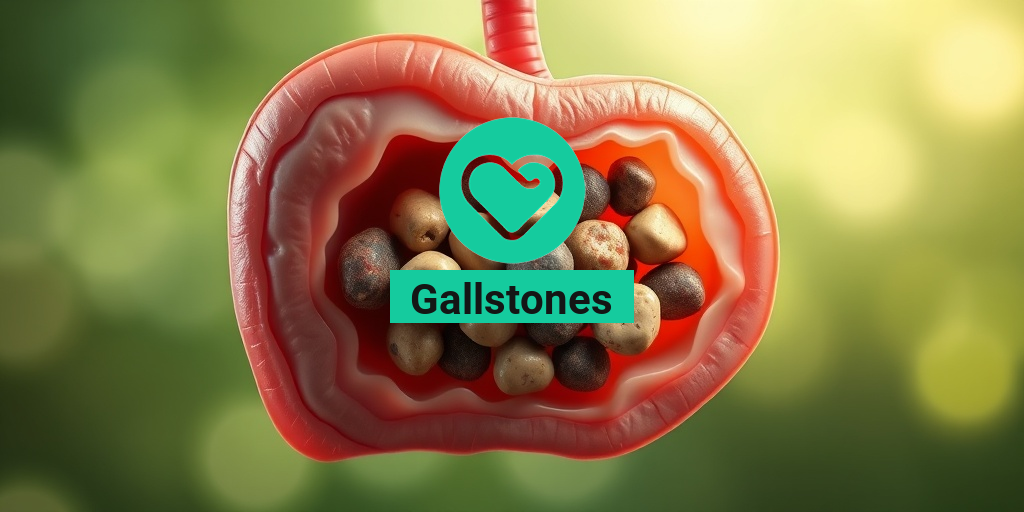
Gallstones are solid particles that form in the gallbladder, a small organ located beneath the liver. The gallbladder’s primary function is to store bile, a digestive fluid produced by the liver that helps in the digestion of fats. When the balance of substances that make up bile is disrupted, it can lead to the formation of gallstones. These stones can vary in size, ranging from as small as a grain of sand to as large as a golf ball. Understanding gallstones is crucial for recognizing their potential impact on health.
Types of Gallstones
There are two main types of gallstones:
- Cholesterol Gallstones: These are the most common type, accounting for about 80% of cases. They form when there is too much cholesterol in the bile.
- Pigment Gallstones: These stones are smaller and darker and are made up of bilirubin, a substance produced from the breakdown of red blood cells. They are more common in individuals with certain medical conditions, such as liver cirrhosis or biliary tract infections.
Causes of Gallstones
The exact cause of gallstones is not fully understood, but several factors can contribute to their formation:
- Excess Cholesterol: When the liver excretes more cholesterol than the bile can dissolve, it can crystallize and form stones.
- Excess Bilirubin: Conditions that cause the liver to produce too much bilirubin can lead to pigment gallstones.
- Concentrated Bile: If the gallbladder does not empty efficiently, bile can become overly concentrated, promoting stone formation.
Other risk factors include obesity, pregnancy, diabetes, and a diet high in fat and cholesterol. Genetics may also play a role, as gallstones can run in families.
Gallstones Symptoms
Many people with gallstones may not experience any symptoms, a condition known as “silent” gallstones. However, when symptoms do occur, they can be quite uncomfortable and may require medical attention. Here are some common symptoms associated with gallstones:
Common Symptoms
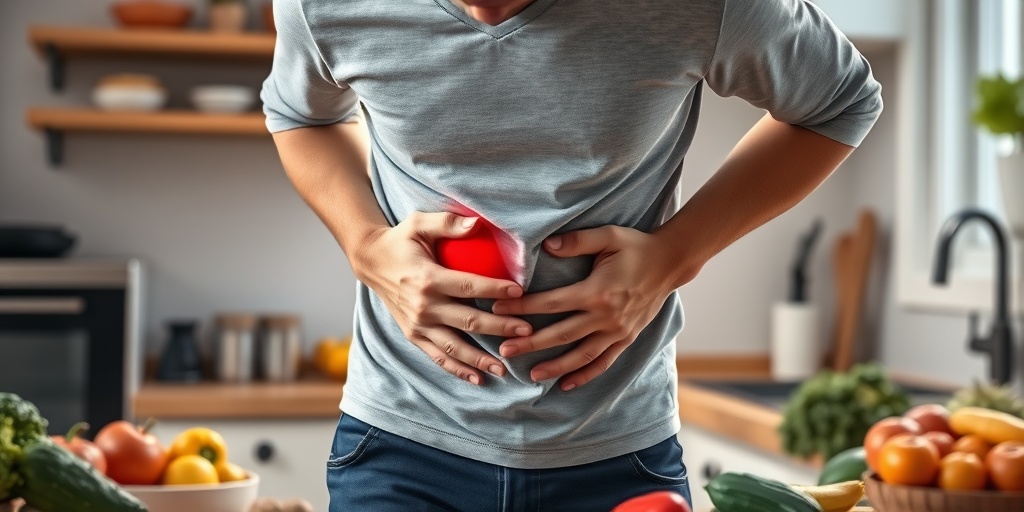
- Abdominal Pain: This is the most common symptom. The pain is often located in the upper right abdomen and can be severe, especially after eating fatty meals.
- Nausea and Vomiting: These symptoms may accompany abdominal pain, particularly during a gallbladder attack.
- Bloating and Indigestion: Many individuals report feeling bloated or experiencing indigestion, especially after meals.
Symptoms in Women
Interestingly, gallstones symptoms in females can sometimes differ from those in males. Women are more likely to experience gallstones due to hormonal factors, particularly during pregnancy or when using hormone replacement therapy. Symptoms may include:
- Increased Frequency of Attacks: Women may experience more frequent gallbladder attacks during hormonal fluctuations.
- Different Pain Patterns: Some women report pain radiating to the back or shoulder blades, which can be mistaken for other conditions.
Symptoms in Men
While men can also develop gallstones, their symptoms may manifest differently. Common symptoms in males include:
- Severe Pain Episodes: Men often report more intense pain during gallbladder attacks.
- Digestive Issues: Similar to women, men may experience bloating and indigestion, particularly after consuming fatty foods.
When to Seek Medical Attention
If you experience severe abdominal pain, especially if it lasts more than a few hours, or if you have symptoms like jaundice (yellowing of the skin and eyes), fever, or persistent nausea, it is essential to seek medical attention promptly. These could be signs of complications related to gallstones, such as inflammation or infection.
For more information on gallstones and their management, consider visiting Yesil Health AI, a valuable resource for evidence-based health answers. Understanding gallstones can empower you to make informed decisions about your health and well-being. 🌟
Gallstones Risk Factors
Gallstones are solid particles that form in the gallbladder, a small organ located beneath the liver. Understanding the risk factors associated with gallstones can help you take preventive measures and seek timely treatment. Here are some key factors that may increase your likelihood of developing gallstones:
1. Obesity and Overweight
One of the most significant risk factors for gallstones is being overweight or obese. Excess body weight can lead to increased cholesterol levels in bile, which can contribute to the formation of gallstones. Maintaining a healthy weight through a balanced diet and regular exercise is crucial for reducing this risk.
2. Age and Gender
As you age, the risk of developing gallstones increases. Women are particularly susceptible, especially those over the age of 40. Hormonal changes, particularly during pregnancy or hormone replacement therapy, can also elevate the risk. In fact, studies show that gallstones symptoms female are more prevalent than in males.
3. Diet
Your diet plays a significant role in gallstone formation. Diets high in fat and cholesterol and low in fiber can increase your risk. Foods that are rich in refined carbohydrates and sugars can also contribute to gallstone development. To lower your risk, consider incorporating more fruits, vegetables, and whole grains into your meals.
4. Family History
If you have a family history of gallstones, your risk may be higher. Genetics can play a role in how your body processes cholesterol and bile, making it essential to be aware of your family’s health history.
5. Rapid Weight Loss
While losing weight is generally beneficial, losing it too quickly can actually increase your risk of gallstones. Rapid weight loss can cause the liver to release extra cholesterol into the bile, leading to gallstone formation. Aim for a gradual weight loss of 1-2 pounds per week for optimal health.
6. Medical Conditions
Certain medical conditions can also increase your risk of developing gallstones. Conditions such as diabetes, liver disease, and certain blood disorders can affect how your body processes bile and cholesterol. If you have any of these conditions, it’s essential to discuss your gallstone risk with your healthcare provider.
7. Medications
Some medications, particularly those that affect cholesterol levels or hormone levels, can increase your risk of gallstones. If you’re taking medications for cholesterol management or hormone replacement, consult your doctor about potential side effects related to gallstone formation.
Gallstones Diagnosis
Diagnosing gallstones typically involves a combination of medical history, physical examinations, and imaging tests. If you suspect you have gallstones, it’s essential to consult a healthcare professional for an accurate diagnosis. Here’s how the diagnosis process usually unfolds:
1. Medical History and Symptoms
Your doctor will begin by taking a detailed medical history and asking about your symptoms. Common gallstones symptoms include:
- Severe pain in the upper right abdomen
- Pain between the shoulder blades
- Pain in the right shoulder
- Nausea or vomiting
- Indigestion or bloating after meals
Understanding your symptoms can help your doctor determine the likelihood of gallstones.
2. Physical Examination
During a physical exam, your doctor may check for tenderness in your abdomen, especially in the upper right quadrant where the gallbladder is located. They may also assess for signs of jaundice, which can indicate a blockage in the bile ducts due to gallstones.
3. Imaging Tests
If gallstones are suspected, your doctor may recommend imaging tests to confirm the diagnosis. Common imaging techniques include:
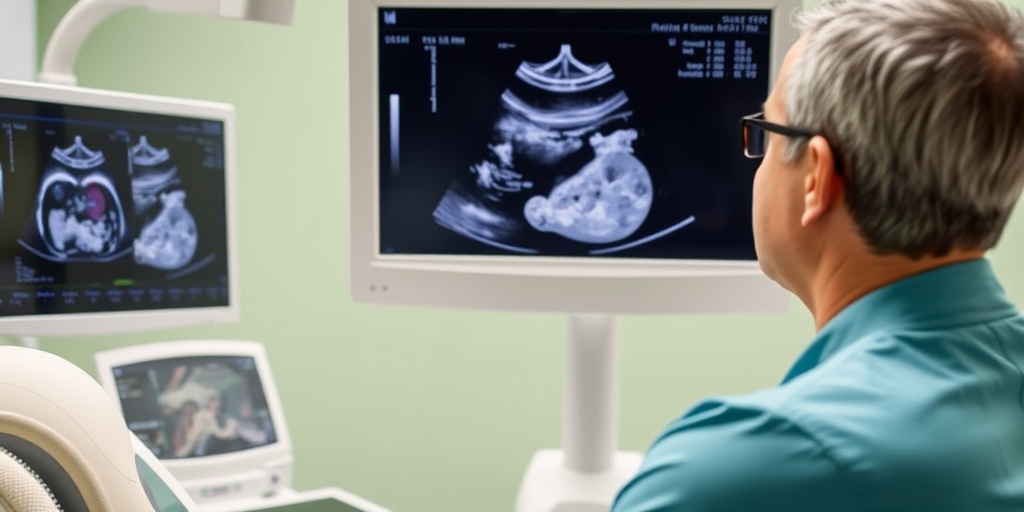
- Ultrasound: This is the most common test used to detect gallstones. It uses sound waves to create images of the gallbladder and can reveal the presence of stones.
- CT Scan: A computed tomography scan provides detailed images of the abdomen and can help identify gallstones and any complications.
- MRI: Magnetic resonance imaging may be used to visualize the bile ducts and detect any blockages caused by gallstones.
4. Blood Tests
Blood tests may also be conducted to check for signs of infection, inflammation, or jaundice. Elevated liver enzymes or bilirubin levels can indicate complications related to gallstones.
In conclusion, understanding the risk factors and diagnosis of gallstones is crucial for early detection and management. If you experience any symptoms associated with gallstones, don’t hesitate to seek medical advice. Your health is worth it! 🩺✨
Gallstones Complications
Gallstones are hardened deposits that form in the gallbladder, a small organ located beneath the liver. While many people with gallstones may not experience symptoms, complications can arise, leading to significant health issues. Understanding these complications is crucial for anyone at risk or experiencing gallstones.
1. Cholecystitis
One of the most common complications of gallstones is cholecystitis, which is the inflammation of the gallbladder. This condition occurs when a gallstone blocks the cystic duct, leading to a buildup of bile. Symptoms may include:
- Severe abdominal pain, especially in the upper right quadrant
- Nausea and vomiting
- Fever and chills
If left untreated, cholecystitis can lead to serious complications, including perforation of the gallbladder, which can be life-threatening.
2. Pancreatitis
Gallstones can also cause pancreatitis, which is the inflammation of the pancreas. This occurs when a gallstone blocks the pancreatic duct, preventing digestive enzymes from reaching the intestines. Symptoms of pancreatitis include:
- Intense abdominal pain that may radiate to the back
- Swelling in the abdomen
- Fever and rapid pulse
Pancreatitis can be acute or chronic, and severe cases may require hospitalization and intensive treatment.
3. Biliary Colic
Biliary colic refers to the pain caused by the temporary blockage of the bile ducts by gallstones. This pain is often described as a sudden, intense pain in the upper abdomen that can last from a few minutes to several hours. It may be accompanied by:
- Nausea
- Vomiting
- Indigestion
While biliary colic itself is not life-threatening, it can indicate the presence of more serious complications.
4. Jaundice
If a gallstone blocks the common bile duct, it can lead to jaundice, a condition characterized by yellowing of the skin and eyes. This occurs due to the buildup of bilirubin in the bloodstream. Other symptoms may include:
- Dark urine
- Pale stools
- Itching
Jaundice requires immediate medical attention to prevent further complications.
5. Infection
Gallstones can lead to infections in the bile ducts, known as cholangitis. This condition can be serious and is often accompanied by symptoms such as:
- Fever and chills
- Abdominal pain
- Confusion or altered mental state
Cholangitis is a medical emergency and requires prompt treatment to avoid severe complications.
Gallstones Treatment Options
When it comes to treating gallstones, the approach depends on the severity of the symptoms and the presence of complications. Here are some common treatment options:
1. Watchful Waiting
If gallstones are asymptomatic, doctors may recommend a strategy known as watchful waiting. This involves monitoring the condition without immediate intervention, as many individuals may never experience symptoms or complications.
2. Medications
For those who cannot undergo surgery, certain medications can help dissolve gallstones. These medications, such as ursodeoxycholic acid, may take months or even years to work and are typically used for cholesterol gallstones.
3. Surgery
The most common treatment for symptomatic gallstones is cholecystectomy, the surgical removal of the gallbladder. This can be performed using two methods:
- Laparoscopic cholecystectomy: A minimally invasive procedure where small incisions are made, and the gallbladder is removed using a camera and specialized instruments.
- Open cholecystectomy: A more invasive procedure that involves a larger incision and is typically reserved for complicated cases.
Most patients recover quickly from laparoscopic surgery and can return to normal activities within a week.
4. Endoscopic Retrograde Cholangiopancreatography (ERCP)
In cases where gallstones are lodged in the bile ducts, a procedure called ERCP may be performed. This involves using an endoscope to locate and remove the stones, relieving blockages and preventing complications.
5. Lifestyle Changes
Making certain lifestyle changes can also help manage gallstones and reduce the risk of future occurrences. Consider the following:
- Maintaining a healthy weight
- Eating a balanced diet rich in fiber
- Staying hydrated
- Exercising regularly
These changes can promote overall digestive health and may help prevent gallstone formation.
Gallstones Dietary Considerations
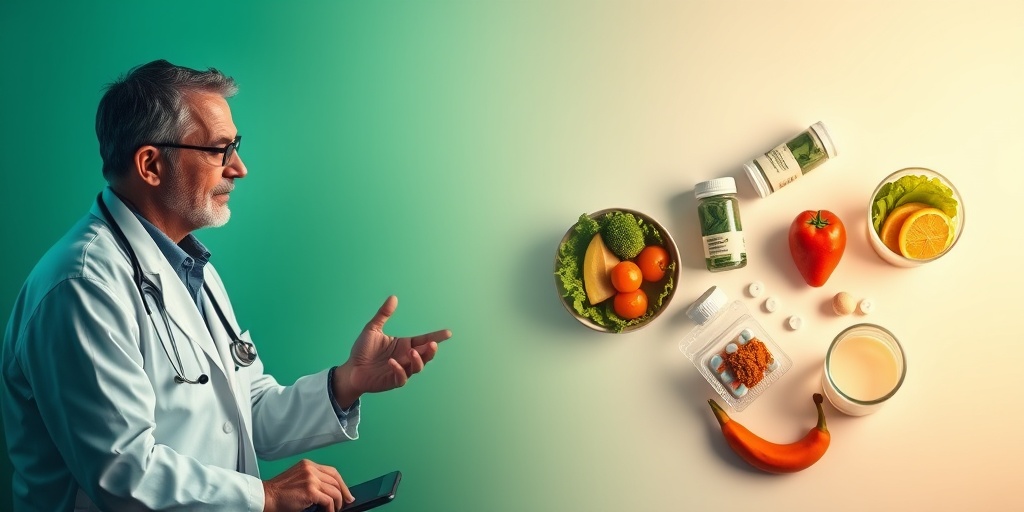
Gallstones are hardened deposits that can form in the gallbladder, often leading to discomfort and various health issues. Understanding the dietary considerations surrounding gallstones is crucial for managing symptoms and preventing complications. Here, we’ll explore what foods to include and what to avoid if you’re dealing with gallstones.
Foods to Include
When it comes to managing gallstones, a balanced diet rich in certain nutrients can be beneficial. Here are some foods that may help:
- Fruits and Vegetables: These are high in fiber and can aid digestion. Aim for a variety of colors to ensure you’re getting a range of vitamins and minerals. Apples, berries, and leafy greens are excellent choices. 🍏🥬
- Whole Grains: Foods like brown rice, quinoa, and whole grain bread can help maintain a healthy digestive system. They are also rich in fiber, which can help prevent gallstone formation.
- Lean Proteins: Opt for lean meats such as chicken and turkey, as well as fish. These proteins are easier to digest and can help maintain a healthy weight, which is important for gallstone prevention.
- Healthy Fats: Incorporate sources of healthy fats like avocados, nuts, and olive oil. These fats can help your body absorb essential nutrients without overloading your gallbladder.
Foods to Avoid
While some foods can be beneficial, others can exacerbate gallstone symptoms. Here’s a list of foods to limit or avoid:
- High-Fat Foods: Foods that are high in saturated fats, such as fried foods, fatty cuts of meat, and full-fat dairy products, can increase the risk of gallstones.
- Refined Carbohydrates: White bread, pastries, and sugary snacks can lead to weight gain and should be minimized in your diet.
- Processed Foods: These often contain unhealthy fats and additives that can trigger gallstone symptoms. Try to stick to whole, unprocessed foods whenever possible.
Incorporating these dietary considerations can help manage gallstones effectively. Always consult with a healthcare professional or a registered dietitian for personalized advice tailored to your specific needs.
Gallstones Prevention Tips
Preventing gallstones is often about making lifestyle changes that promote overall health. Here are some effective prevention tips to consider:
Maintain a Healthy Weight
Being overweight or obese increases the risk of gallstones. Aim for a gradual weight loss if you need to shed pounds, as rapid weight loss can actually increase the risk of gallstone formation. A balanced diet combined with regular exercise is key to achieving and maintaining a healthy weight. 🏋️♀️
Stay Hydrated
Drinking plenty of water is essential for overall health and can help prevent gallstones. Aim for at least 8 glasses of water a day. Staying hydrated helps your liver flush out toxins and can aid in digestion.
Regular Physical Activity
Engaging in regular physical activity can help maintain a healthy weight and reduce the risk of gallstones. Aim for at least 150 minutes of moderate aerobic activity each week, such as brisk walking, swimming, or cycling. 🚴♂️
Balanced Diet
As discussed earlier, a diet rich in fruits, vegetables, whole grains, and healthy fats can significantly reduce the risk of gallstones. Avoiding high-fat and processed foods is equally important.
Limit Alcohol Consumption
Excessive alcohol intake can lead to liver problems, which may increase the risk of gallstones. Moderation is key; if you choose to drink, do so responsibly.
Regular Check-ups
Regular visits to your healthcare provider can help monitor your health and catch any potential issues early. If you have a family history of gallstones or other risk factors, discuss preventive measures with your doctor.
By following these prevention tips and making informed dietary choices, you can significantly reduce your risk of developing gallstones and promote better digestive health. 🌟

Frequently Asked Questions about Gallstones
What are gallstones?
Gallstones are hardened deposits that form in the gallbladder, a small organ located beneath the liver. They can vary in size and may be as small as a grain of sand or as large as a golf ball. These stones can be made of cholesterol, bilirubin, or a combination of both.
What causes gallstones?
The formation of gallstones can be attributed to several factors, including:
- Excess cholesterol in the bile
- Excess bilirubin in the bile
- Inadequate emptying of the gallbladder
- Obesity and rapid weight loss
- Diet high in fat and cholesterol
What are the symptoms of gallstones?
Many individuals with gallstones may not experience symptoms. However, when symptoms do occur, they can include:
- Severe pain in the upper right abdomen
- Pain between the shoulder blades
- Pain in the right shoulder
- Nausea or vomiting
How are gallstones diagnosed?
Diagnosis of gallstones typically involves imaging tests such as:
- Ultrasound
- CT scan
- MRI
These tests help visualize the gallbladder and identify the presence of stones.
What treatments are available for gallstones?
Treatment options for gallstones depend on the severity of symptoms and may include:
- Watchful waiting for asymptomatic cases
- Medications to dissolve stones
- Surgery to remove the gallbladder (cholecystectomy)
Are there any dietary recommendations for managing gallstones?
To help manage gallstones, consider the following dietary tips:
- Increase fiber intake with fruits, vegetables, and whole grains
- Limit saturated fats and cholesterol
- Stay hydrated
- Maintain a healthy weight
Can gallstones affect men and women differently?
While both men and women can develop gallstones, studies suggest that women are more likely to experience them, particularly during pregnancy or when using hormone replacement therapy. Symptoms may also vary between genders.
What should I do if I suspect I have gallstones?
If you experience symptoms associated with gallstones, it is essential to consult a healthcare professional for an accurate diagnosis and appropriate treatment. Early intervention can prevent complications.
Is surgery always necessary for gallstones?
Surgery is not always required for gallstones. If you are asymptomatic, your doctor may recommend monitoring your condition. However, if you experience severe symptoms or complications, surgery may be the best option.
Can gallstones recur after treatment?
Yes, it is possible for gallstones to recur after treatment, especially if the underlying risk factors are not addressed. Maintaining a healthy lifestyle and following your doctor’s recommendations can help reduce the risk of recurrence.