What Is Localized Epidermolysis Bullosa?
Localized Epidermolysis Bullosa (LEB) is a rare genetic skin disorder characterized by the formation of blisters and erosions on the skin, primarily in localized areas. This condition is a subtype of epidermolysis bullosa (EB), which encompasses a group of inherited disorders that affect the skin’s ability to withstand friction and trauma. In LEB, the blisters typically occur in specific regions rather than being widespread across the body.
Understanding the Types of Localized Epidermolysis Bullosa
Localized Epidermolysis Bullosa can be classified into several types, each with distinct characteristics:
- Localized Epidermolysis Bullosa Simplex: This is the most common form, where blisters form in response to minor trauma or friction.
- Localized Dystrophic Epidermolysis Bullosa: In this type, the skin is more fragile, and scarring may occur as the blisters heal.
- Localized Junctional Epidermolysis Bullosa: This rare form affects the junction between the epidermis and dermis, leading to blistering in specific areas.
LEB is often inherited in an autosomal dominant manner, meaning that only one copy of the mutated gene from an affected parent can cause the disorder in their offspring. Genetic mutations in the genes responsible for producing proteins that help anchor the layers of skin together lead to the fragility observed in affected individuals.
Causes of Localized Epidermolysis Bullosa
The primary cause of Localized Epidermolysis Bullosa is genetic mutations. These mutations affect the structural proteins in the skin, making it more susceptible to damage. While the exact cause can vary depending on the specific type of LEB, common genetic mutations include:
- KRT14 and KRT17: Mutations in these keratin genes are often associated with Localized Epidermolysis Bullosa Simplex.
- COL7A1: This gene is linked to Localized Dystrophic Epidermolysis Bullosa, affecting collagen production.
- LAMA3, LAMB3, and LAMC2: These genes are involved in the formation of the basement membrane and are associated with Junctional Epidermolysis Bullosa.
Understanding the genetic basis of LEB is crucial for diagnosis and potential future therapies. Genetic counseling may be beneficial for families affected by this condition.
Symptoms of Localized Epidermolysis Bullosa
The symptoms of Localized Epidermolysis Bullosa can vary significantly depending on the type and severity of the condition. However, some common signs and symptoms include:
Blister Formation
The hallmark of LEB is the formation of blisters, which can occur in response to friction, trauma, or even spontaneously. These blisters may:
- Appear as fluid-filled sacs on the skin.
- Be painful and tender to the touch.
- Heal over time, often leaving behind scars.
Skin Erosions
In some cases, the blisters may rupture, leading to skin erosions. These areas can be:
- Red and inflamed.
- Susceptible to infections.
- Slow to heal, particularly in individuals with more severe forms of LEB.
Other Associated Symptoms
While blistering is the primary symptom, individuals with Localized Epidermolysis Bullosa may also experience:
- Itching: The affected areas may be itchy, leading to scratching and further skin damage.
- Thickened Skin: Over time, repeated blistering and healing can lead to thickened, calloused skin in affected areas.
- Scarring: As blisters heal, they may leave behind scars, which can be a cosmetic concern for many individuals.
Recognizing the symptoms of Localized Epidermolysis Bullosa is essential for early diagnosis and management. If you or someone you know is experiencing these symptoms, it is crucial to consult a healthcare professional for a proper evaluation and treatment plan.
For more information and evidence-based health answers, consider visiting Yesil Health AI, a valuable resource for understanding various health conditions, including epidermolysis bullosa.

Causes and Risk Factors
Localized Epidermolysis Bullosa (LEB) is a rare genetic skin disorder characterized by fragile skin that blisters easily. Understanding the causes and risk factors associated with this condition is crucial for effective management and support.
Genetic Mutations
The primary cause of localized epidermolysis bullosa is genetic mutations. These mutations affect the proteins responsible for skin integrity, leading to the characteristic blistering. The most common types of LEB include:
- Localized Epidermolysis Bullosa Simplex: This form is often caused by mutations in the keratin genes, particularly KRT5 and KRT14. These mutations weaken the connections between skin cells, making them more susceptible to damage.
- Localized Dystrophic Epidermolysis Bullosa: This type is linked to mutations in the COL7A1 gene, which is essential for the production of collagen type VII, a protein that helps anchor the layers of skin together.
- Localized Junctional Epidermolysis Bullosa: This rare form is associated with mutations in genes that encode proteins involved in the adhesion of the epidermis to the dermis.
Inheritance Patterns
Localized epidermolysis bullosa can be inherited in an autosomal dominant or autosomal recessive manner, depending on the specific type. In autosomal dominant cases, only one copy of the mutated gene is needed for the condition to manifest, while in autosomal recessive cases, two copies (one from each parent) are required.
Environmental Factors
While genetic factors play a significant role, certain environmental factors can exacerbate the symptoms of localized epidermolysis bullosa. These include:
- Friction and Trauma: Activities that cause friction on the skin, such as sports or rough clothing, can lead to blister formation.
- Temperature Changes: Extreme temperatures can affect skin sensitivity and increase the likelihood of blistering.
- Infections: Skin infections can complicate the condition and lead to further skin damage.
Risk Factors
Several risk factors may increase the likelihood of developing localized epidermolysis bullosa:
- Family History: A family history of epidermolysis bullosa increases the risk of inheriting the condition.
- Ethnicity: Certain ethnic groups may have a higher prevalence of specific types of epidermolysis bullosa due to genetic factors.
- Age: Symptoms often present at birth or in early childhood, but they can also develop later in life.
Diagnosis of Localized Epidermolysis Bullosa
Diagnosing localized epidermolysis bullosa involves a combination of clinical evaluation and laboratory tests. Early diagnosis is essential for effective management and treatment.
Clinical Evaluation
The first step in diagnosing LEB is a thorough clinical evaluation by a dermatologist. The doctor will assess the patient’s medical history and conduct a physical examination to identify characteristic signs and symptoms, such as:
- Blister Formation: The presence of blisters on the skin, particularly in areas prone to friction.
- Skin Fragility: Skin that tears easily with minimal trauma.
- Scarring: Scarring may develop over time, particularly in more severe cases.
Genetic Testing
To confirm the diagnosis, genetic testing may be recommended. This involves:
- DNA Analysis: A sample of blood or skin is taken to analyze the genes associated with epidermolysis bullosa. This can help identify specific mutations responsible for the condition.
- Family Testing: If a mutation is identified, family members may also be tested to determine if they carry the same genetic changes.
Skin Biopsy
In some cases, a skin biopsy may be performed. This involves taking a small sample of skin to examine the structure and integrity of the skin layers under a microscope. This can help differentiate between the various types of epidermolysis bullosa.
Overall, a comprehensive approach combining clinical evaluation, genetic testing, and possibly skin biopsy is essential for accurately diagnosing localized epidermolysis bullosa. Early diagnosis can lead to better management strategies and improved quality of life for those affected. 🩺✨

Treatment Options Available
Localized Epidermolysis Bullosa (EB) is a rare genetic skin disorder characterized by fragile skin that blisters easily. While there is currently no cure for this condition, various treatment options can help manage symptoms and improve the quality of life for those affected. Understanding these options is crucial for patients and caregivers alike.
Topical Treatments
One of the primary approaches to managing localized epidermolysis bullosa is through topical treatments. These can include:
- Moisturizers: Keeping the skin hydrated is essential. Regular application of emollients can help prevent dryness and reduce the risk of blister formation.
- Antibiotic ointments: To prevent infections in areas where blisters have formed, topical antibiotics may be recommended.
- Wound dressings: Specialized dressings can protect blisters and promote healing. These dressings are designed to be gentle on the skin and can help reduce pain.
Oral Medications
In some cases, oral medications may be prescribed to manage symptoms or complications associated with localized EB. These can include:
- Pain relievers: Over-the-counter or prescription pain medications can help alleviate discomfort caused by blisters.
- Antihistamines: If itching is a significant issue, antihistamines may be recommended to provide relief.
Physical Therapy
For individuals with localized epidermolysis bullosa, physical therapy can play a vital role in maintaining mobility and function. A physical therapist can design a personalized program that focuses on:
- Strengthening exercises: These can help maintain muscle strength and prevent atrophy.
- Range of motion exercises: To prevent stiffness and improve flexibility, especially in areas affected by blistering.
Advanced Therapies
As research continues, new therapies are being explored for localized EB. Some of these include:
- Gene therapy: This innovative approach aims to correct the underlying genetic defect causing EB.
- Stem cell therapy: Research is ongoing into the use of stem cells to promote skin healing and regeneration.
Home Care Strategies
Managing localized epidermolysis bullosa at home requires a proactive approach to care. Here are some effective home care strategies that can help minimize symptoms and enhance comfort:
Skin Care Routine
Establishing a consistent skin care routine is essential for individuals with localized EB. Consider the following tips:
- Gentle cleansing: Use mild, fragrance-free cleansers to avoid irritation. Pat the skin dry instead of rubbing.
- Regular moisturizing: Apply a thick moisturizer or barrier cream after bathing to lock in moisture and protect the skin.
Managing Blisters
Blisters are a hallmark of localized epidermolysis bullosa. Here’s how to manage them effectively:
- Do not pop blisters: Allow blisters to heal naturally to prevent infection.
- Cover with dressings: Use non-adherent dressings to protect blisters from friction and further injury.
Environmental Considerations
Creating a safe and comfortable environment is crucial for individuals with localized EB. Here are some suggestions:
- Soft bedding: Use soft, breathable fabrics for bedding to minimize irritation during sleep.
- Temperature control: Keep the living space at a comfortable temperature to avoid excessive sweating, which can exacerbate blistering.
Nutrition and Hydration
A well-balanced diet and proper hydration can support overall health and skin integrity. Consider these tips:
- Stay hydrated: Drink plenty of water throughout the day to maintain skin elasticity.
- Nutritious foods: Incorporate foods rich in vitamins A, C, and E, as well as omega-3 fatty acids, to promote skin health.
By implementing these treatment options and home care strategies, individuals with localized epidermolysis bullosa can better manage their condition and enhance their quality of life. Remember, it’s essential to work closely with healthcare providers to tailor a care plan that meets individual needs. 🌟
Living with Localized Epidermolysis Bullosa
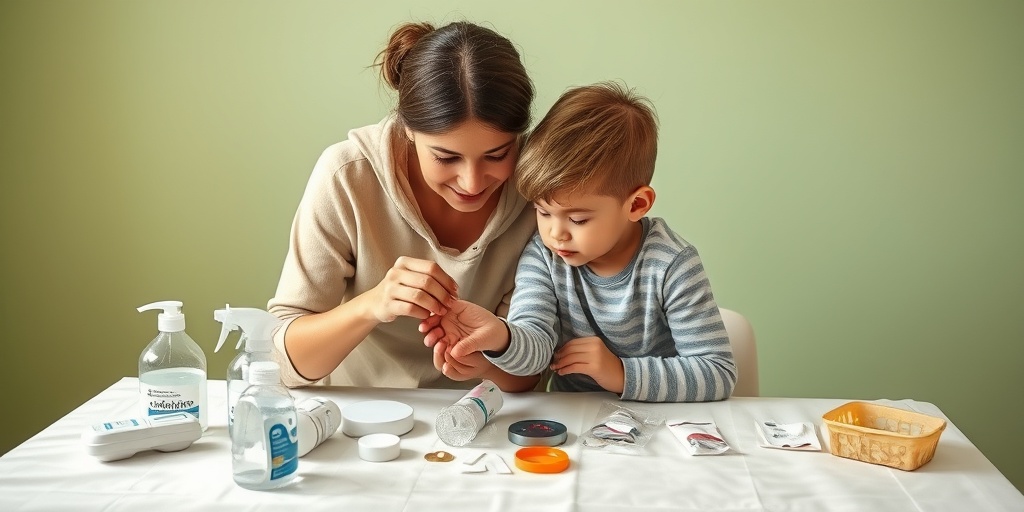
Localized Epidermolysis Bullosa (LEB) is a rare genetic skin disorder that primarily affects the outer layer of the skin, leading to blister formation and sensitivity. For those diagnosed with this condition, understanding how to manage daily life is crucial. Here, we explore practical tips and insights for living with LEB.
Understanding Localized Epidermolysis Bullosa
Localized Epidermolysis Bullosa is characterized by the formation of blisters in specific areas of the skin, often triggered by minor trauma or friction. Unlike other forms of epidermolysis bullosa, such as localized dystrophic epidermolysis bullosa or localized junctional epidermolysis bullosa, LEB is typically less severe and may not affect the entire body.
Daily Care and Management
Managing LEB involves a combination of skincare routines and lifestyle adjustments. Here are some essential tips:
- Gentle Cleansing: Use mild, fragrance-free cleansers to avoid irritation. Pat the skin dry instead of rubbing.
- Moisturization: Regularly apply emollients to keep the skin hydrated and reduce the risk of blistering.
- Protective Dressings: Cover vulnerable areas with soft, breathable dressings to minimize friction and protect against injury.
- Avoiding Triggers: Identify and avoid activities that may cause skin trauma, such as vigorous exercise or tight clothing.
Emotional and Psychological Support
Living with a chronic condition like LEB can take a toll on mental health. It’s essential to seek support from friends, family, or support groups. Connecting with others who understand your experiences can provide comfort and practical advice. Consider speaking with a mental health professional if feelings of anxiety or depression arise.
Diet and Nutrition
A balanced diet can play a role in skin health. Incorporate foods rich in vitamins and minerals, particularly those that promote skin healing, such as:
- Vitamin C: Found in citrus fruits, strawberries, and bell peppers, it aids in collagen production.
- Omega-3 Fatty Acids: Present in fish, flaxseeds, and walnuts, these can help reduce inflammation.
- Protein: Essential for skin repair, include lean meats, beans, and legumes in your diet.
Outlook and Prognosis
The prognosis for individuals with Localized Epidermolysis Bullosa is generally positive. Most people with LEB experience localized symptoms that can be managed effectively with proper care. However, understanding the long-term outlook is essential for those affected.
Long-Term Management
While LEB is not life-threatening, it requires ongoing management. Regular check-ups with a dermatologist can help monitor skin health and address any complications that may arise. Early intervention is key to preventing infections and minimizing scarring.
Potential Complications
Although the condition is localized, complications can occur, including:
- Infections: Blisters can become infected if not properly cared for.
- Scarring: Repeated blistering in the same area may lead to scarring over time.
- Psychosocial Impact: The visible nature of the condition can affect self-esteem and social interactions.
Research and Advances
Ongoing research into epidermolysis bullosa is promising. Advances in gene therapy and new treatment options are being explored, which may improve the quality of life for those affected by LEB. Staying informed about new developments can empower individuals and families to make informed decisions about their care.
In conclusion, while living with Localized Epidermolysis Bullosa presents challenges, effective management strategies and a supportive network can significantly enhance quality of life. With the right approach, individuals can lead fulfilling lives despite the condition. 🌟

Frequently Asked Questions about Localized Epidermolysis Bullosa
What is Localized Epidermolysis Bullosa?
Localized Epidermolysis Bullosa is a rare genetic skin disorder characterized by fragile skin that blisters easily. It primarily affects specific areas of the body, leading to localized skin damage rather than widespread symptoms.
What causes Localized Epidermolysis Bullosa?
The condition is caused by mutations in genes responsible for producing proteins that help anchor the skin layers together. These mutations can lead to weakened skin, making it more susceptible to injury and blistering.
What are the signs and symptoms of Localized Epidermolysis Bullosa?
Common signs and symptoms include:
- Blister formation in localized areas
- Redness and irritation around blisters
- Skin fragility
- Possible scarring in affected areas
Is there a difference between Localized Epidermolysis Bullosa and other types?
Yes, Localized Epidermolysis Bullosa differs from other forms, such as Localized Dystrophic Epidermolysis Bullosa and Localized Junctional Epidermolysis Bullosa, in terms of genetic causes, symptoms, and severity. Each type has unique characteristics and may require different management approaches.
How is Localized Epidermolysis Bullosa diagnosed?
Diagnosis typically involves a physical examination of the skin, patient history, and sometimes genetic testing to identify specific mutations associated with the condition.
What treatment options are available for Localized Epidermolysis Bullosa?
While there is no cure, treatment focuses on managing symptoms and preventing complications. Options may include:
- Wound care to protect blistered areas
- Topical treatments to promote healing
- Pain management strategies
Can Localized Epidermolysis Bullosa be inherited?
Yes, Localized Epidermolysis Bullosa can be inherited in an autosomal dominant or recessive manner, depending on the specific genetic mutation involved. Family history may play a significant role in the likelihood of passing the condition to offspring.
Are there any lifestyle changes that can help manage Localized Epidermolysis Bullosa?
Individuals with this condition can benefit from:
- Avoiding activities that may cause skin trauma
- Wearing protective clothing
- Maintaining good skin hygiene
Where can I find support for Localized Epidermolysis Bullosa?
Support groups and organizations dedicated to epidermolysis bullosa can provide valuable resources, information, and community support for individuals and families affected by Localized Epidermolysis Bullosa. Connecting with others who understand the condition can be incredibly beneficial. 🌟