What Is Aging?
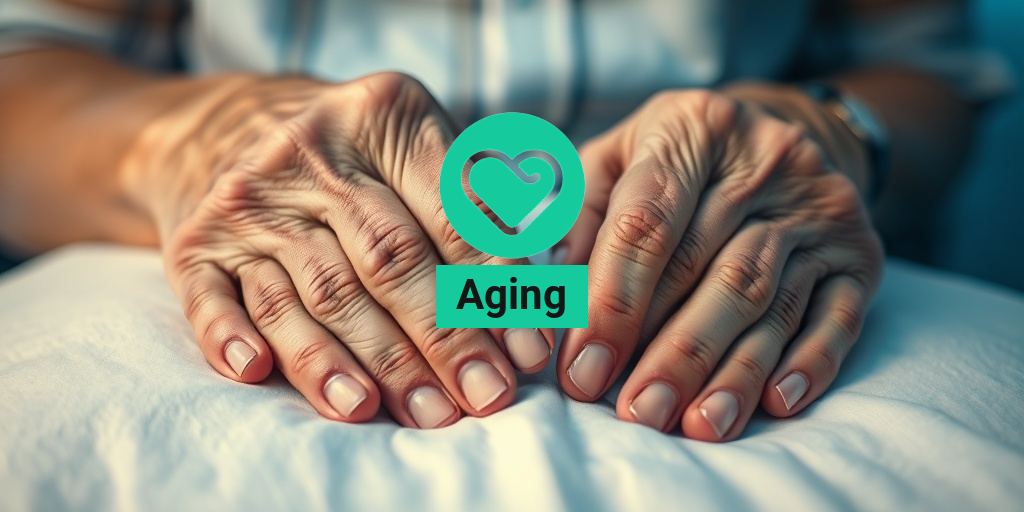
Aging is a natural process that every living organism experiences. It refers to the gradual decline in biological functions and the ability to adapt to metabolic stress. In humans, aging is often associated with physical, psychological, and social changes that occur over time. The aging definition encompasses a variety of factors, including genetics, lifestyle choices, and environmental influences.
The Science Behind Aging
At its core, aging is a complex biological phenomenon. Scientists have identified several theories that explain why we age, including:
- Telomere Shortening: Telomeres are protective caps at the ends of chromosomes. As cells divide, these telomeres shorten, leading to cellular aging.
- Oxidative Stress: Over time, the accumulation of free radicals can damage cells, contributing to the aging process.
- Genetic Factors: Certain genes are linked to longevity and can influence how we age.
Understanding the science of aging can help us make informed choices about our health and well-being. For instance, adopting a healthy lifestyle can mitigate some of the effects of aging, promoting healthy aging and enhancing our quality of life.
The Aging Population
Globally, the aging population is a significant demographic trend. As life expectancy increases, more people are living into their 70s, 80s, and beyond. This shift presents both challenges and opportunities for society. Healthcare systems must adapt to meet the needs of older adults, while individuals can benefit from the wisdom and experience that comes with age.
Signs of Aging
As we age, our bodies undergo various changes that can be both visible and invisible. Recognizing the signs of aging can help us take proactive steps to maintain our health and appearance.
Physical Signs
Some common physical signs of aging include:
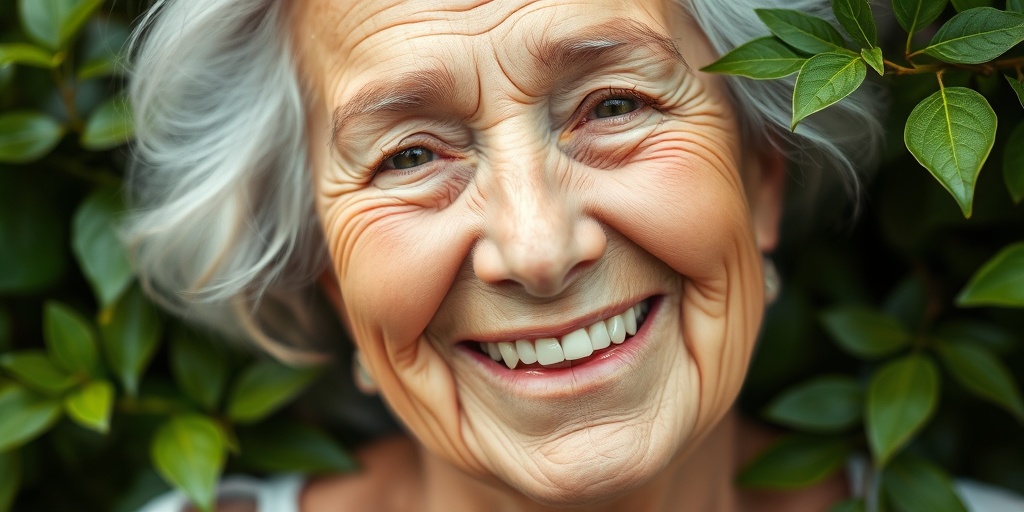
- Wrinkles and Fine Lines: The skin loses elasticity and moisture, leading to the formation of wrinkles.
- Gray Hair: Hair follicles produce less pigment as we age, resulting in gray or white hair.
- Changes in Skin Texture: Skin may become rougher or thinner, making it more susceptible to damage.
To combat these signs, many people turn to anti-aging products such as creams and serums. Ingredients like retinol and hyaluronic acid are popular in anti-aging skincare routines, as they can help improve skin texture and reduce the appearance of fine lines.
Emotional and Cognitive Signs
Aging also affects our mental and emotional well-being. Some signs to watch for include:
- Memory Loss: It’s common to experience occasional forgetfulness as we age.
- Changes in Mood: Older adults may face challenges such as loneliness or depression.
- Decreased Cognitive Function: Some may notice a decline in processing speed or problem-solving abilities.
Engaging in regular mental exercises, maintaining social connections, and leading an active lifestyle can help mitigate these cognitive changes. Resources like Yesil Health AI can provide valuable information on maintaining mental health as we age.
Healthy Aging Tips
To promote healthy aging, consider the following tips:
- Stay Active: Regular physical activity can improve mobility and reduce the risk of chronic diseases.
- Eat a Balanced Diet: A diet rich in fruits, vegetables, whole grains, and lean proteins supports overall health.
- Stay Hydrated: Drinking enough water is crucial for maintaining skin elasticity and overall health.
- Prioritize Sleep: Quality sleep is essential for cognitive function and emotional well-being.
In conclusion, aging is an inevitable part of life, but understanding its signs and embracing healthy practices can lead to a fulfilling and vibrant later life. By focusing on both physical and mental health, we can age gracefully and enjoy the journey ahead. 🌟
Causes of Aging
Aging is a natural process that affects every living organism. While it is often associated with physical decline and health issues, understanding the causes of aging can help us embrace this inevitable journey with grace and knowledge. Let’s explore the primary factors that contribute to aging.
1. Cellular Senescence
One of the most significant causes of aging is cellular senescence. As cells divide and replicate over time, they can accumulate damage from various sources, including environmental stressors and metabolic processes. Eventually, these damaged cells enter a state of senescence, where they no longer function optimally. This accumulation of senescent cells can lead to inflammation and tissue dysfunction, contributing to the aging process.
2. Telomere Shortening
Telomeres are protective caps located at the ends of chromosomes. Each time a cell divides, these telomeres shorten. When they become too short, the cell can no longer divide and becomes inactive or dies. This process is a crucial factor in aging, as it limits the number of times a cell can replicate. Research suggests that maintaining telomere length may be key to promoting healthy aging.
3. Oxidative Stress
Oxidative stress occurs when there is an imbalance between free radicals and antioxidants in the body. Free radicals are unstable molecules that can damage cells, proteins, and DNA. Over time, this damage accumulates and contributes to the aging process. Incorporating anti-aging products rich in antioxidants, such as vitamins C and E, can help combat oxidative stress and promote skin health.
4. Hormonal Changes
As we age, our bodies undergo various hormonal changes that can affect our overall health. For instance, levels of hormones like estrogen and testosterone decline with age, leading to changes in metabolism, muscle mass, and bone density. Understanding these changes can help individuals make informed choices about their health and wellness as they age.
5. Lifestyle Factors
Our lifestyle choices play a significant role in the aging process. Factors such as diet, exercise, and stress management can either accelerate or slow down aging. A balanced diet rich in fruits, vegetables, and whole grains, combined with regular physical activity, can promote healthy aging and reduce the risk of age-related diseases.
Aging and Genetics
Genetics is a crucial factor in understanding aging. While lifestyle choices and environmental factors significantly influence how we age, our genetic makeup also plays a vital role. Let’s delve into how genetics impacts the aging process.
1. Genetic Predisposition
Some individuals may be genetically predisposed to age more gracefully than others. Research has identified specific genes associated with longevity and resilience against age-related diseases. For example, variations in the FOXO3 gene have been linked to increased lifespan in certain populations. Understanding these genetic factors can provide insights into our aging process.
2. The Role of Epigenetics
Epigenetics refers to changes in gene expression that do not involve alterations to the underlying DNA sequence. Environmental factors, such as diet and stress, can influence epigenetic changes, impacting how our genes express themselves as we age. This means that while we may inherit certain genetic traits, our lifestyle choices can modify how those genes affect our aging process.
3. Family History and Aging
Family history can provide valuable insights into potential age-related health issues. If certain conditions, such as heart disease or diabetes, run in your family, it may indicate a genetic predisposition. Being aware of your family’s health history can empower you to take proactive measures, such as adopting a healthier lifestyle or seeking regular medical check-ups.
4. Genetic Research and Anti-Aging
Advancements in genetic research are paving the way for new anti-aging therapies. Scientists are exploring ways to manipulate genes associated with aging to promote longevity and improve health outcomes. For instance, research into anti-aging serums and treatments that target specific genetic pathways holds promise for the future of age-related health care.
In conclusion, aging is a complex interplay of various factors, including cellular processes, lifestyle choices, and genetics. By understanding these elements, we can make informed decisions that promote healthy aging and enhance our quality of life as we grow older. 🌱
Aging Effects on Health
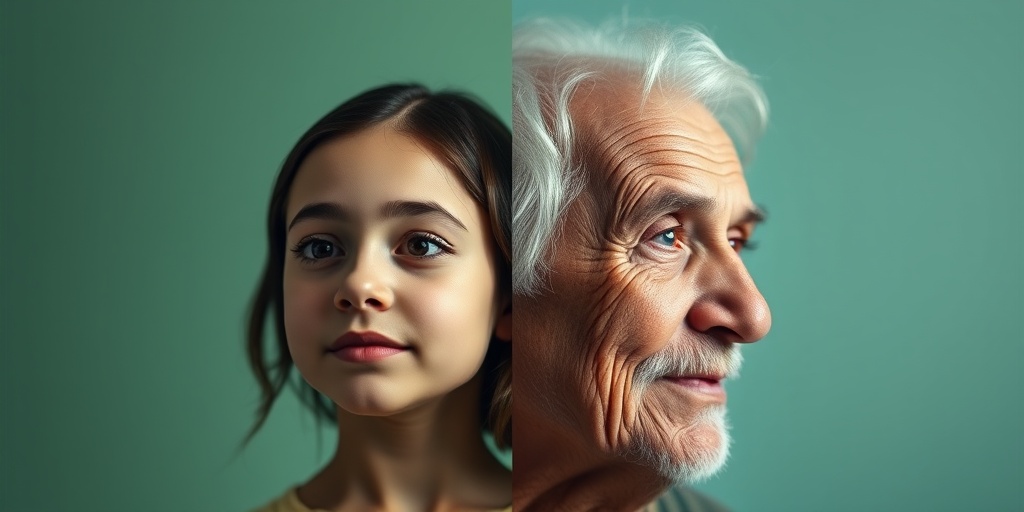
Aging is a natural process that affects everyone, but its effects on health can vary significantly from person to person. As we age, our bodies undergo various changes that can impact our physical, mental, and emotional well-being. Understanding these effects is crucial for promoting healthy aging and maintaining a high quality of life.
Physical Changes
One of the most noticeable effects of aging is the physical transformation our bodies experience. These changes can include:
- Decreased Muscle Mass: As we age, we naturally lose muscle mass, which can lead to decreased strength and mobility.
- Bone Density Loss: Aging can result in lower bone density, increasing the risk of fractures and osteoporosis.
- Skin Changes: The skin loses elasticity and moisture, leading to wrinkles and sagging. This is where anti-aging skincare products, such as anti-aging creams and serums, can play a vital role.
- Vision and Hearing Decline: Many people experience changes in vision and hearing as they age, which can affect daily activities.
Chronic Health Conditions
Aging is often associated with an increased risk of chronic health conditions. Some common issues include:
- Cardiovascular Diseases: The risk of heart disease and hypertension increases with age due to factors like arterial stiffness.
- Diabetes: Aging can affect insulin sensitivity, leading to a higher risk of type 2 diabetes.
- Arthritis: Joint pain and stiffness become more prevalent, impacting mobility and quality of life.
Understanding these health risks is essential for taking proactive steps toward healthy aging. Regular check-ups and screenings can help catch potential issues early.
Mental and Emotional Health
Aging also affects mental and emotional health. Many older adults face challenges such as:
- Cognitive Decline: Memory and cognitive function may decline, leading to conditions like dementia.
- Depression and Anxiety: Social isolation and loss of loved ones can contribute to mental health issues.
Engaging in social activities, staying mentally active, and seeking support can help mitigate these effects. It’s essential to prioritize mental well-being as part of the aging process.
Healthy Aging Tips
While aging is inevitable, there are numerous ways to promote healthy aging and enhance your quality of life. Here are some effective tips to consider:
Stay Physically Active
Regular physical activity is crucial for maintaining strength, flexibility, and overall health. Aim for at least 150 minutes of moderate aerobic activity each week, combined with strength training exercises. Activities like walking, swimming, and yoga can be particularly beneficial. 🏃♂️
Eat a Balanced Diet
A nutritious diet plays a significant role in healthy aging. Focus on:
- Fruits and Vegetables: These are rich in antioxidants, vitamins, and minerals that combat oxidative stress.
- Whole Grains: Foods like brown rice and whole wheat bread provide essential nutrients and fiber.
- Lean Proteins: Incorporate sources like fish, poultry, beans, and legumes to support muscle health.
Consider consulting a nutritionist to tailor a diet plan that meets your specific needs. 🍏
Prioritize Skincare
As mentioned earlier, the skin undergoes significant changes with age. To combat these effects, invest in anti-aging products that include:
- Retinol: This powerful ingredient helps reduce the appearance of fine lines and wrinkles.
- Moisturizers: Keeping the skin hydrated is essential for maintaining elasticity.
- Sunscreen: Protecting your skin from UV damage is crucial for preventing premature aging.
Establishing a consistent skincare routine can make a noticeable difference in your skin’s health. 🌞
Stay Mentally Engaged
Keeping your mind active is just as important as physical activity. Engage in activities that challenge your brain, such as:
- Puzzles and Games: These can help improve cognitive function and memory.
- Reading: Reading books or articles can stimulate your mind and expand your knowledge.
- Learning New Skills: Consider taking up a new hobby or enrolling in classes to keep your mind sharp.
Staying socially connected is also vital for mental health. Join clubs, volunteer, or spend time with family and friends to foster relationships. 🤝
By implementing these healthy aging tips, you can enhance your well-being and enjoy a fulfilling life as you age. Remember, aging is a journey, and taking proactive steps can lead to a healthier, happier you!
Aging and Mental Health
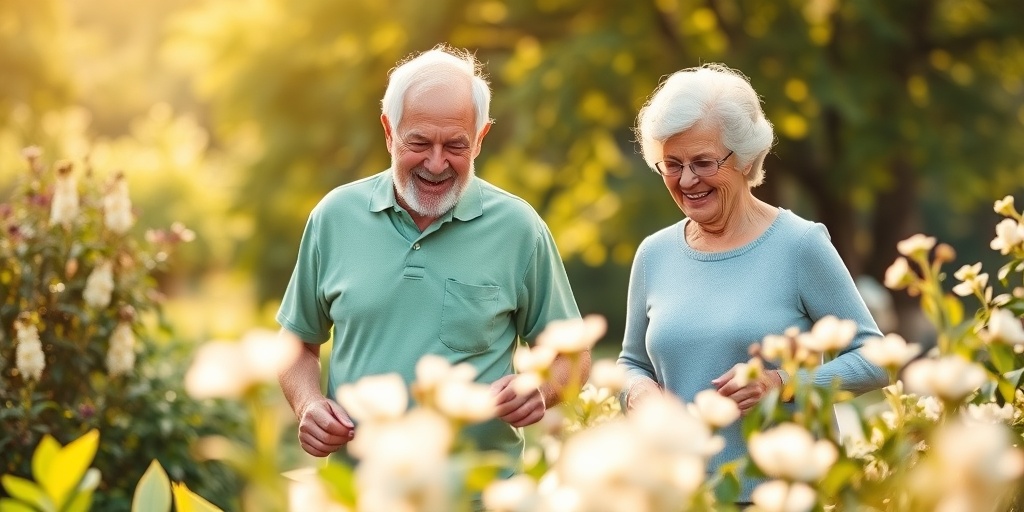
Aging is a natural process that affects not only our physical bodies but also our mental health. As we grow older, we may encounter various challenges that can impact our emotional well-being. Understanding the relationship between aging and mental health is crucial for promoting healthy aging and ensuring a fulfilling life in our later years.
The Impact of Aging on Mental Health
As individuals age, they may experience a range of mental health issues, including:
- Depression: Older adults may face feelings of sadness or hopelessness due to factors such as loss of loved ones, chronic illness, or social isolation.
- Anxiety: Concerns about health, finances, and the future can lead to increased anxiety levels among the aging population.
- Cognitive Decline: Conditions like dementia and Alzheimer’s disease can significantly affect memory and cognitive function, impacting daily life.
It’s essential to recognize that these issues are not a normal part of aging. Instead, they are often treatable conditions that require attention and care.
Promoting Mental Well-Being in Older Adults
To foster better mental health among the aging population, consider the following strategies:
- Stay Active: Regular physical activity can boost mood and reduce symptoms of depression and anxiety. Aim for at least 150 minutes of moderate exercise each week.
- Social Engagement: Maintaining social connections is vital. Encourage participation in community activities, clubs, or volunteer work to combat loneliness.
- Healthy Diet: A balanced diet rich in fruits, vegetables, whole grains, and lean proteins can support both physical and mental health.
- Mindfulness and Relaxation: Practices such as meditation, yoga, or deep-breathing exercises can help reduce stress and improve overall mental well-being.
By implementing these strategies, older adults can enhance their mental health and enjoy a more fulfilling life.
Future of Aging Research
The field of aging research is rapidly evolving, with scientists and researchers dedicated to understanding the complexities of the aging process. As the global population ages, the need for innovative solutions to improve the quality of life for older adults becomes increasingly important.
Current Trends in Aging Research
Several exciting trends are shaping the future of aging research:
- Genetics and Aging: Researchers are exploring the role of genetics in aging, aiming to identify genes that influence longevity and age-related diseases.
- Anti-Aging Therapies: The development of anti-aging products, such as anti-aging creams and serums, is on the rise. Ingredients like retinol are being studied for their effectiveness in promoting youthful skin.
- Technology and Aging: Advances in technology, including telehealth and wearable devices, are transforming how we monitor and manage health in older adults.
- Holistic Approaches: There is a growing emphasis on holistic approaches to aging, focusing on the interplay between physical, mental, and social health.
The Role of Policy and Community in Aging Research
As research progresses, it is essential to consider the role of policy and community support in enhancing the lives of older adults. Initiatives that promote:
- Access to Healthcare: Ensuring that older adults have access to quality healthcare services is crucial for managing age-related conditions.
- Supportive Environments: Creating age-friendly communities that encourage social interaction and physical activity can significantly impact the well-being of the aging population.
- Education and Awareness: Raising awareness about the challenges of aging and the importance of mental health can help reduce stigma and promote understanding.
In conclusion, the future of aging research holds great promise for improving the lives of older adults. By focusing on innovative solutions and fostering supportive environments, we can pave the way for a healthier, happier aging population. 🌟

Frequently Asked Questions about Aging
What is the definition of aging?
Aging refers to the gradual process of becoming older, characterized by a decline in physical and mental capabilities. It encompasses various biological, psychological, and social changes that occur over time.
What are some common signs of aging?
- Wrinkles and fine lines: These are often the first visible signs of aging skin.
- Loss of elasticity: Skin may become less firm and sag over time.
- Age spots: These are flat, brown spots that appear on sun-exposed areas of the skin.
- Thinning hair: Many people experience hair loss or thinning as they age.
How can I promote healthy aging?
To promote healthy aging, consider the following tips:
- Maintain a balanced diet: Focus on nutrient-rich foods that support overall health.
- Stay active: Regular physical activity can improve strength, flexibility, and cardiovascular health.
- Stay hydrated: Drinking enough water is essential for skin health and overall well-being.
- Use anti-aging skincare products: Incorporate products like retinol and anti-aging creams into your routine.
What are the benefits of using anti-aging products?
Using anti-aging products can help:
- Reduce the appearance of wrinkles and fine lines.
- Improve skin texture and tone.
- Enhance hydration and elasticity.
- Protect against environmental damage.
What is the best anti-aging cream?
The best anti-aging cream varies depending on individual skin types and concerns. Look for products containing effective ingredients such as:
- Retinol: Known for its ability to promote cell turnover and reduce wrinkles.
- Hyaluronic acid: Excellent for hydration and plumping the skin.
- Peptides: Help to stimulate collagen production.
How does the aging population affect society?
The aging population presents various challenges and opportunities for society, including:
- Increased demand for healthcare services.
- Need for age-friendly infrastructure and policies.
- Potential for a shift in workforce demographics.
What does “aging like fine wine” mean?
The phrase “aging like fine wine” suggests that some individuals or things improve with age, becoming more valuable or desirable over time. This concept can apply to both people and products, highlighting the positive aspects of aging.
Can aging be reversed?
While aging is a natural process that cannot be completely reversed, certain lifestyle choices and anti-aging products can help mitigate its effects and promote a more youthful appearance.
What is the impact of aging cells?
Aging cells can lead to a decline in tissue function and contribute to various age-related diseases. Understanding the mechanisms behind aging cells is crucial for developing interventions that promote longevity and health.