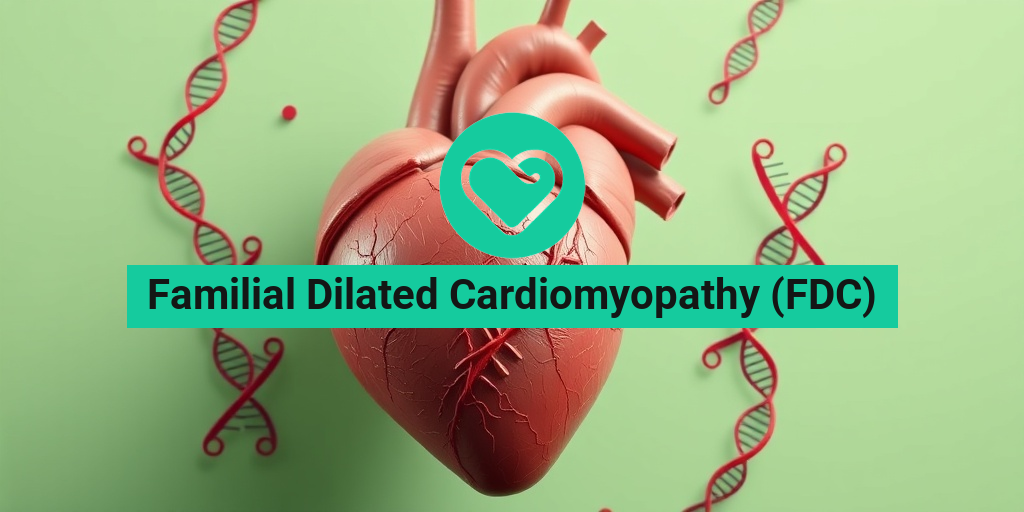
What Is Familial Dilated Cardiomyopathy?
Familial Dilated Cardiomyopathy (FDC) is a genetic heart condition that primarily affects the heart muscle, leading to its enlargement and impaired function. This condition is a type of dilated cardiomyopathy, which means that the heart’s chambers become dilated, making it difficult for the heart to pump blood effectively. FDC is inherited, meaning it can run in families, and it is often caused by mutations in specific genes that are crucial for heart muscle function.
Understanding the Genetics of FDC
The genetic basis of FDC is complex, with several genes implicated in its development. These genes are responsible for producing proteins that are essential for the structure and function of heart muscle cells. When mutations occur in these genes, it can lead to the weakening of the heart muscle, resulting in the symptoms associated with FDC.
Prevalence and Risk Factors
FDC is relatively rare, affecting approximately 1 in 2,500 individuals. However, it is important to note that the prevalence may be higher in certain populations. Family history plays a significant role in the risk of developing FDC. If a close relative, such as a parent or sibling, has been diagnosed with this condition, the likelihood of developing FDC increases.
FDC Symptoms
The symptoms of Familial Dilated Cardiomyopathy can vary widely among individuals, and some may not experience any symptoms until the condition has progressed. Common symptoms include:
- Shortness of Breath: Many individuals with FDC experience difficulty breathing, especially during physical activity or when lying down.
- Fatigue: A general feeling of tiredness or lack of energy is common, as the heart struggles to pump blood efficiently.
- Swelling: Fluid retention can lead to swelling in the legs, ankles, and abdomen.
- Palpitations: Some individuals may feel irregular heartbeats or a racing heart.
- Chest Pain: Although less common, some may experience chest discomfort or pain.
Recognizing Symptoms Early
Early recognition of symptoms is crucial for effective management of FDC. If you or a family member experience any of these symptoms, it is essential to consult a healthcare professional for a thorough evaluation. Early diagnosis can lead to better outcomes and management strategies.
When to Seek Medical Attention
If you notice any of the symptoms mentioned above, especially if they worsen or are accompanied by other concerning signs such as fainting or severe chest pain, seek medical attention immediately. Timely intervention can be life-saving and can help manage the condition more effectively.
For those with a family history of heart disease or FDC, regular check-ups and genetic counseling may be beneficial. Understanding your risk factors and being proactive about your heart health can make a significant difference.
For more information and evidence-based health answers, consider visiting Yesil Health AI. They provide valuable resources that can help you navigate your health concerns.
In conclusion, Familial Dilated Cardiomyopathy is a serious condition that requires awareness and understanding. By recognizing the symptoms and seeking timely medical advice, individuals can manage their heart health more effectively. Remember, your heart health is vital, and staying informed is the first step towards a healthier future! ❤️

FDC Causes and Risk Factors
Familial Dilated Cardiomyopathy (FDC) is a serious heart condition that primarily affects the heart muscle, leading to its enlargement and reduced ability to pump blood effectively. Understanding the causes and risk factors associated with FDC is crucial for early detection and management.
Genetic Factors
One of the most significant causes of FDC is its genetic basis. The condition is often inherited in an autosomal dominant pattern, meaning that only one copy of the mutated gene from an affected parent can lead to the disease in their offspring. Several genes have been implicated in FDC, including:
- TTN (Titin)
- LMNA (Lamin A/C)
- MYH7 (Beta-myosin heavy chain)
- MYBPC3 (Cardiac myosin-binding protein C)
These genetic mutations can disrupt the normal structure and function of heart muscle cells, leading to the characteristic symptoms of FDC. If you have a family history of heart disease, it’s essential to discuss this with your healthcare provider.
Environmental Factors
While genetics play a significant role, environmental factors can also contribute to the development of FDC. Some of these factors include:
- Viral Infections: Certain viral infections, such as myocarditis, can trigger inflammation in the heart muscle, potentially leading to dilated cardiomyopathy.
- Toxins: Exposure to certain toxins, including heavy metals and alcohol, can damage heart tissue and increase the risk of developing FDC.
- Medications: Some medications, particularly chemotherapy drugs, have been linked to heart damage and may increase the risk of cardiomyopathy.
Other Risk Factors
In addition to genetic and environmental causes, several other risk factors can increase the likelihood of developing FDC:
- Age: FDC can occur at any age, but it is often diagnosed in adults between the ages of 20 and 60.
- Gender: Men are more likely to develop FDC than women.
- Family History: A family history of cardiomyopathy or sudden cardiac death can significantly increase your risk.
Recognizing these causes and risk factors is vital for individuals and families affected by FDC. Early diagnosis and intervention can lead to better management of the condition and improved outcomes. 🫀
FDC Genetic Testing
Genetic testing plays a crucial role in the diagnosis and management of Familial Dilated Cardiomyopathy (FDC). It helps identify specific genetic mutations associated with the condition, providing valuable information for patients and their families.
What is Genetic Testing?
Genetic testing involves analyzing an individual’s DNA to identify mutations that may cause or contribute to a disease. In the context of FDC, testing can confirm a diagnosis, assess the risk of developing the condition, and guide treatment options.
Who Should Consider Genetic Testing?
Genetic testing for FDC is particularly recommended for:
- Individuals with a Family History: If you have a family member diagnosed with FDC or other forms of cardiomyopathy, testing can help determine your risk.
- Patients with Symptoms: If you exhibit symptoms such as unexplained heart failure, arrhythmias, or a family history of sudden cardiac death, genetic testing may be beneficial.
- Family Members of Affected Individuals: Testing can help identify asymptomatic family members who may carry the genetic mutation.
Benefits of Genetic Testing
Undergoing genetic testing for FDC offers several advantages:
- Early Detection: Identifying genetic mutations can lead to earlier diagnosis and management of the condition.
- Informed Family Planning: Understanding your genetic risk can help in making informed decisions about family planning and screening for relatives.
- Targeted Treatment: Knowing the specific genetic mutation can guide treatment options and lifestyle modifications.
Limitations and Considerations
While genetic testing can provide valuable insights, it is essential to consider its limitations:
- Not All Mutations Identified: Genetic testing may not detect all mutations associated with FDC, leading to potential false negatives.
- Emotional Impact: Receiving genetic information can be emotionally challenging, and it’s crucial to have support during the process.
In conclusion, genetic testing is a powerful tool in understanding Familial Dilated Cardiomyopathy (FDC). It can provide clarity for patients and their families, helping them navigate the complexities of this condition. 🧬

Familial Dilated Cardiomyopathy (FDC) Diagnosis
Diagnosing Familial Dilated Cardiomyopathy (FDC) can be a complex process, as it often requires a combination of clinical evaluation, family history assessment, and advanced imaging techniques. Understanding the diagnostic steps can help patients and their families navigate this challenging journey.
Clinical Evaluation
The first step in diagnosing FDC typically involves a thorough clinical evaluation by a healthcare professional. This includes:
- Medical History: The doctor will inquire about symptoms such as shortness of breath, fatigue, and palpitations. A detailed family history is crucial, as FDC is hereditary.
- Physical Examination: A physical exam may reveal signs of heart failure, such as swelling in the legs or abnormal heart sounds.
Diagnostic Tests
Once the initial evaluation is complete, several diagnostic tests may be conducted to confirm the presence of FDC:
- Echocardiogram: This ultrasound test provides images of the heart’s structure and function, helping to identify any enlargement of the heart chambers.
- Electrocardiogram (ECG): An ECG records the electrical activity of the heart, which can reveal arrhythmias or other abnormalities.
- Cardiac MRI: This imaging technique offers detailed pictures of the heart muscle and can help assess the extent of any damage.
- Genetic Testing: If FDC is suspected, genetic testing can identify mutations associated with the condition, confirming the diagnosis and informing family members about their risk.
Importance of Early Diagnosis
Early diagnosis of Familial Dilated Cardiomyopathy is vital for effective management and treatment. Recognizing symptoms early can lead to timely interventions, potentially improving outcomes and quality of life for affected individuals. 🩺
FDC Treatment Options
Once diagnosed, managing Familial Dilated Cardiomyopathy (FDC) involves a multifaceted approach tailored to the individual’s specific needs. Treatment options may vary based on the severity of the condition and the presence of symptoms.
Medications
Medications play a crucial role in managing FDC. Commonly prescribed drugs include:
- ACE Inhibitors: These medications help relax blood vessels, reducing the heart’s workload.
- Beta-Blockers: They can help manage heart rate and reduce symptoms of heart failure.
- Diuretics: Often used to reduce fluid buildup in the body, alleviating symptoms like swelling and shortness of breath.
Lifestyle Modifications
In addition to medication, lifestyle changes are essential for managing FDC effectively. Consider the following:
- Heart-Healthy Diet: A balanced diet rich in fruits, vegetables, whole grains, and lean proteins can support heart health. 🥗
- Regular Exercise: Engaging in moderate physical activity, as advised by a healthcare provider, can improve cardiovascular fitness.
- Avoiding Alcohol and Smoking: These substances can exacerbate heart problems and should be avoided.
Advanced Treatment Options
For some patients, more advanced treatments may be necessary:
- Implantable Cardioverter-Defibrillator (ICD): This device monitors heart rhythms and can deliver shocks if dangerous arrhythmias occur.
- Cardiac Resynchronization Therapy (CRT): This therapy uses a special pacemaker to improve the heart’s efficiency.
- Heart Transplant: In severe cases, a heart transplant may be considered, especially if other treatments are ineffective.
Regular Monitoring
Ongoing monitoring is essential for individuals with FDC. Regular follow-ups with a cardiologist can help track the progression of the disease and adjust treatment plans as necessary. 📅
In conclusion, understanding the diagnosis and treatment options for Familial Dilated Cardiomyopathy is crucial for patients and their families. With the right approach, individuals can manage their condition effectively and lead fulfilling lives.

Familial Dilated Cardiomyopathy (FDC) Lifestyle Changes
Living with Familial Dilated Cardiomyopathy (FDC) can be challenging, but making certain lifestyle changes can significantly improve your quality of life and overall heart health. Here are some essential adjustments you can consider:
1. Heart-Healthy Diet
Nutrition plays a crucial role in managing FDC. A heart-healthy diet can help reduce symptoms and improve heart function. Consider the following dietary tips:
- Increase fruits and vegetables: Aim for a variety of colors to ensure a wide range of nutrients.
- Choose whole grains: Opt for brown rice, whole wheat bread, and oats instead of refined grains.
- Limit saturated fats: Reduce intake of red meat and full-fat dairy products.
- Reduce sodium: High salt intake can lead to fluid retention, which is detrimental for heart health.
- Stay hydrated: Drink plenty of water, but consult your doctor about fluid restrictions if necessary.
2. Regular Physical Activity
Exercise is vital for maintaining heart health, but it’s essential to tailor your activity level to your condition. Here are some tips:
- Consult your doctor: Before starting any exercise program, get a personalized plan from your healthcare provider.
- Focus on low-impact activities: Walking, swimming, and cycling are excellent options that are easier on the heart.
- Set realistic goals: Start slow and gradually increase the intensity and duration of your workouts.
3. Stress Management
Chronic stress can negatively impact heart health. Implementing stress-reducing techniques can be beneficial:
- Practice mindfulness: Techniques such as meditation and yoga can help calm the mind.
- Engage in hobbies: Spend time doing activities you enjoy to relieve stress.
- Connect with others: Building a support network can provide emotional relief and encouragement.
4. Avoiding Harmful Substances
To protect your heart, it’s crucial to avoid substances that can exacerbate your condition:
- Quit smoking: Smoking is a significant risk factor for heart disease.
- Limit alcohol consumption: Excessive drinking can worsen heart function.
- Avoid recreational drugs: Certain drugs can have severe effects on heart health.
5. Regular Medical Check-ups
Staying on top of your health is vital when managing FDC. Regular check-ups can help monitor your condition:
- Schedule routine appointments: Regular visits to your cardiologist can help track your heart health.
- Follow prescribed treatments: Adhere to medications and therapies as directed by your healthcare provider.
Familial Dilated Cardiomyopathy (FDC) Prognosis and Outlook
The prognosis for individuals with Familial Dilated Cardiomyopathy (FDC) can vary widely based on several factors, including the severity of the condition, age at diagnosis, and response to treatment. Understanding the outlook can help patients and families prepare for the future.
1. Factors Influencing Prognosis
Several key factors can influence the prognosis of FDC:
- Genetic mutations: The specific genetic mutation involved can affect the severity and progression of the disease.
- Age of onset: Early diagnosis often leads to better management and outcomes.
- Response to treatment: How well a patient responds to medications and lifestyle changes can significantly impact their prognosis.
2. Potential Complications
FDC can lead to various complications that may affect the overall outlook:
- Heart failure: This is a common complication that can arise as the disease progresses.
- Arrhythmias: Irregular heartbeats can occur, increasing the risk of sudden cardiac events.
- Cardiac arrest: In severe cases, FDC can lead to life-threatening situations.
3. Treatment Advances
Advancements in treatment options have improved the outlook for many individuals with FDC:
- Medications: New drugs are continually being developed to help manage symptoms and improve heart function.
- Device therapy: Implantable devices, such as defibrillators, can help prevent sudden cardiac death.
- Heart transplant: In severe cases, a heart transplant may be considered as a last resort.
4. Living with FDC
While FDC can be a serious condition, many individuals lead fulfilling lives with proper management. Support from healthcare providers, family, and support groups can make a significant difference. Regular monitoring and adherence to treatment plans are essential for maintaining a good quality of life. 🌟

Frequently Asked Questions about Familial Dilated Cardiomyopathy (FDC)
What is Familial Dilated Cardiomyopathy (FDC)?
Familial Dilated Cardiomyopathy (FDC) is a genetic condition that affects the heart muscle, leading to its enlargement and impaired function. This condition can be inherited and may result in heart failure or other serious complications.
What are the symptoms of FDC?
- Shortness of breath, especially during physical activity or when lying down.
- Fatigue and weakness.
- Swelling in the legs, ankles, or abdomen.
- Irregular heartbeats or palpitations.
- Dizziness or fainting spells.
How is FDC diagnosed?
Diagnosis of Familial Dilated Cardiomyopathy (FDC) typically involves a combination of the following:
- Medical history and physical examination.
- Electrocardiogram (ECG) to assess heart rhythm.
- Echocardiogram to visualize heart structure and function.
- Genetic testing to identify specific mutations associated with the condition.
What are the treatment options for FDC?
Treatment for Familial Dilated Cardiomyopathy (FDC) may include:
- Medications to manage symptoms and improve heart function.
- Lifestyle changes, such as diet and exercise modifications.
- Implantable devices, like pacemakers or defibrillators, for severe cases.
- Heart transplant in advanced stages of the disease.
Can FDC be prevented?
While Familial Dilated Cardiomyopathy (FDC) cannot be prevented due to its genetic nature, early diagnosis and management can help mitigate symptoms and improve quality of life. Regular check-ups and genetic counseling are recommended for those with a family history of the condition.
Is FDC hereditary?
Yes, Familial Dilated Cardiomyopathy (FDC) is often hereditary. It can be passed down through generations, and individuals with a family history of heart disease should consider genetic testing and counseling.
What lifestyle changes can help manage FDC?
To manage Familial Dilated Cardiomyopathy (FDC), consider the following lifestyle changes:
- Adopting a heart-healthy diet rich in fruits, vegetables, and whole grains.
- Engaging in regular physical activity, as advised by a healthcare provider.
- Avoiding tobacco and limiting alcohol consumption.
- Managing stress through relaxation techniques or therapy.
Where can I find support for FDC?
Support for individuals with Familial Dilated Cardiomyopathy (FDC) can be found through various organizations and support groups. Online forums, local heart health organizations, and genetic counseling services can provide valuable resources and community support. ❤️