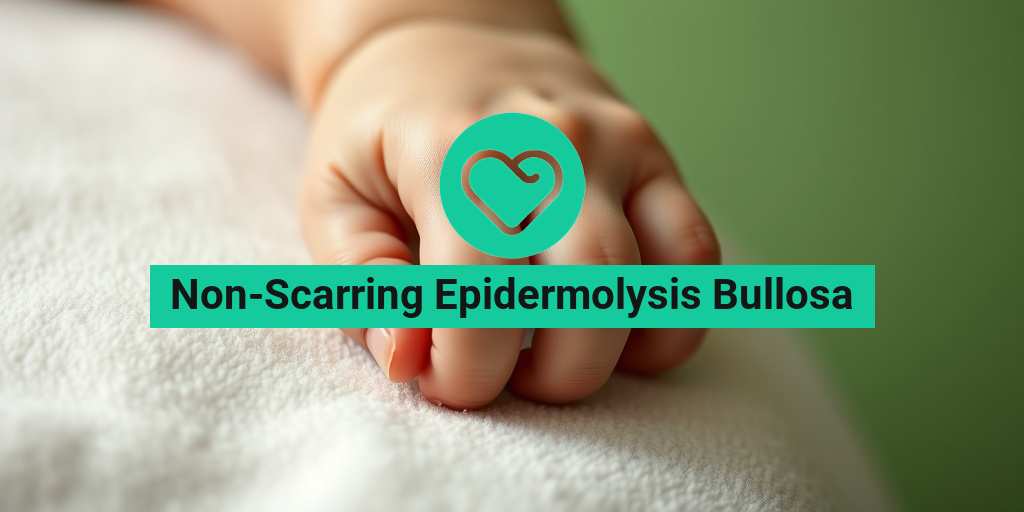
What Is Non-Scarring Epidermolysis Bullosa?
Non-Scarring Epidermolysis Bullosa (NSEB) is a rare genetic skin disorder characterized by fragile skin that blisters easily. Unlike other forms of epidermolysis bullosa, NSEB does not lead to scarring, which can significantly impact the quality of life for those affected. This condition is primarily caused by mutations in genes responsible for the structural integrity of the skin, particularly those involved in the formation of the epidermis, the outermost layer of skin.
Individuals with NSEB often experience blistering in response to minor trauma, friction, or even spontaneously without any apparent cause. The blisters can occur on various parts of the body, including the hands, feet, and other areas prone to friction. While the condition is not life-threatening, it can lead to discomfort and complications such as infections if the blisters are not managed properly.
Types of Non-Scarring Epidermolysis Bullosa
NSEB is categorized into several types based on the specific genetic mutations involved. The most common types include:
- Simplex Type: This type is characterized by blisters that form within the epidermis, usually in response to trauma.
- Junctional Type: Blisters occur at the junction between the epidermis and dermis, often leading to more severe symptoms.
- Dystrophic Type: Although primarily associated with scarring, some cases may present with non-scarring features.
Understanding the specific type of NSEB is crucial for effective management and treatment options. Genetic testing can help identify the exact mutation and guide healthcare providers in developing a tailored care plan.
Symptoms of Non-Scarring Epidermolysis Bullosa
The symptoms of Non-Scarring Epidermolysis Bullosa can vary widely among individuals, but they generally include:
1. Blister Formation
The hallmark symptom of NSEB is the formation of blisters. These blisters can appear on any part of the body, particularly areas that experience friction, such as:
- Hands
- Feet
- Elbows
- Knees
Blisters may be filled with clear fluid and can be painful, especially if they rupture. Unlike other forms of epidermolysis bullosa, the skin typically heals without scarring.
2. Skin Fragility
Individuals with NSEB often have skin that is exceptionally fragile. This fragility means that even minor bumps or scrapes can lead to blistering. As a result, individuals may need to take extra precautions to protect their skin during daily activities.
3. Itching and Discomfort
Many people with NSEB report experiencing itching and discomfort in areas where blisters have formed. This can lead to a cycle of scratching, which may exacerbate the condition and lead to further blistering.
4. Risk of Infections
Open blisters can become infected if not properly cared for. It is essential for individuals with NSEB to maintain good hygiene and seek medical attention if they notice signs of infection, such as increased redness, swelling, or pus.
5. Emotional and Psychological Impact
The visible nature of the condition can also lead to emotional and psychological challenges. Individuals may experience anxiety or low self-esteem due to their skin’s appearance. Support from healthcare providers, family, and support groups can be invaluable in addressing these concerns.
For those seeking more information about managing Non-Scarring Epidermolysis Bullosa, resources like Yesil Health AI can provide evidence-based health answers and support.
In conclusion, while Non-Scarring Epidermolysis Bullosa presents unique challenges, understanding the condition and its symptoms can empower individuals and their families to seek appropriate care and support. With the right management strategies, those affected can lead fulfilling lives despite the limitations imposed by this condition. 🌟

Causes and Risk Factors
Non-Scarring Epidermolysis Bullosa (NSEB) is a rare genetic condition that primarily affects the skin and mucous membranes. Understanding the causes and risk factors associated with this condition is crucial for early diagnosis and management.
Genetic Mutations
The primary cause of Non-Scarring Epidermolysis Bullosa is genetic mutations. These mutations affect the proteins that help anchor the layers of the skin together. The most common genes involved include:
- COL7A1: This gene is responsible for producing type VII collagen, which is essential for skin integrity.
- KRT14: Mutations in this gene can lead to defects in keratin, a key structural protein in the skin.
- KRT5: Similar to KRT14, mutations here can also compromise skin structure.
These genetic mutations are typically inherited in an autosomal dominant or autosomal recessive manner, meaning that a child can inherit the condition from one or both parents. In some cases, the mutations can occur spontaneously, without a family history of the disease.
Environmental Factors
While genetic factors play a significant role, certain environmental factors can exacerbate the symptoms of Non-Scarring Epidermolysis Bullosa. These include:
- Friction: Activities that cause friction on the skin, such as vigorous exercise or wearing tight clothing, can lead to blisters.
- Temperature: Extreme temperatures can affect skin sensitivity and lead to increased blistering.
- Infections: Skin infections can worsen the condition and lead to complications.
Demographics and Risk Factors
Non-Scarring Epidermolysis Bullosa can affect individuals of any age, but it is often diagnosed in infancy or early childhood. Some risk factors include:
- Family History: A family history of epidermolysis bullosa increases the likelihood of developing the condition.
- Ethnicity: Certain ethnic groups may have a higher prevalence of specific genetic mutations associated with NSEB.
Understanding these causes and risk factors can help in recognizing the symptoms early and seeking appropriate medical advice. Early intervention is key to managing the condition effectively.
Diagnosis of Non-Scarring Epidermolysis Bullosa
Diagnosing Non-Scarring Epidermolysis Bullosa involves a combination of clinical evaluation and laboratory tests. Early and accurate diagnosis is essential for effective management and treatment.
Clinical Evaluation
The first step in diagnosing NSEB is a thorough clinical evaluation by a healthcare professional. This typically includes:
- Medical History: The doctor will ask about the patient’s symptoms, family history, and any previous skin conditions.
- Physical Examination: A detailed examination of the skin will be conducted to identify the presence of blisters, erosions, or other abnormalities.
Skin Biopsy
A skin biopsy is often performed to confirm the diagnosis. During this procedure, a small sample of skin is taken and examined under a microscope. The biopsy can help determine:
- Layer of Skin Affected: This helps differentiate between various types of epidermolysis bullosa.
- Presence of Genetic Mutations: Advanced genetic testing can identify specific mutations associated with NSEB.
Genetic Testing
Genetic testing is a crucial component of the diagnostic process. It can provide definitive information about the specific mutations present in the patient. This information is vital for:
- Understanding the Severity: Different mutations can lead to varying degrees of severity in symptoms.
- Family Planning: Genetic counseling can help families understand the risks of passing the condition to future generations.
In conclusion, the diagnosis of Non-Scarring Epidermolysis Bullosa is a multi-faceted process that requires careful evaluation and testing. Early diagnosis can significantly improve the quality of life for those affected by this condition. 🩺
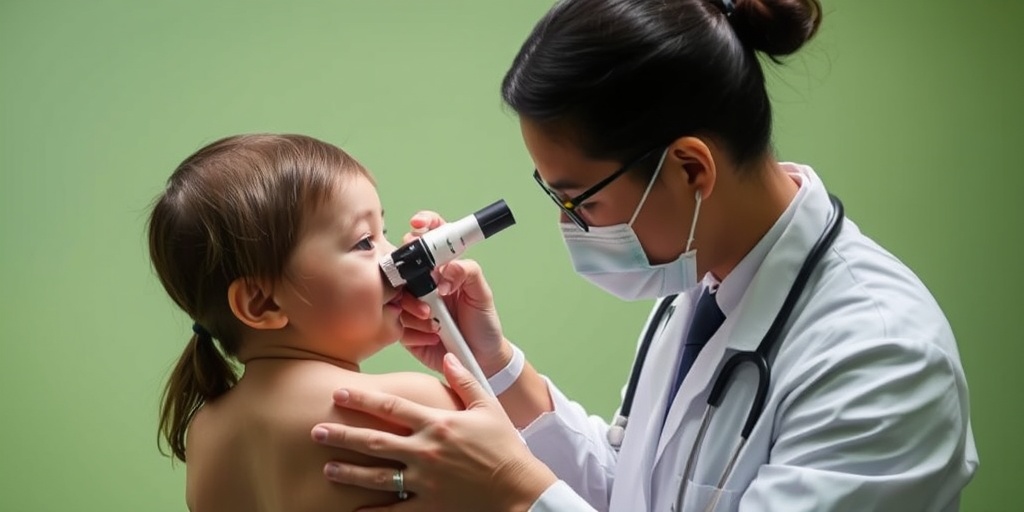
Treatment Options Available
Non-Scarring Epidermolysis Bullosa (NSEB) is a rare genetic skin disorder characterized by fragile skin that blisters easily. While there is currently no cure for this condition, various treatment options can help manage symptoms and improve the quality of life for those affected. Here, we explore some of the most effective treatment strategies available.
1. Wound Care Management
Proper wound care is crucial for individuals with NSEB. This involves:
- Cleaning the affected areas: Use gentle, non-irritating cleansers to avoid further damage to the skin.
- Applying dressings: Specialized dressings can protect blisters and promote healing. Hydrocolloid and silicone dressings are often recommended.
- Monitoring for infections: Keeping an eye on any signs of infection is vital, as individuals with NSEB are more susceptible to skin infections.
2. Pain Management
Pain is a common symptom associated with NSEB. Effective pain management strategies include:
- Over-the-counter pain relievers: Medications like ibuprofen or acetaminophen can help alleviate discomfort.
- Topical analgesics: Creams or gels containing lidocaine may provide localized relief.
- Prescription medications: In severe cases, healthcare providers may prescribe stronger pain medications.
3. Nutritional Support
Maintaining a balanced diet is essential for individuals with NSEB, as the body requires extra nutrients to heal. Consider the following:
- High-calorie foods: Due to the energy expenditure from healing, incorporating calorie-dense foods can be beneficial.
- Hydration: Staying well-hydrated is crucial, especially if blisters affect the mouth or throat.
- Consulting a dietitian: A healthcare professional can help create a tailored nutrition plan that meets individual needs.
4. Physical Therapy
Physical therapy can play a significant role in maintaining mobility and preventing contractures (tightening of the skin). Techniques may include:
- Stretching exercises: Regular stretching can help maintain flexibility in the skin and underlying tissues.
- Strength training: Building strength can support overall mobility and reduce the risk of injury.
5. Psychological Support
Living with a chronic condition like NSEB can take a toll on mental health. Psychological support options include:
- Counseling: Speaking with a mental health professional can help individuals cope with the emotional challenges of living with NSEB.
- Support groups: Connecting with others who have similar experiences can provide comfort and understanding.
Living with Non-Scarring Epidermolysis Bullosa
Living with Non-Scarring Epidermolysis Bullosa can be challenging, but with the right strategies and support, individuals can lead fulfilling lives. Here are some key aspects to consider:
1. Daily Skin Care Routine
Establishing a daily skin care routine is essential for managing NSEB. This includes:
- Gentle cleansing: Use mild, fragrance-free products to avoid irritation.
- Moisturizing: Regularly applying emollients can help keep the skin hydrated and reduce friction.
2. Lifestyle Adjustments
Making certain lifestyle adjustments can significantly improve comfort and reduce the risk of skin damage:
- Choosing appropriate clothing: Opt for loose-fitting, breathable fabrics to minimize friction on the skin.
- Avoiding extreme temperatures: Protecting the skin from excessive heat or cold can help prevent blisters.
3. Education and Awareness
Educating oneself and others about NSEB is vital. This can involve:
- Informing family and friends: Helping loved ones understand the condition can foster a supportive environment.
- Advocating for oneself: Being proactive in healthcare settings ensures that individual needs are met.
4. Building a Support Network
Having a strong support network can make a significant difference in coping with NSEB:
- Connecting with healthcare providers: Regular check-ups with dermatologists and other specialists are essential.
- Joining support groups: Engaging with communities, either online or in-person, can provide emotional support and practical advice.
Living with Non-Scarring Epidermolysis Bullosa requires a comprehensive approach that combines medical treatment, self-care, and emotional support. By understanding the condition and implementing effective strategies, individuals can navigate the challenges of NSEB with resilience and hope. 🌟

Complications and Outlook
Non-Scarring Epidermolysis Bullosa (NSEB) is a rare genetic skin disorder characterized by fragile skin that blisters easily. While the condition itself is non-scarring, it can lead to various complications that significantly impact the quality of life for those affected. Understanding these complications and the overall outlook for patients is crucial for managing the condition effectively.
Common Complications of Non-Scarring Epidermolysis Bullosa
Individuals with NSEB may experience a range of complications, including:
- Infections: Due to the fragile nature of the skin, patients are at a higher risk of developing infections from blisters and open wounds. These infections can lead to more severe health issues if not treated promptly.
- Chronic Pain: The constant formation of blisters can cause chronic pain and discomfort, affecting daily activities and overall well-being.
- Nutritional Deficiencies: Blisters in the mouth and esophagus can make eating difficult, leading to potential nutritional deficiencies and weight loss.
- Psychosocial Impact: The visible nature of the condition can lead to emotional and psychological challenges, including anxiety and depression, particularly in children and adolescents.
Long-Term Outlook for Patients
The long-term outlook for individuals with Non-Scarring Epidermolysis Bullosa varies widely based on the severity of the condition and the effectiveness of management strategies. While NSEB is not life-threatening, it can lead to significant challenges. Here are some key points regarding the outlook:
- Quality of Life: With appropriate care and management, many individuals can lead fulfilling lives. Regular follow-ups with healthcare providers can help manage symptoms and prevent complications.
- Advancements in Treatment: Ongoing research is focused on improving treatments for NSEB, including gene therapy and advanced wound care techniques, which may enhance the quality of life for patients.
- Support Systems: Building a strong support network, including family, friends, and healthcare professionals, can significantly improve emotional well-being and coping strategies.
Support and Resources for Patients
Living with Non-Scarring Epidermolysis Bullosa can be challenging, but numerous resources and support systems are available to help patients and their families navigate this condition. Here are some valuable options:
Healthcare Providers and Specialists
Establishing a relationship with healthcare providers who specialize in dermatology and genetic disorders is essential. These professionals can offer tailored treatment plans, regular check-ups, and advice on managing symptoms effectively. Consider seeking out:
- Dermatologists: Specialists in skin conditions can provide expert care and treatment options.
- Nutritionists: They can help create meal plans that accommodate dietary restrictions and ensure adequate nutrition.
- Psychologists: Mental health professionals can assist in addressing the emotional challenges associated with living with NSEB.
Support Groups and Communities
Connecting with others who understand the challenges of NSEB can be incredibly beneficial. Support groups provide a platform for sharing experiences, advice, and emotional support. Here are some options:
- Online Forums: Websites and social media groups dedicated to epidermolysis bullosa can connect patients and families worldwide.
- Local Support Groups: Many communities have local organizations that offer in-person meetings and resources.
- National Organizations: Groups like the Epidermolysis Bullosa Medical Research Foundation and the DebRA (Dystrophic Epidermolysis Bullosa Research Association) provide valuable information and support.
Educational Resources
Staying informed about Non-Scarring Epidermolysis Bullosa is vital for effective management. Numerous educational resources are available:
- Books and Articles: Look for literature that covers the latest research and management strategies for NSEB.
- Webinars and Workshops: Many organizations offer educational sessions that cover various aspects of living with NSEB.
- Healthcare Websites: Reputable health websites provide up-to-date information on treatments, research, and coping strategies.
In conclusion, while Non-Scarring Epidermolysis Bullosa presents unique challenges, understanding the complications and accessing available support can empower patients and their families to manage the condition effectively. With the right resources and a strong support network, individuals with NSEB can lead fulfilling lives. 🌟

Frequently Asked Questions about Non-Scarring Epidermolysis Bullosa
What is Non-Scarring Epidermolysis Bullosa?
Non-Scarring Epidermolysis Bullosa is a rare genetic skin disorder characterized by fragile skin that blisters easily. Unlike other forms of epidermolysis bullosa, this condition does not lead to scarring, allowing for better management of the skin’s integrity over time.
What causes Non-Scarring Epidermolysis Bullosa?
This condition is primarily caused by mutations in specific genes responsible for skin integrity. These genetic changes affect the proteins that help anchor the layers of skin together, leading to increased susceptibility to blistering.
How is Non-Scarring Epidermolysis Bullosa diagnosed?
Diagnosis typically involves a combination of clinical examination and genetic testing. Dermatologists may perform a skin biopsy to assess the structure of the skin and identify any genetic mutations associated with the condition.
What are the symptoms of Non-Scarring Epidermolysis Bullosa?
- Blister formation on the skin, especially in areas prone to friction
- Redness and irritation around blisters
- Potential for secondary infections due to skin breakdown
- Minimal to no scarring after healing
How can Non-Scarring Epidermolysis Bullosa be managed?
Management focuses on protecting the skin and preventing blister formation. This may include:
- Using protective dressings
- Avoiding friction and trauma to the skin
- Maintaining proper hygiene to prevent infections
- Regular follow-ups with healthcare providers
Is there a cure for Non-Scarring Epidermolysis Bullosa?
Currently, there is no cure for Non-Scarring Epidermolysis Bullosa. However, ongoing research is exploring potential treatments and therapies that may improve the quality of life for those affected by this condition.
Can Non-Scarring Epidermolysis Bullosa affect daily life?
Yes, individuals with this condition may face challenges in daily activities due to skin fragility. However, with proper care and management strategies, many people lead fulfilling lives. Support from family and healthcare providers can significantly enhance their quality of life. 🌟
Where can I find more information about Non-Scarring Epidermolysis Bullosa?
For more information, consider visiting reputable health websites, joining support groups, or consulting with dermatologists who specialize in genetic skin disorders. These resources can provide valuable insights and community support. 🌐