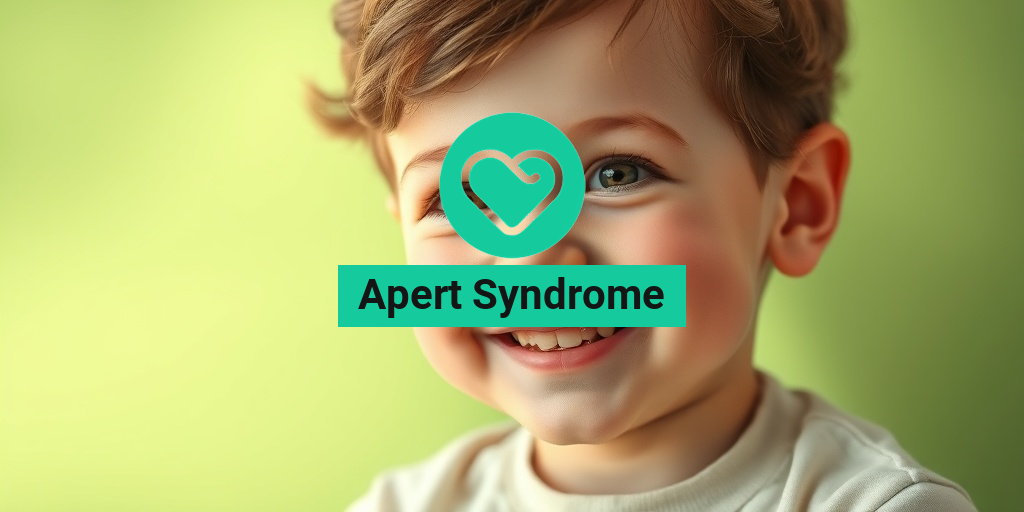
What Is Apert Syndrome?
Apert Syndrome is a rare genetic disorder that falls under the category of craniosynostosis syndromes. It is characterized by the premature fusion of certain skull bones, which can lead to a variety of physical abnormalities. This condition is named after the French surgeon Édouard Apert, who first described it in the early 20th century. Individuals with Apert Syndrome often exhibit distinctive facial features, as well as potential complications affecting the hands and feet.
Understanding the Genetic Basis
Apert Syndrome is primarily caused by mutations in the FGFR2 or FGFR1 genes. These genes are responsible for the development and maintenance of bone and tissue. The mutations lead to abnormal growth patterns, resulting in the characteristic features of the syndrome. It is typically inherited in an autosomal dominant manner, meaning that only one copy of the mutated gene from an affected parent can cause the condition in their child.
Prevalence and Diagnosis
This syndrome is quite rare, occurring in approximately 1 in 65,000 births. Diagnosis is often made through a combination of physical examination and imaging studies, such as X-rays or CT scans, which can reveal the fusion of skull bones. Genetic testing may also be conducted to confirm the diagnosis and identify the specific mutation involved.
Apert Syndrome Symptoms
The symptoms of Apert Syndrome can vary widely among individuals, but they generally include a combination of craniofacial abnormalities and limb malformations. Understanding these symptoms is crucial for early diagnosis and intervention.
Craniofacial Features
- Flat forehead: A prominent feature due to the fusion of skull bones.
- Wide-set eyes: Known as hypertelorism, this can lead to vision problems.
- Beaked nose: A distinctive nasal shape that can affect breathing.
- Underdeveloped upper jaw: This can lead to dental issues and misalignment of teeth.
- Low-set ears: Often smaller and positioned lower on the head.
Limb Abnormalities
In addition to craniofacial features, individuals with Apert Syndrome may also experience limb malformations, which can include:
- Fusion of fingers and toes: Known as syndactyly, this can range from partial to complete fusion.
- Shortened fingers and toes: This can affect hand and foot function.
- Clubfoot: A condition where the foot is twisted out of shape or position.
Potential Complications
While the physical features of Apert Syndrome are often the most noticeable, there can be other complications that arise, including:
- Hearing loss: Due to structural abnormalities in the ear.
- Vision problems: Such as strabismus or amblyopia.
- Developmental delays: Some children may experience delays in speech and motor skills.
Management and Treatment
Management of Apert Syndrome typically involves a multidisciplinary approach. Treatment may include:
- Surgeries: To correct skull shape and facial features, as well as to separate fused fingers and toes.
- Therapies: Such as physical therapy, occupational therapy, and speech therapy to address developmental delays.
- Regular monitoring: To manage any associated health issues, including hearing and vision assessments.
For families navigating the complexities of Apert Syndrome, resources like Yesil Health AI can provide valuable, evidence-based health answers and support.
In conclusion, while Apert Syndrome presents unique challenges, early diagnosis and a comprehensive treatment plan can significantly improve the quality of life for affected individuals. If you suspect that you or someone you know may have this condition, it is essential to consult with a healthcare professional for proper evaluation and management. 🌟

Apert Syndrome Causes
Apert Syndrome is a rare genetic disorder characterized by the fusion of certain skull bones, leading to a variety of physical and developmental challenges. Understanding the causes of Apert Syndrome is crucial for parents, caregivers, and healthcare professionals. Let’s delve into the primary factors that contribute to this condition.
Genetic Mutations
The primary cause of Apert Syndrome is a mutation in the FGFR2 or FGFR1 genes. These genes are responsible for producing proteins that play a vital role in the development and maintenance of bone and tissue. When mutations occur, they can disrupt normal growth patterns, leading to the characteristic features of Apert Syndrome.
Inheritance Patterns
Apert Syndrome is typically inherited in an autosomal dominant manner. This means that only one copy of the mutated gene from an affected parent can cause the syndrome in their child. However, in some cases, the mutation can occur spontaneously, meaning it arises without a family history of the condition. This spontaneous mutation is often referred to as a de novo mutation.
Environmental Factors
While genetic factors are the primary cause of Apert Syndrome, researchers are also exploring the potential influence of environmental factors. Although no specific environmental triggers have been definitively linked to the condition, factors such as maternal health, exposure to certain medications, or toxins during pregnancy may play a role in the development of genetic mutations.
Understanding the Risk
Parents who have a child with Apert Syndrome may wonder about the risk of having another child with the condition. The risk is generally higher if one parent is affected. Genetic counseling can provide valuable insights and help families understand their specific risks and options.
Apert Syndrome Diagnosis
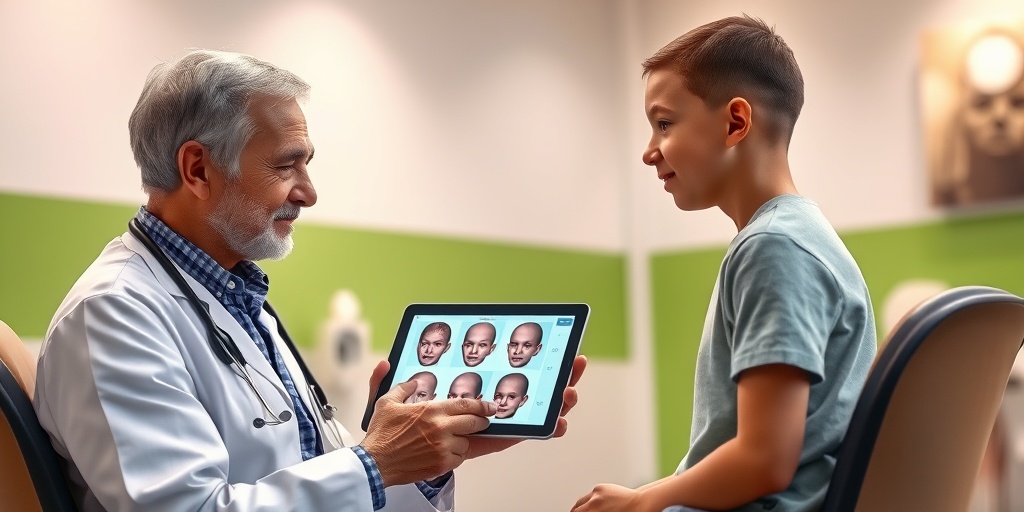
Diagnosing Apert Syndrome involves a combination of clinical evaluation, imaging studies, and genetic testing. Early diagnosis is essential for managing the condition effectively and providing appropriate care. Here’s how the diagnosis process typically unfolds.
Clinical Evaluation
The first step in diagnosing Apert Syndrome usually involves a thorough clinical evaluation by a healthcare professional. During this evaluation, the doctor will look for characteristic features of the syndrome, which may include:
- Skull shape abnormalities: A prominent forehead and a flat back of the head.
- Facial features: Wide-set eyes, a beaked nose, and a small jaw.
- Hand and foot anomalies: Fusion of fingers and toes (syndactyly).
Imaging Studies
Imaging studies, such as X-rays or CT scans, are often used to assess the structure of the skull and other bones. These imaging techniques can help identify the fusion of skull bones and any other skeletal abnormalities associated with Apert Syndrome. Radiologists may also look for specific patterns that are indicative of the condition.
Genetic Testing
To confirm a diagnosis of Apert Syndrome, genetic testing can be performed to identify mutations in the FGFR2 or FGFR1 genes. This testing is particularly useful in cases where the clinical features are not entirely clear or when there is a family history of the condition. Genetic counseling is often recommended to help families understand the implications of the test results.
Multidisciplinary Approach
Diagnosing and managing Apert Syndrome often requires a multidisciplinary approach. This may involve a team of specialists, including:
- Pediatricians
- Geneticists
- Surgeons
- Speech and occupational therapists
By working together, these professionals can develop a comprehensive care plan tailored to the individual needs of the patient, addressing both physical and developmental challenges.
In conclusion, understanding the causes and diagnosis of Apert Syndrome is vital for effective management and support. Early intervention can significantly improve outcomes for individuals affected by this condition. 🌟
Apert Syndrome Treatment Options
Apert Syndrome is a rare genetic disorder characterized by the fusion of certain skull bones, leading to a variety of physical and developmental challenges. While there is no cure for Apert Syndrome, several treatment options can help manage its symptoms and improve the quality of life for those affected. Understanding these options is crucial for parents and caregivers of children with Apert Syndrome, as well as adults living with the condition.
1. Surgical Interventions
Surgery is often the cornerstone of treatment for Apert Syndrome. The primary goal of surgical intervention is to correct craniosynostosis (the premature fusion of skull bones) and to address associated facial deformities. Common surgical procedures include:
- Cranial Vault Remodeling: This surgery reshapes the skull to allow for normal brain growth and to improve the appearance of the head.
- Facial Reconstruction: Surgeons may perform procedures to correct facial asymmetry and improve the alignment of facial features.
- Orthognathic Surgery: This surgery addresses jaw alignment issues, which can affect chewing and speaking.
These surgeries are typically performed in early childhood, as early intervention can lead to better outcomes. However, some adults with Apert Syndrome may also require surgical procedures to address ongoing issues.
2. Dental and Orthodontic Care
Individuals with Apert Syndrome often experience dental issues due to the shape of their jaws and the alignment of their teeth. Regular dental check-ups and orthodontic treatment are essential to manage these challenges. Orthodontic interventions may include braces or other devices to correct bite issues and improve oral health.
3. Speech and Language Therapy
Many children with Apert Syndrome may have speech delays or difficulties due to structural abnormalities in the mouth and throat. Speech and language therapy can help improve communication skills and ensure that children can express themselves effectively. Early intervention is key, as it can significantly enhance a child’s ability to communicate.
4. Occupational and Physical Therapy
Occupational and physical therapy can play a vital role in helping individuals with Apert Syndrome develop essential life skills. These therapies focus on:
- Fine Motor Skills: Helping children improve their hand-eye coordination and dexterity.
- Gross Motor Skills: Assisting with balance, coordination, and overall physical development.
Therapists work closely with families to create personalized plans that cater to the unique needs of each individual.
Apert Syndrome Management
Managing Apert Syndrome involves a comprehensive approach that addresses the various challenges associated with the condition. This management plan typically includes medical, therapeutic, and educational support.
1. Regular Medical Check-ups
Individuals with Apert Syndrome should have regular check-ups with a team of healthcare professionals, including:
- Pediatricians: To monitor overall health and development.
- Geneticists: To provide insights into the genetic aspects of the condition.
- Specialists: Such as neurologists, orthopedists, and speech therapists, depending on the individual’s needs.
These check-ups are crucial for early detection of any complications and for adjusting treatment plans as necessary.
2. Educational Support
Children with Apert Syndrome may face challenges in a traditional educational setting. It is essential to work with educators to create an Individualized Education Plan (IEP) that addresses their unique learning needs. This plan may include:
- Special Education Services: Tailored support to help them succeed academically.
- Speech Therapy: Integrated into the school day to enhance communication skills.
Collaboration between parents, teachers, and therapists is vital to ensure that children receive the support they need to thrive.
3. Emotional and Psychological Support
Living with Apert Syndrome can be emotionally challenging for both individuals and their families. Providing emotional support is essential. This may include:
- Counseling: Professional counseling can help individuals cope with the emotional aspects of their condition.
- Support Groups: Connecting with others who have similar experiences can provide a sense of community and understanding.
Encouraging open communication within the family and fostering a supportive environment can significantly impact emotional well-being.
In conclusion, while Apert Syndrome presents various challenges, a comprehensive treatment and management plan can help individuals lead fulfilling lives. By understanding the available options and working closely with healthcare professionals, families can navigate the complexities of this condition with confidence. 🌟

Apert Syndrome and Associated Conditions
Apert Syndrome is a rare genetic disorder characterized by the fusion of certain skull bones, leading to a range of physical and developmental challenges. This condition is part of a group of disorders known as craniosynostosis syndromes, which affect the shape of the head and face. Understanding the associated conditions can help in managing the syndrome effectively.
Common Features of Apert Syndrome
Individuals with Apert Syndrome often exhibit a variety of features, including:
- Skull and Facial Abnormalities: The most noticeable characteristic is the premature fusion of skull bones, which can lead to a high forehead, shallow eye sockets, and a beaked nose.
- Hand and Foot Deformities: Many affected individuals have syndactyly, where fingers and toes are fused together, impacting dexterity and mobility.
- Hearing Loss: Some individuals may experience hearing difficulties due to structural abnormalities in the ear.
- Intellectual Disability: While many individuals with Apert Syndrome have normal intelligence, some may face learning challenges.
Associated Medical Conditions
Beyond the primary features, Apert Syndrome can be associated with several medical conditions that require careful monitoring:
- Cardiac Issues: Congenital heart defects are more common in individuals with Apert Syndrome, necessitating regular cardiac evaluations.
- Respiratory Problems: Due to facial structure, some may experience breathing difficulties, especially during sleep.
- Vision Problems: Strabismus (crossed eyes) and other vision issues can occur, requiring ophthalmological assessments.
- Dental Issues: Misalignment of teeth and jaw can lead to dental problems, making orthodontic care essential.
Understanding these associated conditions is crucial for providing comprehensive care to individuals with Apert Syndrome. Early intervention and a multidisciplinary approach can significantly improve quality of life and developmental outcomes. 🩺
Apert Syndrome Support and Resources
Living with Apert Syndrome can be challenging, not only for those affected but also for their families. Fortunately, there are numerous resources and support systems available to help navigate the complexities of this condition.
Support Groups and Organizations
Connecting with others who understand the challenges of Apert Syndrome can be incredibly beneficial. Here are some organizations that offer support:
- National Craniofacial Association (NCA): This organization provides resources, support, and advocacy for individuals with craniofacial conditions, including Apert Syndrome.
- Children’s Craniofacial Association (CCA): CCA offers support for families and individuals affected by craniofacial conditions, including educational resources and community events.
- Face Equality International: This global organization promotes the rights and inclusion of individuals with facial differences, providing a platform for advocacy and support.
Medical Resources
Access to specialized medical care is vital for managing Apert Syndrome. Here are some resources to consider:
- Pediatric Craniofacial Centers: Many hospitals have specialized teams that focus on craniofacial disorders, offering comprehensive care from diagnosis to treatment.
- Genetic Counseling: Genetic counselors can provide valuable information about the genetic aspects of Apert Syndrome, helping families understand the condition and its implications.
- Therapeutic Services: Occupational, physical, and speech therapy can be beneficial for individuals with Apert Syndrome, aiding in development and daily functioning.
Online Communities and Forums
Online platforms can be a great way to connect with others facing similar challenges. Consider joining:
- Facebook Groups: There are several groups dedicated to Apert Syndrome where families share experiences, advice, and support.
- Reddit Communities: Subreddits focused on craniofacial conditions can provide a space for discussion and sharing resources.
Accessing the right support and resources can make a significant difference in the lives of those affected by Apert Syndrome. By connecting with others and utilizing available services, families can navigate the complexities of this condition with greater ease and confidence. 💪

Frequently Asked Questions about Apert Syndrome
What is Apert Syndrome?
Apert Syndrome is a genetic disorder characterized by the fusion of certain skull bones, leading to a shaped head and facial abnormalities. It is part of a group of conditions known as craniosynostosis syndromes.
What are the common features of Apert Syndrome?
- Fusion of the skull bones
- Wide-set eyes (hypertelorism)
- Beaked nose
- Short fingers and toes
- Possible intellectual disability
What causes Apert Syndrome?
The primary cause of Apert Syndrome is a mutation in the FGFR2 or FGFR1 genes. These mutations affect the development of bones in the skull and face.
How is Apert Syndrome diagnosed?
Diagnosis typically involves a physical examination and imaging studies, such as X-rays or CT scans, to assess the skull and facial structure. Genetic testing may also be conducted to confirm the diagnosis.
Can Apert Syndrome be treated?
While there is no cure for Apert Syndrome, treatment focuses on managing symptoms and may include:
- Surgeries to correct skull shape and facial features
- Therapies for developmental delays
- Regular monitoring by a multidisciplinary team
What is the prognosis for individuals with Apert Syndrome?
The prognosis varies depending on the severity of the condition and the presence of associated health issues. Many individuals can lead fulfilling lives with appropriate medical care and support.
Are there any support groups for Apert Syndrome?
Yes, there are several organizations and support groups that provide resources and community for families affected by Apert Syndrome. Connecting with others can be beneficial for emotional support and sharing experiences.
How does Apert Syndrome compare to Crouzon Syndrome?
Both Apert Syndrome and Crouzon Syndrome are craniosynostosis syndromes, but they differ in features. Crouzon Syndrome typically does not involve the fusion of fingers and toes, which is a hallmark of Apert Syndrome.
What is the ICD-10 code for Apert Syndrome?
The ICD-10 code for Apert Syndrome is Q75.2. This code is used for medical billing and documentation purposes.
Where can I find more information about Apert Syndrome?
For more detailed information, consider visiting reputable medical websites, genetic counseling services, or organizations dedicated to craniofacial disorders.