What Is Alopecia Cicatrisata?
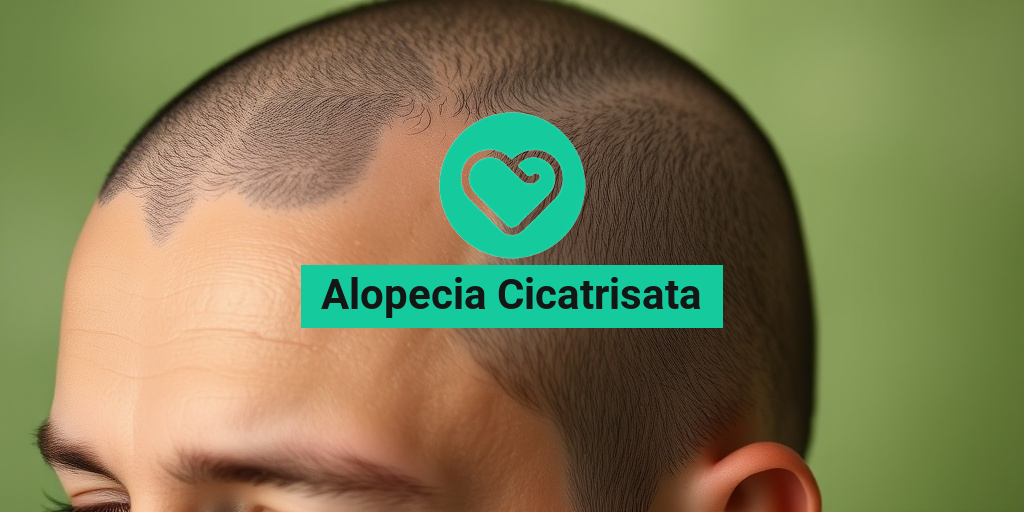
Alopecia Cicatrisata, also known as cicatricial alopecia, is a rare form of hair loss characterized by the destruction of hair follicles, leading to permanent hair loss in affected areas. Unlike other types of alopecia, which may be temporary or reversible, alopecia cicatricial results in scarring on the scalp or skin, making it a more complex condition to manage.
This condition can occur due to various underlying causes, including autoimmune diseases, infections, or inflammatory skin disorders. The hair follicles become damaged and replaced by scar tissue, which inhibits hair regrowth. Understanding the nature of this condition is crucial for effective treatment and management.
Types of Alopecia Cicatrisata
Alopecia cicatricial can be categorized into several types, each with distinct characteristics:
- Lichen Planopilaris: An inflammatory condition that affects the scalp, leading to hair loss and scarring.
- Frontal Fibrosing Alopecia: Primarily affects postmenopausal women, causing hair loss at the front of the scalp.
- Discoid Lupus Erythematosus: A form of lupus that can cause skin lesions and hair loss.
- Follicular Degeneration Syndrome: Characterized by the gradual loss of hair follicles, leading to scarring.
Each type may require a different approach to treatment, emphasizing the importance of a proper diagnosis from a healthcare professional.
Alopecia Cicatrisata Symptoms
The symptoms of alopecia cicatricial can vary depending on the underlying cause and the specific type of the condition. However, there are some common signs to look out for:
Common Symptoms
- Hair Loss: The most noticeable symptom is hair loss in patches or specific areas of the scalp.
- Itching or Burning: Many individuals experience discomfort, including itching or a burning sensation in the affected areas.
- Redness and Inflammation: The scalp may appear red and inflamed, indicating an underlying inflammatory process.
- Scarring: As the condition progresses, scarring can become visible, leading to shiny patches on the scalp.
Additional Symptoms
In some cases, individuals may also experience:
- Pain: Some people report pain in the affected areas, which can be distressing.
- Changes in Skin Texture: The skin may feel different, often becoming smooth or shiny due to scarring.
- Loss of Eyebrows or Eyelashes: In certain types of alopecia cicatricial, hair loss may extend beyond the scalp.
If you notice any of these symptoms, it’s essential to consult a healthcare provider for a thorough evaluation. Early diagnosis and intervention can significantly improve outcomes and help manage the condition effectively.
Seeking Help
Managing alopecia cicatricial can be challenging, but resources are available to help. Websites like Yesil Health AI provide evidence-based health answers and can guide you in understanding your condition better. Remember, you are not alone in this journey, and seeking professional help is the first step towards managing your symptoms effectively.
In conclusion, understanding alopecia cicatrisata is crucial for those affected by this condition. By recognizing the symptoms and seeking appropriate care, individuals can take proactive steps towards managing their hair loss and improving their quality of life. 🌟

Alopecia Cicatrisata Causes
Alopecia cicatricata, also known as cicatricial alopecia, is a condition that leads to permanent hair loss due to the destruction of hair follicles. Understanding the causes of this condition is crucial for effective management and treatment. Here, we explore the primary causes of alopecia cicatricata.
1. Inflammatory Skin Conditions
One of the most common causes of alopecia cicatricata is inflammatory skin diseases. Conditions such as:
- Lichen Planopilaris: This is an inflammatory condition that affects hair follicles, leading to scarring and hair loss.
- Discoid Lupus Erythematosus: A chronic autoimmune condition that can cause skin lesions and scarring on the scalp.
- Folliculitis Decalvans: This condition involves inflammation of the hair follicles, resulting in scarring and hair loss.
These inflammatory conditions can trigger an immune response that damages hair follicles, leading to permanent hair loss.
2. Infections
Infections can also play a significant role in the development of alopecia cicatricata. Bacterial or fungal infections of the scalp can lead to inflammation and subsequent scarring. For instance:
- Fungal Infections: Conditions like tinea capitis (scalp ringworm) can cause hair loss and scarring if not treated promptly.
- Bacterial Infections: Severe bacterial infections can lead to folliculitis, which may result in scarring.
Timely diagnosis and treatment of these infections are essential to prevent long-term damage to hair follicles.
3. Trauma and Injury
Physical trauma to the scalp can also lead to alopecia cicatricata. This can include:
- Burns: Thermal or chemical burns can destroy hair follicles, leading to scarring.
- Traction Alopecia: Prolonged tension on hair from tight hairstyles can cause follicle damage and scarring.
Protecting the scalp from injury is vital to maintaining healthy hair follicles.
4. Genetic Factors
Genetics can also play a role in the susceptibility to alopecia cicatricata. Some individuals may have a genetic predisposition to autoimmune conditions that can lead to scarring alopecia. Family history of similar conditions may increase the risk of developing cicatricial alopecia.
Alopecia Cicatrisata Risk Factors
Understanding the risk factors associated with alopecia cicatricata can help in early detection and prevention. Here are some key risk factors to consider:
1. Age and Gender
Alopecia cicatricata can affect individuals of any age, but it is more commonly diagnosed in adults. Additionally, women are more likely to develop certain types of cicatricial alopecia, such as lichen planopilaris, compared to men.
2. Autoimmune Disorders
Individuals with autoimmune disorders are at a higher risk of developing alopecia cicatricata. Conditions such as lupus, thyroid disease, and vitiligo can increase the likelihood of scarring alopecia due to the immune system’s attack on hair follicles.
3. Family History
A family history of hair loss or autoimmune conditions can be a significant risk factor. If close relatives have experienced cicatricial alopecia, the likelihood of developing the condition may increase.
4. Environmental Factors
Exposure to certain environmental factors, such as:
- Chemical Irritants: Harsh hair products or treatments can irritate the scalp and lead to inflammation.
- Infections: Living in areas with a higher prevalence of scalp infections can increase risk.
Taking precautions to minimize exposure to these factors can help reduce the risk of developing alopecia cicatricata.
5. Scalp Hygiene
Maintaining proper scalp hygiene is essential. Poor scalp hygiene can lead to infections and inflammation, increasing the risk of cicatricial alopecia. Regular washing and care can help keep the scalp healthy and reduce the risk of hair loss.
In conclusion, understanding the causes and risk factors of alopecia cicatricata is crucial for early intervention and management. If you suspect you may be experiencing symptoms of this condition, consulting a healthcare professional is essential for proper diagnosis and treatment. 🩺
Alopecia Cicatrisata Diagnosis
Alopecia cicatrisata, also known as cicatricial alopecia, is a condition that leads to permanent hair loss due to the destruction of hair follicles. Diagnosing this condition can be challenging, as it often mimics other types of hair loss. However, understanding the diagnostic process is crucial for effective management and treatment.
Understanding the Symptoms
The first step in diagnosing alopecia cicatrisata is recognizing its symptoms. Common signs include:
- Patchy hair loss: Areas of the scalp may show bald patches that can vary in size.
- Itching or burning: Some individuals experience discomfort in the affected areas.
- Changes in scalp texture: The skin may appear shiny or scarred.
- Follicular openings: You might notice small bumps or changes around hair follicles.
Consultation with a Dermatologist
If you suspect you have alopecia cicatrisata, it’s essential to consult a dermatologist. They will conduct a thorough examination of your scalp and hair. During this consultation, the dermatologist may:
- Take a detailed medical history, including any previous hair loss experiences.
- Perform a physical examination of the scalp.
- Order blood tests to rule out underlying conditions.
Scalp Biopsy
A scalp biopsy is often the definitive test for diagnosing alopecia cicatrisata. This procedure involves removing a small section of the scalp for laboratory analysis. The biopsy can help determine:
- The presence of inflammation around hair follicles.
- Whether the hair follicles are damaged or destroyed.
Based on the results, your dermatologist can confirm the diagnosis and discuss potential treatment options tailored to your specific condition.
Alopecia Cicatrisata Treatment Options
Once diagnosed, managing alopecia cicatrisata involves a multifaceted approach. Treatment aims to halt the progression of hair loss and, in some cases, promote regrowth. Here are some common treatment options:
Medications
Several medications can be effective in treating alopecia cicatrisata. These may include:
- Corticosteroids: These anti-inflammatory drugs can be injected directly into the scalp or taken orally to reduce inflammation and promote hair regrowth.
- Topical immunotherapy: This involves applying a chemical solution to the scalp to provoke an allergic reaction, which may stimulate hair growth.
- Minoxidil: Often used for other types of hair loss, this topical solution may help some individuals with cicatricial alopecia.
Light Therapy
Light therapy, particularly laser therapy, is another option for treating alopecia cicatrisata. This non-invasive treatment uses specific wavelengths of light to stimulate hair follicles and promote healing. It can be a beneficial adjunct to other treatments.
Hair Transplant Surgery
In cases where hair loss is extensive and other treatments have failed, hair transplant surgery may be considered. This procedure involves:
- Transplanting healthy hair follicles from other areas of the scalp to the bald patches.
- Providing a more permanent solution for those affected by cicatricial alopecia.
Supportive Care
Living with alopecia cicatrisata can be emotionally challenging. Therefore, supportive care is essential. This may include:
- Joining support groups to connect with others facing similar challenges.
- Consulting with a mental health professional to address any emotional distress.
By understanding the diagnosis and exploring treatment options, individuals with alopecia cicatrisata can take proactive steps toward managing their condition and improving their quality of life. 🌟

Alopecia Cicatrisata Home Remedies
Alopecia cicatricial, commonly known as alopecia cicatrisata, is a condition that leads to permanent hair loss due to scarring of the hair follicles. While medical treatments are essential, many individuals seek natural remedies to complement their care. Here are some effective home remedies that may help manage the symptoms and promote scalp health.
1. Essential Oils
Essential oils are known for their therapeutic properties and can be beneficial for those suffering from alopecia cicatricial. Some popular options include:
- Rosemary Oil: Known to stimulate hair growth and improve circulation.
- Lavender Oil: Has anti-inflammatory properties that can soothe the scalp.
- Tea Tree Oil: Effective in reducing scalp inflammation and preventing infections.
To use, mix a few drops of essential oil with a carrier oil, such as coconut or jojoba oil, and massage it into the scalp. Leave it on for at least 30 minutes before washing it out. 🌿
2. Aloe Vera
Aloe vera is renowned for its soothing properties and can help alleviate scalp irritation associated with alopecia cicatrisata. It also promotes hydration and may support hair growth.
To use aloe vera:
- Extract fresh gel from an aloe vera leaf.
- Apply it directly to the scalp and massage gently.
- Leave it on for about 30 minutes before rinsing with a mild shampoo.
Using aloe vera regularly can help maintain a healthy scalp environment. 🌱
3. Nutrient-Rich Diet
What you eat plays a crucial role in hair health. Incorporating a diet rich in vitamins and minerals can support hair growth and overall scalp health. Focus on:
- Omega-3 Fatty Acids: Found in fish, flaxseeds, and walnuts, these can help reduce inflammation.
- Biotin: Present in eggs, nuts, and whole grains, biotin is essential for hair health.
- Vitamin E: Found in spinach, avocados, and almonds, it promotes blood circulation to the scalp.
Staying hydrated and consuming a balanced diet can significantly impact your hair’s health. 🥗
4. Scalp Massage
Regular scalp massages can improve blood circulation, which may help in promoting hair growth. You can use your fingertips or a scalp massager to gently massage the scalp for about 5-10 minutes daily.
Consider using a nourishing oil during the massage to enhance its benefits. This practice not only feels good but can also be a relaxing ritual. 💆♀️
5. Herbal Remedies
Several herbs are believed to support hair health and may be beneficial for those with alopecia cicatricial:
- Ginseng: Known to stimulate hair follicles and promote hair growth.
- Nettle: Rich in vitamins and minerals, it can help strengthen hair.
- Hibiscus: Often used in hair care for its nourishing properties.
These herbs can be consumed as teas or applied as pastes to the scalp. 🌼
Alopecia Cicatrisata Outlook and Prognosis
The outlook for individuals with alopecia cicatrisata can vary significantly based on the underlying cause and the extent of the condition. Understanding the prognosis is crucial for managing expectations and planning appropriate treatment strategies.
Understanding the Condition
Alopecia cicatricial is characterized by the destruction of hair follicles due to inflammation and scarring. This can result from various factors, including autoimmune diseases, infections, or skin disorders. The prognosis largely depends on:
- The Cause: Identifying the underlying cause is essential for determining the treatment approach.
- Timeliness of Treatment: Early intervention can help manage symptoms and potentially prevent further hair loss.
- Individual Response: Each person’s response to treatment can vary, influencing the overall outlook.
Long-Term Management
While alopecia cicatrisata can lead to permanent hair loss, many individuals find ways to manage the condition effectively. Treatment options may include:
- Topical Treatments: Corticosteroids and other medications can help reduce inflammation.
- Hair Transplants: In some cases, surgical options may be considered for restoring hair.
- Support Groups: Connecting with others facing similar challenges can provide emotional support and coping strategies.
Regular follow-ups with a healthcare provider are essential to monitor the condition and adjust treatment as needed. 🩺
Emotional Impact
The emotional toll of alopecia cicatricial can be significant. Many individuals experience feelings of self-consciousness or anxiety due to their appearance. Seeking support from mental health professionals or support groups can be beneficial in navigating these feelings.
In conclusion, while alopecia cicatrisata presents challenges, understanding the condition and exploring both home remedies and medical treatments can empower individuals to manage their hair health effectively. 🌈

Frequently Asked Questions about Alopecia Cicatrisata
What is Alopecia Cicatrisata?
Alopecia Cicatrisata is a type of hair loss characterized by the destruction of hair follicles, leading to permanent hair loss. This condition is often associated with scarring on the scalp and can result from various underlying causes, including autoimmune diseases, infections, or trauma.
What are the symptoms of Alopecia Cicatrisata?
Common symptoms of alopecia cicatricial include:
- Patchy hair loss
- Itching or burning sensation on the scalp
- Redness or inflammation of the skin
- Presence of scars on the scalp
How is Alopecia Cicatrisata diagnosed?
Diagnosis typically involves a thorough examination by a dermatologist, who may perform a scalp biopsy to assess the condition of the hair follicles and determine the underlying cause of the hair loss.
What treatments are available for Alopecia Cicatrisata?
Treatment options for alopecia cicatrizante may include:
- Topical corticosteroids to reduce inflammation
- Immunotherapy to stimulate hair regrowth
- Antibiotics if an infection is present
- Hair transplant surgery in some cases
Can Alopecia Cicatrisata be prevented?
While it may not be possible to prevent alopecia cicatricial, early diagnosis and treatment can help manage symptoms and potentially slow the progression of hair loss. Maintaining a healthy scalp and avoiding trauma can also be beneficial.
Is Alopecia Cicatrisata permanent?
In many cases, alopecia cicatrizante can lead to permanent hair loss due to the scarring of hair follicles. However, some individuals may experience partial regrowth depending on the severity and cause of the condition.
Where can I find support for Alopecia Cicatrisata?
Support groups and online communities can provide valuable resources and emotional support for those affected by alopecia cicatricial. Consider reaching out to dermatology clinics or organizations specializing in hair loss for additional information and assistance. 🌟