
What Is Naturopathic Medicine?
Naturopathic medicine is a holistic approach to healthcare that emphasizes the body’s inherent ability to heal itself. This form of medicine integrates traditional healing practices with modern scientific knowledge, focusing on treating the root causes of illness rather than just alleviating symptoms. Naturopathic doctors (NDs) are trained to understand the complex interplay between physical, emotional, and environmental factors that contribute to health and disease.
At its core, naturopathic medicine seeks to promote wellness and prevent disease through natural therapies. These may include herbal medicine, nutritional counseling, homeopathy, acupuncture, and lifestyle modifications. The goal is to empower patients to take an active role in their health journey, fostering a partnership between the patient and the practitioner.
The Growing Popularity of Naturopathic Medicine
In recent years, there has been a significant rise in interest in naturopathic medicine. Many individuals are seeking alternatives to conventional treatments, particularly for chronic conditions that may not respond well to standard medical interventions. This shift is partly due to a growing awareness of the potential side effects of pharmaceuticals and a desire for more natural, less invasive treatment options.
As a result, many people are searching for naturopathic medicine near me to find local practitioners who can provide personalized care. This trend reflects a broader movement towards integrative health, where patients are encouraged to explore various modalities to achieve optimal health.
Naturopathic Principles
The foundation of naturopathic medicine is built upon several key principles that guide practitioners in their approach to patient care. Understanding these principles can help you appreciate the philosophy behind this healing art.
1. The Healing Power of Nature
Naturopathic medicine is grounded in the belief that the body has an innate ability to heal itself. NDs work to support and enhance this natural healing process by using therapies that align with the body’s natural rhythms and functions. This principle encourages the use of natural remedies and lifestyle changes to promote health and well-being.
2. Identify and Treat the Causes
Rather than merely addressing symptoms, naturopathic practitioners strive to identify and treat the underlying causes of illness. This holistic approach involves a thorough assessment of a patient’s medical history, lifestyle, and environmental factors. By understanding the root causes, NDs can develop personalized treatment plans that address the unique needs of each patient.
3. First Do No Harm
Naturopathic medicine emphasizes the importance of using treatments that are safe and non-invasive. NDs prioritize therapies that minimize the risk of harmful side effects, ensuring that patients receive care that supports their overall health without causing additional harm.
4. Doctor as Teacher
Naturopathic doctors view themselves as educators, empowering patients with knowledge about their health. By providing information about lifestyle choices, nutrition, and natural therapies, NDs help patients make informed decisions about their health and well-being. This principle fosters a collaborative relationship between the practitioner and the patient, enhancing the healing process.
5. Treat the Whole Person
Naturopathic medicine recognizes that health is not solely the absence of disease but encompasses physical, emotional, and spiritual well-being. NDs take a comprehensive approach to patient care, considering all aspects of a person’s life when developing treatment plans. This holistic perspective allows for more effective and personalized care.
6. Prevention is the Best Cure
Preventative care is a cornerstone of naturopathic medicine. NDs focus on educating patients about healthy lifestyle choices and preventive measures to reduce the risk of illness. By promoting wellness and encouraging proactive health management, naturopathic practitioners aim to help patients maintain optimal health throughout their lives.
In conclusion, naturopathic medicine offers a unique and holistic approach to healthcare that prioritizes natural healing and patient empowerment. If you’re interested in exploring this form of medicine, consider reaching out to a local naturopathic doctor or visiting resources like Yesil Health AI for evidence-based health answers. 🌿✨

Naturopathic Treatments
Naturopathic medicine is a holistic approach to healthcare that emphasizes the body’s inherent ability to heal itself. Practitioners of naturopathic medicine utilize a variety of natural therapies to promote wellness and treat various health conditions. Here, we’ll explore some of the most common naturopathic treatments and how they can benefit your health.
1. Herbal Medicine
One of the cornerstones of naturopathic medicine is the use of herbal remedies. These natural substances can help support the body’s healing processes. Common herbs include:
- Echinacea – Often used to boost the immune system.
- Ginger – Known for its anti-inflammatory properties and digestive support.
- Turmeric – Contains curcumin, which has powerful anti-inflammatory effects.
Herbal medicine is tailored to the individual, taking into account their specific health needs and conditions.
2. Nutritional Counseling
Nutrition plays a vital role in overall health. Naturopathic doctors often provide personalized dietary advice to help patients achieve optimal health. This may include:
- Identifying food sensitivities or allergies.
- Recommending supplements to fill nutritional gaps.
- Creating meal plans that support specific health goals.
By focusing on whole foods and balanced nutrition, patients can enhance their well-being and prevent chronic diseases.
3. Homeopathy
Homeopathy is a unique system of medicine that uses highly diluted substances to stimulate the body’s healing response. Naturopathic practitioners may use homeopathic remedies to treat a variety of conditions, including:
- Allergies
- Digestive issues
- Emotional disturbances
Homeopathic treatments are individualized, ensuring that each patient receives a remedy that matches their specific symptoms and overall health.
4. Physical Medicine
Naturopathic medicine also includes physical therapies such as:
- Massage therapy – Helps relieve tension and improve circulation.
- Acupuncture – Stimulates specific points on the body to promote healing.
- Hydrotherapy – Uses water for pain relief and treatment.
These therapies can enhance physical health and well-being, addressing both acute and chronic conditions.
5. Lifestyle Counseling
Naturopathic doctors often provide guidance on lifestyle changes that can improve health. This may include:
- Stress management techniques
- Exercise recommendations
- Sleep hygiene tips
By addressing lifestyle factors, patients can achieve a more balanced and healthy life.
Naturopathic vs. Conventional Medicine
When considering healthcare options, many people wonder about the differences between naturopathic medicine and conventional medicine. Both approaches have their merits, but they differ significantly in philosophy and practice.
1. Philosophy of Care
Conventional medicine, often referred to as allopathic medicine, focuses primarily on diagnosing and treating diseases using medications and surgical interventions. In contrast, naturopathic medicine emphasizes prevention and the body’s ability to heal itself. Naturopathic practitioners aim to identify and treat the root causes of illness rather than just alleviating symptoms.
2. Treatment Approaches
While conventional medicine often relies on pharmaceuticals and surgery, naturopathic medicine utilizes a variety of natural therapies, including:
- Herbal remedies
- Nutritional counseling
- Physical therapies
This holistic approach allows for a more comprehensive treatment plan that addresses the whole person—body, mind, and spirit.
3. Patient Involvement
In conventional medicine, patients may often feel like passive recipients of care, whereas in naturopathic medicine, patients are encouraged to take an active role in their health. Naturopathic doctors work collaboratively with patients, empowering them to make informed decisions about their treatment options.
4. Focus on Prevention
Another significant difference is the emphasis on prevention. Naturopathic medicine prioritizes lifestyle changes and preventive measures to help patients maintain their health and avoid chronic diseases. Conventional medicine, while also recognizing the importance of prevention, often focuses more on treating existing conditions.
In summary, both naturopathic medicine and conventional medicine have unique strengths. Understanding these differences can help individuals make informed choices about their healthcare journey. 🌱

Conditions Treated by Naturopathy
Naturopathic medicine is a holistic approach to health that emphasizes the body’s inherent ability to heal itself. Practitioners of naturopathic medicine utilize a variety of natural therapies to treat a wide range of conditions. Here are some of the most common conditions that can be effectively managed through naturopathy:
1. Chronic Pain
Many individuals suffering from chronic pain conditions, such as arthritis or fibromyalgia, find relief through naturopathic treatments. Techniques like acupuncture, herbal medicine, and dietary changes can help reduce inflammation and alleviate pain.
2. Digestive Disorders
Naturopathic medicine is particularly effective for digestive issues, including:
- IBS (Irritable Bowel Syndrome)
- Acid reflux
- Constipation
- Food intolerances
By focusing on diet, probiotics, and digestive enzymes, naturopaths can help restore gut health and improve overall digestion.
3. Hormonal Imbalances
Conditions such as PCOS (Polycystic Ovary Syndrome), menopause symptoms, and thyroid disorders can be addressed through naturopathic methods. Herbal remedies, lifestyle changes, and nutritional support are often employed to balance hormones naturally.
4. Allergies and Asthma
Naturopathic medicine can provide relief for those suffering from allergies and asthma. Treatments may include:
- Allergy testing and desensitization
- Dietary adjustments
- Herbal supplements
These approaches aim to strengthen the immune system and reduce the severity of allergic reactions.
5. Mental Health Conditions
Conditions like anxiety and depression can also be treated with naturopathic medicine. Techniques such as mindfulness, nutritional counseling, and herbal supplements can support mental well-being and emotional balance.
6. Skin Conditions
Skin issues such as eczema, psoriasis, and acne can be effectively managed through naturopathy. Treatments may include:
- Topical herbal remedies
- Dietary changes
- Detoxification protocols
These methods aim to address the root causes of skin problems rather than just the symptoms.
Naturopathic Diagnosis Methods
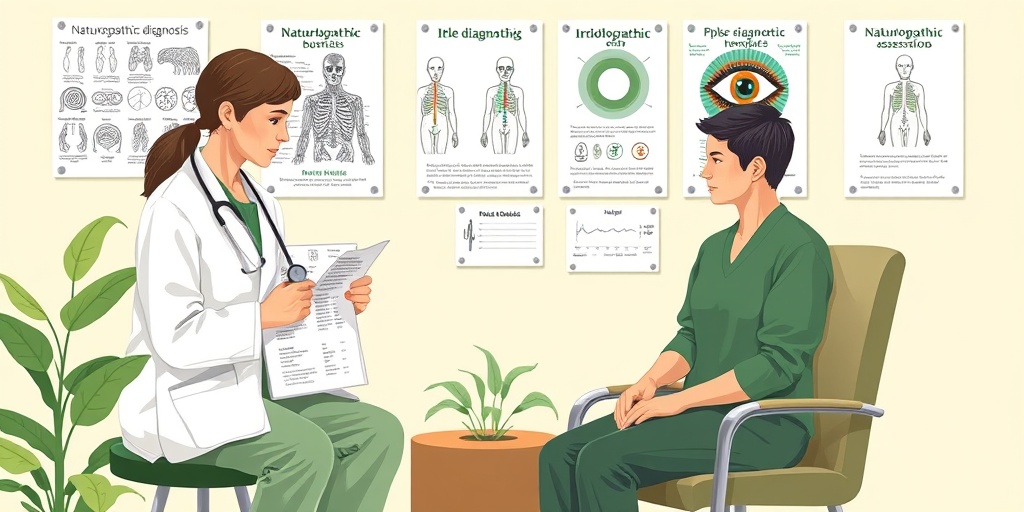
Understanding how naturopathic doctors diagnose health issues is crucial for anyone considering this form of medicine. Naturopathic diagnosis is comprehensive and often involves several unique methods:
1. Detailed Patient History
Naturopathic doctors begin with a thorough review of the patient’s medical history, including lifestyle, diet, and emotional well-being. This holistic approach helps identify underlying issues that may contribute to health problems.
2. Physical Examination
A comprehensive physical examination is conducted to assess the patient’s overall health. This may include:
- Vital signs
- Palpation of organs
- Assessment of skin and hair
These assessments provide valuable insights into the patient’s health status.
3. Laboratory Testing
Naturopathic doctors may recommend various laboratory tests to gain a deeper understanding of a patient’s health. Common tests include:
- Blood tests
- Urinalysis
- Saliva tests
These tests help identify deficiencies, hormonal imbalances, and other health concerns.
4. Functional Medicine Assessment
This method focuses on identifying the root causes of diseases rather than just treating symptoms. Naturopathic doctors may evaluate:
- Gut health
- Detoxification pathways
- Inflammatory markers
By understanding these factors, practitioners can create personalized treatment plans.
5. Lifestyle and Dietary Analysis
Naturopathic diagnosis often includes an evaluation of the patient’s lifestyle and dietary habits. This analysis helps identify areas for improvement and supports the development of a tailored health plan.
In conclusion, naturopathic medicine offers a comprehensive approach to diagnosing and treating various health conditions. By focusing on the whole person and utilizing natural therapies, naturopathy aims to promote optimal health and well-being. 🌱
Benefits of Naturopathic Medicine
Naturopathic medicine is a holistic approach to healthcare that emphasizes the body’s inherent ability to heal itself. This form of medicine combines traditional healing practices with modern scientific knowledge, offering a unique perspective on health and wellness. Here are some of the key benefits of naturopathic medicine:
1. Holistic Approach
Naturopathic medicine treats the whole person, not just the symptoms of a disease. Practitioners consider physical, emotional, and environmental factors that may contribute to a patient’s health. This comprehensive approach can lead to more effective treatment plans and improved overall well-being.
2. Personalized Treatment Plans
Every individual is unique, and so are their health needs. Naturopathic doctors (NDs) take the time to understand each patient’s medical history, lifestyle, and preferences. This allows them to create personalized treatment plans that may include dietary changes, herbal remedies, and lifestyle modifications tailored to the individual.
3. Focus on Prevention
One of the core principles of naturopathic medicine is prevention. By addressing the root causes of health issues and promoting healthy lifestyle choices, NDs aim to prevent diseases before they occur. This proactive approach can lead to a healthier, more vibrant life.
4. Natural Remedies
Naturopathic medicine often utilizes natural remedies, such as herbs, vitamins, and minerals, to support the body’s healing processes. These remedies can be less invasive and have fewer side effects compared to conventional medications. Many patients appreciate the opportunity to explore natural alternatives for their health concerns.
5. Empowerment and Education
Naturopathic doctors prioritize patient education, empowering individuals to take charge of their health. By providing knowledge about nutrition, lifestyle choices, and self-care practices, NDs help patients make informed decisions that can lead to lasting health improvements.
6. Integration with Conventional Medicine
Naturopathic medicine can complement conventional treatments. Many NDs work alongside other healthcare providers to ensure a comprehensive approach to patient care. This integration can enhance treatment outcomes and provide patients with a broader range of options.
Naturopathic Lifestyle Recommendations
Embracing a naturopathic lifestyle can significantly enhance your overall health and well-being. Here are some key recommendations to incorporate into your daily routine:
1. Balanced Nutrition
Eating a well-balanced diet rich in whole foods is fundamental to naturopathic principles. Focus on:
- Fruits and Vegetables: Aim for a variety of colors to ensure a wide range of nutrients.
- Whole Grains: Choose whole grains over refined options for better digestion and sustained energy.
- Healthy Fats: Incorporate sources like avocados, nuts, and olive oil for heart health.
2. Regular Physical Activity
Exercise is crucial for maintaining physical and mental health. Aim for at least 30 minutes of moderate exercise most days of the week. Activities can include:
- Walking or Jogging: Great for cardiovascular health.
- Yoga or Pilates: Excellent for flexibility and stress relief.
- Strength Training: Helps build muscle and improve metabolism.
3. Stress Management
Chronic stress can negatively impact health. Incorporate stress-reducing practices such as:
- Meditation: A few minutes of mindfulness can help center your thoughts.
- Deep Breathing Exercises: Simple techniques can promote relaxation.
- Nature Walks: Spending time outdoors can enhance mood and reduce stress.
4. Adequate Sleep
Quality sleep is essential for healing and overall health. Aim for 7-9 hours of sleep per night. Consider establishing a bedtime routine that includes:
- Limiting Screen Time: Reduce exposure to screens at least an hour before bed.
- Creating a Relaxing Environment: Keep your bedroom dark, cool, and quiet.
- Consistent Sleep Schedule: Go to bed and wake up at the same time every day.
5. Hydration
Staying hydrated is vital for bodily functions. Aim to drink at least 8 glasses of water a day. You can also include:
- Herbal Teas: A soothing way to increase fluid intake.
- Infused Water: Add fruits or herbs for flavor and additional nutrients.
By integrating these naturopathic lifestyle recommendations into your daily routine, you can enhance your health and well-being, paving the way for a more vibrant life. 🌱✨

Frequently Asked Questions about Naturopathic Medicine
What is Naturopathic Medicine?
Naturopathic Medicine is a holistic approach to healthcare that emphasizes the body’s inherent ability to heal itself. Practitioners use a combination of natural therapies, lifestyle counseling, and preventive care to promote overall wellness.
What qualifications do Naturopathic Doctors have?
Naturopathic Doctors (NDs) typically complete a four-year graduate program at an accredited institution, earning a degree in Naturopathic Medicine. They are trained in various natural therapies, including herbal medicine, nutrition, and physical medicine.
How does Naturopathic Medicine differ from conventional medicine?
While conventional medicine often focuses on treating symptoms, Naturopathic Medicine aims to address the root causes of health issues. NDs utilize a range of natural therapies and emphasize prevention and patient education.
Are there specific conditions that Naturopathic Medicine can treat?
Naturopathic Medicine can be effective for a variety of conditions, including:
- Chronic pain
- Digestive disorders
- Allergies
- Hormonal imbalances
- Stress and anxiety
Can I find Naturopathic Medicine practitioners near me?
Yes! You can search for Naturopathic Medicine practitioners in your area through online directories or local health clinics that offer holistic services.
What can I expect during my first visit to a Naturopathic Doctor?
During your first visit, a Naturopathic Doctor will conduct a comprehensive assessment of your health history, lifestyle, and current health concerns. They may recommend a personalized treatment plan that includes natural therapies and lifestyle changes.
What are the benefits of pursuing a degree in Naturopathic Medicine?
A degree in Naturopathic Medicine can lead to a fulfilling career in healthcare, allowing you to help others achieve optimal health through natural means. Graduates often find opportunities in private practice, wellness centers, and integrative health clinics.
What is the salary range for Naturopathic Doctors?
The salary for Naturopathic Doctors can vary widely based on location, experience, and practice setting. On average, NDs can expect to earn between $70,000 and $100,000 annually, with potential for growth as they build their practice.
Are there any online resources for learning more about Naturopathic Medicine?
Yes! There are numerous online resources, including educational websites, forums, and social media groups where you can learn more about Naturopathic Medicine and connect with other practitioners and patients.
Is Naturopathic Medicine safe?
When practiced by a qualified professional, Naturopathic Medicine is generally considered safe. However, it’s important to discuss any existing medical conditions or medications with your ND to avoid potential interactions.