
What Is Neck Pain?
Neck pain is a common ailment that affects millions of people worldwide. It can range from a dull ache to sharp, debilitating discomfort that interferes with daily activities. The neck, or cervical spine, is a complex structure made up of vertebrae, muscles, ligaments, and nerves, all of which can contribute to pain when injured or strained.
There are various causes of neck pain, including:
- Muscle Strain: Often caused by poor posture, sleeping in an awkward position, or overuse during physical activities.
- Injuries: Whiplash from car accidents or sports injuries can lead to significant neck pain.
- Degenerative Disc Disease: As we age, the discs in our spine can wear down, leading to pain and stiffness.
- Herniated Discs: When the soft material inside a disc bulges out, it can press on nearby nerves, causing pain.
- Medical Conditions: Conditions like arthritis, meningitis, or fibromyalgia can also result in neck pain.
Understanding the underlying cause of neck pain is crucial for effective treatment and management. If you’re experiencing persistent discomfort, it may be beneficial to consult a healthcare professional for a thorough evaluation.
Neck Pain Symptoms
Recognizing the symptoms of neck pain is essential for timely intervention and relief. Symptoms can vary widely depending on the cause and severity of the condition. Here are some common symptoms associated with neck pain:
1. Localized Pain
The most obvious symptom is pain in the neck area. This can be a constant ache or a sharp pain that comes and goes. You may also feel discomfort when moving your head or neck.
2. Stiffness
Many individuals with neck pain experience stiffness, making it difficult to turn or tilt the head. This stiffness can be particularly pronounced after sleeping or sitting for extended periods.
3. Headaches
Neck pain is often associated with headaches, particularly tension headaches. The pain can radiate from the neck to the head, causing discomfort that can be challenging to manage.
4. Numbness or Tingling
If the neck pain is caused by nerve compression, you may experience numbness or tingling in the arms or hands. This symptom should not be ignored, as it may indicate a more serious underlying issue.
5. Dizziness
In some cases, neck pain can lead to dizziness or a feeling of lightheadedness. This can be particularly concerning and warrants a medical evaluation.
6. Muscle Spasms
Muscle spasms in the neck can occur as a response to pain or injury. These involuntary contractions can be painful and may limit your range of motion.
If you are experiencing any of these symptoms, especially if they persist or worsen, it is important to seek medical advice. Early intervention can lead to more effective treatment options and a quicker recovery.
For those looking for neck pain relief, there are various strategies available, including physical therapy, exercises, and ergonomic adjustments to your workspace. Additionally, resources like Yesil Health AI can provide evidence-based health answers to help you understand your condition better.
In conclusion, neck pain is a multifaceted issue that can significantly impact your quality of life. By recognizing the symptoms and understanding the potential causes, you can take proactive steps towards finding relief and improving your overall neck health. Remember, you don’t have to suffer in silence—help is available! 🌟
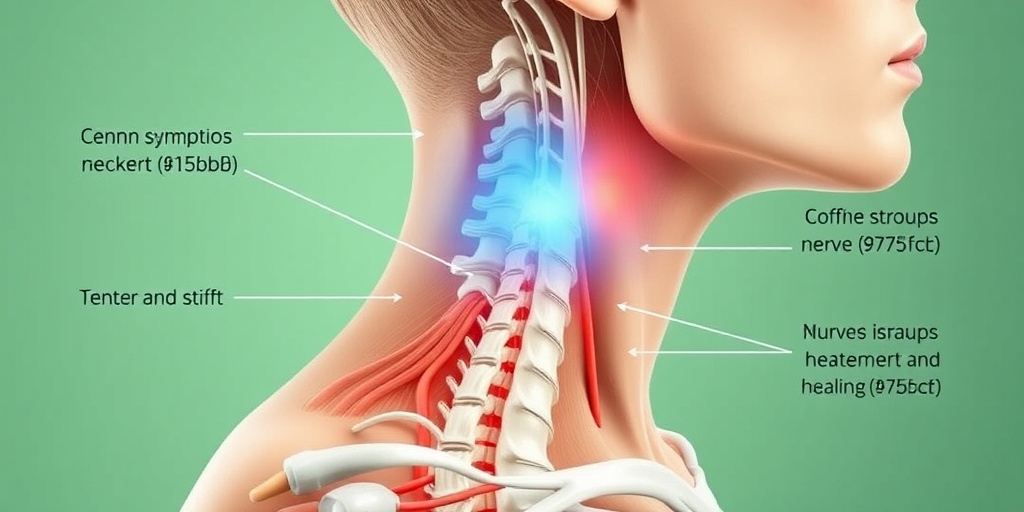
Common Causes of Neck Pain
Neck pain is a prevalent issue that affects millions of people worldwide. Understanding the common causes of neck pain can help you identify the source of your discomfort and seek appropriate treatment. Here are some of the most frequent culprits:
Poor Posture
One of the leading causes of neck pain is poor posture, especially in our modern world where many of us spend hours hunched over computers or smartphones. This can lead to muscle strain and discomfort. Maintaining a neutral spine position while sitting or standing is crucial for preventing neck pain.
Injuries and Accidents
Injuries from accidents, such as whiplash from car collisions, can cause significant neck pain. These injuries often result in muscle strain, ligament sprains, or even herniated discs. If you’ve experienced a recent injury, it’s essential to consult a healthcare professional for proper evaluation and treatment.
Muscle Strain
Overuse or strain of the neck muscles can occur from activities such as heavy lifting, sleeping in an awkward position, or even prolonged periods of looking down at your phone. This strain can lead to stiffness and pain, making it difficult to move your neck comfortably.
Degenerative Disc Disease
As we age, the discs in our spine can degenerate, leading to conditions like cervical spondylosis. This degeneration can cause neck pain and stiffness, often accompanied by headaches or discomfort in the shoulders and arms.
Herniated Discs
A herniated disc occurs when the soft material inside a spinal disc bulges out, pressing on nearby nerves. This can lead to severe neck pain, as well as radiating pain, numbness, or tingling in the arms. If you suspect a herniated disc, it’s crucial to seek medical advice.
Medical Conditions
Several medical conditions can contribute to neck pain, including:
- Arthritis: Inflammation of the joints can lead to pain and stiffness in the neck.
- Meningitis: This serious infection can cause neck stiffness and pain, often accompanied by fever and headache.
- Fibromyalgia: A chronic condition characterized by widespread pain, including neck discomfort.
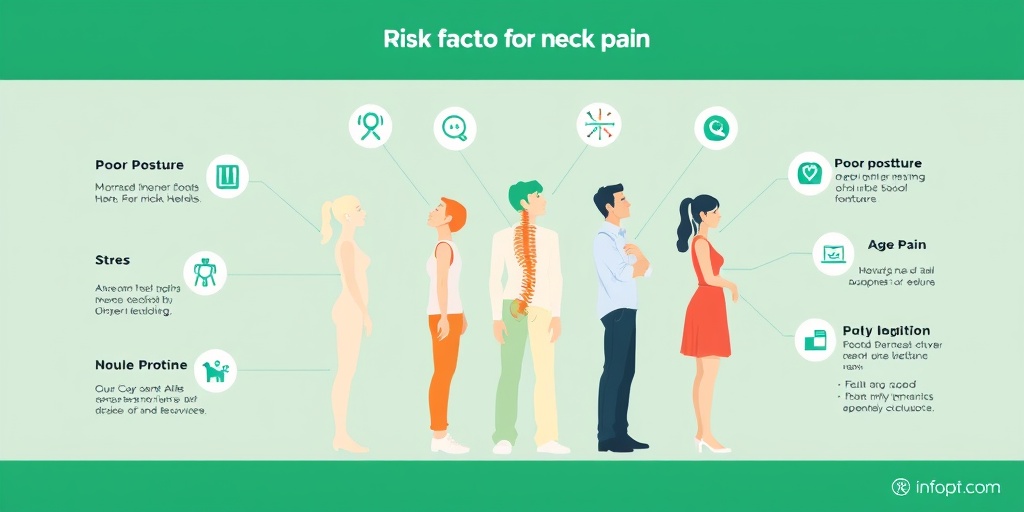
Risk Factors for Neck Pain
Understanding the risk factors for neck pain can help you take preventive measures and reduce your chances of experiencing discomfort. Here are some key factors to consider:
Age
As we age, the likelihood of developing neck pain increases. The natural wear and tear on the spine can lead to degenerative conditions that contribute to discomfort.
Occupation
Jobs that require repetitive motions, heavy lifting, or prolonged periods of sitting can increase the risk of neck pain. If your work involves these activities, it’s essential to take regular breaks and practice good ergonomics.
Physical Fitness
A lack of physical fitness can contribute to neck pain. Weak neck and shoulder muscles may not provide adequate support for the head, leading to strain. Engaging in regular exercise, including neck pain exercises, can help strengthen these muscles and reduce the risk of injury.
Stress and Tension
Emotional stress can manifest physically, often resulting in muscle tension in the neck and shoulders. Practicing stress management techniques, such as yoga or meditation, can help alleviate this tension and reduce the risk of neck pain.
Previous Injuries
If you’ve experienced neck injuries in the past, you may be at a higher risk for developing chronic neck pain. It’s essential to follow up with healthcare providers for appropriate rehabilitation and preventive measures.
Genetics
Some individuals may be genetically predisposed to conditions that cause neck pain, such as arthritis or degenerative disc disease. Understanding your family history can help you take proactive steps to manage your neck health.
By being aware of these common causes and risk factors, you can take steps to prevent neck pain and maintain a healthy, pain-free neck. Remember, if you’re experiencing persistent neck pain, it’s always best to consult with a healthcare professional for a proper diagnosis and treatment plan. 🩺
Diagnosing Neck Pain
Neck pain is a common complaint that can stem from various causes, ranging from poor posture to underlying medical conditions. Understanding how neck pain is diagnosed is crucial for effective treatment and relief. Here’s a closer look at the diagnostic process.
Initial Consultation
The journey to diagnosing neck pain typically begins with an initial consultation with a healthcare provider. During this visit, the doctor will:
- Review your medical history: This includes any previous injuries, surgeries, or chronic conditions that may contribute to your neck pain.
- Discuss your symptoms: Be prepared to describe the nature of your pain, including its intensity, duration, and any factors that exacerbate or relieve it.
- Perform a physical examination: The doctor will assess your neck’s range of motion, tenderness, and any neurological signs, such as numbness or weakness in your arms.
Diagnostic Imaging
If the initial evaluation suggests a more serious underlying issue, your doctor may recommend diagnostic imaging. Common imaging techniques include:
- X-rays: These can help identify fractures, dislocations, or degenerative changes in the cervical spine.
- Magnetic Resonance Imaging (MRI): An MRI provides detailed images of soft tissues, including discs and nerves, helping to identify herniated discs or spinal stenosis.
- Computed Tomography (CT) scans: CT scans offer a more detailed view than X-rays and can help diagnose complex fractures or other structural issues.
Additional Tests
In some cases, additional tests may be necessary to pinpoint the cause of neck pain. These can include:
- Electromyography (EMG): This test measures the electrical activity of muscles and can help identify nerve compression.
- Blood tests: These can rule out infections or inflammatory conditions that may be contributing to your symptoms.
Once a diagnosis is established, your healthcare provider can recommend appropriate treatment options tailored to your specific condition and needs.
Neck Pain Treatment Options
When it comes to treating neck pain, a variety of options are available, depending on the underlying cause and severity of the pain. Here’s a comprehensive overview of effective treatment strategies.
Conservative Treatments
For many individuals, conservative treatments can provide significant relief from neck pain:
- Rest: Taking a break from activities that exacerbate your neck pain can help reduce inflammation and promote healing.
- Ice and Heat Therapy: Applying ice packs can help reduce swelling, while heat therapy can relax tense muscles.
- Over-the-Counter Pain Relievers: Nonsteroidal anti-inflammatory drugs (NSAIDs) like ibuprofen or naproxen can help alleviate pain and reduce inflammation.
Physical Therapy
Physical therapy is often recommended for neck pain, especially if it’s chronic or recurrent. A physical therapist can:
- Develop a personalized exercise program: This may include stretching and strengthening exercises to improve flexibility and support the neck.
- Teach proper posture: Learning how to maintain good posture can prevent further strain on the neck.
- Utilize manual therapy: Techniques such as massage or mobilization can relieve tension and improve mobility.
Medications and Injections
If conservative treatments are insufficient, your doctor may recommend:
- Prescription medications: Muscle relaxants or stronger pain relievers may be prescribed for more severe pain.
- Corticosteroid injections: These can provide temporary relief by reducing inflammation around the nerves or joints in the neck.
Surgical Options
In rare cases where neck pain is caused by structural issues, such as herniated discs or spinal stenosis, surgical intervention may be necessary. Surgical options can include:
- Discectomy: Removal of a herniated disc to relieve pressure on the spinal cord or nerves.
- Spinal fusion: This procedure involves fusing two or more vertebrae together to stabilize the spine.
It’s essential to consult with a healthcare professional to determine the most appropriate treatment plan for your specific situation. With the right approach, you can find relief from neck pain and improve your quality of life. 🌟

Home Remedies for Neck Pain
Neck pain is a common issue that can stem from various causes, including poor posture, muscle strain, or even stress. Fortunately, there are several effective home remedies that can help alleviate discomfort and promote healing. Here are some tried-and-true methods to consider:
1. Apply Heat or Cold
Using heat or cold therapy can significantly reduce neck pain. Cold packs can help numb the area and reduce inflammation, especially if the pain is due to a recent injury. Apply a cold pack for 15-20 minutes at a time. On the other hand, heat therapy, such as a warm towel or heating pad, can relax tense muscles and improve blood circulation. Use heat for 15-20 minutes as well.
2. Gentle Stretching Exercises
Incorporating gentle neck stretches into your routine can help relieve tension and improve flexibility. Here are a few simple exercises:
- Neck Tilts: Slowly tilt your head towards one shoulder, hold for 15 seconds, and repeat on the other side.
- Chin Tucks: Sit up straight and gently tuck your chin towards your chest, holding for a few seconds.
- Shoulder Rolls: Roll your shoulders forward and backward to release tension.
Always remember to perform these stretches gently to avoid further strain. 🧘♂️
3. Stay Hydrated
Dehydration can lead to muscle stiffness and exacerbate neck pain. Ensure you drink plenty of water throughout the day to keep your muscles hydrated and functioning optimally. Aim for at least 8 glasses of water daily. 💧
4. Use Essential Oils
Essential oils like lavender and peppermint can provide soothing relief from neck pain. Mix a few drops of essential oil with a carrier oil, such as coconut or olive oil, and gently massage it into the affected area. The aromatic properties can also help reduce stress, which may contribute to muscle tension.
5. Maintain Good Posture
Being mindful of your posture can prevent neck pain from becoming a recurring issue. When sitting, ensure your back is straight, shoulders are relaxed, and your computer screen is at eye level. Consider using a neck pain pillow while sleeping to support your neck properly. 🛏️
Preventing Neck Pain
Preventing neck pain is often easier than treating it. By adopting certain habits and making lifestyle changes, you can significantly reduce your risk of developing neck pain. Here are some effective strategies:
1. Ergonomic Workspace Setup
Creating an ergonomic workspace is crucial for preventing neck pain, especially if you spend long hours at a desk. Ensure your chair supports your lower back, and your computer monitor is at eye level. Use a chair with armrests to reduce strain on your neck and shoulders.
2. Take Frequent Breaks
Prolonged periods of sitting or staring at a screen can lead to muscle fatigue and tension. Make it a habit to take short breaks every 30-60 minutes. Stand up, stretch, and move around to keep your muscles relaxed and engaged. 🚶♀️
3. Practice Good Sleep Hygiene
Your sleeping position can greatly affect your neck health. Use a supportive pillow that keeps your neck aligned with your spine. If you sleep on your back, a thinner pillow may be best, while side sleepers may benefit from a firmer, thicker pillow. Avoid sleeping on your stomach, as it can strain your neck.
4. Stay Active
Regular physical activity strengthens the muscles that support your neck and improves overall flexibility. Incorporate activities like yoga, swimming, or even walking into your routine. These exercises can help maintain a healthy posture and reduce the risk of neck pain.
5. Manage Stress
Stress can lead to muscle tension, particularly in the neck and shoulders. Engage in relaxation techniques such as deep breathing, meditation, or mindfulness to help manage stress levels. Finding time for hobbies or activities you enjoy can also contribute to overall well-being. 🧘♀️
By implementing these home remedies and preventive measures, you can effectively manage and reduce neck pain, leading to a healthier, more comfortable lifestyle.

Frequently Asked Questions about Neck Pain
What are the common causes of neck pain?
Neck pain can arise from various factors, including:
- Muscle Strain: Often due to poor posture or overuse.
- Injuries: Such as whiplash from car accidents.
- Degenerative Disc Disease: Age-related wear and tear on the spine.
- Herniated Discs: Discs that bulge and press on nerves.
- Medical Conditions: Such as arthritis or infections.
How can I relieve neck pain at home?
There are several effective methods for neck pain relief that you can try at home:
- Heat Therapy: Applying a warm compress can help relax tense muscles.
- Cold Therapy: Ice packs can reduce inflammation and numb pain.
- Gentle Stretching: Simple neck exercises can improve flexibility.
- Over-the-Counter Pain Relievers: Medications like ibuprofen can alleviate discomfort.
What exercises can help with neck pain?
Incorporating neck pain exercises into your routine can be beneficial. Here are a few:
- Neck Tilts: Gently tilt your head towards each shoulder.
- Chin Tucks: Pull your chin towards your chest to strengthen neck muscles.
- Shoulder Rolls: Roll your shoulders forward and backward to relieve tension.
Can neck pain cause headaches?
Yes, neck pain and headache often go hand in hand. Tension in the neck muscles can lead to tension headaches, which may feel like a band tightening around your head. If you experience this, consider consulting a healthcare professional for tailored advice.
What type of pillow is best for neck pain?
Choosing the right neck pain pillow can significantly impact your comfort. Look for pillows that:
- Support the natural curve of your neck: Contoured pillows are often recommended.
- Maintain proper alignment: Ensure your head and neck are aligned with your spine.
- Are adjustable: Some pillows allow you to customize the height and firmness.
When should I see a doctor for neck pain?
If your neck pain persists for more than a few days, worsens, or is accompanied by other symptoms such as dizziness, numbness, or severe headaches, it’s important to seek medical attention. Early intervention can help prevent further complications.
Can stress contribute to neck pain?
Absolutely! Stress can lead to muscle tension in the neck and shoulders, exacerbating neck pain. Practicing relaxation techniques such as deep breathing, yoga, or meditation can help alleviate this tension.