What Is Eye Retraction Syndrome?
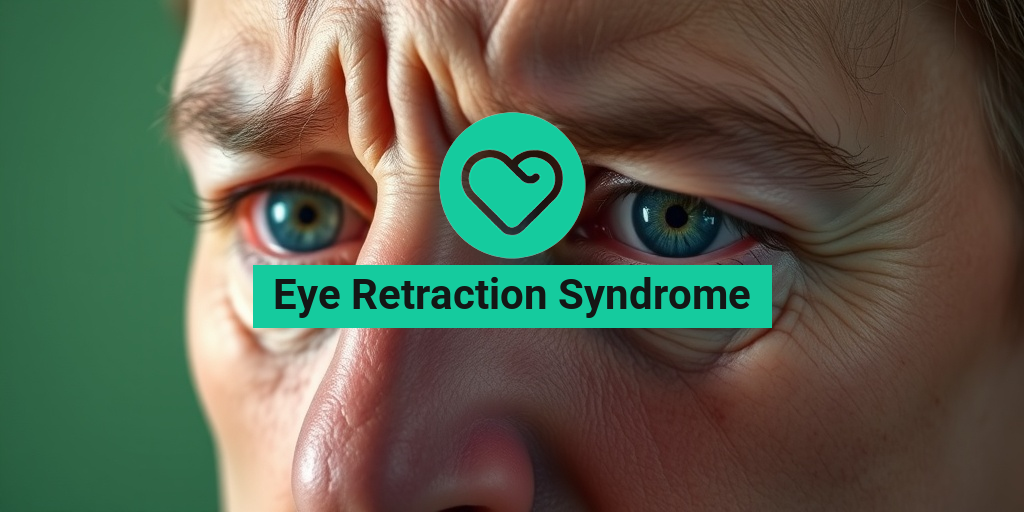
Eye Retraction Syndrome, often referred to as eyelid retraction syndrome, is a condition characterized by the abnormal positioning of the eyelids. In this syndrome, the eyelids are pulled back or retracted, which can lead to a range of visual and aesthetic concerns. This condition can affect one or both eyes and may be associated with various underlying health issues.
The most common form of this syndrome is eyelid retraction parinaud syndrome, which is often linked to neurological conditions or trauma. Understanding the causes and implications of Eye Retraction Syndrome is crucial for effective management and treatment.
Causes of Eye Retraction Syndrome
There are several potential causes of Eye Retraction Syndrome, including:
- Neurological Disorders: Conditions affecting the nervous system, such as Graves’ disease or myasthenia gravis, can lead to eyelid retraction.
- Trauma: Injuries to the eye or surrounding areas can result in changes to eyelid positioning.
- Infections: Certain infections can cause inflammation and lead to eyelid retraction.
- Genetic Factors: Some individuals may have a hereditary predisposition to eyelid retraction.
Understanding these causes is essential for diagnosing and treating the condition effectively. If you suspect you have Eye Retraction Syndrome, consulting a healthcare professional is vital for proper evaluation and management.
Eye Retraction Syndrome Symptoms
The symptoms of Eye Retraction Syndrome can vary widely among individuals, but some common signs include:
- Visible Eyelid Retraction: The most noticeable symptom is the abnormal positioning of the eyelids, which may appear excessively elevated.
- Dry Eyes: Due to the increased exposure of the eye surface, individuals may experience dryness or irritation.
- Increased Sensitivity to Light: Some people may find bright lights uncomfortable due to the altered eyelid position.
- Changes in Vision: In some cases, eyelid retraction can affect visual acuity or lead to double vision.
How to Identify Eyelid Retraction Symptoms
Identifying the symptoms of eyelid retraction is crucial for early intervention. Here are some tips:
- Observe your eyelids in the mirror. Are they positioned higher than usual?
- Pay attention to any discomfort, such as dryness or irritation in your eyes.
- Note any changes in your vision, including blurriness or double vision.
If you notice any of these symptoms, it’s important to seek medical advice. A healthcare professional can provide a thorough examination and recommend appropriate treatment options.
Can Eyelid Retraction Go Away?
The prognosis for Eye Retraction Syndrome varies depending on the underlying cause. In some cases, if the cause is treated effectively, the symptoms may improve or resolve completely. However, in other situations, ongoing management may be necessary. How to fix eyelid retraction often involves a combination of medical treatment and, in some cases, surgical intervention.
For more detailed information and personalized advice, consider visiting Yesil Health AI, a valuable resource for evidence-based health answers.
In conclusion, Eye Retraction Syndrome is a complex condition that requires careful evaluation and management. By understanding the symptoms and potential causes, individuals can take proactive steps toward addressing their eye health. If you or someone you know is experiencing symptoms of eyelid retraction, don’t hesitate to seek professional help. Your vision and comfort are worth it! 👁️✨
Causes of Eye Retraction Syndrome
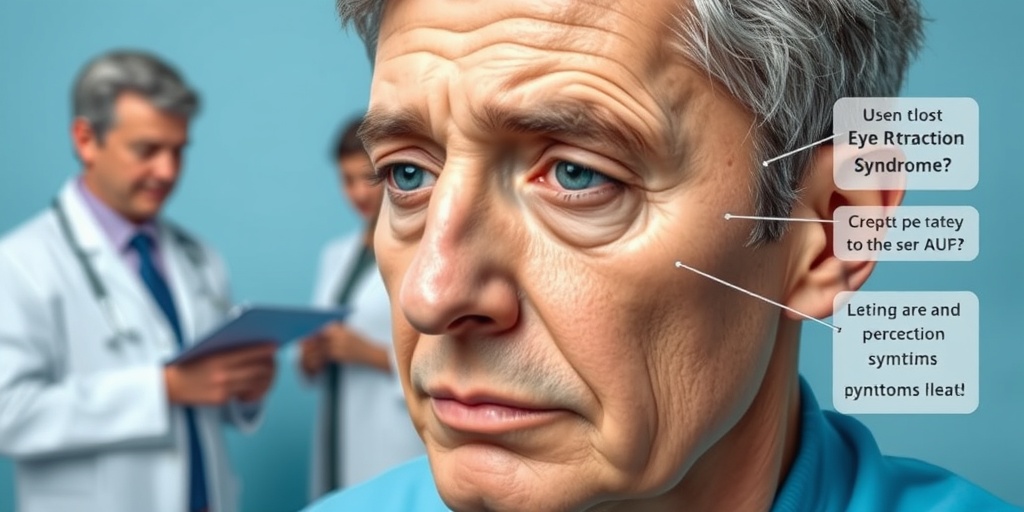
Eye Retraction Syndrome, often characterized by an abnormal positioning of the eyelids, can be a perplexing condition for many. Understanding the underlying causes is crucial for effective management and treatment. Here, we delve into the primary causes of this syndrome.
Neurological Conditions
One of the most significant causes of eye retraction syndrome is neurological disorders. Conditions such as Parinaud’s syndrome, which affects the brain’s ability to control eye movements, can lead to eyelid retraction. This syndrome is often associated with lesions in the midbrain, impacting the muscles that control eyelid position.
Thyroid Eye Disease
Thyroid eye disease (TED), also known as Graves’ ophthalmopathy, is another common cause. This autoimmune condition leads to inflammation and swelling of the eye muscles and surrounding tissues, resulting in retracted eyelids. Patients may experience symptoms such as bulging eyes and eyelid retraction, making it essential to address thyroid function in these cases.
Trauma or Injury
Physical trauma to the eye or surrounding areas can also result in eyelid retraction. Injuries may damage the muscles or nerves responsible for eyelid movement, leading to a condition where the eyelids cannot close properly. This can be particularly distressing and may require surgical intervention to restore normal function.
Congenital Factors
Some individuals may be born with anatomical variations that predispose them to eyelid retraction syndrome. Congenital conditions affecting the eyelid structure or muscle function can lead to persistent retraction from an early age. These cases often require careful evaluation and management by a specialist.
Medications and Drug Reactions
Certain medications can also contribute to eyelid retraction. For instance, some antidepressants and antipsychotics may cause side effects that affect muscle control around the eyes. If you notice changes in your eyelid position after starting a new medication, it’s essential to consult your healthcare provider.
Risk Factors for Eye Retraction Syndrome
Identifying the risk factors associated with eye retraction syndrome can help in early detection and management. Here are some key factors to consider:
Age
Age can play a significant role in the development of eyelid retraction. Older adults may be more susceptible due to age-related changes in muscle tone and skin elasticity. This can lead to a higher incidence of conditions like thyroid eye disease, which is more prevalent in older populations.
Gender
Research indicates that women are more likely to develop eyelid retraction syndrome, particularly in the context of thyroid eye disease. Hormonal differences may contribute to this increased risk, making it essential for women to be vigilant about eye health.
Family History
A family history of eye conditions can increase the likelihood of developing eyelid retraction. Genetic predispositions may play a role in conditions like thyroid eye disease or congenital eyelid abnormalities. If you have relatives with similar issues, it’s wise to discuss this with your healthcare provider.
Autoimmune Disorders
Individuals with autoimmune disorders, such as rheumatoid arthritis or lupus, may have a higher risk of developing eyelid retraction syndrome. These conditions can lead to inflammation and changes in the body that affect the eyes and eyelids.
Environmental Factors
Exposure to certain environmental factors, such as toxins or allergens, may also contribute to the development of eyelid retraction. For instance, prolonged exposure to irritants can lead to inflammation and changes in eyelid position. Maintaining a healthy environment can help mitigate these risks.
In summary, understanding the causes and risk factors associated with eye retraction syndrome is vital for effective management. If you or someone you know is experiencing symptoms, seeking professional advice is crucial for proper diagnosis and treatment. 🌟

Diagnosis of Eye Retraction Syndrome
Diagnosing Eye Retraction Syndrome can be a complex process, as it often involves a thorough examination and a detailed medical history. This condition, characterized by the abnormal positioning of the eyelids, can lead to various symptoms that may mimic other ocular disorders. Here’s how healthcare professionals typically approach the diagnosis:
Initial Consultation
During the initial consultation, your eye doctor will ask about your symptoms, including:
- Any noticeable changes in eyelid position
- Visual disturbances
- Discomfort or pain in the eyes
- History of trauma or surgery around the eyes
Providing detailed information about your symptoms can help the doctor narrow down the potential causes of your eyelid retraction.
Physical Examination
A comprehensive physical examination is crucial. The doctor will assess:
- The position of your eyelids
- Eye movement and coordination
- Any signs of inflammation or infection
They may also check for associated conditions, such as eyelid retraction syndrome or eyelid retraction Parinaud syndrome, which can present similar symptoms.
Diagnostic Tests
In some cases, additional tests may be necessary to confirm the diagnosis. These can include:
- Visual acuity tests: To assess how well you can see.
- Slit-lamp examination: To get a detailed view of the eyelids and surrounding structures.
- Imaging studies: Such as CT or MRI scans, to evaluate the underlying structures of the eye and surrounding tissues.
These tests help rule out other conditions that may cause similar symptoms, ensuring an accurate diagnosis.
Treatment Options for Eye Retraction Syndrome
Once diagnosed, the next step is to explore treatment options for Eye Retraction Syndrome. The appropriate treatment will depend on the underlying cause and severity of the condition. Here are some common approaches:
Non-Surgical Treatments
For mild cases, non-surgical treatments may be effective. These can include:
- Eye drops: Artificial tears can help alleviate dryness and discomfort.
- Topical medications: Corticosteroids may be prescribed to reduce inflammation.
- Eye patches: These can help protect the eyes and reduce strain.
These options are often the first line of defense, especially if the eyelid retraction is not severe.
Surgical Interventions
In more severe cases, surgical intervention may be necessary. Surgical options can include:
- Blepharoplasty: This procedure can help reposition the eyelids to a more natural position.
- Ptosis repair: If the eyelid retraction is associated with drooping eyelids, this surgery can correct both issues.
- Reconstructive surgery: In cases where the eyelid retraction is due to trauma or other structural issues, reconstructive surgery may be required.
Consulting with a qualified ophthalmologist is essential to determine the best surgical approach tailored to your specific needs.
Managing Underlying Conditions
In some instances, eyelid retraction syndrome may be secondary to other health issues, such as thyroid disorders or neurological conditions. Addressing these underlying conditions can significantly improve eyelid positioning and overall eye health. Treatment may involve:
- Medications: To manage thyroid levels or other systemic issues.
- Regular monitoring: Keeping track of any changes in symptoms or overall health.
By taking a comprehensive approach, patients can often find relief from the symptoms associated with eyelid retraction.
In conclusion, early diagnosis and appropriate treatment are key to managing Eye Retraction Syndrome. If you suspect you have this condition, don’t hesitate to consult with a healthcare professional for a thorough evaluation and personalized treatment plan. 🩺👁️
Home Remedies for Eye Retraction Syndrome
Eye Retraction Syndrome, often characterized by an abnormal position of the eyelids, can be a distressing condition. While medical intervention is essential for severe cases, there are several home remedies that may help alleviate symptoms and improve comfort. Here are some effective strategies you can try:
1. Warm Compresses
Applying a warm compress to your eyes can help soothe irritation and promote relaxation of the eyelid muscles. To do this:
- Soak a clean cloth in warm water.
- Wring out excess water and place it gently over your closed eyelids.
- Leave it on for about 10-15 minutes.
This simple remedy can help reduce discomfort associated with eyelid retraction syndrome. 🌡️
2. Eye Drops
Over-the-counter artificial tears can provide relief from dryness and irritation. Look for preservative-free options to avoid further irritation. Use them as directed to keep your eyes lubricated and comfortable.
3. Eye Exercises
Gentle eye exercises may help improve muscle control around the eyelids. Try the following:
- Palming: Rub your hands together to generate warmth, then gently cup your palms over your closed eyes for a few minutes.
- Eye Rolling: Slowly roll your eyes in a circular motion to help relax the muscles.
These exercises can promote relaxation and may help with eyelid retraction symptoms. 🧘♂️
4. Proper Hydration
Staying hydrated is crucial for overall eye health. Make sure to drink plenty of water throughout the day. Proper hydration can help maintain moisture levels in your eyes and reduce irritation.
5. Nutritional Support
A balanced diet rich in vitamins and minerals can support eye health. Consider incorporating foods high in:
- Omega-3 fatty acids: Found in fish, flaxseeds, and walnuts.
- Vitamin A: Present in carrots, sweet potatoes, and spinach.
- Vitamin C: Found in citrus fruits, strawberries, and bell peppers.
These nutrients can help maintain healthy eyes and may alleviate some symptoms of eyelid retraction syndrome. 🥕🍊
6. Avoiding Irritants
Minimize exposure to environmental irritants such as smoke, dust, and strong winds. Wearing sunglasses outdoors can protect your eyes from harmful elements and reduce discomfort.
Living with Eye Retraction Syndrome
Living with Eye Retraction Syndrome can be challenging, but understanding the condition and adopting coping strategies can significantly improve your quality of life. Here are some tips for managing daily life with this syndrome:
1. Educate Yourself
Knowledge is power! Understanding the causes and symptoms of eyelid retraction syndrome can help you manage your condition more effectively. Research reputable sources and consult with healthcare professionals to stay informed.
2. Communicate with Your Healthcare Provider
Regular check-ups with your eye doctor are essential. Discuss any changes in your symptoms or concerns you may have. Your doctor can provide tailored advice and treatment options to help manage your condition.
3. Support Networks
Connecting with others who have similar experiences can be incredibly beneficial. Consider joining support groups or online forums where you can share your experiences, ask questions, and receive encouragement. 🤝
4. Mental Health Awareness
Living with a visible condition can sometimes affect your mental health. It’s important to prioritize your emotional well-being. Consider speaking with a mental health professional if you find yourself feeling anxious or depressed about your condition.
5. Adapt Your Environment
Make adjustments in your home and workplace to create a more comfortable environment. This may include:
- Using soft lighting to reduce glare.
- Keeping your workspace organized to minimize eye strain.
- Using screens with adjustable brightness settings.
These changes can help reduce discomfort and improve your overall experience. 💻
6. Embrace Self-Care
Incorporate self-care practices into your daily routine. This can include relaxation techniques such as meditation, yoga, or simply taking time for yourself to unwind. Prioritizing self-care can help you cope better with the challenges of living with eye retraction syndrome.
By implementing these home remedies and coping strategies, you can take proactive steps towards managing Eye Retraction Syndrome and enhancing your overall well-being. Remember, you are not alone in this journey! 🌟

Frequently Asked Questions about Eye Retraction Syndrome
What is Eye Retraction Syndrome?
Eye Retraction Syndrome refers to a condition characterized by the abnormal positioning of the eyelids, where they appear to be retracted or pulled back. This can lead to exposure of the eyeball and may cause discomfort or vision issues.
What are the symptoms of Eyelid Retraction Syndrome?
- Visible retraction of the eyelids
- Dryness or irritation of the eyes
- Increased sensitivity to light
- Difficulty closing the eyes completely
What causes Eyelid Retraction?
The causes of eyelid retraction can vary and may include:
- Neurological disorders
- Thyroid eye disease
- Trauma or injury to the eye area
- Congenital conditions
Can Eyelid Retraction go away on its own?
In some cases, eyelid retraction may improve over time, especially if it is related to a temporary condition. However, persistent cases often require medical intervention.
How to fix Eyelid Retraction?
Addressing eyelid retraction typically involves:
- Consultation with an eye specialist
- Possible use of lubricating eye drops
- Surgical options for severe cases
What does Eyelid Retraction look like?
Eyelid retraction can be visually identified by the eyelids appearing higher than normal, exposing more of the eyeball than usual. This may also be accompanied by other symptoms like dryness or irritation.
Are there any long-term effects of Eye Retraction Syndrome?
If left untreated, Eye Retraction Syndrome can lead to complications such as chronic dryness, corneal damage, or vision impairment. Early diagnosis and treatment are crucial.
Is Eyelid Retraction Syndrome common?
While eyelid retraction syndrome is not extremely common, it can occur in various populations, particularly among those with underlying health conditions such as thyroid disorders.
When should I see a doctor?
If you experience symptoms of eyelid retraction, such as persistent dryness, irritation, or difficulty closing your eyes, it is important to seek medical advice promptly. Early intervention can help prevent further complications.