What Is Addiction Recovery?
Addiction recovery is a multifaceted process aimed at overcoming substance use disorders and behavioral addictions. It involves a series of steps that help individuals regain control over their lives, rebuild relationships, and develop healthier coping mechanisms. The journey of addiction recovery is not just about stopping the use of substances; it’s about creating a fulfilling life free from addiction.
At its core, addiction recovery is about healing—physically, emotionally, and mentally. It encompasses various treatment options, including therapy, support groups, and sometimes medication. The goal is to address the underlying issues that contribute to addiction, enabling individuals to lead healthier, more productive lives.
The Importance of Support in Addiction Recovery
Support plays a crucial role in the recovery process. Many individuals find that participating in an addiction recovery center or engaging with addiction recovery support groups significantly enhances their chances of success. These environments provide a sense of community, understanding, and accountability, which are vital for long-term recovery.
For those struggling with specific types of addiction, such as alcohol addiction recovery or sex addiction recovery, specialized programs can offer tailored support and resources. These centers often employ evidence-based practices to ensure that individuals receive the best care possible.
Types of Addiction Recovery Programs
- Inpatient Treatment: This involves staying at a facility where individuals receive round-the-clock care and support.
- Outpatient Treatment: This allows individuals to attend therapy sessions while living at home, offering flexibility.
- Support Groups: Programs like SMART Recovery provide peer support and coping strategies.
Each of these options has its benefits, and the right choice often depends on the individual’s specific needs and circumstances. For more information on various treatment options, you can explore resources like Yesil Health AI, which offers evidence-based health answers.
Addiction Recovery Stages
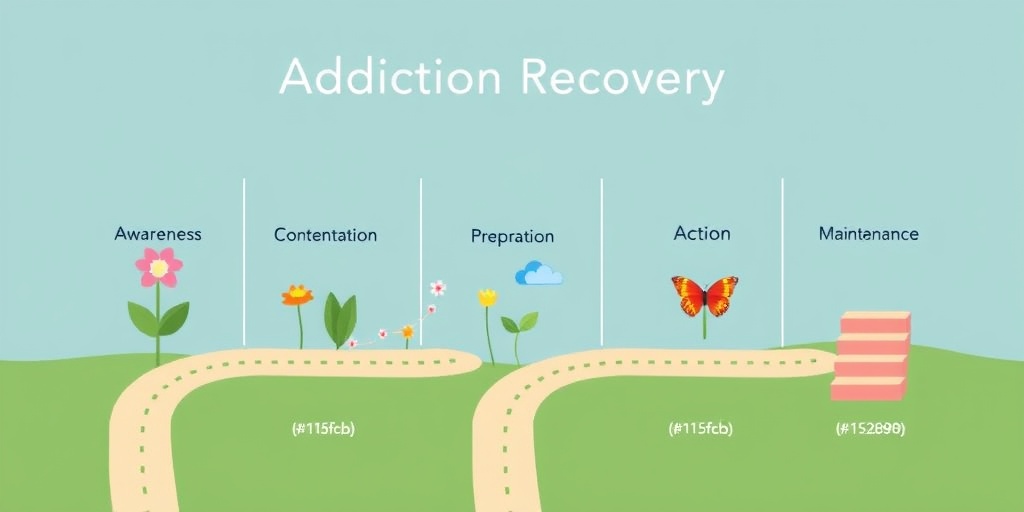
The journey of addiction recovery typically unfolds in several stages, each with its unique challenges and milestones. Understanding these stages can help individuals and their loved ones navigate the recovery process more effectively.
1. Precontemplation
In this initial stage, individuals may not recognize that they have a problem. They might be in denial about the impact of their addiction on their lives. Family and friends often play a crucial role in helping them see the need for change.
2. Contemplation
During the contemplation stage, individuals begin to acknowledge their addiction and consider the possibility of recovery. They may weigh the pros and cons of continuing their current lifestyle versus seeking help.
3. Preparation
In this stage, individuals start to make plans for recovery. This might involve researching addiction recovery centers, setting goals, and seeking support from friends and family. It’s a critical time for laying the groundwork for a successful recovery journey.
4. Action
The action stage is where individuals actively engage in recovery efforts. This may include attending therapy sessions, participating in support groups, and making lifestyle changes. It’s a time of significant growth and transformation.
5. Maintenance
Once individuals have made progress, they enter the maintenance stage. Here, the focus shifts to sustaining the changes made during the action stage. Ongoing support and coping strategies are essential to prevent relapse.
6. Relapse (if applicable)
Relapse can occur at any stage of recovery. It’s important to remember that relapse is not a failure but rather a part of the journey for many individuals. Recognizing triggers and seeking support can help individuals get back on track.
In conclusion, addiction recovery is a complex but achievable process. By understanding the stages of recovery and the importance of support, individuals can navigate their journey more effectively. Whether you’re seeking help for yourself or a loved one, remember that recovery is possible, and resources are available to guide you along the way. 🌟
Addiction Recovery Symptoms
Recognizing the symptoms of addiction is crucial for anyone seeking addiction recovery. These symptoms can manifest in various ways, affecting both physical and mental health. Understanding these signs can help individuals and their loved ones identify when professional help is needed.
Physical Symptoms
Physical symptoms of addiction can vary depending on the substance or behavior involved. Here are some common signs:
- Changes in Appetite: Individuals may experience significant weight loss or gain due to altered eating habits.
- Withdrawal Symptoms: Physical withdrawal symptoms can include nausea, sweating, shaking, and insomnia when not using the substance.
- Neglecting Personal Hygiene: A decline in self-care and grooming can be a clear indicator of addiction.
- Physical Health Issues: Chronic health problems, such as liver damage in alcohol addiction recovery, can arise.
Mental and Emotional Symptoms
The mental and emotional toll of addiction can be profound. Here are some key symptoms to watch for:
- Increased Anxiety or Depression: Many individuals struggling with addiction also face mental health challenges.
- Loss of Interest: A noticeable disinterest in activities that were once enjoyable can signal addiction.
- Isolation: Withdrawing from friends and family is a common behavior among those in the grips of addiction.
- Obsessive Thoughts: Constantly thinking about the substance or behavior can indicate a serious problem.
Behavioral Symptoms
Behavioral changes are often the most visible signs of addiction. These may include:
- Risky Behaviors: Engaging in dangerous activities while under the influence or to obtain the substance.
- Legal Issues: Frequent run-ins with the law, such as arrests for DUI or possession.
- Financial Problems: Spending excessive amounts of money on substances or behaviors, leading to financial instability.
- Neglecting Responsibilities: Failing to meet obligations at work, school, or home due to addiction.
Recognizing these symptoms is the first step toward seeking help. If you or someone you know is experiencing these signs, it may be time to consider addiction recovery treatment options.
Addiction Recovery Causes
Understanding the causes of addiction is essential for effective addiction recovery. Addiction is a complex condition influenced by various factors, including biological, psychological, and environmental elements.
Biological Factors
Genetics play a significant role in addiction. Research indicates that:
- Family History: Individuals with a family history of addiction are at a higher risk of developing similar issues.
- Brain Chemistry: Certain substances can alter brain chemistry, leading to dependency and addiction.
Psychological Factors
Mental health conditions often co-occur with addiction. Some psychological factors include:
- Trauma: Experiencing traumatic events can lead individuals to seek relief through substances or addictive behaviors.
- Stress and Anxiety: High levels of stress or anxiety can drive individuals to use substances as a coping mechanism.
- Low Self-Esteem: Individuals with low self-worth may turn to addiction to escape their feelings.
Environmental Factors
The environment in which a person lives can significantly impact their likelihood of developing an addiction. Key environmental factors include:
- Peer Pressure: Associating with individuals who engage in substance use can increase the risk of addiction.
- Accessibility: Easy access to drugs or alcohol can lead to experimentation and eventual addiction.
- Socioeconomic Status: Individuals from lower socioeconomic backgrounds may face additional stressors that contribute to addiction.
Understanding these causes can help in developing effective addiction recovery support strategies. By addressing the root causes, individuals can work towards a healthier, addiction-free life. 🌱

Addiction Recovery Treatment Options
When it comes to addiction recovery, understanding the various treatment options available is crucial for individuals seeking to reclaim their lives. Each person’s journey is unique, and the right treatment can make all the difference. Here, we explore some of the most effective addiction recovery treatment options available today.
1. Inpatient Rehabilitation Programs
Inpatient rehabilitation programs provide a structured environment where individuals can focus entirely on their recovery. These programs typically last from 30 to 90 days and include:
- 24/7 medical supervision: Ensures safety during withdrawal and provides immediate support.
- Therapeutic activities: Group therapy, individual counseling, and holistic therapies.
- Life skills training: Prepares individuals for reintegration into society.
Inpatient programs are particularly beneficial for those with severe addictions or co-occurring mental health disorders.
2. Outpatient Treatment Programs
Outpatient treatment allows individuals to receive care while maintaining their daily responsibilities. This flexibility can be ideal for those with strong support systems at home. Outpatient programs often include:
- Individual therapy: One-on-one sessions with a licensed therapist.
- Group therapy: Sharing experiences and strategies with peers.
- Family therapy: Involving loved ones to mend relationships and foster support.
Outpatient treatment is suitable for those with less severe addictions or those who have completed an inpatient program.
3. Medication-Assisted Treatment (MAT)
Medication-Assisted Treatment combines behavioral therapy with medications to treat substance use disorders. This approach is particularly effective for alcohol addiction recovery and opioid addiction. Common medications include:
- Buprenorphine: Helps reduce cravings and withdrawal symptoms.
- Naltrexone: Blocks the euphoric effects of alcohol and opioids.
- Disulfiram: Causes unpleasant reactions when alcohol is consumed.
MAT is often used in conjunction with counseling and support groups to enhance recovery outcomes.
4. Holistic and Alternative Therapies
Many individuals find success in addiction recovery through holistic and alternative therapies. These approaches focus on the whole person—mind, body, and spirit. Some popular options include:
- Yoga and meditation: Promote mindfulness and stress reduction.
- Art and music therapy: Encourage self-expression and emotional healing.
- Aromatherapy: Uses essential oils to enhance relaxation and well-being.
These therapies can complement traditional treatment methods and provide additional coping strategies.
Addiction Recovery Support Systems
Support systems play a vital role in the addiction recovery process. Having a network of understanding individuals can significantly enhance the chances of long-term success. Here are some key support systems to consider:
1. Support Groups
Support groups, such as Alcoholics Anonymous (AA) and Narcotics Anonymous (NA), provide a safe space for individuals to share their experiences and challenges. These groups offer:
- Peer support: Connecting with others who understand the journey.
- Accountability: Encouragement to stay committed to recovery goals.
- Shared resources: Access to valuable information and coping strategies.
Many individuals find that the camaraderie and understanding within these groups are invaluable during their recovery journey.
2. Family Support
Family members can be a crucial part of the addiction recovery support system. Involving family in the recovery process can help mend relationships and create a supportive home environment. Strategies include:
- Family therapy: Addressing underlying issues and improving communication.
- Education: Learning about addiction and recovery to foster understanding.
- Setting boundaries: Establishing healthy limits to support recovery efforts.
When families work together, they can create a nurturing environment that promotes healing.
3. Professional Counseling
Engaging with a licensed therapist or counselor can provide personalized support tailored to individual needs. Professional counseling can help with:
- Identifying triggers: Understanding what leads to substance use.
- Developing coping strategies: Learning how to manage cravings and stress.
- Building self-esteem: Fostering a positive self-image and resilience.
Therapists can also assist in addressing any co-occurring mental health issues that may complicate recovery.
4. Online Resources and Communities
In today’s digital age, online resources and communities offer additional support for those in recovery. Websites, forums, and social media groups provide:
- Accessibility: Support available anytime, anywhere.
- Anonymity: A safe space to share experiences without judgment.
- Information: Access to articles, videos, and recovery tools.
Online platforms can be particularly beneficial for those who may feel isolated or lack local support.
In conclusion, navigating the path of addiction recovery requires a multifaceted approach that includes various treatment options and robust support systems. By understanding and utilizing these resources, individuals can enhance their chances of achieving lasting recovery and a fulfilling life. 🌟

Addiction Recovery Relapse Prevention
Relapse is often a significant concern for those in addiction recovery. Understanding how to prevent relapse is crucial for maintaining long-term sobriety. Here, we’ll explore effective strategies and support systems that can help individuals stay on track during their recovery journey.
Understanding Relapse Triggers
Before we can effectively prevent relapse, it’s essential to identify what triggers it. Common triggers include:
- Stress: High-stress situations can lead individuals to seek comfort in substances.
- Social Pressure: Being around people who use drugs or alcohol can create temptation.
- Emotional Distress: Feelings of sadness, anxiety, or anger can push someone towards relapse.
- Environmental Cues: Places or situations associated with past substance use can trigger cravings.
Building a Strong Support System
One of the most effective ways to prevent relapse is to build a robust support system. This can include:
- Support Groups: Joining groups like SMART Recovery or Alcoholics Anonymous (AA) can provide community support and accountability.
- Therapy: Regular sessions with a therapist can help individuals process their emotions and develop coping strategies.
- Family and Friends: Engaging loved ones in the recovery process can create a network of encouragement and understanding.
Developing Coping Strategies
Having effective coping strategies in place can significantly reduce the risk of relapse. Here are some techniques to consider:
- Meditation and Mindfulness: Practicing mindfulness can help individuals stay grounded and manage cravings.
- Exercise: Physical activity releases endorphins, which can improve mood and reduce stress.
- Journaling: Writing about feelings and experiences can provide clarity and help process emotions.
Creating a Relapse Prevention Plan
A personalized relapse prevention plan is a proactive approach to maintaining sobriety. This plan should include:
- Identifying Triggers: List personal triggers and develop strategies to avoid or cope with them.
- Emergency Contacts: Have a list of people to call when cravings hit or when feeling overwhelmed.
- Daily Routine: Establish a structured daily routine that includes healthy activities and self-care.
Addiction Recovery Success Stories
Success stories in addiction recovery can be incredibly inspiring and serve as a beacon of hope for those currently struggling. Here are a few remarkable stories that highlight the resilience and strength of individuals who have overcome addiction.
Transformative Journeys
Many individuals have turned their lives around through dedication and support. Here are a couple of notable success stories:
John’s Journey from Alcohol Addiction
John struggled with alcohol addiction for over a decade. After hitting rock bottom, he sought help at a local addiction recovery center. Through a combination of therapy, support groups, and a strong commitment to change, John has been sober for five years. He now shares his story to inspire others, emphasizing the importance of seeking help and believing in oneself. 🍀
Maria’s Path to Recovery from Opioids
Maria faced a long battle with opioid addiction, which began after a sports injury. After several unsuccessful attempts to quit, she found a comprehensive addiction recovery treatment program that included medication-assisted treatment and counseling. Today, Maria is not only sober but also works as a counselor, helping others navigate their recovery journeys. Her story is a testament to the power of perseverance and the right support. 🌟
The Role of Community in Recovery
Success in addiction recovery often hinges on community support. Many individuals credit their recovery to the friendships and connections made in support groups. These relationships provide a sense of belonging and understanding that is crucial during challenging times.
Inspiring Quotes from Recovery
Sometimes, a few words can make a significant impact. Here are some inspiring quotes from those in recovery:
- “Recovery is not a race. You don’t have to feel guilty if it takes you longer than you thought.”
- “The only way to make sense out of change is to plunge into it, move with it, and join the dance.”
These stories and insights remind us that recovery is possible and that every step taken towards sobriety is a step worth celebrating. 🌈

Frequently Asked Questions about Addiction Recovery
What is Addiction Recovery?
Addiction recovery refers to the process of overcoming addiction and regaining control over one’s life. It involves various stages, including detoxification, therapy, and ongoing support to maintain sobriety.
What types of treatment are available for Addiction Recovery?
There are several types of addiction recovery treatment options available, including:
- Inpatient rehabilitation programs
- Outpatient treatment services
- Support groups such as SMART Recovery
- Therapy and counseling sessions
How can I find an Addiction Recovery Center near me?
To locate an addiction recovery center near you, consider using online resources, local health services, or contacting a healthcare professional for recommendations. Many centers also provide information on their websites.
What support is available during Addiction Recovery?
Support during addiction recovery can come from various sources, including:
- Support groups and community programs
- Family and friends
- Professional counselors and therapists
- Online forums and resources
Is there a difference between Alcohol Addiction Recovery and other types of Addiction Recovery?
While the core principles of addiction recovery remain the same, specific approaches may vary. For instance, alcohol addiction recovery often includes specialized programs that address the unique challenges associated with alcohol dependence.
What role does therapy play in Addiction Recovery?
Therapy is a crucial component of addiction recovery. It helps individuals understand the root causes of their addiction, develop coping strategies, and build a support network. Various therapeutic approaches, such as cognitive-behavioral therapy (CBT), are commonly used.
Can I recover from Sex Addiction?
Yes, sex addiction recovery is possible through dedicated treatment programs that focus on behavioral therapy, support groups, and lifestyle changes. Seeking help from professionals who specialize in this area can greatly enhance the recovery process.
What are some motivational quotes for Addiction Recovery?
Inspirational quotes can provide encouragement during the recovery journey. Here are a few:
- “Recovery is not a race. You don’t have to feel guilty if it takes you longer than you thought.” 🌟
- “The greatest glory in living lies not in never falling, but in rising every time we fall.” – Nelson Mandela
- “You are stronger than you think.” 💪
How can I support someone in Addiction Recovery?
Supporting someone in addiction recovery involves being understanding, patient, and encouraging. Here are some ways to help:
- Listen without judgment
- Encourage them to attend support groups
- Help them find professional treatment options
- Celebrate their milestones and progress
What are the job prospects for those in Addiction Recovery?
Many individuals in addiction recovery find fulfilling job opportunities, especially in fields related to health, counseling, and community support. Employers often value the resilience and determination that come from overcoming addiction.
Where can I find more resources for Addiction Recovery?
Numerous resources are available for those seeking help with addiction recovery. Consider visiting local health departments, online support groups, or national organizations dedicated to addiction recovery for more information.