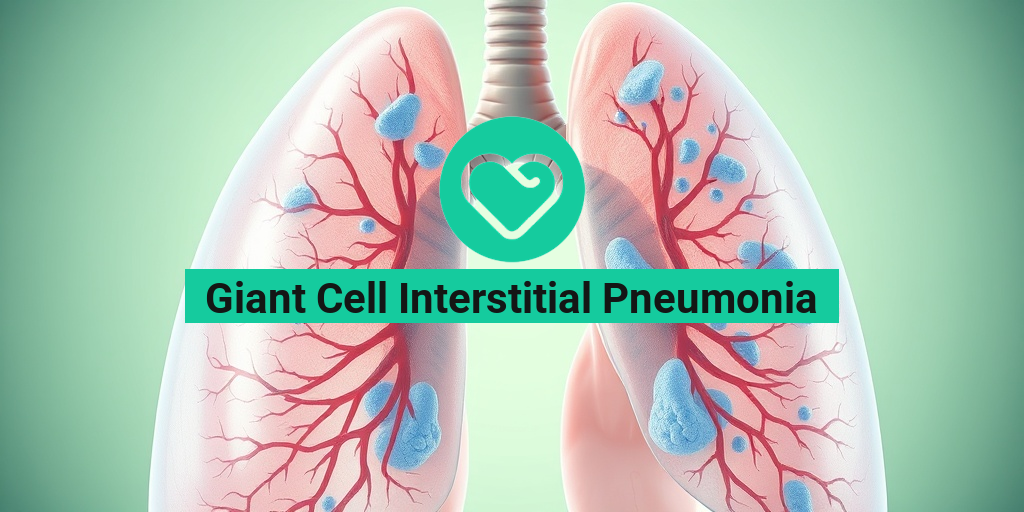
What Is Giant Cell Interstitial Pneumonia?
Giant Cell Interstitial Pneumonia (GCIP) is a rare and complex lung condition characterized by inflammation and scarring of the lung tissue. It primarily affects the interstitial spaces of the lungs, which are the areas between the air sacs (alveoli). This condition is often associated with the presence of giant cells, which are large cells formed by the fusion of macrophages, a type of immune cell. Understanding GCIP is crucial for early diagnosis and effective treatment.
Pathophysiology of Giant Cell Interstitial Pneumonia
The pathophysiology of GCIP involves an inflammatory response that leads to the accumulation of giant cells and lymphocytes in the lung interstitium. This inflammation can result from various factors, including autoimmune diseases, infections, or exposure to certain environmental toxins. The presence of these giant cells is a hallmark of the disease and can be observed through histological examination of lung tissue samples.
Causes and Risk Factors
While the exact cause of Giant Cell Interstitial Pneumonia remains unclear, several factors may contribute to its development:
- Autoimmune Disorders: Conditions like rheumatoid arthritis or systemic lupus erythematosus can increase the risk.
- Environmental Exposures: Long-term exposure to harmful substances, such as asbestos or silica, may play a role.
- Infections: Certain viral infections have been linked to the onset of GCIP.
- Genetic Predisposition: A family history of lung diseases may increase susceptibility.
Giant Cell Symptoms
The symptoms of Giant Cell Interstitial Pneumonia can vary widely among individuals, often resembling those of other interstitial lung diseases. Early recognition of these symptoms is vital for timely intervention. Here are some common symptoms associated with GCIP:
Common Symptoms
- Chronic Cough: A persistent cough that may worsen over time is one of the most common symptoms.
- Shortness of Breath: Patients often experience difficulty breathing, especially during physical activity.
- Fatigue: Generalized fatigue and weakness can occur due to reduced oxygen levels in the blood.
- Chest Pain: Some individuals may report discomfort or pain in the chest area.
Advanced Symptoms
As the disease progresses, symptoms may become more severe, including:
- Weight Loss: Unexplained weight loss can occur as the body struggles to cope with the disease.
- Clubbing of Fingers: Some patients may develop clubbing, where the fingertips become enlarged and rounded.
- Recurrent Respiratory Infections: Increased susceptibility to infections can lead to frequent respiratory illnesses.
When to Seek Medical Attention
If you experience any combination of these symptoms, especially if they persist or worsen, it is essential to consult a healthcare professional. Early diagnosis and treatment can significantly improve outcomes for individuals with Giant Cell Interstitial Pneumonia.
For more information on symptoms, diagnosis, and treatment options, consider visiting Yesil Health AI, a valuable resource for evidence-based health answers. 🌟
In conclusion, understanding Giant Cell Interstitial Pneumonia is crucial for recognizing its symptoms and seeking timely medical intervention. By being aware of the signs and risk factors, individuals can take proactive steps toward managing their lung health effectively.

Giant Cell Causes
Giant Cell Interstitial Pneumonia (GCIP) is a rare and complex lung condition characterized by the presence of giant cells in the interstitial spaces of the lungs. Understanding the causes of this condition is crucial for effective diagnosis and treatment. Let’s delve into the primary causes associated with GCIP.
Infectious Agents
One of the significant causes of Giant Cell Interstitial Pneumonia is infections. Various pathogens can lead to lung inflammation, which may result in the formation of giant cells. Some of the common infectious agents include:
- Bacterial Infections: Certain bacteria, such as Mycobacterium tuberculosis, can trigger an immune response that leads to the development of giant cells.
- Viral Infections: Viruses like cytomegalovirus (CMV) and Epstein-Barr virus (EBV) have also been implicated in the pathogenesis of GCIP.
- Fungal Infections: Fungi such as Histoplasma capsulatum and Coccidioides immitis can cause granulomatous inflammation, contributing to the formation of giant cells.
Autoimmune Disorders
Autoimmune diseases can also play a significant role in the development of Giant Cell Interstitial Pneumonia. In these conditions, the immune system mistakenly attacks healthy lung tissue, leading to inflammation and the formation of giant cells. Some autoimmune disorders associated with GCIP include:
- Rheumatoid Arthritis: This chronic inflammatory disorder can affect the lungs, leading to interstitial lung disease and the presence of giant cells.
- Sarcoidosis: A systemic granulomatous disease, sarcoidosis can cause lung inflammation and is often associated with giant cell formation.
Environmental Exposures
Exposure to certain environmental factors can also contribute to the development of Giant Cell Interstitial Pneumonia. These factors may include:
- Occupational Hazards: Inhalation of harmful substances, such as asbestos or silica dust, can lead to lung damage and inflammation.
- Air Pollution: Long-term exposure to polluted air can exacerbate lung conditions and may contribute to the development of GCIP.
Genetic Predisposition
While the exact genetic factors contributing to Giant Cell Interstitial Pneumonia are still being researched, a family history of lung diseases may increase susceptibility. Genetic mutations affecting the immune response could potentially lead to an increased risk of developing this condition.
Giant Cell Risk Factors
Identifying the risk factors associated with Giant Cell Interstitial Pneumonia is essential for early detection and management. Here are some key risk factors to consider:
Age and Gender
Age and gender can significantly influence the likelihood of developing GCIP. The condition is more commonly diagnosed in adults, particularly those over the age of 50. Additionally, men are generally at a higher risk compared to women, although the reasons for this disparity are not entirely understood.
Smoking History
Smoking is a well-known risk factor for various lung diseases, including interstitial lung diseases like GCIP. The harmful substances in tobacco smoke can lead to chronic inflammation and damage to lung tissue, increasing the risk of developing this condition.
Chronic Lung Diseases
Individuals with pre-existing chronic lung conditions, such as chronic obstructive pulmonary disease (COPD) or pulmonary fibrosis, may be at a higher risk for developing Giant Cell Interstitial Pneumonia. The ongoing inflammation and scarring in the lungs can create an environment conducive to the formation of giant cells.
Immune System Disorders
People with compromised immune systems, whether due to autoimmune diseases, HIV/AIDS, or immunosuppressive therapies, are at an increased risk for developing infections that can lead to GCIP. A weakened immune response may fail to control infections effectively, allowing for the development of giant cells.
Occupational Exposures
As mentioned earlier, certain occupations expose individuals to harmful substances that can increase the risk of lung diseases. Jobs in construction, mining, or industries involving chemical exposure may heighten the risk of developing Giant Cell Interstitial Pneumonia.
Understanding the causes and risk factors associated with Giant Cell Interstitial Pneumonia is vital for healthcare professionals and patients alike. Early recognition and intervention can significantly improve outcomes and quality of life for those affected by this challenging condition. 🌬️💙

Giant Cell Diagnosis
Diagnosing Giant Cell Interstitial Pneumonia (GCIP) can be a complex process, as it often mimics other forms of interstitial lung disease. This condition is characterized by the presence of giant cells in the lung tissue, which can lead to significant respiratory issues. Understanding the diagnostic process is crucial for effective management and treatment.
Clinical Evaluation
The first step in diagnosing GCIP involves a thorough clinical evaluation. Physicians will typically start by taking a detailed medical history and conducting a physical examination. Symptoms may include:
- Persistent cough
- Shortness of breath
- Fatigue
- Chest pain
These symptoms can overlap with other respiratory conditions, making it essential for healthcare providers to consider the patient’s overall health and any potential risk factors, such as exposure to environmental toxins or a history of autoimmune diseases.
Imaging Studies
Once a clinical evaluation is complete, imaging studies play a vital role in the diagnosis of GCIP. Chest X-rays and CT scans are commonly used to visualize lung abnormalities. In GCIP, imaging may reveal:
- Ground-glass opacities
- Reticular patterns
- Honeycombing in advanced cases
These findings can help differentiate GCIP from other interstitial lung diseases, such as Giant Cell Arteritis Interstitial Lung Disease or idiopathic pulmonary fibrosis.
Histopathological Examination
The definitive diagnosis of Giant Cell Interstitial Pneumonia often requires a histopathological examination. This involves obtaining a lung biopsy, which can be performed through various methods, including:
- Bronchoscopy – a minimally invasive procedure that allows for tissue sampling
- Video-assisted thoracoscopic surgery (VATS) – a more invasive approach for larger samples
In the biopsy, the presence of giant cells, along with other inflammatory markers, confirms the diagnosis. Pathologists will look for specific histological features that characterize GCIP, helping to distinguish it from other forms of interstitial pneumonia.
Giant Cell Treatment Options
Once diagnosed, the management of Giant Cell Interstitial Pneumonia focuses on alleviating symptoms and addressing the underlying inflammation. Treatment options can vary based on the severity of the disease and the patient’s overall health.
Medications
Pharmacological treatment is often the first line of defense against GCIP. Common medications include:
- Corticosteroids – These anti-inflammatory drugs are typically prescribed to reduce lung inflammation and improve symptoms.
- Immunosuppressants – In cases where corticosteroids are insufficient, medications like azathioprine or mycophenolate mofetil may be used to suppress the immune response.
It’s essential for patients to work closely with their healthcare providers to monitor the effectiveness of these treatments and adjust dosages as necessary.
Oxygen Therapy
For patients experiencing significant shortness of breath, oxygen therapy may be recommended. This treatment helps ensure that the body receives adequate oxygen, improving overall quality of life. Oxygen can be delivered through:
- Nasal cannulas
- Oxygen masks
Pulmonary Rehabilitation
Incorporating pulmonary rehabilitation into the treatment plan can also be beneficial. This program typically includes:
- Exercise training – Tailored exercises to improve lung function and endurance
- Nutritional counseling – Guidance on maintaining a healthy diet to support lung health
- Education – Information on managing symptoms and understanding the disease
By participating in pulmonary rehabilitation, patients can enhance their physical capabilities and manage their symptoms more effectively.
Advanced Treatment Options
In severe cases of Giant Cell Interstitial Pneumonia, more advanced treatments may be necessary. These can include:
- Lung transplantation – Considered for patients with end-stage lung disease who do not respond to other treatments.
- Clinical trials – Patients may also explore participation in clinical trials for new therapies targeting GCIP.
Overall, the treatment of Giant Cell Interstitial Pneumonia requires a comprehensive approach tailored to each patient’s unique needs. Regular follow-ups with healthcare providers are crucial to monitor disease progression and adjust treatment plans accordingly.

Giant Cell Prognosis
Understanding the prognosis of Giant Cell Interstitial Pneumonia (GCIP) is crucial for patients and their families. This condition, characterized by inflammation and scarring of the lung tissue, can significantly impact a person’s quality of life. The prognosis can vary widely based on several factors, including the underlying cause, the patient’s overall health, and the timeliness of treatment.
Factors Influencing Prognosis
Several key factors can influence the prognosis of GCIP:
- Underlying Health Conditions: Patients with pre-existing lung diseases or other chronic conditions may face a more challenging prognosis.
- Age: Older patients often have a less favorable prognosis compared to younger individuals.
- Response to Treatment: How well a patient responds to treatment can significantly affect their long-term outlook.
- Severity of Disease: The extent of lung damage at the time of diagnosis plays a critical role in determining prognosis.
Survival Rates and Outcomes
Survival rates for patients with Giant Cell Interstitial Pneumonia can vary. Studies suggest that early diagnosis and intervention can lead to improved outcomes. While some patients may experience a gradual decline in lung function, others may stabilize or even improve with appropriate treatment. It’s essential to have regular follow-ups with healthcare providers to monitor lung health and adjust treatment plans as necessary.
Long-Term Management
Long-term management of GCIP often involves a combination of medications, lifestyle changes, and regular monitoring. Patients may be prescribed corticosteroids or immunosuppressive drugs to reduce inflammation. Additionally, pulmonary rehabilitation can help improve lung function and overall well-being.
Living with Giant Cell Interstitial Pneumonia
Living with Giant Cell Interstitial Pneumonia can be challenging, but understanding the condition and adopting effective management strategies can significantly enhance quality of life. Here are some tips for navigating daily life with GCIP:
Understanding Your Condition
Knowledge is power. Educating yourself about GCIP, its symptoms, and treatment options can empower you to make informed decisions about your health. Joining support groups or online forums can also provide valuable insights and emotional support from others facing similar challenges.
Adopting a Healthy Lifestyle
Maintaining a healthy lifestyle is crucial for managing GCIP. Here are some lifestyle changes that can help:
- Nutrition: A balanced diet rich in fruits, vegetables, whole grains, and lean proteins can support overall health and immune function.
- Exercise: Engaging in regular, moderate exercise can improve lung capacity and overall fitness. Always consult your healthcare provider before starting a new exercise regimen.
- Avoiding Triggers: Stay away from environmental pollutants, smoke, and allergens that can exacerbate lung issues.
Managing Symptoms
GCIP can cause various symptoms, including cough, shortness of breath, and fatigue. Here are some strategies to manage these symptoms:
- Breathing Techniques: Practicing deep breathing exercises can help improve lung function and reduce anxiety.
- Medication Adherence: Take prescribed medications as directed to manage symptoms effectively.
- Regular Check-ups: Schedule regular appointments with your healthcare provider to monitor your condition and adjust treatment as needed.
Emotional Well-being
Living with a chronic condition like GCIP can take a toll on mental health. It’s essential to prioritize emotional well-being:
- Seek Support: Don’t hesitate to reach out to friends, family, or mental health professionals for support.
- Mindfulness and Relaxation: Techniques such as meditation, yoga, or tai chi can help reduce stress and improve overall well-being.
In conclusion, while Giant Cell Interstitial Pneumonia presents unique challenges, understanding the condition and implementing effective management strategies can lead to a fulfilling life. Remember, you are not alone in this journey, and support is available. 🌟

Frequently Asked Questions about Giant Cell Interstitial Pneumonia
What is Giant Cell Interstitial Pneumonia?
Giant Cell Interstitial Pneumonia is a rare form of lung disease characterized by inflammation and scarring of the lung tissue. It primarily affects the interstitial spaces of the lungs, leading to respiratory issues and reduced lung function.
What causes Giant Cell Interstitial Pneumonia?
The exact cause of Giant Cell Interstitial Pneumonia is not fully understood. However, it is often associated with autoimmune diseases, infections, or exposure to certain environmental factors. In some cases, it may occur without any identifiable cause.
What are the symptoms of Giant Cell Interstitial Pneumonia?
- Persistent cough
- Shortness of breath
- Fatigue
- Chest discomfort
- Unexplained weight loss
How is Giant Cell Interstitial Pneumonia diagnosed?
Diagnosis typically involves a combination of medical history evaluation, physical examination, imaging tests such as CT scans, and lung biopsies to confirm the presence of giant cells in the lung tissue.
What is the treatment for Giant Cell Interstitial Pneumonia?
Treatment options for Giant Cell Interstitial Pneumonia may include:
- Immunosuppressive medications
- Corticosteroids
- Oxygen therapy
- Pulmonary rehabilitation
In severe cases, lung transplantation may be considered.
Is Giant Cell Interstitial Pneumonia related to Giant Cell Arteritis?
While both conditions share the term “giant cell,” Giant Cell Interstitial Pneumonia and Giant Cell Arteritis are distinct diseases. Giant Cell Arteritis primarily affects blood vessels, whereas Giant Cell Interstitial Pneumonia affects lung tissue.
Can Giant Cell Interstitial Pneumonia be prevented?
Currently, there are no known preventive measures specifically for Giant Cell Interstitial Pneumonia. However, avoiding known risk factors, such as smoking and exposure to harmful substances, may help reduce the risk of developing lung diseases.
What is the prognosis for someone with Giant Cell Interstitial Pneumonia?
The prognosis for individuals with Giant Cell Interstitial Pneumonia varies widely. Early diagnosis and appropriate treatment can improve outcomes, but some patients may experience progressive lung damage despite treatment.
Where can I find more information about Giant Cell Interstitial Pneumonia?
For more detailed information, consider consulting medical literature, reputable health websites, or speaking with a healthcare professional who specializes in lung diseases.