
What Are Cluster Headaches?
Cluster headaches are a type of primary headache disorder characterized by severe, debilitating pain that occurs in cyclical patterns or clusters. Unlike migraines, which can last for hours or even days, cluster headaches typically strike suddenly and can last from 15 minutes to three hours. These headaches are often described as one of the most painful types of headaches, leading many sufferers to seek immediate relief.
The exact cause of cluster headaches remains unclear, but they are believed to be linked to the body’s biological clock, or circadian rhythms. This connection explains why cluster headaches often occur at the same time each year or even at the same time of day. While anyone can experience cluster headaches, they are more common in men than women and typically begin in adulthood.
Understanding the Pain
The pain associated with cluster headaches is often described as a sharp, burning, or piercing sensation, usually localized around one eye or one side of the head. This intense pain can be accompanied by other symptoms, making it crucial for individuals to recognize the signs early on.
Cluster Headache Symptoms
Identifying the symptoms of cluster headaches is essential for effective management and treatment. Here are the most common symptoms associated with this condition:
- Severe Pain: The hallmark of cluster headaches is the excruciating pain that typically occurs on one side of the head, often around the eye.
- Duration: Each headache attack can last from 15 minutes to three hours, with episodes occurring multiple times a day.
- Frequency: Cluster headaches can occur in cycles, with periods of frequent attacks (clusters) followed by remission periods where headaches may not occur for months or years.
- Autonomic Symptoms: These may include redness or tearing of the eye, nasal congestion, or a runny nose on the affected side.
- Restlessness: Many sufferers find it difficult to sit still during an attack, often pacing or moving around in search of relief.
Recognizing the Signs
Understanding the symptoms of cluster headaches can help individuals seek timely medical advice. If you experience sudden, severe headaches that fit the description above, it’s essential to consult a healthcare professional. Early diagnosis can lead to more effective treatment options.
Cluster Headaches vs. Migraines
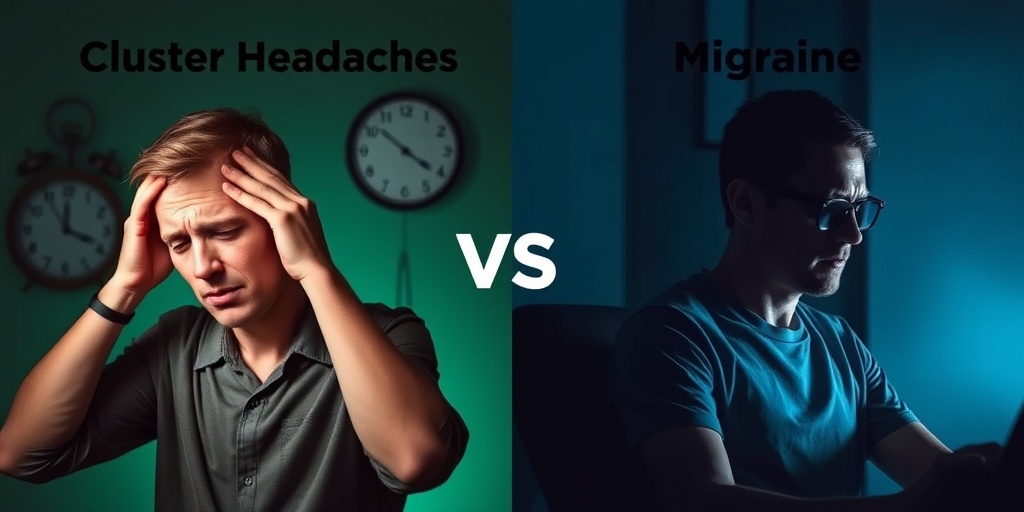
It’s important to differentiate between cluster headaches and migraines, as they require different approaches to treatment. While both can cause severe pain, cluster headaches are typically shorter in duration and occur in clusters, whereas migraines can last longer and are often accompanied by nausea and sensitivity to light and sound.
For those seeking more information on cluster headaches, including potential treatments and management strategies, resources like Yesil Health AI (yesilhealth.com) can provide evidence-based answers tailored to your needs.
In conclusion, cluster headaches are a serious condition that can significantly impact quality of life. Recognizing the symptoms and understanding the nature of these headaches is the first step toward effective management. If you or someone you know is suffering from cluster headaches, don’t hesitate to reach out for professional help. Remember, you’re not alone in this journey! 🌟

Cluster Headache Triggers
Cluster headaches are notorious for their intense pain and debilitating nature. Understanding the triggers that can provoke these episodes is crucial for managing the condition effectively. While the exact cause of cluster headaches remains unclear, several factors have been identified as potential triggers.
Common Triggers of Cluster Headaches
- Alcohol: Many individuals report that consuming alcohol, even in small amounts, can trigger a cluster headache attack. This is particularly true during a cluster period.
- Smoking: Tobacco use is another significant trigger. Smokers are more likely to experience cluster headaches than non-smokers.
- Strong Odors: Certain scents, such as perfumes, paint fumes, or strong cleaning products, can provoke an attack.
- Weather Changes: Sudden changes in weather, particularly shifts in barometric pressure, can trigger headaches in some individuals.
- Sleep Patterns: Irregular sleep schedules or disruptions in sleep can lead to cluster headache episodes. Many sufferers find that a lack of sleep can be a significant trigger.
- Physical Exertion: Intense physical activity or exertion can sometimes lead to an attack, especially if combined with other triggers.
Identifying personal triggers can be a game-changer for those suffering from cluster headaches. Keeping a headache diary can help track patterns and pinpoint specific triggers, allowing for better management of the condition. 📝
Managing Triggers
Once triggers are identified, the next step is to manage them effectively. Here are some strategies:
- Avoidance: The most straightforward approach is to avoid known triggers whenever possible.
- Healthy Lifestyle Choices: Maintaining a balanced diet, regular exercise, and good sleep hygiene can help reduce the frequency of attacks.
- Stress Management: Techniques such as meditation, yoga, or deep-breathing exercises can help manage stress, which is a common trigger.
By understanding and managing triggers, individuals can take proactive steps toward reducing the frequency and severity of cluster headaches. 🌟
Cluster Headache Diagnosis
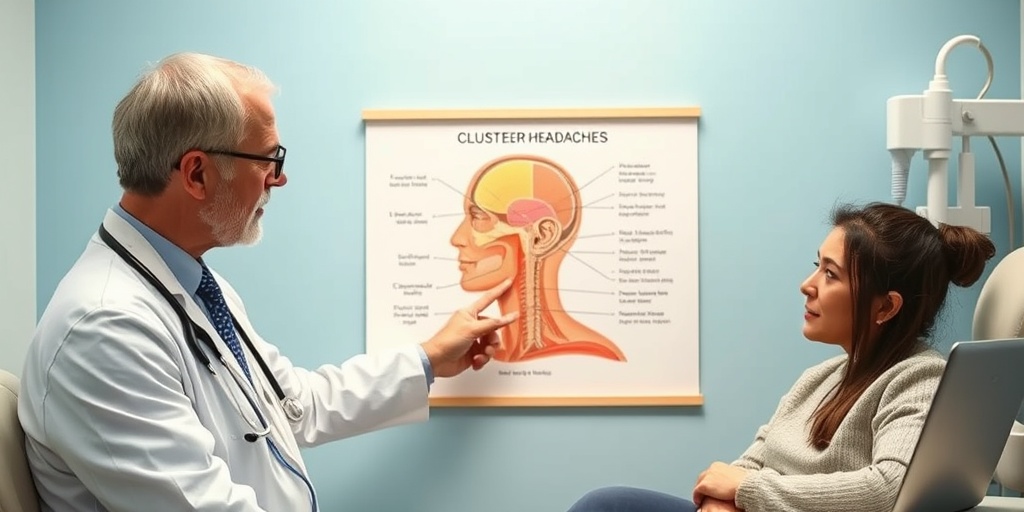
Diagnosing cluster headaches can be challenging due to their similarity to other types of headaches, particularly migraines. However, a thorough evaluation by a healthcare professional is essential for an accurate diagnosis and effective treatment plan.
Symptoms to Look For
Cluster headaches are characterized by a specific set of symptoms that can help differentiate them from other headache types:
- Severe Pain: The pain is often described as a burning or piercing sensation, typically located around one eye or one side of the head.
- Duration: Attacks can last from 15 minutes to three hours and often occur in clusters, with multiple attacks happening in a day.
- Autonomic Symptoms: These may include tearing, nasal congestion, or drooping eyelids on the affected side.
- Restlessness: Unlike migraines, individuals experiencing cluster headaches often feel restless and may pace or move around during an attack.
Diagnostic Process
The diagnostic process typically involves:
- Medical History: A detailed history of headache patterns, frequency, and associated symptoms is crucial.
- Physical Examination: A healthcare provider may conduct a neurological examination to rule out other conditions.
- Imaging Tests: In some cases, imaging tests like MRI or CT scans may be ordered to exclude other potential causes of headache.
It’s important to consult a healthcare professional if you suspect you have cluster headaches. Early diagnosis can lead to more effective management and treatment options. 🩺
Cluster Headache Treatment Options
Cluster headaches are one of the most excruciating types of headaches, often described as a burning or piercing pain that can last from 15 minutes to three hours. Understanding the treatment options available is crucial for managing this debilitating condition. Here, we’ll explore various medical treatments and therapies that can help alleviate the pain and frequency of cluster headaches.
Medications for Cluster Headaches
When it comes to treating cluster headaches, medications play a vital role. Here are some common categories of medications used:
- Abortive Treatments: These are used to relieve pain during an attack. Common options include:
- Triptans: Medications like sumatriptan and zolmitriptan are often effective.
- Oxygen Therapy: Inhaling pure oxygen can provide rapid relief for many sufferers.
- Preventive Treatments: These aim to reduce the frequency and severity of attacks. Options include:
- Verapamil: A calcium channel blocker that is commonly prescribed.
- Corticosteroids: Such as prednisone, can be used for short-term relief.
- Lithium: Sometimes used for chronic cluster headaches.
Alternative Therapies
In addition to conventional medications, some individuals find relief through alternative therapies. These may include:
- Acupuncture: This traditional Chinese medicine technique may help reduce headache frequency.
- Biofeedback: Learning to control physiological functions can help manage pain.
- Massage Therapy: Targeted massage may alleviate tension and reduce headache severity.
Consulting a Specialist
If you suffer from cluster headaches, it’s essential to consult a healthcare professional who specializes in headache disorders. They can help tailor a treatment plan that suits your specific needs and monitor your progress. Remember, what works for one person may not work for another, so finding the right combination of treatments is key.
Cluster Headache Home Remedies
While medical treatments are essential, many individuals seek home remedies to help manage their cluster headaches. These remedies can complement medical treatments and provide additional relief. Here are some effective home strategies:
Cold and Heat Therapy
Applying cold or heat to the head can provide relief for some individuals. Here’s how:
- Cold Packs: Applying a cold pack to the forehead or neck can numb the pain and reduce inflammation.
- Warm Compresses: Some people find that a warm compress on the neck helps to relax tense muscles.
Hydration and Nutrition
Staying hydrated is crucial, as dehydration can trigger headaches. Additionally, certain foods may help:
- Stay Hydrated: Drink plenty of water throughout the day.
- Avoid Triggers: Keep a food diary to identify and avoid potential headache triggers, such as alcohol or processed foods.
Relaxation Techniques
Stress can be a significant trigger for cluster headaches. Incorporating relaxation techniques into your daily routine can help:
- Meditation: Practicing mindfulness can reduce stress and improve overall well-being.
- Yoga: Gentle yoga stretches can help relieve tension in the body.
- Deep Breathing Exercises: Focusing on your breath can help calm the mind and body.
Essential Oils
Some individuals find relief using essential oils. Here are a few that may help:
- Peppermint Oil: Known for its cooling effect, it can be applied to the temples.
- Lavender Oil: Its calming properties may help reduce headache severity.
While these home remedies can be beneficial, it’s important to remember that they should not replace professional medical advice. Always consult with a healthcare provider before starting any new treatment or remedy, especially if you are pregnant or have other health conditions. 🌿

Living with Cluster Headaches
Living with cluster headaches can be an incredibly challenging experience. Often described as one of the most painful types of headaches, they can significantly impact daily life. Understanding what cluster headaches are, their symptoms, and how to manage them is crucial for those affected.
What Are Cluster Headaches?
Cluster headaches are a type of primary headache disorder characterized by recurrent, severe headaches that occur in cyclical patterns or clusters. These headaches typically strike suddenly and can last from 15 minutes to three hours. They often occur at the same time each day, making them particularly predictable and distressing for sufferers.
Symptoms of Cluster Headaches
The symptoms of cluster headaches can be intense and debilitating. Common symptoms include:
- Severe, piercing pain: Often described as a burning or stabbing sensation, usually localized around one eye or one side of the head.
- Redness and tearing: The affected eye may become red and watery, and nasal congestion can occur on the same side.
- Restlessness: Many individuals find it difficult to sit still during an attack, often pacing or rocking back and forth.
- Swelling: The eyelid on the affected side may droop, and swelling can occur around the eye.
Managing Cluster Headaches
While there is no cure for cluster headaches, several treatment options can help manage the pain and reduce the frequency of attacks:
- Medications: Triptans, such as sumatriptan, are often effective in treating acute attacks. Preventive medications like verapamil can help reduce the frequency of episodes.
- Oxygen therapy: Inhaling pure oxygen at the onset of a headache can provide relief for many sufferers.
- Lifestyle changes: Identifying and avoiding triggers, such as alcohol or smoking, can help manage symptoms.
- Alternative therapies: Some individuals find relief through acupuncture, chiropractic care, or relaxation techniques.
Support from friends, family, and support groups can also play a vital role in coping with the emotional and psychological toll of living with cluster headaches. Engaging with communities, such as those found on Reddit, can provide valuable insights and shared experiences that help individuals feel less isolated.
Cluster Headaches vs. Migraines
Understanding the differences between cluster headaches and migraines is essential for effective treatment and management. While both conditions involve severe head pain, they have distinct characteristics that set them apart.
Key Differences
- Pain Location: Cluster headaches typically cause pain on one side of the head, often around the eye, while migraines can affect both sides and may radiate to other areas.
- Duration: Cluster headaches last from 15 minutes to three hours, whereas migraines can last from four hours to several days.
- Associated Symptoms: Migraines often come with nausea, vomiting, and sensitivity to light and sound, while cluster headaches are more likely to cause eye redness and nasal congestion.
- Frequency: Cluster headaches occur in cycles, with multiple attacks in a day for weeks or months, followed by periods of remission. Migraines can occur sporadically or frequently but do not follow a predictable pattern.
Treatment Approaches
The treatment strategies for cluster headaches and migraines also differ significantly:
- Cluster Headaches: Treatment often focuses on acute relief with triptans and oxygen therapy, along with preventive medications.
- Migraines: Treatment may include over-the-counter pain relievers, prescription medications, and lifestyle modifications to avoid triggers.
Recognizing whether you are experiencing cluster headaches or migraines is crucial for effective management. If you suspect you have either condition, consulting with a healthcare professional can provide clarity and help develop a tailored treatment plan.
Frequently Asked Questions about Cluster Headaches
What are Cluster Headaches?
Cluster headaches are a type of primary headache disorder characterized by recurrent, severe headaches that occur in cyclical patterns or clusters. They are often described as one of the most painful types of headaches.
What are the symptoms of Cluster Headaches?
The symptoms of cluster headaches include:
- Intense, burning or piercing pain, usually around one eye or one side of the head
- Redness or watering of the eye on the affected side
- Runny or blocked nasal passages
- Swelling around the eye
- Restlessness or agitation during an attack
What causes Cluster Headaches?
The exact cause of cluster headaches is not fully understood, but they may be related to abnormalities in the hypothalamus, which regulates biological rhythms. Other potential triggers include:
How are Cluster Headaches treated?
Treatment options for cluster headaches may include:
- Abortive treatments such as oxygen therapy or triptans
- Preventive medications like corticosteroids or calcium channel blockers
- Alternative therapies, including acupuncture or nerve blocks
Are there any medications specifically for Cluster Headaches?
Yes, there are several medications that can be effective in treating cluster headaches. These include:
- Sumatriptan (a triptan)
- Verapamil (a calcium channel blocker)
- Prednisone (a corticosteroid)
Can Cluster Headaches occur during pregnancy?
While cluster headaches can occur during pregnancy, it is essential to consult with a healthcare provider for safe treatment options, as some medications may not be suitable during this time. 🤰
How do Cluster Headaches compare to Migraines?
Cluster headaches and migraines are both types of headaches, but they differ in symptoms, duration, and triggers. Cluster headaches are typically shorter in duration but occur in clusters, while migraines can last longer and may be accompanied by nausea and sensitivity to light.
Where can I find support for Cluster Headaches?
Many individuals find support through online communities, such as forums or social media groups dedicated to cluster headaches. Websites like Reddit also have discussions where people share their experiences and coping strategies. 💬