
What Is Neck Pain?
Neck pain is a common ailment that affects millions of people worldwide. It can range from a mild discomfort to severe pain that interferes with daily activities. The neck, or cervical spine, is a complex structure made up of vertebrae, muscles, ligaments, and nerves. When any of these components are injured or strained, it can lead to pain in the neck and surrounding areas.
There are various causes of neck pain, including:
- Muscle Strain: Poor posture, sleeping in an awkward position, or overexertion can lead to muscle strain.
- Injuries: Whiplash from car accidents or sports injuries can cause significant neck pain.
- Degenerative Disc Disease: As we age, the discs in our spine can wear down, leading to pain and stiffness.
- Herniated Discs: A herniated disc can press on nearby nerves, causing neck nerve pain that may radiate to the shoulders or arms.
- Medical Conditions: Conditions like arthritis, meningitis, or fibromyalgia can also contribute to neck pain.
Understanding the underlying cause of your neck pain is crucial for effective treatment and neck pain relief. If you’re experiencing persistent discomfort, it’s advisable to consult a healthcare professional for a proper diagnosis.
Neck Pain Symptoms
Recognizing the symptoms of neck pain is essential for determining the appropriate course of action. Symptoms can vary widely depending on the cause and severity of the condition. Here are some common symptoms associated with neck pain:
1. Localized Pain
The most obvious symptom is pain in the neck itself. This can be a dull ache or a sharp, stabbing sensation. You may also experience right side neck pain or pain that radiates to the shoulders, known as shoulder neck pain.
2. Stiffness
Many people with neck pain report stiffness, making it difficult to turn the head or look up and down. This stiffness can be particularly pronounced after sleeping or sitting for long periods.
3. Headaches
Neck pain can often be accompanied by headaches, especially tension headaches that originate from muscle tightness in the neck and shoulders. If you find yourself frequently experiencing neck pain and headache together, it may be worth exploring treatment options.
4. Numbness or Tingling
If the pain is caused by nerve compression, you may experience numbness or tingling in the arms or hands. This symptom is often associated with conditions like herniated discs or cervical radiculopathy.
5. Weakness
In some cases, neck pain can lead to weakness in the arms or hands, making it difficult to perform everyday tasks. If you notice this symptom, it’s crucial to seek medical attention promptly.
6. Pain in the Neck and Shoulder
Many individuals experience pain that extends beyond the neck, affecting the shoulders as well. This can be particularly troublesome for those who spend long hours at a desk or in front of a computer.
7. Sleep Disturbances
Neck pain can significantly impact your sleep quality. Finding a comfortable position can be challenging, especially if you don’t have the right neck pain pillow. A memory foam pillow for neck pain can provide the support needed to alleviate discomfort while sleeping.
If you’re struggling with neck pain, consider exploring various treatment options, including physical therapy, medication, or ergonomic adjustments in your workspace. Additionally, investing in the best pillow for side sleepers with neck pain can make a significant difference in your comfort level at night.
For more information on managing neck pain and finding effective relief strategies, visit Yesil Health AI, a valuable resource for evidence-based health answers.
In conclusion, understanding what neck pain is and recognizing its symptoms can empower you to seek the right treatment and improve your quality of life. Don’t let neck pain hold you back—take action today! 💪

Common Causes of Neck Pain
Neck pain is a prevalent issue that affects millions of people worldwide. Understanding the common causes of neck pain can help you identify the source of your discomfort and seek appropriate treatment. Here are some of the most frequent culprits:
Poor Posture
One of the leading causes of neck pain is poor posture, especially for those who spend long hours sitting at a desk or looking down at their phones. Slouching or leaning forward can strain the muscles and ligaments in your neck, leading to discomfort. Maintaining a neutral spine position is crucial for preventing pain in the neck.
Injuries and Accidents
Injuries from accidents, such as whiplash from a car crash, can cause significant neck pain. These injuries may lead to inflammation and muscle spasms, resulting in persistent discomfort. If you’ve experienced a recent injury, it’s essential to consult a healthcare professional for proper evaluation and treatment.
Muscle Strain
Overexertion during physical activities or sleeping in an awkward position can lead to muscle strain. This strain can cause pain in the neck and shoulder area, making it difficult to move your head comfortably. Using a supportive neck pillow can help alleviate this type of pain.
Degenerative Disc Disease
As we age, the discs in our spine can degenerate, leading to conditions like cervical spondylosis. This degeneration can cause neck nerve pain and stiffness, often accompanied by headaches. Regular exercise and maintaining a healthy weight can help mitigate these effects.
Herniated Discs
A herniated disc occurs when the soft material inside a spinal disc bulges out, pressing on nearby nerves. This condition can lead to severe neck pain and may radiate down the arms. If you suspect a herniated disc, seek medical advice for appropriate treatment options.
Stress and Tension
Emotional stress can manifest physically, leading to tension in the neck and shoulders. This tension can result in chronic pain and discomfort. Techniques such as yoga, meditation, and deep breathing exercises can help relieve stress and reduce neck pain.
Risk Factors for Neck Pain
While neck pain can affect anyone, certain risk factors can increase your likelihood of experiencing this discomfort. Understanding these factors can help you take preventive measures. Here are some key risk factors:
Aging
As we age, our bodies undergo various changes, including the wear and tear of spinal discs and joints. This natural degeneration can lead to conditions that cause neck pain, such as osteoarthritis and degenerative disc disease.
Occupational Hazards
Jobs that require repetitive motions, heavy lifting, or prolonged periods of sitting can contribute to neck pain. If your work involves these activities, consider ergonomic adjustments to your workspace and take regular breaks to stretch and move around.
Physical Inactivity
A sedentary lifestyle can weaken the muscles that support your neck, making you more susceptible to pain. Regular exercise, including neck-strengthening exercises, can help maintain muscle tone and flexibility, reducing the risk of injury.
Obesity
Excess weight can put additional strain on your spine and neck, leading to discomfort. Maintaining a healthy weight through a balanced diet and regular exercise can significantly reduce your risk of developing neck pain.
Previous Injuries
If you’ve experienced neck injuries in the past, you may be at a higher risk for recurring pain. It’s essential to follow up with a healthcare provider for proper rehabilitation and to address any lingering issues.
Genetics
Some individuals may have a genetic predisposition to certain conditions that cause neck pain, such as herniated discs or arthritis. If you have a family history of neck problems, it may be beneficial to take preventive measures early on.
By understanding the common causes of neck pain and the associated risk factors, you can take proactive steps to protect your neck health. Whether it’s improving your posture, staying active, or using the right neck pillow, small changes can make a significant difference in your overall well-being. 🌟

Diagnosing Neck Pain
Neck pain is a common complaint that can stem from various causes, ranging from muscle strain to more serious conditions. Understanding how neck pain is diagnosed is crucial for effective treatment. Here’s a closer look at the diagnostic process.
Understanding Your Symptoms
Before seeking medical advice, it’s important to assess your symptoms. Common signs of neck pain include:
- Stiffness: Difficulty moving your neck or a feeling of tightness.
- Pain: Discomfort that may radiate to your shoulders or back.
- Headaches: Tension headaches can often accompany neck pain.
- Numbness or Tingling: Sensations that may extend into your arms or hands.
Consulting a Healthcare Professional
If your neck pain persists or worsens, it’s time to consult a healthcare professional. They will typically start with a thorough medical history and physical examination. During this process, they may ask questions such as:
- When did the pain start?
- What activities exacerbate the pain?
- Do you have any other symptoms, like headaches or numbness?
Diagnostic Tests
In some cases, your doctor may recommend diagnostic tests to pinpoint the cause of your neck pain. These may include:
- X-rays: Useful for identifying fractures or alignment issues.
- MRIs: Provide detailed images of soft tissues, including discs and nerves.
- CT Scans: Offer a more comprehensive view of the spine and surrounding structures.
- Electromyography (EMG): Tests nerve function and can help identify nerve damage.
Once a diagnosis is made, your healthcare provider can recommend appropriate treatment options tailored to your specific condition. This may include addressing issues like back neck pain, shoulder pain, or neck nerve pain.
Neck Pain Treatment Options
Once diagnosed, there are several effective treatment options available for managing neck pain. The right approach often depends on the underlying cause of the pain.
Conservative Treatments
Many cases of neck pain can be managed with conservative treatments, which may include:
- Physical Therapy: A physical therapist can design a personalized exercise program to strengthen neck muscles and improve flexibility.
- Medications: Over-the-counter pain relievers like ibuprofen or acetaminophen can help reduce inflammation and alleviate pain.
- Heat and Cold Therapy: Applying heat or cold packs can provide immediate relief and reduce swelling.
- Neck Pain Pillows: Using a memory foam pillow for neck pain can help maintain proper alignment while sleeping, reducing discomfort.
Alternative Therapies
In addition to conventional treatments, many people find relief through alternative therapies:
- Chiropractic Care: Chiropractors can perform adjustments to improve spinal alignment and relieve pressure on nerves.
- Acupuncture: This traditional Chinese medicine technique involves inserting thin needles into specific points to relieve pain.
- Massage Therapy: Therapeutic massage can help relax tight muscles and improve circulation.
Surgical Options
In rare cases where conservative treatments fail, surgical intervention may be necessary. Surgical options can include:
- Discectomy: Removal of a herniated disc that is pressing on a nerve.
- Spinal Fusion: Joining two or more vertebrae to stabilize the spine.
- Foraminotomy: Enlarging the openings where nerves exit the spine to relieve pressure.
Choosing the Right Pillow
For those suffering from pain in the neck and shoulder, selecting the right pillow is crucial. Here are some tips:
- Look for a pillow for neck and shoulder pain that supports the natural curve of your neck.
- Consider a best pillow for side sleepers with neck pain if you sleep on your side, as it can help maintain proper alignment.
- Memory foam pillows are often recommended for their ability to contour to your head and neck, providing personalized support.
By understanding the diagnostic process and exploring various treatment options, you can take proactive steps toward managing your neck pain effectively. Remember, it’s essential to consult with a healthcare professional to determine the best course of action for your specific situation. 🌟

Home Remedies for Neck Pain
Neck pain can be a frustrating and debilitating condition that affects your daily life. Fortunately, there are several effective home remedies that can help alleviate discomfort and promote healing. Here are some tried-and-true methods to consider:
1. Apply Heat or Cold
Using heat or cold therapy can significantly reduce pain in the neck. Cold packs can help numb sharp pain and reduce inflammation, while heat pads can relax and soothe tense muscles. Try applying a cold pack for 15-20 minutes, followed by a heating pad for another 15-20 minutes. This combination can provide effective neck pain relief.
2. Gentle Stretching and Exercises
Incorporating gentle stretches and exercises into your routine can improve flexibility and strengthen neck muscles. Here are a few simple exercises:
- Neck Tilts: Slowly tilt your head towards one shoulder, hold for a few seconds, and then switch sides.
- Chin Tucks: Sit or stand up straight, tuck your chin in towards your neck, and hold for a few seconds.
- Shoulder Rolls: Roll your shoulders forward and backward to relieve tension.
These exercises can help alleviate shoulder neck pain and improve overall neck health.
3. Use the Right Pillow
Your choice of pillow can significantly impact your neck health. A memory foam pillow for neck pain can provide the necessary support and alignment while you sleep. Look for a pillow for neck and shoulder pain that maintains the natural curve of your neck. If you’re a side sleeper, consider the best pillow for side sleepers with neck pain to ensure proper alignment.
4. Stay Hydrated
Dehydration can lead to muscle stiffness and exacerbate neck nerve pain. Ensure you drink plenty of water throughout the day to keep your muscles hydrated and functioning optimally.
5. Practice Good Posture
Maintaining good posture is crucial in preventing and alleviating neck pain. When sitting at a desk or using your phone, keep your shoulders back and your head aligned with your spine. Consider using ergonomic furniture to support your posture.
Preventing Neck Pain
Preventing neck pain is often easier than treating it. By adopting healthy habits and making small lifestyle changes, you can significantly reduce your risk of developing neck discomfort. Here are some effective strategies:
1. Ergonomic Workspace Setup
Ensure your workspace is ergonomically designed to minimize strain on your neck. Your computer screen should be at eye level, and your chair should support your lower back. Use a neck pillow if you need additional support while sitting for long periods.
2. Take Frequent Breaks
If you work at a desk or spend long hours on your phone, make it a habit to take regular breaks. Stand up, stretch, and move around every 30-60 minutes to relieve tension and prevent stiffness.
3. Strengthen Your Neck Muscles
Incorporating strength training into your fitness routine can help build the muscles that support your neck. Focus on exercises that target your upper back and shoulders, as these areas play a crucial role in neck stability.
4. Sleep Position Matters
Your sleep position can greatly affect your neck health. If you sleep on your back, use a neck pain pillow that supports the natural curve of your neck. For side sleepers, the best pillow for neck and shoulder pain should fill the gap between your head and the mattress to keep your spine aligned.
5. Manage Stress
Stress can lead to muscle tension, which may contribute to neck pain. Practice relaxation techniques such as deep breathing, yoga, or meditation to help manage stress levels and promote overall well-being.
By implementing these home remedies and preventive measures, you can take control of your neck health and reduce the likelihood of experiencing discomfort in the future. Remember, if your neck pain persists or worsens, it’s essential to consult a healthcare professional for further evaluation and treatment. 🌟
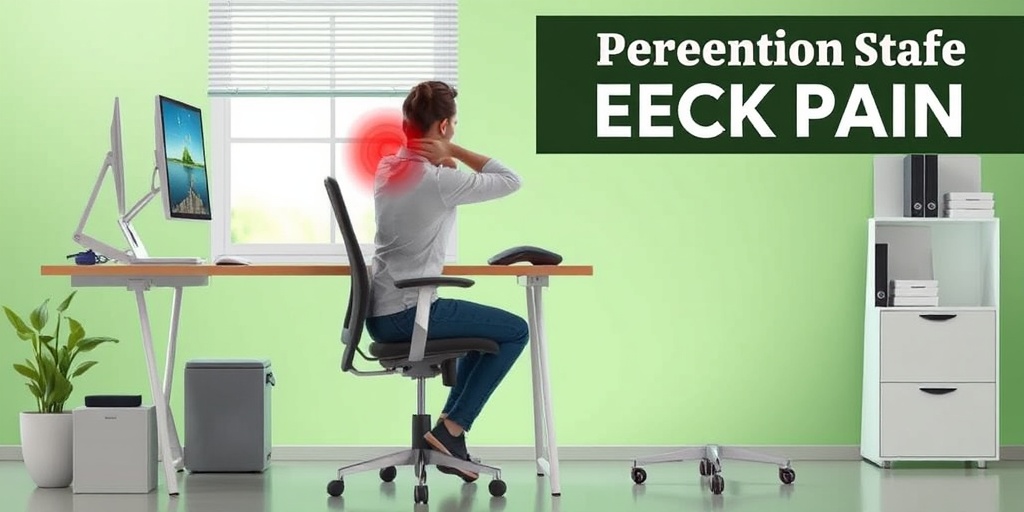
Frequently Asked Questions about Neck Pain
What are the common causes of neck pain?
Neck pain can arise from various factors, including:
- Muscle Strain: Often due to poor posture or overuse.
- Injuries: Such as whiplash from accidents.
- Herniated Discs: Which can press on nerves.
- Arthritis: Leading to stiffness and discomfort.
How can I relieve neck pain at home?
There are several effective methods for neck pain relief at home:
- Heat Therapy: Applying a warm compress can help relax tight muscles.
- Cold Therapy: Ice packs can reduce inflammation and numb pain.
- Gentle Stretching: Engaging in neck exercises can improve flexibility.
- Proper Sleep Position: Using a neck pillow designed for support can alleviate discomfort.
What type of pillow is best for neck pain?
Choosing the right pillow is crucial for managing neck pain. Consider:
- Memory Foam Pillows: These conform to the shape of your neck and head, providing support.
- Pillows for Side Sleepers: Look for options that maintain spinal alignment.
- Adjustable Pillows: These allow you to customize the height and firmness to suit your needs.
Can neck pain be a sign of a serious condition?
While most neck pain is not serious, it can sometimes indicate underlying issues. Seek medical attention if you experience:
- Severe Pain: That does not improve with home treatment.
- Numbness or Tingling: In the arms or hands.
- Weakness: In the arms or hands.
- Headaches: Accompanying neck pain.
Are there exercises that can help with neck pain?
Yes! Regular neck exercises can strengthen muscles and improve flexibility. Some beneficial exercises include:
- Neck Tilts: Gently tilt your head towards each shoulder.
- Chin Tucks: Pull your chin towards your chest to stretch the neck.
- Shoulder Rolls: Roll your shoulders forward and backward to relieve tension.
When should I see a doctor for neck pain?
If your neck pain persists for more than a few days, worsens, or is accompanied by other symptoms like fever or severe headaches, it’s important to consult a healthcare professional. Early intervention can prevent further complications.
Can stress contribute to neck pain?
Absolutely! Stress can lead to muscle tension in the neck and shoulders, exacerbating pain. Techniques such as yoga, meditation, and deep breathing can help manage stress and reduce neck discomfort.
Is it safe to sleep with neck pain?
Yes, but it’s essential to find a comfortable position. Using a supportive neck pillow can help maintain proper alignment and reduce discomfort while sleeping.
What lifestyle changes can help prevent neck pain?
To prevent neck pain, consider making the following lifestyle adjustments:
- Maintain Good Posture: Be mindful of your posture while sitting and standing.
- Take Breaks: If you work at a desk, take regular breaks to stretch.
- Stay Active: Regular exercise can strengthen neck muscles and improve flexibility.
If you have further questions or concerns about neck pain, don’t hesitate to reach out to a healthcare professional for personalized advice and treatment options. 😊