What Is RSV?
Respiratory Syncytial Virus (RSV) is a common virus that primarily affects the respiratory tract. It is particularly notorious for causing infections in infants and young children, but it can also impact adults, especially those with weakened immune systems or underlying health conditions. RSV is highly contagious and spreads through respiratory droplets when an infected person coughs or sneezes. It can also survive on surfaces for several hours, making it easy to contract in crowded places.
RSV is most prevalent during the fall and winter months, leading to seasonal outbreaks. While many people recover from RSV without needing medical intervention, it can lead to serious respiratory illnesses, particularly in vulnerable populations. Understanding RSV is crucial for parents and caregivers, as early recognition of symptoms can lead to timely medical care.
How RSV Spreads
RSV spreads through:
- Direct contact: Touching surfaces contaminated with the virus.
- Respiratory droplets: Inhaling droplets from coughs or sneezes of an infected person.
- Close personal contact: Such as hugging or kissing someone who is infected.
Who Is at Risk?
While anyone can contract RSV, certain groups are at a higher risk of severe illness:
- Infants and toddlers: Especially those under 2 years old.
- Premature infants: Who may have underdeveloped lungs.
- Children with chronic lung or heart conditions: Such as asthma or congenital heart disease.
- Older adults: Particularly those over 65 with underlying health issues.
RSV Symptoms
The symptoms of RSV can vary from mild to severe, depending on the individual’s age and health status. In most cases, RSV symptoms resemble those of a common cold, but they can escalate quickly, especially in young children and older adults.
Common Symptoms
Typical symptoms of RSV include:
- Runny or stuffy nose: Often the first sign of infection.
- Coughing: A persistent cough that may worsen at night.
- Sneezing: Frequent sneezing can accompany other symptoms.
- Fever: Mild to moderate fever may occur.
- Wheezing: A high-pitched whistling sound when breathing.
- Difficulty breathing: Rapid or labored breathing may indicate a more severe infection.
Severe Symptoms
In some cases, RSV can lead to more serious respiratory illnesses, such as bronchiolitis or pneumonia. Seek immediate medical attention if you notice:
- Blue tint to lips or face: Indicates a lack of oxygen.
- Severe difficulty breathing: Including grunting or flaring nostrils.
- Dehydration: Signs include dry mouth, lack of tears, or decreased urination.
- High fever: Especially if it persists or is accompanied by other severe symptoms.
When to Seek Medical Help
If you or your child exhibit any severe symptoms, it is crucial to seek medical help promptly. Early intervention can significantly improve outcomes and reduce the risk of complications. For more information on RSV and its management, consider visiting Yesil Health AI, a valuable resource for evidence-based health answers.
In conclusion, understanding RSV and its symptoms is essential for timely diagnosis and treatment. By being aware of the signs and knowing when to seek help, you can protect yourself and your loved ones from the potential complications of this common virus. Stay informed and take care! 🌟
RSV Transmission
Respiratory Syncytial Virus (RSV) is a common virus that primarily affects the respiratory tract, particularly in infants and young children. Understanding how RSV is transmitted is crucial for preventing its spread and protecting vulnerable populations. Let’s delve into the various ways RSV can be transmitted.
Direct Contact
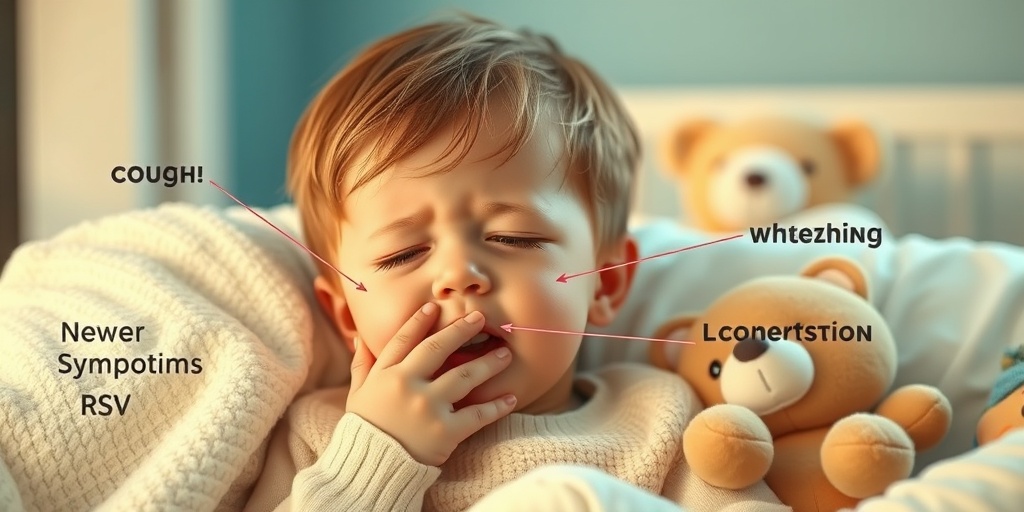
One of the primary modes of RSV transmission is through direct contact with an infected person. This can occur when an infected individual coughs or sneezes, releasing respiratory droplets into the air. If another person inhales these droplets or comes into contact with surfaces contaminated by the virus, they can become infected. This is why frequent handwashing and avoiding close contact with sick individuals are essential preventive measures. 👐
Surface Contamination
RSV can survive on surfaces for several hours, making it possible to contract the virus by touching contaminated objects. Common surfaces include:
- Doorknobs
- Light switches
- Toys
- Handrails
After touching these surfaces, if a person touches their face, especially their mouth, nose, or eyes, they can introduce the virus into their system. Regular cleaning and disinfecting of frequently touched surfaces can significantly reduce the risk of transmission. 🧼
Airborne Transmission
While RSV is primarily spread through direct contact, it can also be transmitted through the air. When an infected person coughs or sneezes, tiny droplets can linger in the air for a short period. If someone else breathes in these droplets, they may become infected. This is particularly concerning in crowded places or enclosed spaces where ventilation is poor. 😷
Seasonal Patterns
RSV infections typically occur in seasonal outbreaks, often peaking during the fall and winter months. Understanding these patterns can help individuals take extra precautions during high-risk seasons. Keeping children away from crowded places during peak RSV season can help minimize their risk of exposure.
RSV Risk Factors
While anyone can contract RSV, certain groups are at a higher risk of severe illness. Identifying these RSV risk factors can help caregivers and healthcare providers take proactive measures to protect vulnerable individuals.
Age
Infants and young children, particularly those under the age of two, are at the highest risk for severe RSV infection. Their immune systems are still developing, making them more susceptible to complications. Premature infants are especially vulnerable due to their underdeveloped lungs. 👶
Underlying Health Conditions
Children and adults with certain underlying health conditions are at increased risk for severe RSV. These conditions include:
- Chronic lung disease
- Congenital heart disease
- Weakened immune systems
- Neuromuscular disorders
Individuals with these health issues should take extra precautions during RSV season, such as avoiding crowded places and ensuring they receive appropriate vaccinations. 💉
Exposure to Secondhand Smoke
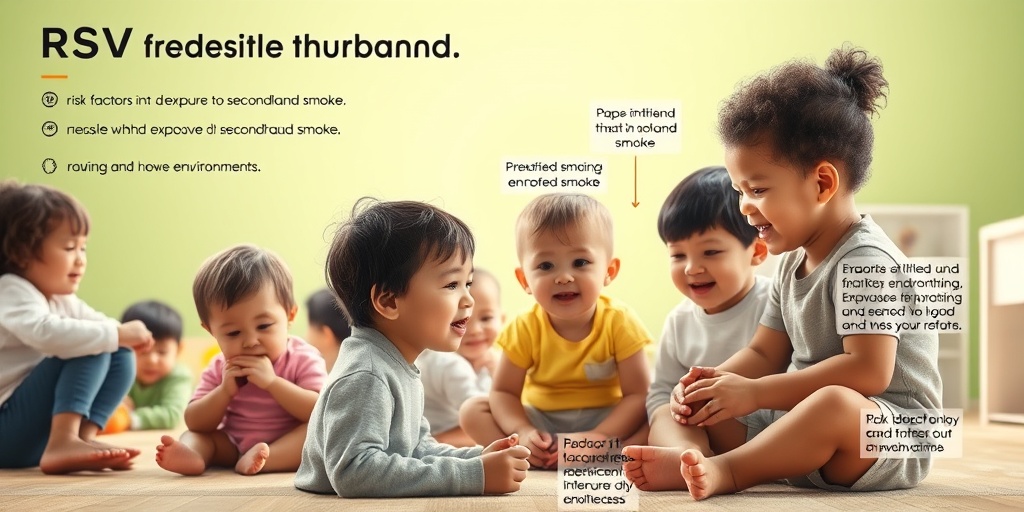
Exposure to secondhand smoke can increase the risk of severe RSV infection in children. Smoke can irritate the respiratory tract, making it easier for viruses to take hold. Parents and caregivers should create a smoke-free environment to protect their children from respiratory infections. 🚭
Living Conditions
Children who live in crowded conditions or attend daycare are at a higher risk of RSV infection due to increased exposure to the virus. In these settings, the virus can spread rapidly among children. Implementing good hygiene practices, such as regular handwashing and sanitizing toys, can help reduce the risk of transmission in these environments.
By understanding how RSV is transmitted and recognizing the risk factors associated with severe illness, caregivers can take proactive steps to protect themselves and their loved ones from this common yet potentially serious virus. 🌟
RSV Diagnosis
Respiratory Syncytial Virus (RSV) is a common virus that can lead to serious respiratory infections, particularly in infants and older adults. Understanding how RSV is diagnosed is crucial for timely treatment and management. Here’s a closer look at the diagnostic process for RSV.
Symptoms of RSV
The first step in diagnosing RSV is recognizing its symptoms. Common symptoms include:
- Coughing – A persistent cough that may worsen over time.
- Wheezing – A high-pitched whistling sound when breathing.
- Difficulty Breathing – Rapid or labored breathing, which may indicate a more severe infection.
- Fever – Mild to moderate fever is common.
- Runny or Stuffy Nose – Nasal congestion can accompany other symptoms.
Diagnostic Tests for RSV
If a healthcare provider suspects RSV, they may recommend several diagnostic tests to confirm the infection:
- Nasopharyngeal Swab – A sample is taken from the back of the nose and throat to test for the virus.
- Rapid Antigen Testing – This test can quickly detect RSV in respiratory secretions.
- Polymerase Chain Reaction (PCR) Test – A more sensitive test that can identify RSV genetic material.
- Chest X-ray – In some cases, imaging may be used to check for pneumonia or other complications.
When to Seek Medical Attention
It’s essential to seek medical attention if you or your child exhibits severe symptoms, such as:
- Blue or Gray Coloration – This can indicate a lack of oxygen.
- Severe Difficulty Breathing – If breathing becomes labored or rapid.
- Dehydration Signs – Such as dry mouth, lack of tears, or decreased urination.
Early diagnosis of RSV can lead to better management of the condition, especially in high-risk populations. If you suspect RSV, consult a healthcare professional for appropriate testing and guidance. 🩺
RSV Treatment Options
Once diagnosed with RSV, understanding the treatment options available is vital for effective management. While there is no specific antiviral treatment for RSV, several supportive care measures can help alleviate symptoms and improve recovery.
Home Care Strategies
For mild cases of RSV, home care is often sufficient. Here are some effective strategies:
- Hydration – Ensure adequate fluid intake to prevent dehydration.
- Humidified Air – Using a humidifier can help ease breathing difficulties.
- Rest – Encourage plenty of rest to support the immune system.
- Over-the-Counter Medications – Pain relievers like acetaminophen or ibuprofen can help reduce fever and discomfort.
Medical Treatments
In more severe cases, especially in infants or those with underlying health conditions, medical intervention may be necessary:
- Oxygen Therapy – Supplemental oxygen may be provided to help with breathing.
- Bronchodilators – These medications can help open the airways, although their effectiveness may vary.
- Intravenous (IV) Fluids – For those unable to drink enough fluids, IV fluids may be administered.
- Ribavirin – In some cases, this antiviral medication may be used, particularly in high-risk patients.
Preventive Measures
Preventing RSV is just as important as treating it. Here are some effective preventive measures:
- Hand Hygiene – Regular handwashing can reduce the spread of the virus.
- Avoiding Close Contact – Keep infants away from sick individuals, especially during RSV season.
- Palivizumab – This monoclonal antibody may be given to high-risk infants to prevent RSV infection.
Understanding the treatment options for RSV can help manage symptoms effectively and reduce the risk of complications. If you or your child is diagnosed with RSV, follow your healthcare provider’s recommendations for the best outcomes. 🌟

RSV Prevention Tips
Respiratory Syncytial Virus (RSV) is a common virus that can lead to serious respiratory infections, especially in infants and young children. Understanding how to prevent RSV is crucial for keeping your little ones safe. Here are some effective RSV prevention tips that every parent should know:
1. Practice Good Hygiene
One of the simplest yet most effective ways to prevent RSV is through good hygiene practices. Here are some key points to consider:
- Wash Hands Regularly: Encourage frequent handwashing with soap and water for at least 20 seconds, especially after being in public places or after coughing/sneezing.
- Use Hand Sanitizer: When soap and water are not available, use an alcohol-based hand sanitizer to kill germs.
- Avoid Touching Face: Teach children not to touch their eyes, nose, or mouth with unwashed hands.
2. Limit Exposure to Sick Individuals
RSV spreads easily, particularly in crowded places. To minimize the risk:
- Avoid Crowded Areas: During RSV season, try to limit your child’s exposure to crowded places where the virus can spread easily.
- Keep Sick Family Members Away: If someone in the household is sick, keep them away from infants and young children as much as possible.
3. Maintain a Clean Environment
Keeping your home clean can significantly reduce the risk of RSV transmission. Consider these tips:
- Disinfect Surfaces: Regularly clean and disinfect frequently-touched surfaces such as doorknobs, light switches, and toys.
- Use a Humidifier: Keeping the air moist can help ease respiratory symptoms and reduce the spread of viruses.
4. Encourage Healthy Habits
Promoting overall health can strengthen your child’s immune system. Here’s how:
- Balanced Diet: Ensure your child eats a variety of fruits and vegetables to boost their immune system.
- Regular Exercise: Encourage physical activity to keep their body strong and healthy.
- Stay Hydrated: Make sure your child drinks plenty of fluids to stay hydrated.
5. Consider Vaccination
For high-risk infants, a medication called palivizumab may be recommended to help prevent RSV. Consult your pediatrician to see if this is appropriate for your child. Vaccination can be a key component in protecting vulnerable populations from severe RSV infections.
RSV in Infants and Children
RSV is particularly concerning for infants and young children, as it can lead to serious respiratory illnesses such as bronchiolitis and pneumonia. Understanding the symptoms and risks associated with RSV is vital for parents.
What is RSV?
Respiratory Syncytial Virus (RSV) is a highly contagious virus that primarily affects the respiratory tract. It is the leading cause of bronchiolitis and pneumonia in children under one year of age. RSV typically circulates in seasonal outbreaks, peaking during the fall and winter months.
Symptoms of RSV
Recognizing the symptoms of RSV early can help in managing the illness effectively. Common symptoms include:
- Coughing: A persistent cough that may worsen over time.
- Wheezing: A high-pitched whistling sound when breathing.
- Difficulty Breathing: Rapid or labored breathing may indicate a more severe infection.
- Fever: A mild to moderate fever can accompany RSV.
- Runny Nose: Nasal congestion and discharge are common.
Risk Factors for Severe RSV
While RSV can affect any child, certain factors can increase the risk of severe illness:
- Premature Birth: Infants born prematurely are at a higher risk for severe RSV.
- Underlying Health Conditions: Children with chronic lung disease or congenital heart disease are more vulnerable.
- Age: Infants under six months are at the highest risk for severe RSV infections.
When to Seek Medical Attention
If your child exhibits severe symptoms such as difficulty breathing, bluish color around the lips or face, or dehydration, it’s crucial to seek medical attention immediately. Early intervention can make a significant difference in outcomes for children with RSV.
By understanding RSV and implementing effective prevention strategies, you can help protect your child from this common yet potentially serious virus. Stay informed and proactive to ensure your little ones remain healthy and safe! 🌟
Frequently Asked Questions about RS
What does RS stand for?
RS can refer to various terms depending on the context. In technology, it often stands for “Request for Service,” while in other fields, it might represent different concepts. If you have a specific context in mind, please clarify!
How is RS related to RSV?
While RS and RSV may sound similar, they refer to different things. RSV stands for Respiratory Syncytial Virus, which is a common virus that can cause respiratory infections, especially in young children. If you are looking for information on RSV, please specify!
What are the symptoms of an RS infection?
The symptoms associated with RS can vary widely based on what it specifically refers to. If you are asking about a particular condition or virus, please provide more details for a more accurate response.
Is there a vaccine for RS?
Currently, there is no vaccine specifically for RS as it pertains to various contexts. However, if you are referring to a specific virus or condition, please clarify, and I can provide more detailed information.
How can I prevent RS-related illnesses?
- Maintain good hygiene practices, such as regular handwashing.
- Avoid close contact with individuals who are sick.
- Stay informed about vaccinations and preventive measures related to specific conditions.
Where can I find more information about RS?
For more detailed information about RS, consider visiting reputable health websites or consulting with a healthcare professional. They can provide tailored advice based on your specific needs.
Can RS lead to serious health issues?
Depending on what RS refers to, it can lead to various health issues. If you are concerned about a specific condition, please provide more context for a more accurate answer.
Are there any treatments available for RS-related conditions?
Treatment options for RS depend on the specific condition it refers to. It’s best to consult with a healthcare provider for personalized treatment recommendations.