What Is Iron Deficiency Anemia?
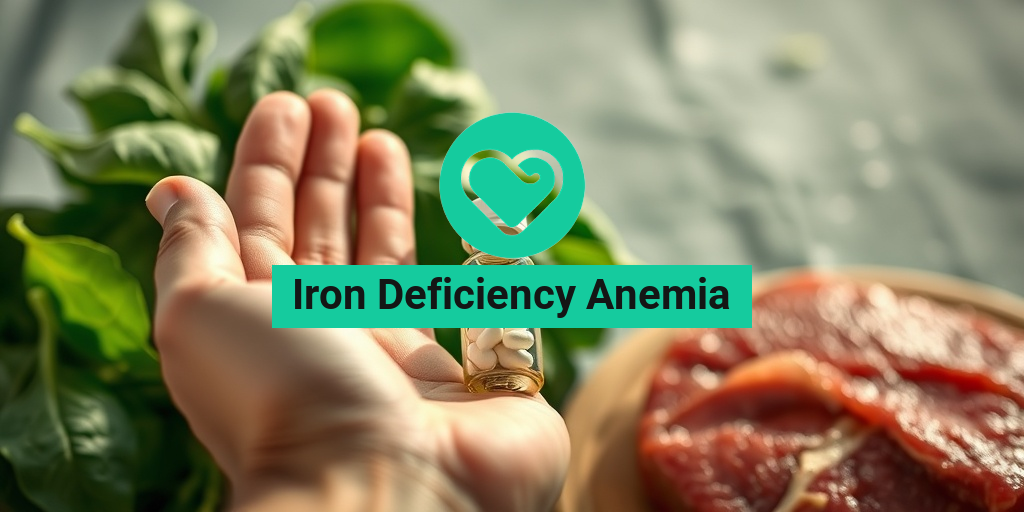
Iron deficiency anemia is a common blood disorder that occurs when your body lacks sufficient iron to produce hemoglobin, the protein in red blood cells responsible for transporting oxygen throughout the body. Without enough iron, your body cannot produce enough healthy red blood cells, leading to a variety of health issues.
This condition can affect anyone, but it is particularly prevalent among certain groups, including pregnant women, young children, and individuals with chronic illnesses. Understanding the definition and implications of iron deficiency anemia is crucial for early detection and effective treatment.
Causes of Iron Deficiency Anemia
There are several reasons why someone might develop iron deficiency anemia, including:
- Inadequate Iron Intake: A diet lacking in iron-rich foods can lead to deficiency. This is often seen in vegetarians or those with restrictive diets.
- Increased Iron Needs: Certain life stages, such as pregnancy or growth spurts in children, increase the body’s demand for iron.
- Blood Loss: Heavy menstrual periods, gastrointestinal bleeding, or surgery can result in significant blood loss, depleting iron stores.
- Malabsorption: Conditions like celiac disease or Crohn’s disease can hinder the body’s ability to absorb iron from food.
Pathophysiology of Iron Deficiency Anemia
The pathophysiology of iron deficiency anemia involves a complex interplay between iron availability and the body’s physiological needs. When iron levels drop, the production of hemoglobin decreases, leading to a reduction in red blood cell count. This results in decreased oxygen delivery to tissues, causing fatigue and other symptoms associated with anemia.
Iron Deficiency Anemia Symptoms
Recognizing the symptoms of iron deficiency anemia is essential for timely intervention. Common symptoms include:
- Fatigue: One of the most prevalent symptoms, fatigue occurs due to insufficient oxygen reaching the body’s tissues.
- Pale Skin: A noticeable paleness, especially in the face and inner eyelids, can indicate low hemoglobin levels.
- Shortness of Breath: Individuals may experience difficulty breathing during physical activities due to reduced oxygen supply.
- Dizziness or Lightheadedness: Insufficient oxygen can lead to feelings of dizziness, especially when standing up quickly.
- Cold Hands and Feet: Poor circulation due to anemia can cause extremities to feel cold.
- Brittle Nails: Nails may become weak and break easily, a sign of nutrient deficiency.
Symptoms in Specific Populations
It’s important to note that symptoms can vary based on age and gender. For instance, pregnant women may experience additional symptoms such as increased heart rate or swelling in the legs. Young children may exhibit behavioral changes or developmental delays if iron deficiency anemia is not addressed promptly.
When to Seek Medical Advice
If you suspect you or someone you know may have iron deficiency anemia, it is crucial to consult a healthcare professional. They can perform labs to confirm the diagnosis and determine the underlying cause. Early detection and treatment can prevent complications and improve overall health.
For more information on iron deficiency anemia, including treatment options and dietary recommendations, consider visiting Yesil Health AI, a valuable resource for evidence-based health answers.
In conclusion, understanding iron deficiency anemia is vital for maintaining optimal health. By recognizing the symptoms and causes, individuals can take proactive steps towards prevention and treatment. Remember, your health is your wealth! 💪
Causes of Iron Deficiency Anemia
Iron deficiency anemia is a condition that arises when your body lacks sufficient iron to produce hemoglobin, the protein in red blood cells that carries oxygen. Understanding the causes of iron deficiency anemia is crucial for effective prevention and treatment. Here are some of the primary causes:
1. Inadequate Iron Intake
A diet low in iron-rich foods can lead to iron deficiency anemia. This is particularly common in individuals who follow vegetarian or vegan diets without proper planning. Foods rich in iron include:
- Red meat
- Poultry
- Fish
- Beans and lentils
- Dark leafy greens (like spinach)
- Fortified cereals
2. Increased Iron Requirements
Certain life stages and conditions increase the body’s demand for iron. For instance:
- Pregnancy: Pregnant women require more iron to support fetal development.
- Growth spurts: Children and adolescents often need more iron during periods of rapid growth.
3. Blood Loss
Chronic blood loss is a significant contributor to iron deficiency anemia. This can occur due to:
- Menstruation: Heavy menstrual periods can lead to significant iron loss.
- Gastrointestinal bleeding: Conditions like ulcers, hemorrhoids, or cancers can cause internal bleeding.
4. Malabsorption Issues
Even if you consume enough iron, certain medical conditions can hinder its absorption. Conditions such as:
- Celiac disease: This autoimmune disorder affects the intestine’s ability to absorb nutrients.
- Gastric bypass surgery: This can alter the digestive system and reduce iron absorption.
5. Chronic Diseases
Some chronic diseases can interfere with iron metabolism, leading to anemia. For example:
- Kidney disease: This can affect the production of erythropoietin, a hormone that stimulates red blood cell production.
- Cancer: Certain cancers can lead to anemia through various mechanisms, including blood loss and reduced red blood cell production.
Risk Factors for Iron Deficiency Anemia
Identifying the risk factors for iron deficiency anemia can help in early detection and prevention. Here are some key risk factors to consider:
1. Dietary Choices
As mentioned earlier, individuals who do not consume enough iron-rich foods are at a higher risk. This includes:
- Vegetarians and vegans
- People with restrictive diets
2. Gender and Age
Women, particularly those of childbearing age, are at a greater risk due to menstruation. Additionally, children and adolescents are also vulnerable due to their higher iron needs during growth periods.
3. Pregnancy
Pregnant women face increased iron requirements, making them more susceptible to iron deficiency anemia. It’s essential for expectant mothers to monitor their iron levels closely.
4. Chronic Health Conditions
Individuals with chronic health conditions, such as:
- Chronic kidney disease
- Inflammatory bowel disease
- Heart disease
are at a higher risk of developing iron deficiency anemia due to ongoing inflammation or blood loss.
5. Age Factors
Older adults may experience iron deficiency anemia due to a combination of factors, including dietary insufficiencies, chronic diseases, and medications that may affect iron absorption.
6. Family History
A family history of anemia can increase your risk. Genetic factors may play a role in how your body absorbs and utilizes iron.
Understanding these causes and risk factors can empower individuals to take proactive steps in managing their iron levels and overall health. If you suspect you may be at risk for iron deficiency anemia, consult with a healthcare professional for appropriate testing and guidance. 🩺
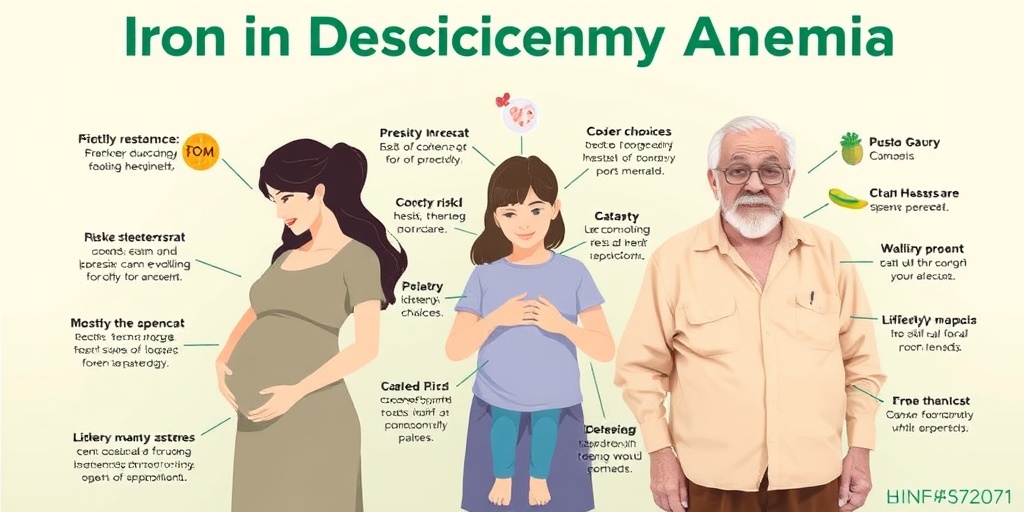
Diagnosis of Iron Deficiency Anemia
Diagnosing iron deficiency anemia is a crucial step in managing this common condition. It involves a combination of medical history, physical examination, and laboratory tests. Understanding the diagnostic process can help you recognize symptoms early and seek appropriate treatment.
Understanding Symptoms
Before diving into diagnostic tests, it’s essential to be aware of the symptoms associated with iron deficiency anemia. Common symptoms include:
- Fatigue and weakness
- Pale skin
- Shortness of breath
- Dizziness or lightheadedness
- Cold hands and feet
- Brittle nails
- Unusual cravings for non-food items (pica)
If you experience any of these symptoms, it’s important to consult a healthcare professional for further evaluation.
Medical History and Physical Examination
During your visit, your doctor will take a detailed medical history, asking about:
- Your dietary habits
- Any chronic illnesses
- Menstrual history (for women)
- Family history of anemia
A physical examination may reveal signs of anemia, such as paleness or rapid heartbeat. These initial assessments help guide further testing.
Laboratory Tests
To confirm a diagnosis of iron deficiency anemia, your doctor will likely order several blood tests, including:
- Complete Blood Count (CBC): This test measures various components of your blood, including hemoglobin levels. Low hemoglobin can indicate anemia.
- Serum Ferritin: This test measures the amount of stored iron in your body. Low ferritin levels are a strong indicator of iron deficiency.
- Serum Iron and Total Iron Binding Capacity (TIBC): These tests assess the amount of iron in your blood and how well your body can transport it.
Based on the results of these tests, your healthcare provider can determine if you have iron deficiency anemia and its severity.
Iron Deficiency Anemia Treatment Options
Once diagnosed, treating iron deficiency anemia is essential to restore your iron levels and alleviate symptoms. Treatment options vary based on the severity of the condition and its underlying causes.
Dietary Changes
One of the first steps in treating iron deficiency anemia is to improve your diet. Incorporating iron-rich foods can significantly help. Consider adding:
- Red meat, poultry, and fish
- Leafy green vegetables (like spinach and kale)
- Legumes (beans and lentils)
- Nuts and seeds
- Fortified cereals and grains
Pairing these foods with vitamin C-rich items (like oranges, strawberries, and bell peppers) can enhance iron absorption. 🍊
Iron Supplements
In many cases, dietary changes alone may not be sufficient. Your doctor may recommend iron supplements to help replenish your iron stores. These can come in various forms, including:
- Ferrous sulfate
- Ferrous gluconate
- Ferrous fumarate
It’s important to follow your healthcare provider’s instructions regarding dosage and duration, as excessive iron intake can lead to complications.
Treating Underlying Causes
In some instances, iron deficiency anemia may be a symptom of an underlying health issue, such as gastrointestinal bleeding or heavy menstrual periods. Addressing these root causes is crucial for effective treatment. Your doctor may recommend:
- Medications to manage heavy menstrual bleeding
- Endoscopic procedures to identify and treat gastrointestinal bleeding
- Other interventions based on specific health conditions
Monitoring and Follow-Up
After starting treatment, regular follow-up appointments are essential to monitor your progress. Your doctor may order repeat blood tests to ensure your iron levels are improving and to adjust your treatment plan as needed. 📅
In summary, diagnosing and treating iron deficiency anemia involves a comprehensive approach that includes dietary changes, supplements, and addressing any underlying health issues. By staying informed and proactive, you can effectively manage this condition and improve your overall health.
Home Remedies for Iron Deficiency Anemia
Iron deficiency anemia is a common condition that occurs when your body lacks sufficient iron to produce hemoglobin, the protein in red blood cells that carries oxygen. This can lead to fatigue, weakness, and a host of other symptoms. While medical treatment is essential, many people seek home remedies to complement their care. Here are some effective home remedies that can help boost your iron levels naturally.
1. Increase Iron-Rich Foods
One of the simplest ways to combat iron deficiency anemia is by incorporating more iron-rich foods into your diet. Here are some excellent sources of iron:
- Red meat: Beef and lamb are particularly high in heme iron, which is more easily absorbed by the body.
- Poultry: Chicken and turkey are good sources of heme iron.
- Seafood: Fish and shellfish, especially oysters and sardines, are rich in iron.
- Legumes: Lentils, chickpeas, and beans are great plant-based sources of iron.
- Leafy greens: Spinach, kale, and Swiss chard are excellent for vegetarians.
2. Pair Iron with Vitamin C
To enhance iron absorption, it’s beneficial to consume foods rich in vitamin C alongside iron-rich foods. Vitamin C helps convert iron into a form that is easier for your body to absorb. Consider adding:
- Citrus fruits: Oranges, lemons, and grapefruits.
- Berries: Strawberries and blueberries.
- Bell peppers: A colorful addition to salads and dishes.
- Tomatoes: Fresh or in sauces can boost your vitamin C intake.
3. Cook with Cast Iron Cookware
Using cast iron cookware can increase the iron content of your food. When you cook acidic foods like tomatoes in cast iron, some of the iron leaches into the food, providing an additional source of this essential mineral.
4. Herbal Remedies
Several herbs are known for their iron-boosting properties. Consider incorporating these into your diet:
- Nettle tea: Rich in iron and vitamin C, nettle tea can be a soothing way to increase your intake.
- Dandelion greens: These can be added to salads or smoothies for an iron boost.
- Yellow dock root: Often used in herbal medicine, it may help improve iron absorption.
5. Avoid Iron Blockers
Some foods and beverages can inhibit iron absorption. To maximize your iron intake, try to limit the consumption of:
- Coffee and tea: These contain tannins that can interfere with iron absorption.
- Dairy products: Calcium can inhibit iron absorption, so consider consuming them separately.
- Whole grains: While healthy, they contain phytates that can bind to iron and reduce its absorption.
Preventing Iron Deficiency Anemia
Preventing iron deficiency anemia is crucial, especially for those at higher risk, such as pregnant women, vegetarians, and individuals with certain medical conditions. Here are some effective strategies to help you maintain healthy iron levels.
1. Balanced Diet
Maintaining a balanced diet is key to preventing iron deficiency anemia. Ensure your meals include a variety of iron-rich foods, as mentioned earlier, along with sources of vitamin C to enhance absorption.
2. Regular Health Check-ups
Regular check-ups with your healthcare provider can help monitor your iron levels, especially if you have a history of anemia or other risk factors. Blood tests can identify low iron levels early, allowing for timely intervention.
3. Educate Yourself About Iron Needs
Understanding your body’s iron needs is essential. For example, pregnant women require more iron due to increased blood volume and fetal development. Knowing your specific requirements can help you make informed dietary choices.
4. Consider Supplements Wisely
If you’re at risk for iron deficiency anemia, talk to your doctor about iron supplements. While they can be beneficial, it’s important to use them under medical supervision to avoid potential side effects or iron overload.
5. Lifestyle Modifications
Incorporating healthy lifestyle habits can also play a role in preventing iron deficiency anemia. Regular exercise, adequate hydration, and stress management can contribute to overall health and well-being, making it easier for your body to maintain optimal iron levels.
By following these home remedies and preventive measures, you can effectively manage and prevent iron deficiency anemia, ensuring your body has the iron it needs to function optimally. 🌟

Frequently Asked Questions about Iron Deficiency Anemia
What is Iron Deficiency Anemia?
Iron Deficiency Anemia is a condition that occurs when the body lacks sufficient iron to produce hemoglobin, the protein in red blood cells that carries oxygen. This deficiency can lead to fatigue, weakness, and other health issues.
What are the common symptoms of Iron Deficiency Anemia?
- Fatigue and weakness
- Pale skin
- Shortness of breath
- Dizziness or lightheadedness
- Cold hands and feet
- Brittle nails
What causes Iron Deficiency Anemia?
There are several causes of Iron Deficiency Anemia, including:
- Inadequate dietary intake of iron
- Increased iron requirements during pregnancy
- Chronic blood loss (e.g., from heavy menstruation or gastrointestinal bleeding)
- Malabsorption disorders
How is Iron Deficiency Anemia diagnosed?
Diagnosis typically involves a physical examination and blood tests to check levels of hemoglobin, hematocrit, and ferritin. These tests help determine the presence and severity of Iron Deficiency Anemia.
What are the treatment options for Iron Deficiency Anemia?
Treatment for Iron Deficiency Anemia may include:
- Iron supplements (oral or intravenous)
- Dietary changes to include more iron-rich foods (e.g., red meat, beans, spinach)
- Treating underlying causes of iron deficiency
Can Iron Deficiency Anemia affect pregnancy?
Yes, Iron Deficiency Anemia can have significant effects during pregnancy, including increased risk of preterm delivery and low birth weight. Pregnant women are often advised to monitor their iron levels closely.
What is the ICD-10 code for Iron Deficiency Anemia?
The ICD-10 code for Iron Deficiency Anemia is D50.9, which is used for billing and documentation purposes in healthcare settings.
How can I prevent Iron Deficiency Anemia?
To help prevent Iron Deficiency Anemia, consider the following:
- Incorporate iron-rich foods into your diet
- Pair iron-rich foods with vitamin C to enhance absorption
- Regularly monitor your iron levels, especially if you are at risk
Where can I find more information about Iron Deficiency Anemia?
For more detailed information, consult healthcare professionals or reputable health websites that specialize in anemia and nutritional health.