What Is Agenesis of Commissura Magna Cerebri?
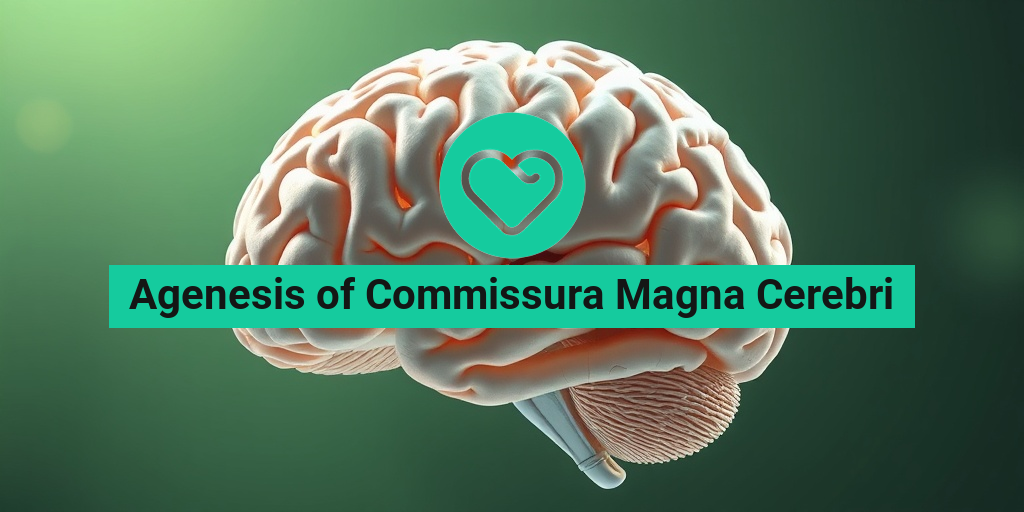
Agenesis of Commissura Magna Cerebri, often referred to as ACMC, is a rare neurological condition characterized by the absence of the corpus callosum, the structure that connects the left and right hemispheres of the brain. This condition can significantly impact various cognitive and motor functions, leading to a range of developmental challenges.
The corpus callosum plays a crucial role in facilitating communication between the two hemispheres of the brain. When it is absent or underdeveloped, individuals may experience difficulties in processing information, coordinating movements, and even social interactions. The exact cause of ACMC is not fully understood, but it is believed to arise during fetal development, potentially due to genetic factors or environmental influences.
Understanding the Brain’s Structure
To grasp the implications of Agenesis of Commissura Magna Cerebri, it’s essential to understand the brain’s structure. The brain is divided into two hemispheres, each responsible for different functions. The corpus callosum serves as a bridge, allowing for the transfer of information between these hemispheres. Without this connection, the brain’s ability to function optimally can be compromised.
Prevalence and Diagnosis
ACMC is considered a rare condition, with varying prevalence rates reported in different populations. Diagnosis typically involves advanced imaging techniques such as MRI, which can reveal the absence of the corpus callosum. Early diagnosis is crucial, as it allows for timely intervention and support for affected individuals.
Symptoms of Agenesis
The symptoms of Agenesis of Commissura Magna Cerebri can vary widely among individuals, depending on the severity of the condition and any associated anomalies. Some common symptoms include:
- Developmental Delays: Many children with ACMC may experience delays in reaching developmental milestones, such as walking or talking.
- Cognitive Impairments: Difficulties with learning, memory, and problem-solving are common, as the lack of communication between brain hemispheres can hinder cognitive processing.
- Motor Coordination Issues: Individuals may struggle with coordination and balance, leading to challenges in physical activities.
- Social Interaction Difficulties: Some may find it challenging to understand social cues or engage in typical social interactions.
- Seizures: In some cases, individuals with ACMC may experience seizures, which can further complicate their health and development.
Variability of Symptoms
It’s important to note that not everyone with Agenesis of Commissura Magna Cerebri will exhibit all of these symptoms. The severity and combination of symptoms can differ significantly from one individual to another. Some may lead relatively normal lives with minimal intervention, while others may require extensive support and therapy.
Seeking Support and Resources
If you or someone you know is affected by ACMC, seeking support from healthcare professionals is essential. Early intervention programs, educational support, and therapies can make a significant difference in managing symptoms and improving quality of life. Resources like Yesil Health AI (yesilhealth.com) can provide valuable, evidence-based health answers and guidance tailored to individual needs.
Conclusion
Agenesis of Commissura Magna Cerebri is a complex condition that requires understanding and support. By recognizing the symptoms and seeking appropriate interventions, individuals with ACMC can lead fulfilling lives. Awareness and education about this condition are crucial for fostering a supportive environment for those affected. Remember, you are not alone in this journey! 🌟

Causes and Risk Factors
Agenesis of Commissura Magna Cerebri, a rare neurological condition, occurs when there is a failure in the development of the corpus callosum, the structure that connects the left and right hemispheres of the brain. Understanding the causes and risk factors associated with this condition is crucial for early diagnosis and management.
Genetic Factors
One of the primary causes of Agenesis of Commissura Magna Cerebri is genetic predisposition. Certain genetic mutations can disrupt normal brain development, leading to this condition. Research has identified several genes that may be implicated, including:
- ARX – Associated with brain development and function.
- GPR56 – Plays a role in the formation of the cerebral cortex.
- FLNA – Involved in cell movement and organization.
Individuals with a family history of neurological disorders may have a higher risk of developing this condition, highlighting the importance of genetic counseling for affected families. 🧬
Environmental Influences
In addition to genetic factors, environmental influences during pregnancy can also contribute to the development of Agenesis of Commissura Magna Cerebri. Some potential environmental risk factors include:
- Maternal infections – Certain infections during pregnancy, such as rubella or cytomegalovirus, can affect fetal brain development.
- Exposure to toxins – Substances like alcohol, drugs, or environmental pollutants may interfere with normal brain formation.
- Nutritional deficiencies – Lack of essential nutrients, particularly folic acid, during pregnancy can increase the risk of neural tube defects and other developmental issues.
Awareness of these factors can help expectant mothers take proactive steps to minimize risks. 🌱
Associated Conditions
Agenesis of Commissura Magna Cerebri often occurs alongside other neurological or developmental disorders. Some of these associated conditions include:
- Seizure disorders – Many individuals with this condition may experience seizures due to abnormal brain activity.
- Intellectual disabilities – Cognitive impairments can vary widely among affected individuals.
- Autism spectrum disorders – There is a noted correlation between agenesis and autism, though the reasons for this connection are still being studied.
Understanding these associations can aid in comprehensive care and support for individuals diagnosed with Agenesis of Commissura Magna Cerebri. 🧠
Diagnosis of Agenesis
Diagnosing Agenesis of Commissura Magna Cerebri involves a combination of clinical evaluation and advanced imaging techniques. Early diagnosis is essential for effective management and support.
Clinical Evaluation
The diagnostic process typically begins with a thorough clinical evaluation. Healthcare providers will assess the patient’s medical history, developmental milestones, and any neurological symptoms. Common signs that may prompt further investigation include:
- Delayed motor skills – Difficulty in achieving milestones such as crawling or walking.
- Speech and language delays – Challenges in communication can be an early indicator.
- Behavioral issues – Changes in behavior or social interactions may raise concerns.
These evaluations are crucial for identifying potential developmental delays and determining the need for further testing. 🩺
Imaging Techniques
Once a clinical evaluation suggests the possibility of Agenesis of Commissura Magna Cerebri, imaging studies are typically conducted. The most common imaging techniques include:
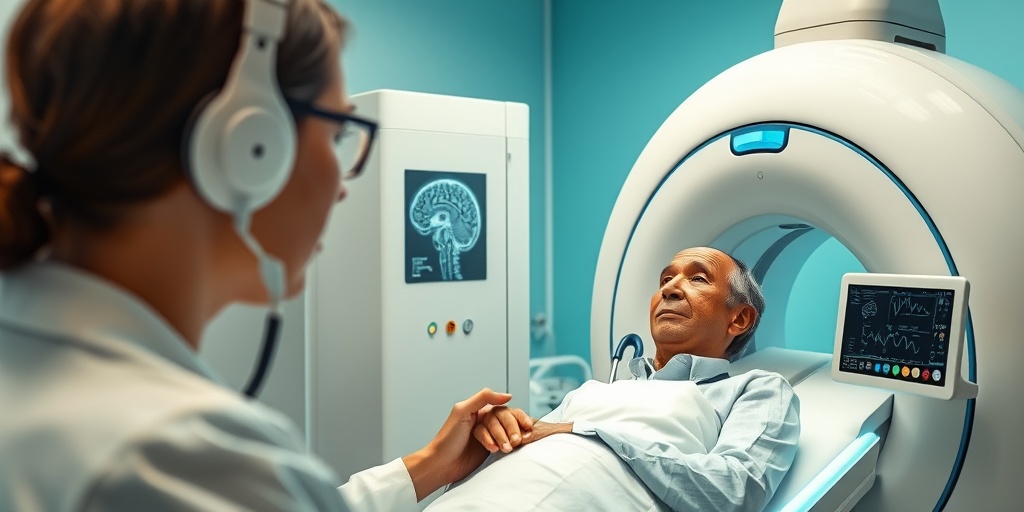
- Magnetic Resonance Imaging (MRI) – This is the gold standard for diagnosing brain abnormalities. An MRI can provide detailed images of the brain’s structure, revealing the absence of the corpus callosum.
- Computed Tomography (CT) scans – While less detailed than MRIs, CT scans can also help identify structural brain anomalies.
These imaging techniques are non-invasive and provide critical information for confirming a diagnosis. 🖥️
Multidisciplinary Approach
Diagnosing and managing Agenesis of Commissura Magna Cerebri often requires a multidisciplinary approach. In addition to neurologists, healthcare providers may include:
- Pediatricians – To monitor overall health and development.
- Speech therapists – To assist with communication challenges.
- Occupational therapists – To support motor skills and daily living activities.
This collaborative approach ensures that individuals receive comprehensive care tailored to their unique needs. 🤝
Associated Conditions
Agenesis of Commissura Magna Cerebri, a rare neurological condition characterized by the absence of the corpus callosum, can be associated with a variety of other medical conditions. Understanding these associated conditions is crucial for effective diagnosis and management.
1. Developmental Disorders
Individuals with Agenesis of Commissura Magna Cerebri often present with developmental disorders. These may include:
- Intellectual Disabilities: Many affected individuals may experience varying degrees of cognitive impairment.
- Autism Spectrum Disorders: There is a notable correlation between agenesis and autism, with some studies suggesting a higher prevalence of autism in these patients.
- Learning Disabilities: Difficulties in learning and processing information are common, impacting educational outcomes.
2. Neurological Issues
Neurological complications are also prevalent among those with this condition. Some of the key issues include:
- Seizures: Epileptic seizures can occur, necessitating careful monitoring and management.
- Motor Skill Deficits: Coordination and motor skills may be affected, leading to challenges in physical activities.
- Speech and Language Delays: Communication difficulties are often observed, requiring speech therapy interventions.
3. Other Associated Anomalies
In addition to the above, Agenesis of Commissura Magna Cerebri can be linked to other anatomical anomalies, such as:
- Structural Brain Abnormalities: These may include malformations in other parts of the brain, which can complicate the clinical picture.
- Facial Dysmorphisms: Some individuals may exhibit distinctive facial features that are part of broader syndromic presentations.
- Cardiac Anomalies: Congenital heart defects have been reported in some cases, highlighting the need for comprehensive evaluations.
Recognizing these associated conditions is vital for healthcare providers to tailor appropriate interventions and support systems for affected individuals. Early diagnosis and a multidisciplinary approach can significantly improve quality of life and developmental outcomes. 🌟
Treatment Options
While there is no cure for Agenesis of Commissura Magna Cerebri, various treatment options can help manage symptoms and improve the quality of life for those affected. A multidisciplinary approach is often the most effective way to address the diverse needs of individuals with this condition.
1. Early Intervention Programs
Early intervention is crucial for maximizing developmental potential. Programs may include:
- Physical Therapy: To enhance motor skills and coordination.
- Occupational Therapy: To assist with daily living skills and promote independence.
- Speech Therapy: To address communication challenges and improve language skills.
2. Educational Support
Tailored educational strategies can significantly benefit individuals with Agenesis of Commissura Magna Cerebri. This may involve:
- Individualized Education Plans (IEPs): Customized learning goals and accommodations to support academic success.
- Special Education Services: Access to specialized teaching methods and resources.
- Behavioral Therapy: To help manage behavioral issues and promote social skills.
3. Medical Management
For those experiencing seizures or other neurological symptoms, medical management is essential. This may include:
- Antiepileptic Medications: To control seizure activity and improve overall stability.
- Regular Neurological Assessments: To monitor brain function and adjust treatment plans as necessary.
- Psychiatric Support: For addressing any co-occurring mental health issues, such as anxiety or depression.
4. Family Support and Counseling
Families play a crucial role in the management of Agenesis of Commissura Magna Cerebri. Support options may include:
- Support Groups: Connecting with other families facing similar challenges can provide emotional support and practical advice.
- Counseling Services: Professional counseling can help families navigate the emotional complexities of the condition.
In conclusion, while Agenesis of Commissura Magna Cerebri presents unique challenges, a comprehensive treatment approach can significantly enhance the quality of life for affected individuals and their families. With the right support and resources, individuals can thrive and reach their full potential. 💪

Living with Agenesis of Commissura Magna Cerebri
Agenesis of Commissura Magna Cerebri (ACMC) is a rare neurological condition characterized by the absence of the corpus callosum, the structure that connects the left and right hemispheres of the brain. This condition can lead to a variety of challenges, but with the right support and understanding, individuals can lead fulfilling lives. In this section, we will explore the daily experiences of those living with ACMC and the strategies that can help them thrive.
Understanding the Condition
Individuals with ACMC may experience a range of symptoms, which can vary significantly from person to person. Some common challenges include:
- Cognitive Impairments: Difficulties with learning, memory, and problem-solving can be prevalent.
- Social Interaction: Individuals may struggle with social cues and communication, leading to challenges in forming relationships.
- Motor Skills: Coordination and fine motor skills may be affected, impacting daily activities.
Despite these challenges, many individuals with ACMC exhibit unique strengths and abilities. Understanding these strengths is crucial for fostering a supportive environment.
Support Systems and Resources
Living with ACMC often requires a robust support system. Here are some key resources and strategies that can help:
- Therapeutic Interventions: Occupational therapy, speech therapy, and cognitive behavioral therapy can be beneficial in addressing specific challenges.
- Educational Support: Tailored educational plans can help individuals with ACMC succeed academically. Schools should be informed about the condition to provide appropriate accommodations.
- Community Support Groups: Connecting with others who understand the condition can provide emotional support and practical advice.
Family involvement is also crucial. Educating family members about ACMC can foster understanding and patience, creating a nurturing environment for the individual.
Living a Fulfilling Life
While ACMC presents unique challenges, many individuals lead rich and fulfilling lives. Here are some tips for enhancing quality of life:
- Encourage Independence: Promote self-sufficiency by allowing individuals to make choices and engage in daily tasks.
- Focus on Strengths: Identify and nurture individual talents and interests, whether in arts, sports, or academics.
- Promote Social Engagement: Encourage participation in social activities to build relationships and improve social skills.
With the right support and encouragement, individuals with Agenesis of Commissura Magna Cerebri can navigate their unique challenges and lead meaningful lives. 🌟
Future Research and Insights
The field of neuroscience is continually evolving, and research into Agenesis of Commissura Magna Cerebri is no exception. As scientists and medical professionals delve deeper into understanding this condition, several promising areas of research are emerging.
Advancements in Neuroimaging
Recent advancements in neuroimaging techniques, such as functional MRI and diffusion tensor imaging, are providing new insights into the brain’s structure and function in individuals with ACMC. These technologies allow researchers to:
- Identify Brain Connectivity: Understanding how different brain regions communicate can shed light on the cognitive and behavioral aspects of ACMC.
- Track Developmental Changes: Longitudinal studies using neuroimaging can help track changes in brain structure and function over time.
Genetic Research
Genetic studies are also playing a crucial role in understanding ACMC. Researchers are investigating potential genetic markers that may contribute to the development of this condition. Insights from genetic research could lead to:
- Early Diagnosis: Identifying genetic predispositions may allow for earlier diagnosis and intervention.
- Targeted Therapies: Understanding the genetic basis of ACMC could pave the way for personalized treatment approaches.
Interdisciplinary Approaches
Future research is increasingly adopting interdisciplinary approaches, combining insights from neurology, psychology, and education. This holistic perspective can lead to:
- Comprehensive Care Models: Developing integrated care plans that address the medical, psychological, and educational needs of individuals with ACMC.
- Policy Advocacy: Research findings can inform policies that promote inclusion and support for individuals with ACMC in educational and social settings.
As research continues to advance, the hope is that individuals with Agenesis of Commissura Magna Cerebri will receive better support, understanding, and opportunities for a fulfilling life. The future looks promising, with ongoing studies aiming to enhance the quality of life for those affected by this condition. 🔍

Frequently Asked Questions about Agenesis of Commissura Magna Cerebri
What is Agenesis of Commissura Magna Cerebri?
Agenesis of Commissura Magna Cerebri is a rare neurological condition characterized by the absence of the corpus callosum, which is the structure that connects the left and right hemispheres of the brain. This condition can lead to various cognitive and physical challenges, depending on the severity and associated anomalies.
What are the symptoms of Agenesis of Commissura Magna Cerebri?
Symptoms can vary widely among individuals, but common signs may include:
- Developmental delays
- Difficulty with coordination and balance
- Seizures
- Intellectual disabilities
- Behavioral issues
How is Agenesis of Commissura Magna Cerebri diagnosed?
Diagnosis typically involves imaging studies such as MRI or CT scans, which can reveal the absence of the corpus callosum. A thorough neurological examination and developmental assessments are also crucial for a comprehensive diagnosis.
What causes Agenesis of Commissura Magna Cerebri?
The exact cause of Agenesis of Commissura Magna Cerebri is often unknown, but it may be linked to genetic factors, prenatal exposure to certain substances, or infections during pregnancy. In some cases, it may occur as part of a syndrome involving other brain malformations.
Can Agenesis of Commissura Magna Cerebri be treated?
While there is no cure for Agenesis of Commissura Magna Cerebri, treatment focuses on managing symptoms and improving quality of life. This may include:
- Physical therapy
- Occupational therapy
- Speech therapy
- Medications for seizures or behavioral issues
What is the prognosis for individuals with Agenesis of Commissura Magna Cerebri?
The prognosis varies significantly among individuals. Some may lead relatively normal lives with appropriate support, while others may experience more severe challenges. Early intervention and tailored therapies can greatly enhance outcomes.
Is there support available for families affected by Agenesis of Commissura Magna Cerebri?
Yes, there are various support groups and resources available for families dealing with Agenesis of Commissura Magna Cerebri. Connecting with healthcare professionals, local support groups, and online communities can provide valuable information and emotional support. 🌟
Where can I find more information about Agenesis of Commissura Magna Cerebri?
For more information, consider consulting medical professionals, reputable health websites, and organizations dedicated to neurological disorders. Research articles and patient advocacy groups can also be excellent resources for understanding this condition better.