What Is a Menstrual Period?
A menstrual period is a natural part of the female reproductive cycle, marking the shedding of the uterine lining when pregnancy does not occur. This process is a key indicator of reproductive health and typically begins during puberty, signaling the onset of a young woman’s ability to conceive. The average menstrual cycle lasts about 28 days, but it can vary from person to person, ranging from 21 to 35 days.
The Phases of the Menstrual Cycle
The menstrual cycle consists of several phases:
- Menstrual Phase: This is when the uterine lining is shed, resulting in menstrual bleeding. It usually lasts between 3 to 7 days.
- Follicular Phase: Following menstruation, the body prepares for a potential pregnancy. Hormones stimulate the ovaries to produce follicles, each containing an egg.
- Ovulation: Around the midpoint of the cycle, a mature egg is released from the ovary. This is the most fertile time in the cycle.
- Luteal Phase: After ovulation, the body prepares for a possible pregnancy. If the egg is not fertilized, hormone levels drop, leading to the start of the next menstrual period.
Understanding your menstrual cycle is essential for tracking reproductive health and can help in recognizing any irregularities. If you have questions about your cycle or reproductive health, resources like Yesil Health AI can provide evidence-based answers.
Signs of First Menstrual Period
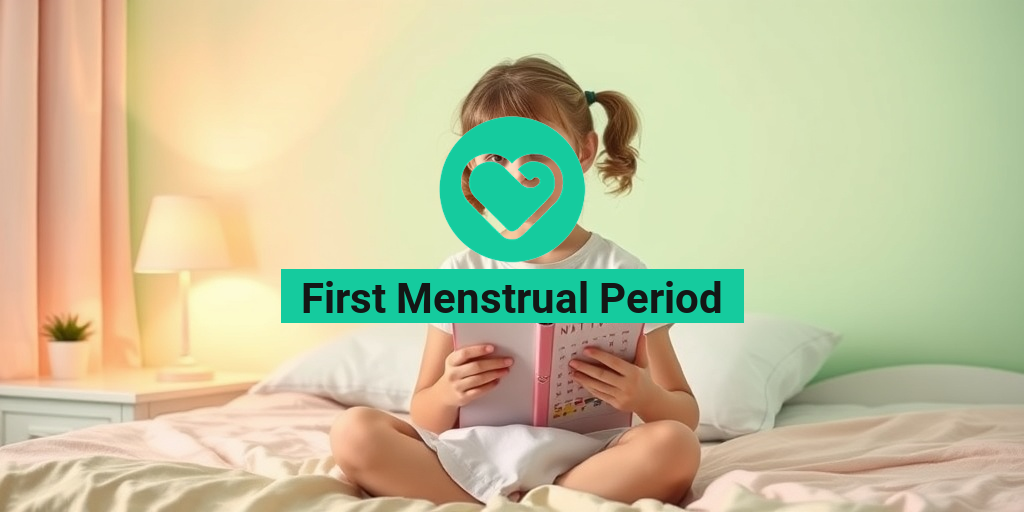
The first menstrual period, often referred to as menarche, is a significant milestone in a young woman’s life. It typically occurs between the ages of 9 and 16, with the average age being around 12. Recognizing the signs that indicate the impending arrival of the first menstrual period can help ease the transition into this new phase of life.
Common Signs to Look For
Here are some common signs that may indicate the approach of the first menstrual period:
- Breast Development: One of the first physical changes during puberty is breast development. This can begin several years before the first period.
- Growth Spurts: Many girls experience a growth spurt during puberty, which can be a sign that menstruation is approaching.
- Pubic and Underarm Hair: The growth of hair in these areas is another indicator of hormonal changes in the body.
- Abdominal Cramps: Some girls may experience mild cramps or discomfort in the lower abdomen as the body prepares for menstruation.
- Vaginal Discharge: Increased vaginal discharge, often clear or white, can occur in the months leading up to the first period.
Emotional Changes
In addition to physical signs, emotional changes can also signal the onset of menstruation. Mood swings, increased sensitivity, and heightened emotions are common during puberty due to hormonal fluctuations. It’s important to communicate these feelings and seek support from trusted adults or peers.
Celebrating Menarche
For many cultures, the first menstrual period is a significant event worthy of celebration. Some families choose to mark this milestone with a small ceremony or gift, acknowledging the transition into womanhood. This can help young girls feel supported and empowered as they navigate this new chapter in their lives. 🎉
In conclusion, understanding what a menstrual period is and recognizing the signs of the first menstrual period can help young women feel more prepared and informed. If you have any concerns or questions about your menstrual health, consider visiting Yesil Health AI for reliable information and guidance. Remember, every woman’s experience is unique, and it’s perfectly normal to have questions as you embark on this journey! 🌸
Age of Onset
The first menstrual period, also known as menarche, marks a significant milestone in a young person’s life. It typically occurs between the ages of 9 and 16, with the average age being around 12. However, several factors can influence when a girl will experience her first period.
Factors Influencing Age of Menarche
- Genetics: Family history plays a crucial role. If a mother or sister started their periods early, it’s likely that the daughter will too.
- Nutrition: A well-balanced diet can impact the timing of menarche. Girls who are undernourished may experience delayed onset, while those with higher body fat may start earlier.
- Physical Activity: Intense physical training or sports can delay the onset of menstruation. This is often seen in athletes who maintain a low body weight.
- Health Conditions: Certain medical conditions, such as hormonal imbalances or chronic illnesses, can also affect when a girl gets her first period.
Understanding the age of onset can help parents and guardians prepare for this important transition. It’s essential to have open conversations about menstruation, ensuring that young individuals feel informed and supported as they approach this milestone. 🌸
Menstrual Cycle Phases
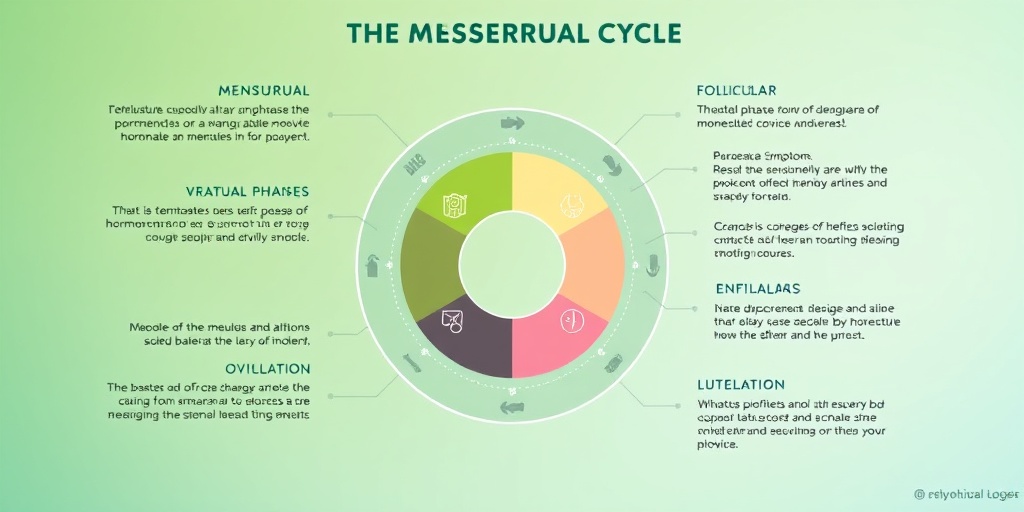
Once a girl experiences her first menstrual period, she enters a new phase of life characterized by the menstrual cycle. The menstrual cycle is typically around 28 days but can range from 21 to 35 days. It consists of four main phases:
1. Menstrual Phase
This phase begins on the first day of menstruation and lasts for about 3 to 7 days. During this time, the uterine lining sheds, resulting in menstrual bleeding. The flow can vary in color and intensity, which is completely normal. The first menstrual period color can range from bright red to dark brown, depending on how long the blood has been in the uterus.
2. Follicular Phase
Following menstruation, the follicular phase begins. This phase lasts from day 1 to about day 14 of the cycle. The pituitary gland releases follicle-stimulating hormone (FSH), which stimulates the ovaries to produce follicles. One of these follicles will mature into an egg. During this phase, estrogen levels rise, thickening the uterine lining in preparation for a potential pregnancy.
3. Ovulation Phase
Ovulation occurs around day 14 of the cycle. The surge in luteinizing hormone (LH) triggers the release of a mature egg from the ovary. This is the most fertile time in the menstrual cycle, and many women may notice changes in their bodies, such as increased cervical mucus and heightened libido. 🌼
4. Luteal Phase
The luteal phase lasts from day 15 to day 28. After ovulation, the ruptured follicle transforms into the corpus luteum, which produces progesterone. This hormone helps maintain the uterine lining. If pregnancy does not occur, the corpus luteum disintegrates, leading to a drop in hormone levels and the start of menstruation again.
Understanding these phases can help individuals track their cycles, recognize patterns, and manage symptoms associated with menstruation. It’s also beneficial for those who are planning for pregnancy or trying to avoid it. Knowledge is power when it comes to reproductive health! 💪
Common Symptoms
The first menstrual period, often referred to as menarche, marks a significant milestone in a young person’s life. Understanding the common symptoms associated with this event can help ease any anxiety and prepare for what to expect. Here are some typical symptoms that may occur:
Physical Symptoms
- Abdominal Cramps: Many individuals experience cramps in the lower abdomen as the uterus contracts. These cramps can vary in intensity and may last for a few days.
- Bloating: Hormonal changes can lead to feelings of bloating, which is quite common during the menstrual cycle.
- Breast Tenderness: Hormonal fluctuations can cause breast tissue to swell, leading to tenderness or discomfort.
- Headaches: Some may experience headaches or migraines due to hormonal changes that occur during the menstrual cycle.
Emotional Symptoms
In addition to physical symptoms, emotional changes can also occur. These may include:
- Mood Swings: Hormonal shifts can lead to fluctuations in mood, causing feelings of irritability or sadness.
- Anxiety: The anticipation of the first period can create anxiety, especially if one is unsure about what to expect.
- Fatigue: Some individuals may feel more tired than usual, which can be attributed to hormonal changes and the body’s adjustment to the menstrual cycle.
Recognizing these symptoms can help individuals prepare for their first menstrual period and understand that they are a normal part of the process. 🌸
Managing Discomfort
While the first menstrual period can be an exciting yet daunting experience, managing discomfort is essential for a smoother transition. Here are some effective strategies to alleviate discomfort during this time:
Over-the-Counter Pain Relief
For those experiencing significant cramps or discomfort, over-the-counter pain relievers such as ibuprofen or acetaminophen can be effective. Always follow the recommended dosage and consult with a healthcare provider if unsure. 💊
Heat Therapy
Applying heat to the lower abdomen can help relax the muscles and reduce cramping. Consider using:
- Heating Pads: A heating pad can provide consistent warmth and relief.
- Warm Baths: Soaking in a warm bath can soothe cramps and promote relaxation.
Dietary Adjustments
What you eat can also impact how you feel during your first menstrual period. Here are some dietary tips:
- Stay Hydrated: Drinking plenty of water can help reduce bloating and alleviate discomfort.
- Eat Nutrient-Rich Foods: Incorporate fruits, vegetables, and whole grains into your diet to support overall health.
- Avoid Caffeine and Sugary Foods: These can exacerbate bloating and mood swings, so it’s best to limit them during your period.
Physical Activity
Engaging in light physical activity, such as walking or yoga, can help improve circulation and reduce cramps. Exercise releases endorphins, which are natural pain relievers and mood boosters. 🧘♀️
Relaxation Techniques
Practicing relaxation techniques can also be beneficial. Consider trying:
- Deep Breathing: Taking slow, deep breaths can help calm the mind and body.
- Meditation: Mindfulness meditation can reduce anxiety and promote emotional well-being.
- Gentle Stretching: Simple stretches can relieve tension in the body and improve comfort.
By understanding the common symptoms and implementing effective strategies to manage discomfort, individuals can navigate their first menstrual period with greater confidence and ease. Remember, every person’s experience is unique, and it’s important to find what works best for you! 🌼
Menstrual Hygiene Tips
Maintaining proper hygiene during your first menstrual period is crucial for both comfort and health. Here are some essential tips to help you navigate this new experience with confidence:
1. Choose the Right Products
There are various menstrual products available, and finding the right one for you is key. Here are some options:
- Sanitary Pads: These are absorbent pads that stick to your underwear. They come in various sizes and absorbencies, so choose one that feels comfortable.
- Tampons: These are inserted into the vagina and come in different absorbency levels. Make sure to change them every 4-8 hours to avoid Toxic Shock Syndrome (TSS).
- Menstrual Cups: These reusable cups collect menstrual fluid and can be worn for up to 12 hours. They are eco-friendly and cost-effective in the long run.
- Period Underwear: These are specially designed underwear that can absorb menstrual flow. They can be worn alone or as a backup to other products.
2. Change Regularly
Regardless of the product you choose, it’s important to change it regularly. For pads and tampons, aim to change them every 4-6 hours, or more frequently if your flow is heavy. This helps prevent leaks and reduces the risk of infections.
3. Keep Clean
During your first menstrual period, maintaining cleanliness is essential. Here are some tips:
- Wash Your Hands: Always wash your hands before and after changing your menstrual products.
- Shower Regularly: Taking a shower can help you feel fresh and clean. Consider using mild soap to wash your genital area.
- Avoid Douching: Douching can disrupt the natural balance of bacteria in your vagina and lead to infections.
4. Track Your Cycle
Keeping track of your menstrual cycle can help you anticipate your next period and manage your hygiene better. You can use a calendar, a mobile app, or a journal to note the start and end dates of your period, as well as any symptoms you experience.
5. Stay Comfortable
Comfort is key during your period. Wear breathable cotton underwear and loose-fitting clothes to help you feel more at ease. If you experience cramps, consider using a heating pad or taking over-the-counter pain relief as needed.
When to Seek Help
While menstruation is a natural process, there are times when you may need to seek medical advice. Here are some signs to watch for:
1. Irregular Periods
If your first menstrual period is irregular or if you miss periods frequently, it’s a good idea to consult a healthcare provider. Irregularities can be caused by various factors, including stress, hormonal imbalances, or underlying health conditions.
2. Severe Pain
While some discomfort is normal during menstruation, severe pain that interferes with your daily activities is not. If you experience debilitating cramps or pain, speak to a healthcare professional to rule out conditions like endometriosis or fibroids.
3. Heavy Bleeding
Heavy menstrual bleeding, or menorrhagia, is characterized by soaking through one or more pads or tampons every hour for several consecutive hours. If you notice this, it’s important to seek medical advice.
4. Unusual Symptoms
Pay attention to any unusual symptoms during your period, such as fever, chills, or foul-smelling discharge. These could be signs of an infection or other health issues that require prompt attention.
5. Emotional Distress
Menstruation can bring about emotional changes, but if you find yourself feeling overwhelmingly anxious, depressed, or irritable, it may be beneficial to talk to a mental health professional. They can help you navigate these feelings and provide support.
Remember, your health is important, and seeking help when needed is a sign of strength. Embrace your first menstrual period with confidence, knowing that you have the tools and knowledge to take care of yourself! 🌸
Frequently Asked Questions about First Menstrual Period
What is the first menstrual period called?
The first menstrual period is commonly referred to as menarche. This marks the beginning of a female’s reproductive years and typically occurs between the ages of 9 and 16.
At what age does the first menstrual period usually occur?
The age at which a girl experiences her first menstrual period can vary widely. On average, menarche occurs around the age of 12, but it can happen as early as 9 or as late as 16.
What should I expect during my first menstrual period?
During the first menstrual period, you may experience a range of symptoms, including:
- Menstrual flow: This can vary from light spotting to a heavier flow.
- Cramps: Mild to moderate abdominal cramps are common.
- Mood swings: Hormonal changes can lead to emotional fluctuations.
How long does the first menstrual period last?
The duration of the first menstrual period can vary, but it typically lasts between 3 to 7 days. Over time, menstrual cycles may become more regular.
What is the first menstrual period color like?
The color of menstrual blood can vary from bright red to dark brown or even black. During the first menstrual period, it is common to see a range of colors as the body adjusts to the menstrual cycle.
Is there a way to celebrate the first menstrual period?
Many cultures have unique ways to celebrate menarche. Some families may choose to hold a small gathering or give a special gift to mark this important milestone in a young girl’s life. 🎉
What happens to the first menstrual period after giving birth?
After giving birth, the first menstrual period may take some time to return, especially if you are breastfeeding. Typically, it can take anywhere from a few weeks to several months for the first menstrual period to resume.
What if my first menstrual period is irregular?
It is common for the first few menstrual cycles to be irregular. Hormonal fluctuations can cause variations in cycle length and flow. If irregularities persist, it is advisable to consult a healthcare professional.
Can I use a menstrual kit for my first period?
Yes, using a first menstrual period kit can be helpful. These kits often include essential items like pads, tampons, and educational materials to help you understand and manage your menstrual cycle.
What if I have concerns about my first menstrual period?
If you have any concerns or questions about your first menstrual period, it is important to talk to a trusted adult or healthcare provider. They can provide guidance and support tailored to your needs.