What Is Glossopyrosis?
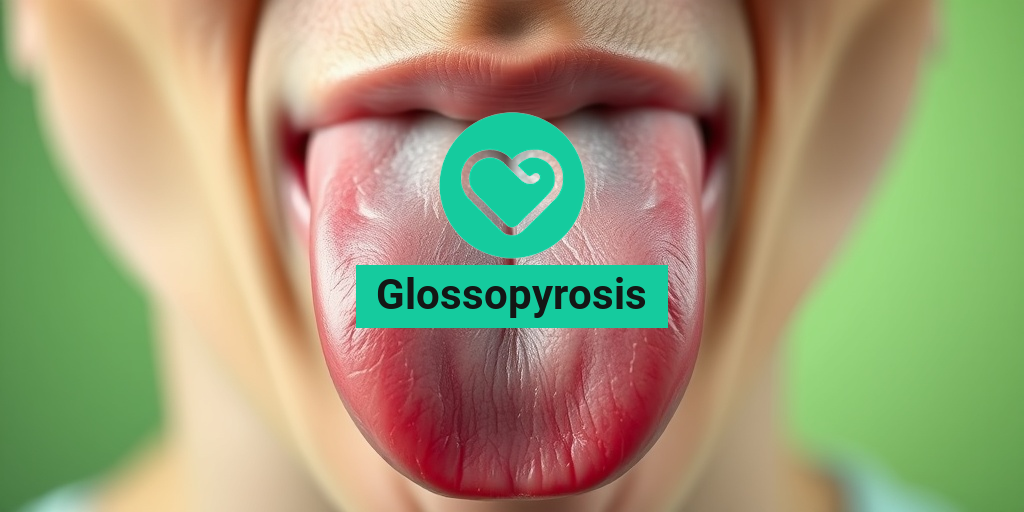
Glossopyrosis, often referred to as “burning mouth syndrome,” is a condition characterized by a persistent burning sensation in the tongue and other areas of the mouth. This sensation can be quite uncomfortable and may lead to significant distress for those affected. While the exact cause of glossopyrosis remains unclear, it is classified as a type of idiopathic glossopyrosis, meaning that the underlying reasons for the symptoms are often unknown.
Glossopyrosis is not a disease in itself but rather a symptom that can be associated with various underlying conditions. It can occur in individuals of any age, but it is more commonly reported in middle-aged and older adults, particularly women. The condition can be chronic, with symptoms lasting for months or even years, which can significantly impact a person’s quality of life.
Understanding the Medical Term
Glossopyrosis Symptoms
The primary symptom of glossopyrosis is a persistent burning sensation in the tongue, but there are other symptoms that may accompany this condition. Recognizing these symptoms is crucial for proper diagnosis and treatment. Here are some common symptoms associated with glossopyrosis:
- Burning Sensation: The most prominent symptom, often described as a feeling of heat or irritation on the tongue.
- Dry Mouth: Many individuals report a sensation of dryness in the mouth, which can exacerbate the burning feeling.
- Altered Taste: Some people may experience changes in their taste perception, making food and drinks less enjoyable.
- Oral Discomfort: This can include soreness or sensitivity in the mouth, particularly on the tongue.
- Increased Thirst: Due to the dry mouth sensation, individuals may find themselves drinking more fluids than usual.
When to Seek Medical Attention
If you experience persistent burning sensations in your mouth or tongue, it is essential to consult a healthcare professional. While glossopyrosis itself is not life-threatening, it can be a symptom of underlying conditions that may require treatment. Some potential causes include:
- Vitamin deficiencies (such as B12 or iron)
- Hormonal changes (especially in postmenopausal women)
- Allergic reactions to certain foods or dental products
- Oral infections or conditions like oral thrush
- Psychological factors, including anxiety or depression
Understanding the potential causes of glossopyrosis can help guide your healthcare provider in determining the best course of action. They may recommend various tests or evaluations to identify any underlying issues.
Exploring Treatment Options
Treatment for glossopyrosis often focuses on addressing the underlying causes and alleviating symptoms. Depending on the diagnosis, your healthcare provider may suggest:
- Dietary Changes: Incorporating more vitamins and minerals into your diet can help if deficiencies are identified.
- Hydration: Staying well-hydrated can alleviate dry mouth symptoms.
- Medications: In some cases, medications may be prescribed to manage symptoms or treat underlying conditions.
- Therapy: If psychological factors are contributing to the condition, therapy or counseling may be beneficial.
For more detailed information and evidence-based health answers, consider visiting Yesil Health AI, a valuable resource for understanding various health conditions, including glossopyrosis.
In conclusion, glossopyrosis is a complex condition that can significantly affect an individual’s quality of life. By recognizing the symptoms and seeking appropriate medical advice, individuals can find relief and improve their overall well-being. If you or someone you know is experiencing these symptoms, don’t hesitate to reach out to a healthcare professional for guidance. 🌟

Causes of Glossopyrosis
Glossopyrosis, often characterized by a burning sensation on the tongue, can be a perplexing condition for many. Understanding the causes of glossopyrosis is crucial for effective management and treatment. While the exact cause remains unclear for some individuals, several factors have been identified that may contribute to this condition.
1. Nutritional Deficiencies
One of the most common causes of glossopyrosis is a deficiency in essential nutrients. Specifically, deficiencies in vitamin B12, iron, and folic acid have been linked to the development of this condition. These vitamins play a vital role in maintaining the health of the tongue and oral mucosa. A lack of these nutrients can lead to inflammation and discomfort.
2. Oral Health Issues
Poor oral hygiene and dental problems can also lead to glossopyrosis. Conditions such as oral thrush, a fungal infection, or gingivitis can irritate the tongue and contribute to a burning sensation. Regular dental check-ups and maintaining good oral hygiene are essential in preventing these issues.
3. Allergies and Sensitivities
Some individuals may experience glossopyrosis due to allergies or sensitivities to certain foods, dental products, or medications. Common allergens include citrus fruits, spicy foods, and certain preservatives. Identifying and avoiding these triggers can help alleviate symptoms.
4. Hormonal Changes
Hormonal fluctuations, particularly in women, can also play a role in the onset of glossopyrosis. Many women report experiencing symptoms during menopause or pregnancy, suggesting that hormonal changes may affect oral health and sensitivity.
5. Psychological Factors
Stress and anxiety have been linked to various physical symptoms, including glossopyrosis. Psychological factors can exacerbate the perception of pain and discomfort in the mouth. Managing stress through relaxation techniques, therapy, or lifestyle changes may help reduce symptoms.
6. Idiopathic Causes
In some cases, the cause of glossopyrosis remains unknown, which is referred to as idiopathic glossopyrosis. This means that despite thorough examinations and tests, no specific cause can be identified. For individuals experiencing idiopathic glossopyrosis, a multidisciplinary approach may be necessary to manage symptoms effectively.
Risk Factors for Glossopyrosis
Understanding the risk factors for glossopyrosis can help individuals identify their susceptibility to this condition. While anyone can develop glossopyrosis, certain factors may increase the likelihood of experiencing symptoms.
1. Age
Glossopyrosis is more commonly reported in older adults, particularly those over the age of 50. As we age, our bodies undergo various changes, including alterations in oral health and nutrient absorption, which may contribute to the development of this condition.
2. Gender
Research indicates that women are more likely to experience glossopyrosis than men. This disparity may be linked to hormonal differences and the prevalence of certain conditions that affect women more frequently.
3. Pre-existing Health Conditions
Individuals with certain health conditions, such as diabetes, autoimmune disorders, or thyroid issues, may be at a higher risk for developing glossopyrosis. These conditions can affect the body’s ability to maintain oral health and may lead to increased sensitivity.
4. Smoking and Alcohol Use
Both smoking and excessive alcohol consumption can contribute to oral health problems, increasing the risk of glossopyrosis. These habits can lead to dry mouth, irritation, and inflammation, making the tongue more susceptible to discomfort.
5. Medications
Certain medications, particularly those that cause dry mouth as a side effect, can increase the risk of glossopyrosis. If you are taking medications that affect saliva production, it’s essential to discuss potential alternatives with your healthcare provider.
6. Stress and Anxiety
As mentioned earlier, psychological factors can play a significant role in glossopyrosis. Individuals who experience high levels of stress or anxiety may be more prone to developing symptoms. Finding effective coping strategies can be beneficial in managing both mental health and oral discomfort.
In conclusion, understanding the causes and risk factors associated with glossopyrosis can empower individuals to seek appropriate treatment and make lifestyle changes that may alleviate their symptoms. If you suspect you have glossopyrosis, consulting with a healthcare professional is essential for proper diagnosis and management. 🌟

Glossopyrosis Diagnosis
Diagnosing glossopyrosis, often referred to as burning mouth syndrome, can be a complex process. This condition is characterized by a persistent burning sensation in the tongue and other areas of the mouth, without any visible signs of damage. To accurately diagnose glossopyrosis, healthcare professionals typically follow a systematic approach.
Initial Consultation
The first step in diagnosing glossopyrosis is a thorough consultation with a healthcare provider. During this appointment, the doctor will:
- Take a detailed medical history, including any previous health issues.
- Ask about the duration and intensity of the burning sensation.
- Inquire about any medications currently being taken.
- Discuss lifestyle factors, such as diet and oral hygiene practices.
Physical Examination
Following the consultation, a physical examination of the mouth will be conducted. The healthcare provider will look for:
- Signs of oral infections or lesions.
- Any abnormalities in the tongue or surrounding tissues.
- Indicators of nutritional deficiencies, such as a smooth or swollen tongue.
Diagnostic Tests
In some cases, additional tests may be necessary to rule out other conditions that could mimic glossopyrosis. These tests may include:
- Blood tests: To check for vitamin deficiencies, diabetes, or thyroid issues.
- Allergy tests: To identify any potential allergens that may be contributing to the symptoms.
- Salivary tests: To assess saliva production, as dry mouth can exacerbate burning sensations.
It’s important to note that there is no single test for glossopyrosis, and diagnosis often involves ruling out other conditions. This can lead to a diagnosis of idiopathic glossopyrosis, where no specific cause is identified. 🩺
Treatment Options for Glossopyrosis
Once diagnosed, the next step is to explore treatment options for glossopyrosis. While there is no one-size-fits-all solution, various strategies can help alleviate symptoms and improve quality of life.
Medications
Depending on the underlying causes, healthcare providers may prescribe medications to manage symptoms. Common options include:
- Antidepressants: Low doses of certain antidepressants can help relieve pain and discomfort.
- Topical anesthetics: These can provide temporary relief from burning sensations.
- Oral rinses: Some patients find relief using mouth rinses that contain soothing ingredients.
Dietary Adjustments
Diet plays a crucial role in managing glossopyrosis. Patients are often advised to:
- Avoid spicy, acidic, or hot foods that can irritate the mouth.
- Incorporate more soft foods that are easier to chew and swallow.
- Stay hydrated to prevent dry mouth, which can worsen symptoms.
Oral Hygiene Practices
Maintaining good oral hygiene is essential for managing glossopyrosis. Recommendations include:
- Brushing teeth gently with a soft-bristled toothbrush.
- Using fluoride toothpaste to strengthen enamel.
- Regular dental check-ups to monitor oral health.
Alternative Therapies
Some individuals find relief through alternative therapies, which may include:
- Acupuncture: This traditional Chinese medicine technique may help alleviate pain.
- Mindfulness and relaxation techniques: Stress management can reduce the perception of pain.
- Herbal remedies: Certain herbs may provide soothing effects, but it’s essential to consult a healthcare provider before trying these.
In conclusion, while glossopyrosis can be a challenging condition to manage, a combination of medical treatment, dietary changes, and good oral hygiene can significantly improve symptoms. If you suspect you have glossopyrosis, consult with a healthcare professional to explore the best treatment options for your situation. 🌟

Home Remedies for Glossopyrosis
Glossopyrosis, often characterized by a burning sensation on the tongue, can be an uncomfortable condition that affects daily life. While it’s essential to consult a healthcare professional for persistent symptoms, there are several home remedies that may help alleviate discomfort. Here are some effective strategies you can try:
1. Stay Hydrated
One of the simplest yet most effective remedies for glossopyrosis is to ensure you are well-hydrated. Drinking plenty of water can help soothe the burning sensation and keep your mouth moist. Aim for at least 8 glasses of water a day, and consider sipping on herbal teas, which can also provide relief.
2. Use Saltwater Rinses
A saltwater rinse can be beneficial for reducing inflammation and promoting healing in the mouth. To make a saltwater rinse:
- Mix 1 teaspoon of salt in a glass of warm water.
- Swish the solution around your mouth for 30 seconds, then spit it out.
- Repeat this 2-3 times a day for best results.
3. Try Honey
Honey is known for its antibacterial and anti-inflammatory properties. Applying a small amount of honey directly to the tongue may help soothe irritation and promote healing. Additionally, consuming honey in warm water can provide further relief.
4. Avoid Irritating Foods
Identifying and avoiding foods that trigger your symptoms is crucial. Common irritants include:
- Spicy foods 🌶️
- Citrus fruits 🍊
- Alcohol and tobacco 🚬
- Highly acidic foods
Keeping a food diary can help you pinpoint specific triggers and manage your diet accordingly.
5. Use Aloe Vera Gel
Aloe vera is renowned for its soothing properties. Applying a small amount of pure aloe vera gel to the tongue can help reduce inflammation and provide relief from the burning sensation. Ensure that the gel is food-grade and safe for oral use.
6. Practice Good Oral Hygiene
Maintaining good oral hygiene is essential for managing glossopyrosis. Brush your teeth at least twice a day and floss daily. Consider using a gentle toothpaste that is free from harsh chemicals and flavors, as these can exacerbate symptoms.
Living with Glossopyrosis
Living with glossopyrosis can be challenging, but understanding the condition and implementing effective management strategies can significantly improve your quality of life. Here are some tips for coping with glossopyrosis:
1. Educate Yourself
Understanding glossopyrosis, including its causes and symptoms, is the first step in managing the condition. Glossopyrosis is often idiopathic, meaning the exact cause is unknown. However, it can be associated with conditions like glossodynia, which is characterized by a burning sensation in the mouth. Knowing this can help you communicate effectively with healthcare providers.
2. Seek Support
Connecting with others who experience similar symptoms can provide emotional support and practical advice. Consider joining online forums or local support groups where you can share experiences and coping strategies. Remember, you are not alone in this journey! 🤝
3. Manage Stress
Stress can exacerbate symptoms of glossopyrosis. Incorporating relaxation techniques such as meditation, yoga, or deep-breathing exercises into your daily routine can help manage stress levels and improve your overall well-being.
4. Regular Check-ups
Regular visits to your dentist and healthcare provider are essential for monitoring your condition. They can help identify any underlying issues and recommend appropriate treatments or lifestyle changes. Don’t hesitate to discuss your symptoms and concerns during these visits.
5. Explore Treatment Options
If home remedies and lifestyle changes do not provide sufficient relief, consult your healthcare provider about potential treatment options. They may recommend medications or therapies tailored to your specific needs.
Living with glossopyrosis requires patience and proactive management. By implementing these strategies, you can take control of your symptoms and improve your quality of life. Remember, it’s essential to listen to your body and seek professional guidance when needed. 🌟

Frequently Asked Questions about Glossopyrosis
What is Glossopyrosis?
Glossopyrosis is a medical term that refers to a burning sensation in the tongue. It is often associated with other conditions, such as glossodynia, which also involves discomfort in the oral cavity. Understanding the nuances between these terms can help in identifying the right treatment.
What are the causes of Glossopyrosis?
The exact causes of glossopyrosis can vary widely. Some common factors include:
- Vitamin deficiencies, particularly B vitamins
- Allergic reactions to certain foods or dental products
- Hormonal changes
- Dry mouth (xerostomia)
- Stress and anxiety
How is Glossopyrosis treated?
Treatment for glossopyrosis typically focuses on addressing the underlying causes. Options may include:
- Dietary changes to include more vitamins and minerals
- Hydration to alleviate dry mouth
- Topical treatments to soothe the tongue
- Stress management techniques
What is the difference between Glossopyrosis and Glossodynia?
While glossopyrosis and glossodynia are often used interchangeably, they can refer to slightly different experiences. Glossopyrosis specifically describes a burning sensation, whereas glossodynia may encompass a broader range of discomfort in the tongue.
Is there an ICD-10 code for Glossopyrosis?
Yes, glossopyrosis has an associated ICD-10 code, which is used for medical billing and documentation purposes. It is important for healthcare providers to use the correct code to ensure accurate diagnosis and treatment.
Can Glossopyrosis be idiopathic?
Yes, in some cases, glossopyrosis can be classified as idiopathic, meaning that the exact cause is unknown. This can make diagnosis and treatment more challenging, as healthcare providers may need to explore various potential factors.
Where can I find more information about Glossopyrosis?
For more detailed information about glossopyrosis, consider consulting medical literature, speaking with a healthcare professional, or visiting reputable health websites. Staying informed can help you manage symptoms effectively.