What Is EDMD?
EDMD, or Emery-Dreifuss Muscular Dystrophy, is a rare genetic disorder that primarily affects the muscles and heart. This condition is characterized by muscle weakness and wasting, particularly in the upper arms and lower legs. It is named after the two doctors, Emery and Dreifuss, who first described the disease in the 1960s. EDMD is classified as a type of muscular dystrophy, which is a group of disorders that involve muscle degeneration and weakness.
EDMD is caused by mutations in specific genes that are responsible for the structure and function of muscle cells. These mutations can lead to a variety of symptoms, which can vary significantly from person to person. The condition is typically inherited in an X-linked manner, meaning that it predominantly affects males, although females can also be carriers and may experience milder symptoms.
Types of EDMD
There are two main types of EDMD:
- Classic EDMD: This form usually presents in childhood or adolescence and is characterized by muscle weakness, joint contractures, and heart problems.
- EDMD2: This variant is caused by mutations in the LMNA gene and may present with similar symptoms but can also include additional complications.
Understanding the specifics of EDMD is crucial for early diagnosis and management. If you suspect you or a loved one may have symptoms related to this condition, consulting a healthcare professional is essential.
EDMD Symptoms
The symptoms of EDMD can vary widely, but they generally include a combination of muscle weakness, joint issues, and heart complications. Here are some of the most common symptoms associated with EDMD:
Muscle Weakness
One of the hallmark symptoms of EDMD is progressive muscle weakness. This typically begins in the upper arms and lower legs, making it difficult for individuals to perform everyday tasks such as lifting objects or climbing stairs. Over time, this weakness can spread to other muscle groups, leading to increased disability.
Joint Contractures
Individuals with EDMD often experience joint contractures, which are tightness and shortening of muscles and tendons around joints. This can lead to limited range of motion and discomfort. Commonly affected joints include the elbows, ankles, and neck.
Heart Problems
Heart complications are a significant concern for those with EDMD. Many individuals develop cardiomyopathy, a condition that affects the heart muscle’s ability to pump blood effectively. This can lead to arrhythmias (irregular heartbeats) and other serious cardiovascular issues. Regular cardiac monitoring is essential for managing these risks.
Other Symptoms
In addition to the primary symptoms, individuals with EDMD may also experience:
- Fatigue: Increased tiredness can occur due to muscle weakness and heart issues.
- Difficulty with physical activities: As muscle strength declines, engaging in physical activities becomes more challenging.
- Postural changes: Changes in posture may occur due to muscle imbalances.
Recognizing these symptoms early can lead to better management and improved quality of life. If you or someone you know is experiencing these signs, it’s important to seek medical advice promptly.
For more information on EDMD and related health topics, consider visiting Yesil Health AI, a valuable resource for evidence-based health answers. Remember, early diagnosis and intervention can make a significant difference in managing this condition effectively. 🌟

EDMD Causes
EDMD, or Emery-Dreifuss Muscular Dystrophy, is a rare genetic disorder that primarily affects muscle function. Understanding the causes of EDMD is crucial for early diagnosis and management. This condition is primarily caused by mutations in specific genes that are responsible for muscle structure and function.
Genetic Mutations
The most common genetic mutations associated with EDMD occur in the EMD gene, which encodes a protein called emerin. This protein plays a vital role in maintaining the integrity of muscle cells. When mutations occur in the EMD gene, it disrupts the normal function of emerin, leading to muscle degeneration and weakness.
In some cases, mutations in other genes, such as LMNA and SYNE1, can also lead to EDMD. These genes are involved in the structural framework of muscle cells, and their mutations can result in similar symptoms. The inheritance pattern of EDMD can vary, with both X-linked and autosomal dominant forms identified.
Environmental Factors
While EDMD is primarily a genetic disorder, some researchers are investigating whether environmental factors might play a role in the onset or progression of the disease. Factors such as physical activity levels, nutrition, and exposure to certain toxins may influence muscle health, although more research is needed in this area.
EDMD Risk Factors
Identifying the risk factors associated with EDMD can help in understanding who may be more susceptible to developing this condition. While the primary risk factor is genetic predisposition, several other factors can contribute to the likelihood of developing EDMD.
Family History
A strong family history of muscular dystrophies significantly increases the risk of developing EDMD. If a close relative has been diagnosed with this condition, it is essential to consult with a healthcare provider for genetic counseling and testing. Understanding your family’s medical history can provide valuable insights into your risk level.
Gender
EDMD is more commonly diagnosed in males, particularly in its X-linked form. This is due to the fact that males have only one X chromosome, meaning that any mutation on this chromosome can lead to the manifestation of the disease. Females, who have two X chromosomes, may be carriers of the mutation but often exhibit milder symptoms or none at all.
Age of Onset
The age at which symptoms of EDMD appear can also be a risk factor. Symptoms typically begin in childhood or early adulthood, but the severity and progression can vary widely. Early onset is often associated with a more severe form of the disease, while later onset may lead to milder symptoms.
Genetic Testing
For individuals with a family history of EDMD or related muscular dystrophies, genetic testing can be a proactive step. Identifying specific mutations can help in understanding the risk of developing the condition and can guide management strategies. Genetic counseling is recommended to discuss the implications of testing and potential outcomes.
Other Health Conditions
Individuals with other health conditions, particularly those affecting muscle function or structure, may be at an increased risk for developing EDMD. Conditions such as myopathies or other forms of muscular dystrophy can complicate the clinical picture and may lead to a misdiagnosis if not carefully evaluated.
In summary, while the primary cause of EDMD is genetic mutations, understanding the associated risk factors can aid in early detection and management. If you or someone you know is experiencing symptoms related to muscle weakness or degeneration, it is essential to seek medical advice for proper evaluation and potential genetic testing. 🧬
EDMD Diagnosis
Diagnosing EDMD (Emery-Dreifuss Muscular Dystrophy) can be a complex process, as it often requires a combination of clinical evaluation, family history assessment, and various diagnostic tests. Understanding the steps involved in the diagnosis can help patients and their families navigate this challenging journey.
Clinical Evaluation
The first step in diagnosing EDMD typically involves a thorough clinical evaluation by a healthcare professional, often a neurologist or a geneticist. During this evaluation, the doctor will:
- Review the patient’s medical history, including any symptoms such as muscle weakness, joint contractures, or heart issues.
- Conduct a physical examination to assess muscle strength and function.
- Evaluate family history to determine if there is a genetic predisposition to muscular dystrophies.
Genetic Testing
Genetic testing plays a crucial role in confirming a diagnosis of EDMD. This involves:
- Blood Tests: A sample of the patient’s blood is taken to analyze the genes associated with EDMD, particularly the EMD gene.
- Mutation Analysis: If a mutation is found, it can confirm the diagnosis and help determine the specific type of EDMD.
Genetic counseling is often recommended for families, as it can provide valuable information about the inheritance patterns and risks for future generations.
Electromyography (EMG) and Muscle Biopsy
In some cases, additional tests such as electromyography (EMG) and muscle biopsy may be performed. These tests help assess the electrical activity of muscles and examine muscle tissue for signs of damage or degeneration.
- EMG: This test measures the electrical activity in muscles and can help differentiate between muscle and nerve disorders.
- Muscle Biopsy: A small sample of muscle tissue is taken and analyzed under a microscope to identify any abnormalities.
These diagnostic tools, combined with a comprehensive clinical evaluation, can lead to an accurate diagnosis of EDMD, allowing for timely intervention and management.
EDMD Treatment Options
While there is currently no cure for EDMD, various treatment options can help manage symptoms and improve the quality of life for those affected. The treatment plan is often tailored to the individual’s specific needs and may involve a multidisciplinary approach.
Physical Therapy
Physical therapy is a cornerstone of EDMD management. It focuses on:
- Strengthening Exercises: Targeted exercises can help maintain muscle strength and function.
- Stretching: Regular stretching can prevent joint contractures and improve flexibility.
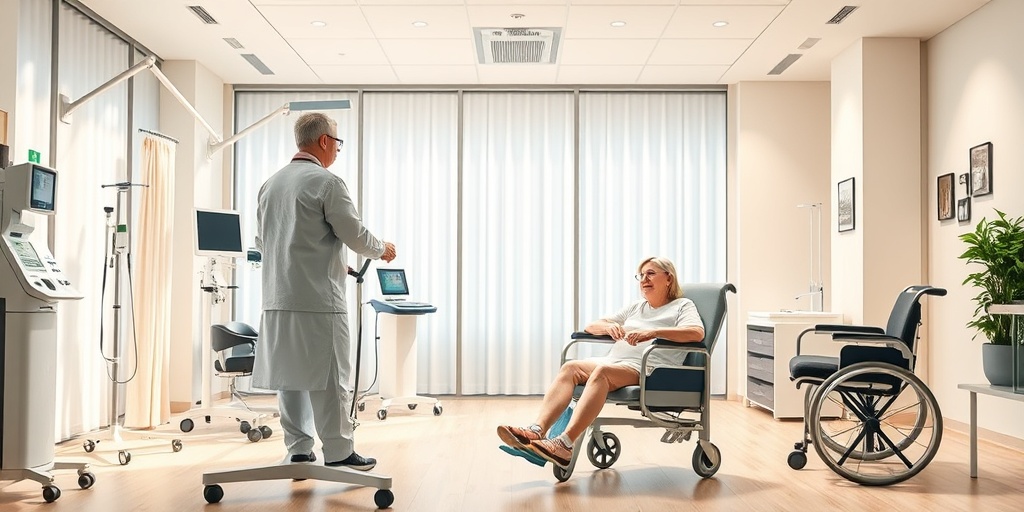
- Mobility Aids: Physical therapists may recommend assistive devices, such as braces or wheelchairs, to enhance mobility.
Cardiac Management
Since EDMD can affect the heart, regular cardiac evaluations are essential. Treatment options may include:
- Medications: Beta-blockers or ACE inhibitors may be prescribed to manage heart function.
- Pacemakers: In some cases, a pacemaker may be necessary to regulate heart rhythm.
Occupational Therapy
Occupational therapy focuses on helping individuals maintain independence in daily activities. This may involve:
- Adaptive Techniques: Learning new ways to perform tasks that accommodate physical limitations.
- Home Modifications: Recommendations for changes in the home environment to enhance safety and accessibility.
Psychological Support
Living with a chronic condition like EDMD can be emotionally challenging. Psychological support, including counseling or support groups, can be beneficial for both patients and their families. This support helps address the emotional and psychological aspects of living with a muscular dystrophy.
In summary, while the journey of managing EDMD can be daunting, a combination of physical therapy, cardiac management, occupational therapy, and psychological support can significantly enhance the quality of life for those affected. 🌟
EDMD Home Remedies
When it comes to managing EDMD (Emery-Dreifuss Muscular Dystrophy), many individuals seek natural remedies to complement their medical treatment. While it’s essential to consult with healthcare professionals for a tailored approach, several home remedies can help alleviate symptoms and improve overall well-being. Here are some effective home remedies to consider:
1. Gentle Exercise and Stretching
Regular, gentle exercise can be beneficial for individuals with EDMD. Activities such as swimming, walking, or yoga can help maintain muscle strength and flexibility. Stretching exercises, in particular, can reduce stiffness and improve mobility. Always consult a physical therapist to create a safe and effective exercise plan tailored to your needs.
2. Nutritional Support
A well-balanced diet plays a crucial role in managing EDMD. Focus on incorporating:
- Lean proteins: Chicken, fish, and legumes can help maintain muscle mass.
- Fruits and vegetables: Rich in antioxidants, they support overall health and reduce inflammation.
- Healthy fats: Sources like avocados, nuts, and olive oil can provide essential nutrients.
Staying hydrated is equally important, so aim for at least 8 glasses of water a day! 💧
3. Heat and Cold Therapy
Using heat or cold packs can help manage muscle pain and stiffness associated with EDMD. Heat therapy can relax tight muscles, while cold therapy can reduce inflammation and numb pain. Experiment with both methods to see which works best for you.
4. Herbal Supplements
Some herbal supplements may offer relief from symptoms. Consider discussing the following options with your healthcare provider:
- Turmeric: Known for its anti-inflammatory properties, turmeric can be added to meals or taken as a supplement.
- Ginger: This root can help reduce muscle soreness and improve circulation.
- Omega-3 fatty acids: Found in fish oil, these can help reduce inflammation and support heart health.
5. Mindfulness and Stress Management
Living with EDMD can be challenging, and managing stress is crucial for overall health. Techniques such as meditation, deep breathing exercises, and mindfulness can help reduce anxiety and improve emotional well-being. Consider incorporating these practices into your daily routine for better mental health. 🧘♂️
EDMD Outlook and Prognosis
The prognosis for individuals diagnosed with EDMD can vary significantly based on several factors, including the severity of the condition and the age of onset. Understanding the outlook can help patients and families prepare for the future and make informed decisions regarding care and lifestyle adjustments.
1. Understanding the Disease Progression
EDMD is characterized by muscle weakness and wasting, particularly in the upper arms and legs. The progression of the disease can be slow, with symptoms often becoming more pronounced in adolescence or early adulthood. While some individuals may experience a relatively stable condition, others may face more rapid deterioration.
2. Life Expectancy
Many individuals with EDMD can lead fulfilling lives, and life expectancy can be close to average, especially with appropriate medical care and lifestyle modifications. Regular monitoring by healthcare professionals is essential to manage complications, such as heart issues, which can arise due to the disease.
3. Importance of Early Intervention
Early diagnosis and intervention are crucial for improving the quality of life for those with EDMD. Engaging in physical therapy, occupational therapy, and regular check-ups can help manage symptoms and maintain mobility for as long as possible. The earlier the intervention, the better the outcomes tend to be.
4. Support Systems
Having a strong support system is vital for individuals with EDMD. Connecting with support groups, both online and in-person, can provide emotional support and practical advice. Family involvement is also crucial, as they can help with daily activities and encourage adherence to treatment plans.
In conclusion, while EDMD presents challenges, understanding home remedies and the outlook can empower individuals and families to navigate this condition with resilience and hope. 🌟

Frequently Asked Questions about EDMD
What is EDMD?
EDMD stands for a specific medical condition that affects muscle function and can lead to various symptoms. It is important to understand its implications and how it can impact daily life.
What are the symptoms of EDMD?
Common symptoms of EDMD include:
- Muscle weakness
- Fatigue
- Joint pain
- Difficulty with mobility
If you experience any of these symptoms, it is advisable to consult a healthcare professional for a proper diagnosis.
How is EDMD diagnosed?
Diagnosis of EDMD typically involves a combination of:
- Physical examinations
- Medical history review
- Genetic testing
- Muscle biopsies
These methods help healthcare providers determine the presence of the condition and its severity.
What treatments are available for EDMD?
Treatment options for EDMD may include:
- Physical therapy to improve muscle strength
- Medications to manage symptoms
- Supportive devices for mobility
It is essential to work closely with a healthcare provider to develop a personalized treatment plan.
Can EDMD be inherited?
Yes, EDMD can have a genetic component, meaning it may be inherited from parents. Genetic counseling can provide insights into the risks of passing the condition to future generations.
Is there a cure for EDMD?
Currently, there is no known cure for EDMD. However, ongoing research aims to find effective treatments and management strategies to improve the quality of life for those affected.
Where can I find support for EDMD?
Support groups and online communities can be valuable resources for individuals with EDMD. Connecting with others who share similar experiences can provide emotional support and practical advice. 🌐
What is the prognosis for someone with EDMD?
The prognosis for individuals with EDMD varies based on the severity of the condition and the effectiveness of treatment. Regular follow-ups with healthcare providers can help monitor progress and adjust treatment as needed.
Are there lifestyle changes that can help manage EDMD?
Yes, certain lifestyle changes may help manage symptoms of EDMD, including:
- Regular exercise tailored to individual capabilities
- A balanced diet to support overall health
- Stress management techniques
Consulting with healthcare professionals can provide guidance on the best practices for managing the condition.