What Is COPD?
Chronic Obstructive Pulmonary Disease, commonly known as COPD, is a progressive lung disease that makes it difficult to breathe. It encompasses a group of diseases, primarily chronic bronchitis and emphysema, which cause airflow obstruction and breathing-related problems. Understanding what COPD is can help individuals recognize its impact on health and the importance of early diagnosis and management.
Understanding the Definition of COPD
The term COPD refers to a group of lung diseases characterized by chronic obstruction of airflow that interferes with normal breathing. According to the Global Initiative for Chronic Obstructive Lung Disease (GOLD), COPD is defined as a preventable and treatable disease, but it is often underdiagnosed and undertreated. The primary cause of COPD is long-term exposure to harmful substances, particularly cigarette smoke, but other factors such as air pollution and occupational dust can also contribute.
What Causes COPD?
Several factors can lead to the development of COPD, including:
- Smoking: The leading cause of COPD, responsible for the majority of cases.
- Air Pollution: Long-term exposure to pollutants can damage lung tissue.
- Genetic Factors: Conditions like Alpha-1 Antitrypsin Deficiency can increase the risk.
- Occupational Hazards: Exposure to dust, chemicals, and fumes in the workplace.
COPD Symptoms
Recognizing the symptoms of COPD is crucial for early diagnosis and effective management. The symptoms can vary in severity and may worsen over time, especially during a COPD exacerbation, which refers to a sudden worsening of symptoms.
Common Symptoms of COPD
Individuals with COPD may experience a range of symptoms, including:
- Chronic Cough: A persistent cough that may produce mucus.
- Shortness of Breath: Difficulty breathing, especially during physical activities.
- Wheezing: A whistling or squeaky sound when breathing.
- Chest Tightness: A feeling of pressure or constriction in the chest.
Recognizing Exacerbations
Exacerbations of COPD can be triggered by infections, air pollution, or other environmental factors. Symptoms during an exacerbation may include:
- Increased shortness of breath
- More frequent coughing
- Changes in mucus color or volume
It is essential for individuals with COPD to recognize these signs and seek medical attention promptly, as exacerbations can lead to serious complications, including pneumonia.
Importance of Early Diagnosis
Early diagnosis of COPD is vital for effective management and treatment. If you experience any of the symptoms mentioned above, it is important to consult a healthcare professional. Diagnostic tests, such as spirometry, can help determine lung function and confirm the presence of COPD.
For more information on COPD and its management, consider visiting Yesil Health AI, a valuable resource for evidence-based health answers.
In conclusion, understanding COPD and its symptoms is crucial for individuals at risk. By recognizing the signs and seeking timely medical advice, you can take proactive steps towards managing this chronic condition effectively. Remember, early intervention can significantly improve your quality of life! 🌬️💙

COPD Risk Factors
Chronic Obstructive Pulmonary Disease (COPD) is a progressive lung disease that makes it difficult to breathe. Understanding the risk factors associated with COPD is crucial for prevention and management. Here are some of the primary risk factors that can increase your likelihood of developing this condition:
1. Smoking
One of the most significant risk factors for COPD is smoking. Approximately 85-90% of COPD cases are linked to tobacco use. The harmful chemicals in cigarettes damage the lungs and airways, leading to chronic inflammation and obstructed airflow. Even secondhand smoke can pose a risk, making it essential to avoid exposure.
2. Environmental Factors
Long-term exposure to pollutants and irritants can contribute to the development of COPD. This includes:
- Air pollution: Living in areas with high levels of air pollution can exacerbate lung conditions.
- Occupational hazards: Jobs that expose individuals to dust, chemicals, or fumes can increase the risk of COPD.
- Indoor pollutants: Exposure to smoke from cooking or heating fuels can also be detrimental, especially in poorly ventilated homes.
3. Genetic Factors
While smoking and environmental factors are the most common causes of COPD, genetics can also play a role. A rare genetic condition known as Alpha-1 Antitrypsin Deficiency can lead to lung damage and increase the risk of developing COPD, particularly emphysema.
4. Age and Gender
COPD is more prevalent in older adults, typically affecting individuals over the age of 40. Additionally, men have historically been at a higher risk due to higher smoking rates, although the gap is narrowing as more women smoke. Understanding these demographic factors can help in early detection and intervention.
5. History of Respiratory Infections
Frequent respiratory infections during childhood can increase the risk of developing COPD later in life. Conditions such as pneumonia and bronchitis can cause lasting damage to the lungs, making them more susceptible to chronic diseases.
COPD Causes
Understanding the causes of COPD is essential for effective management and prevention. While smoking is the leading cause, several other factors contribute to the development of this chronic lung disease:
1. Smoking and Tobacco Use
As mentioned earlier, smoking is the primary cause of COPD. The harmful substances in tobacco smoke lead to chronic inflammation and damage to the lung tissue. Quitting smoking can significantly reduce the risk of developing COPD and improve lung health.
2. Long-term Exposure to Irritants
In addition to smoking, long-term exposure to various irritants can cause COPD. These include:
- Dust and Chemicals: Workers in industries such as construction, mining, and manufacturing may be exposed to harmful dust and chemicals that can damage lung tissue.
- Indoor Air Pollution: Using solid fuels for cooking and heating can release harmful pollutants into the air, increasing the risk of respiratory diseases.
3. Genetic Predisposition
Genetic factors can also contribute to the development of COPD. Individuals with a family history of lung disease may be at a higher risk. The Alpha-1 Antitrypsin Deficiency mentioned earlier is a prime example of how genetics can influence lung health.
4. Age and Gender
As people age, their lung function naturally declines. This decline can be accelerated by smoking and exposure to irritants. Additionally, hormonal differences may play a role in how COPD affects men and women differently.
5. Previous Lung Conditions
Individuals with a history of lung diseases, such as asthma or bronchitis, may be more susceptible to developing COPD. Chronic inflammation from these conditions can lead to long-term damage and increased risk.
In summary, recognizing the risk factors and causes of COPD is vital for prevention and management. By addressing these factors, individuals can take proactive steps to protect their lung health and reduce the likelihood of developing this debilitating disease. 🌬️💨
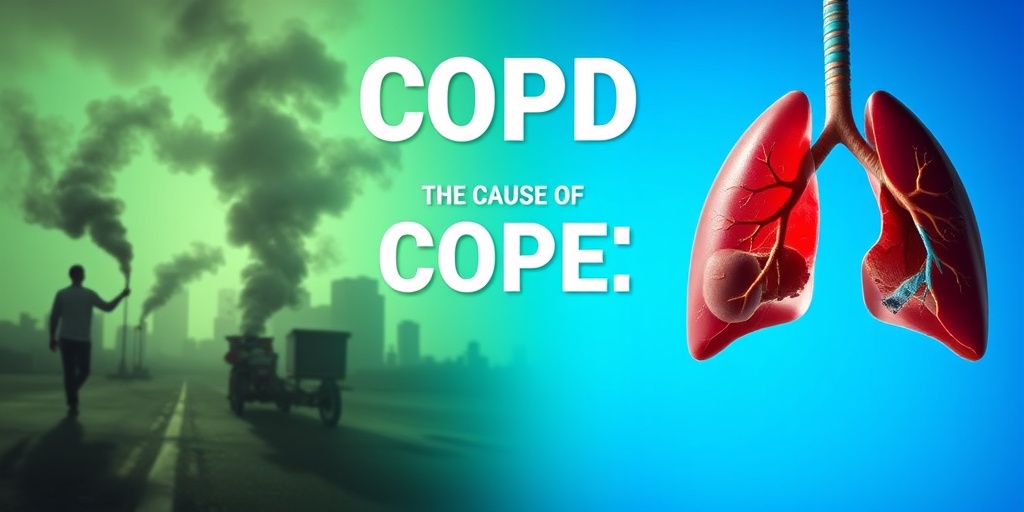
COPD Diagnosis
Chronic Obstructive Pulmonary Disease (COPD) is a progressive lung disease that makes it difficult to breathe. Understanding how COPD is diagnosed is crucial for effective management and treatment. Let’s explore the key aspects of COPD diagnosis, including the symptoms, tests, and criteria used by healthcare professionals.
Understanding COPD Symptoms
The first step in diagnosing COPD is recognizing its symptoms. Common symptoms of COPD include:
- Chronic cough: A persistent cough that may produce mucus.
- Shortness of breath: Difficulty breathing, especially during physical activities.
- Wheezing: A whistling sound when breathing.
- Chest tightness: A feeling of pressure in the chest.
If you experience these symptoms, it’s essential to consult a healthcare provider for further evaluation. Early diagnosis can significantly improve the quality of life for individuals with COPD.
Diagnostic Tests for COPD
To confirm a diagnosis of COPD, healthcare professionals typically conduct several tests:
- Pulmonary function tests (PFTs): These tests measure how well your lungs are working. The most common test is spirometry, which assesses the amount of air you can inhale and exhale.
- Chest X-ray: This imaging test helps rule out other lung conditions, such as pneumonia or lung cancer.
- CT scan: A more detailed imaging test that can help identify emphysema, a type of COPD.
- Arterial blood gas test: This test measures the levels of oxygen and carbon dioxide in your blood, providing insight into how well your lungs are functioning.
These tests help healthcare providers determine the severity of the disease and develop an appropriate COPD management plan.
Criteria for COPD Diagnosis
The Global Initiative for Chronic Obstructive Lung Disease (GOLD) provides guidelines for diagnosing COPD. According to GOLD, a diagnosis is made when:
- There is a history of exposure to risk factors (such as smoking or environmental pollutants).
- Symptoms are present, as mentioned earlier.
- Pulmonary function tests show a reduced airflow that is not fully reversible.
Understanding these criteria can help patients and healthcare providers work together to ensure an accurate diagnosis and timely treatment.
COPD Treatment Options
Once diagnosed, managing COPD effectively is essential to improve quality of life and slow disease progression. There are various COPD treatment options available, tailored to the severity of the disease and individual patient needs.
Medications for COPD
Medications play a crucial role in managing COPD symptoms and preventing exacerbations. Commonly prescribed medications include:
- Bronchodilators: These medications help relax the muscles around the airways, making it easier to breathe. They can be short-acting or long-acting.
- Inhaled corticosteroids: These help reduce inflammation in the airways, which can alleviate symptoms and prevent flare-ups.
- Combination inhalers: These contain both bronchodilators and corticosteroids for more effective management.
- Phosphodiesterase-4 inhibitors: These oral medications can help reduce inflammation and relax the airways.
It’s essential to work closely with a healthcare provider to determine the best medication regimen for your specific situation.
Non-Medication Treatment Options
In addition to medications, several non-medication treatments can significantly improve the quality of life for individuals with COPD:
- Pulmonary rehabilitation: A structured program that includes exercise training, nutritional advice, and education about the disease.
- Oxygen therapy: For those with low oxygen levels, supplemental oxygen can help improve breathing and overall health.
- Lifestyle changes: Quitting smoking, avoiding pollutants, and maintaining a healthy diet can greatly impact disease progression.
Managing COPD Exacerbations
Exacerbations of COPD can lead to severe symptoms and require immediate medical attention. Recognizing the signs of an exacerbation, such as increased shortness of breath, changes in mucus color, or increased coughing, is vital. Having a plan in place with your healthcare provider can help manage these episodes effectively.
Staying informed about COPD news and advancements in treatment options can empower patients to take control of their health. Regular check-ups and open communication with healthcare providers are essential for optimal COPD management. 🌬️
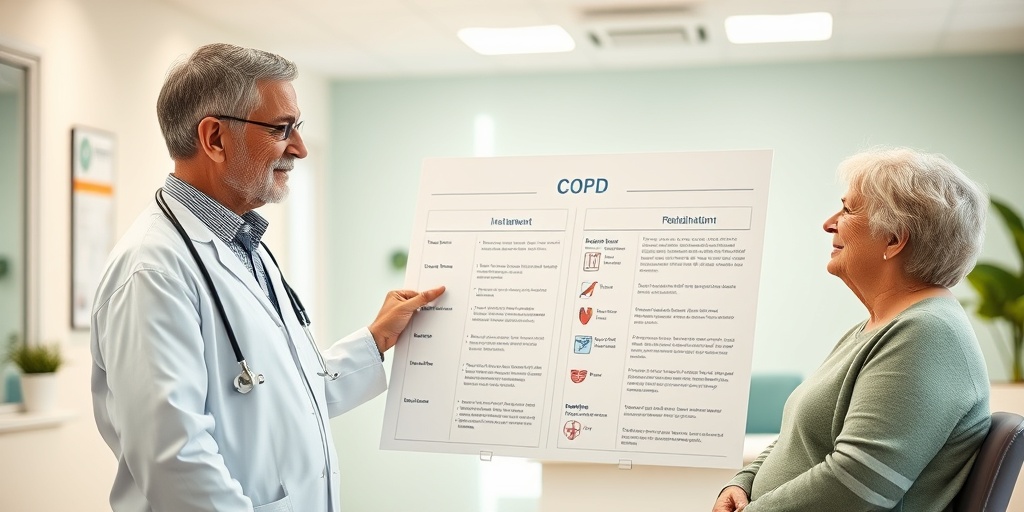
COPD Lifestyle Changes
Chronic Obstructive Pulmonary Disease (COPD) is a progressive lung disease that can significantly impact your quality of life. Making lifestyle changes can help manage symptoms, slow disease progression, and improve overall well-being. Here are some essential lifestyle adjustments to consider:
1. Quit Smoking 🚭
If you smoke, quitting is the most crucial step you can take. Smoking is the leading cause of COPD, and continuing to smoke can worsen your condition. Seek support through smoking cessation programs, medications, or counseling to help you quit.
2. Stay Active 🏃♂️
Regular physical activity is vital for maintaining lung function and overall health. Engage in activities that you enjoy, such as walking, swimming, or cycling. Aim for at least 30 minutes of moderate exercise most days of the week. Always consult your healthcare provider before starting a new exercise regimen.
3. Eat a Balanced Diet 🍏
A nutritious diet can help you manage your COPD symptoms. Focus on:
- Fruits and vegetables: Rich in antioxidants, they can help reduce inflammation.
- Whole grains: Provide essential nutrients and energy.
- Lean proteins: Important for muscle maintenance and repair.
Stay hydrated by drinking plenty of fluids, as this can help thin mucus in the lungs.
4. Manage Stress 🧘♀️
Stress can exacerbate COPD symptoms. Incorporate relaxation techniques such as yoga, meditation, or deep-breathing exercises into your daily routine. Finding time for hobbies and social activities can also help reduce stress levels.
5. Avoid Pollutants and Irritants 🚫
Limit exposure to environmental pollutants, such as smoke, dust, and strong odors. Use air purifiers in your home and avoid outdoor activities on days with poor air quality. Wearing a mask in crowded or polluted areas can also help protect your lungs.
COPD Management Strategies
Effective COPD management involves a combination of medical treatment and lifestyle changes. Here are some strategies to help you manage your condition:
1. Medication Adherence 💊
Follow your healthcare provider’s recommendations regarding medications. Common treatments for COPD include:
- Bronchodilators: Help open airways and make breathing easier.
- Inhaled corticosteroids: Reduce inflammation in the lungs.
- Combination inhalers: Contain both bronchodilators and corticosteroids for enhanced effect.
Ensure you understand how to use your inhalers correctly and take medications as prescribed.
2. Regular Check-ups 🩺
Schedule regular appointments with your healthcare provider to monitor your condition. These visits can help track the progression of your COPD and adjust treatment plans as necessary. Discuss any new symptoms or concerns during these appointments.
3. Pulmonary Rehabilitation 🏥
Consider enrolling in a pulmonary rehabilitation program. These programs offer supervised exercise, education about your condition, and support from healthcare professionals. They can significantly improve your quality of life and help you manage symptoms more effectively.
4. Recognize and Manage Exacerbations ⚠️
COPD exacerbations are periods when symptoms worsen, often due to infections or environmental factors. Recognizing early signs, such as increased shortness of breath or changes in mucus color, is crucial. Have a plan in place with your healthcare provider for managing exacerbations, which may include increased medication or seeking emergency care.
5. Stay Informed and Connected 🌐
Stay updated on the latest COPD news and research. Joining support groups or online communities can provide valuable resources and emotional support. Sharing experiences with others who understand your challenges can be incredibly beneficial.
By implementing these lifestyle changes and management strategies, you can take control of your COPD and enhance your quality of life. Remember, every small step counts! 🌟

Frequently Asked Questions about COPD
What is COPD?
COPD, or Chronic Obstructive Pulmonary Disease, is a progressive lung disease that makes it difficult to breathe. It encompasses conditions such as emphysema and chronic bronchitis, leading to reduced airflow and breathing difficulties.
What are the symptoms of COPD?
Common symptoms of COPD include:
- Shortness of breath, especially during physical activities
- Chronic cough that may produce mucus
- Wheezing or a whistling sound when breathing
- Frequent respiratory infections
- Fatigue
What causes COPD?
The primary cause of COPD is long-term exposure to irritants that damage the lungs and airways. This includes:
- Smoking tobacco
- Exposure to air pollution
- Occupational dust and chemicals
- Genetic factors, such as alpha-1 antitrypsin deficiency
How is COPD diagnosed?
A healthcare provider may use several methods to diagnose COPD, including:
- Medical history and physical examination
- Pulmonary function tests (spirometry)
- Chest X-rays or CT scans
- Blood tests to check for oxygen levels
What are the stages of COPD?
COPD is classified into four stages based on the severity of symptoms and airflow limitation:
- Stage 1: Mild COPD with minimal symptoms
- Stage 2: Moderate COPD with worsening symptoms
- Stage 3: Severe COPD with significant limitations
- Stage 4: Very severe COPD, often leading to respiratory failure
What treatments are available for COPD?
Treatment for COPD focuses on relieving symptoms and improving quality of life. Options include:
- Bronchodilators to open airways
- Inhaled corticosteroids to reduce inflammation
- Oxygen therapy for those with low oxygen levels
- Pulmonary rehabilitation programs
- Medications to manage exacerbations
What is a COPD exacerbation?
A COPD exacerbation is a sudden worsening of symptoms, often triggered by infections or environmental factors. It can lead to increased breathlessness, coughing, and mucus production, requiring prompt medical attention.
Can COPD be prevented?
While not all cases of COPD can be prevented, certain measures can significantly reduce the risk:
- Avoiding smoking and secondhand smoke
- Reducing exposure to pollutants and irritants
- Staying active and maintaining a healthy weight
- Getting vaccinated against respiratory infections like pneumonia and influenza
Where can I find the latest news on COPD?
For the latest updates and research on COPD, consider checking reputable health websites, medical journals, and organizations dedicated to lung health. Staying informed can help you manage the condition effectively.