
What Is COPD?
Chronic Obstructive Pulmonary Disease, commonly known as COPD, is a progressive lung disease that makes it difficult to breathe. It encompasses a group of lung conditions, primarily chronic bronchitis and emphysema, which cause airflow blockage and breathing-related problems. Understanding COPD is crucial for early diagnosis and effective management.
Understanding the Definition of COPD
The term COPD refers to a group of diseases that cause airflow obstruction, leading to breathing difficulties. It is characterized by long-term respiratory symptoms and airflow limitation. The disease is often caused by long-term exposure to irritating gases or particulate matter, most commonly from cigarette smoke. However, other factors such as air pollution, occupational dust, and genetic factors can also contribute to its development.
What Causes COPD?
The primary cause of COPD is long-term exposure to harmful substances that damage the lungs. Here are some common causes:
- Smoking: The leading cause of COPD, accounting for the majority of cases.
- Air Pollution: Long-term exposure to polluted air can exacerbate lung conditions.
- Occupational Hazards: Jobs that expose individuals to dust, chemicals, or fumes can increase the risk.
- Genetics: A rare genetic condition known as Alpha-1 Antitrypsin Deficiency can lead to COPD.
Stages of COPD
COPD is classified into four stages, ranging from mild to very severe. Understanding these stages can help in managing the disease effectively:
- Stage 1 (Mild): Symptoms may not be noticeable, but lung function tests may show some abnormalities.
- Stage 2 (Moderate): Symptoms become more noticeable, including shortness of breath during physical activities.
- Stage 3 (Severe): Increased shortness of breath, frequent respiratory infections, and reduced quality of life.
- Stage 4 (Very Severe): Severe limitations in airflow, leading to significant health issues and potential respiratory failure.
COPD Symptoms
Recognizing the symptoms of COPD is essential for early intervention and management. The symptoms can vary in severity and may worsen over time. Here are the most common symptoms:
Common Symptoms of COPD
- Chronic Cough: A persistent cough that may produce mucus.
- Shortness of Breath: Difficulty breathing, especially during physical activities.
- Wheezing: A whistling or squeaky sound when breathing.
- Chest Tightness: A feeling of pressure or tightness in the chest.
- Frequent Respiratory Infections: Increased susceptibility to colds, flu, and other respiratory infections.
When to Seek Medical Attention
If you experience any of the above symptoms, especially if they worsen over time, it is crucial to seek medical attention. Early diagnosis and treatment can significantly improve the quality of life for individuals with COPD. Healthcare professionals can provide tailored management plans, including medications, pulmonary rehabilitation, and lifestyle changes.
Managing COPD Symptoms
While there is no cure for COPD, several strategies can help manage symptoms and improve overall health:
- Quit Smoking: The most effective way to slow the progression of COPD.
- Medications: Bronchodilators and steroids can help open airways and reduce inflammation.
- Pulmonary Rehabilitation: A program that includes exercise, education, and support to help manage the disease.
- Healthy Lifestyle: A balanced diet and regular exercise can enhance lung function and overall well-being.
For more information and resources on COPD, consider visiting Yesil Health AI, where you can find evidence-based health answers tailored to your needs. Remember, understanding your health is the first step towards better management! 🌟
COPD Risk Factors
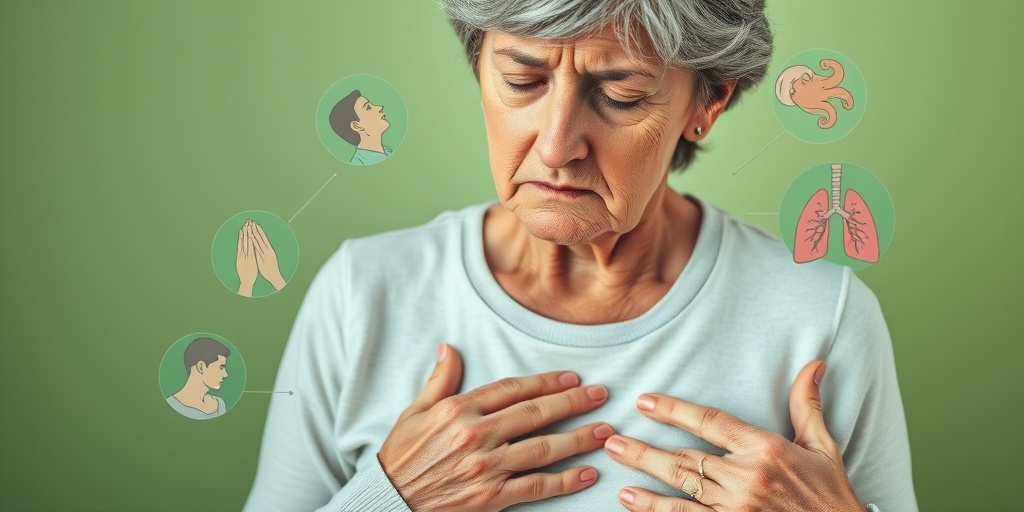
Chronic Obstructive Pulmonary Disease (COPD) is a progressive lung disease that can significantly impact a person’s quality of life. Understanding the risk factors associated with COPD is crucial for prevention and early intervention. Here are some of the most common risk factors:
1. Smoking
One of the leading causes of COPD is smoking. Whether it’s cigarettes, cigars, or pipes, tobacco smoke contains harmful chemicals that damage the lungs over time. In fact, approximately 85-90% of COPD cases are linked to smoking. If you smoke, quitting can greatly reduce your risk of developing this disease.
2. Secondhand Smoke
Even if you don’t smoke, exposure to secondhand smoke can increase your risk of COPD. Inhaling smoke from others can lead to lung damage and respiratory issues, making it essential to avoid environments where smoking is prevalent.
3. Occupational Hazards
Certain jobs expose individuals to harmful substances that can contribute to the development of COPD. These include:
- Dust: Construction workers, miners, and agricultural workers may inhale dust particles.
- Chemicals: Those working in factories or with industrial chemicals are at higher risk.
- Fumes: Firefighters and welders may be exposed to harmful fumes that can damage lung tissue.
4. Air Pollution
Living in areas with high levels of air pollution can also increase the risk of COPD. Pollutants such as vehicle emissions, industrial discharges, and even household chemicals can irritate the lungs and lead to chronic respiratory conditions.
5. Genetic Factors
Some individuals may have a genetic predisposition to COPD. A rare genetic disorder known as Alpha-1 Antitrypsin Deficiency can lead to lung damage and increase the risk of developing COPD, even in non-smokers.
6. Age and Gender
COPD is more common in older adults, typically affecting those over the age of 40. Additionally, men have historically been at a higher risk due to higher smoking rates, but the gap is closing as more women smoke and are exposed to risk factors.
7. History of Respiratory Infections
Frequent respiratory infections during childhood can increase the risk of developing COPD later in life. Conditions such as pneumonia and bronchitis can cause lasting damage to the lungs, making them more susceptible to chronic diseases.
COPD Causes
Understanding the causes of COPD is essential for effective prevention and management. While smoking is the primary cause, several other factors contribute to the development of this debilitating disease.
1. Smoking and Tobacco Use
As mentioned earlier, smoking is the most significant cause of COPD. The harmful substances in tobacco smoke lead to inflammation and damage in the airways and lung tissue, resulting in chronic bronchitis and emphysema, the two main forms of COPD.
2. Environmental Factors
Long-term exposure to environmental pollutants can lead to COPD. This includes:
- Indoor Pollutants: Cooking with solid fuels (like wood or coal) in poorly ventilated spaces can produce harmful smoke.
- Outdoor Pollutants: High levels of ozone and particulate matter in the air can exacerbate lung conditions.
3. Genetic Factors
As previously mentioned, genetic factors play a role in COPD. Individuals with a family history of lung disease may be more susceptible to developing COPD, especially if they also smoke or are exposed to other risk factors.
4. Chronic Inflammation
Chronic inflammation in the lungs can lead to structural changes and damage over time. This inflammation can be triggered by various factors, including smoking, air pollution, and respiratory infections.
5. Comorbid Conditions
Certain health conditions can increase the risk of developing COPD. For example, individuals with asthma may have a higher likelihood of developing COPD later in life, especially if they smoke or have frequent respiratory infections.
In summary, understanding the risk factors and causes of COPD is vital for prevention and management. By recognizing these elements, individuals can take proactive steps to protect their lung health and reduce their risk of developing this chronic disease. 🌬️💨
COPD Diagnosis
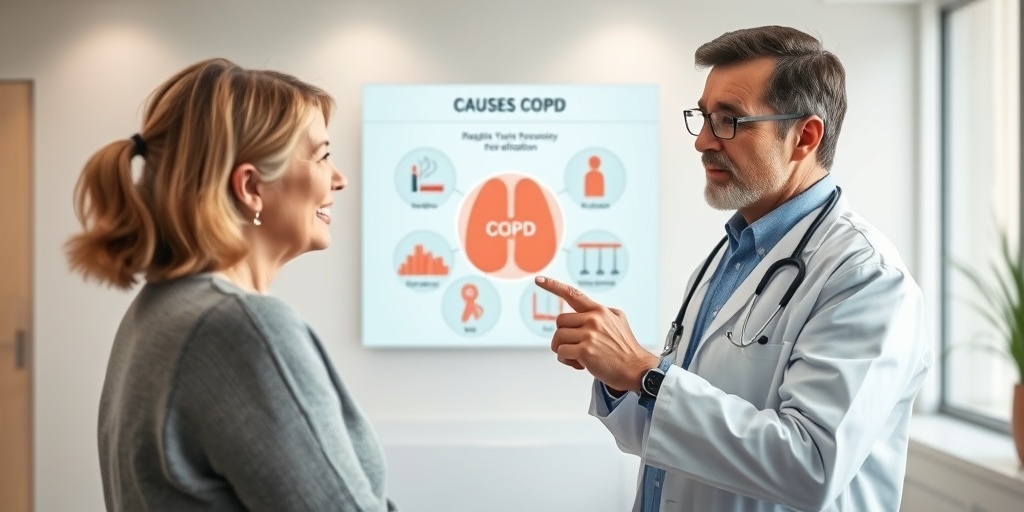
Chronic Obstructive Pulmonary Disease (COPD) is a progressive lung disease that can significantly impact a person’s quality of life. Early diagnosis is crucial for effective management and treatment. But how is COPD diagnosed? Let’s explore the process.
Understanding COPD Symptoms
The first step in diagnosing COPD is recognizing its symptoms. Common symptoms include:
- Chronic cough: A persistent cough that may produce mucus.
- Shortness of breath: Difficulty breathing, especially during physical activities.
- Wheezing: A whistling sound when breathing.
- Chest tightness: A feeling of pressure in the chest.
If you experience these symptoms, it’s essential to consult a healthcare professional. They will conduct a thorough evaluation to determine if you have COPD.
Diagnostic Tests for COPD
To confirm a COPD diagnosis, doctors typically use a combination of the following tests:
- Medical history review: Discussing your symptoms, smoking history, and exposure to lung irritants.
- Physical examination: A doctor will listen to your lungs and check for signs of respiratory distress.
- Pulmonary function tests (PFTs): These tests measure how well your lungs are working. The most common test is spirometry, which assesses the amount of air you can inhale and exhale.
- Imaging tests: Chest X-rays or CT scans can help visualize lung damage and rule out other conditions.
These tests help determine the severity of the disease and guide treatment options. Early diagnosis can lead to better management of COPD, improving your overall health and well-being. 🌟
COPD Treatment Options
Once diagnosed, managing COPD effectively is essential to enhance your quality of life. Treatment options vary based on the severity of the disease and individual patient needs. Here’s a closer look at the available treatments.
Medications for COPD
Medications play a crucial role in managing COPD symptoms and preventing exacerbations. Common types of medications include:
- Bronchodilators: These medications help relax the muscles around the airways, making it easier to breathe. They can be short-acting for immediate relief or long-acting for ongoing control.
- Inhaled corticosteroids: These help reduce inflammation in the airways, making breathing easier.
- Combination inhalers: These contain both bronchodilators and corticosteroids for more effective symptom control.
- Phosphodiesterase-4 inhibitors: These oral medications can help reduce inflammation and relax the airways.
It’s important to work closely with your healthcare provider to find the right medication regimen for your specific needs. 💊
Non-Medication Treatments
In addition to medications, several non-pharmacological treatments can help manage COPD:
- Pulmonary rehabilitation: This is a structured program that includes exercise training, nutritional advice, and education about the disease. It aims to improve physical and emotional well-being.
- Oxygen therapy: For those with low oxygen levels, supplemental oxygen can help improve breathing and overall quality of life.
- Lifestyle changes: Quitting smoking, avoiding lung irritants, and maintaining a healthy diet can significantly impact disease progression.
Surgical Options
In severe cases of COPD, surgical interventions may be considered. These include:
- Lung volume reduction surgery: This procedure removes damaged lung tissue, allowing the remaining healthy lung to function better.
- Lung transplant: In extreme cases, a lung transplant may be necessary for patients with end-stage COPD.
Each treatment option has its benefits and risks, so it’s essential to discuss these thoroughly with your healthcare provider. Remember, managing COPD is a journey, and with the right approach, you can lead a fulfilling life despite the challenges. 🌈

COPD Lifestyle Changes
Chronic Obstructive Pulmonary Disease (COPD) is a progressive lung condition that can significantly impact your quality of life. However, making certain lifestyle changes can help manage symptoms and improve overall well-being. Here are some essential lifestyle adjustments to consider:
1. Quit Smoking 🚭
If you smoke, quitting is the most crucial step you can take to slow the progression of COPD. Smoking damages your lungs and exacerbates symptoms. Seek support through counseling, nicotine replacement therapies, or medications to help you quit.
2. Stay Active 🏃♂️
Regular physical activity can enhance lung function and overall health. Aim for at least 30 minutes of moderate exercise most days of the week. Activities like walking, swimming, or cycling can improve your stamina and reduce breathlessness.
3. Eat a Balanced Diet 🍏
A nutritious diet plays a vital role in managing COPD. Focus on:
- Fruits and Vegetables: Rich in antioxidants, they help combat inflammation.
- Whole Grains: Provide essential nutrients and energy.
- Lean Proteins: Important for muscle maintenance, especially if you’re experiencing weight loss.
Stay hydrated as well; drinking enough water can help thin mucus in the lungs, making it easier to breathe.
4. Manage Stress 🧘♀️
Stress can worsen COPD symptoms. Incorporate relaxation techniques such as yoga, meditation, or deep-breathing exercises into your daily routine. These practices can help you feel more in control and improve your lung function.
5. Avoid Pollutants and Allergens 🌬️
Minimize exposure to environmental pollutants, such as smoke, dust, and strong odors. Use air purifiers at home and avoid outdoor activities on days with poor air quality. Keeping your living space clean and well-ventilated can also help reduce allergens.
COPD Management Strategies
Managing COPD effectively requires a comprehensive approach that includes medical treatment, lifestyle changes, and self-care strategies. Here are some key management strategies to consider:
1. Medication Adherence 💊
Follow your healthcare provider’s recommendations regarding medications. Common treatments for COPD include:
- Bronchodilators: Help open the airways and make breathing easier.
- Inhaled Corticosteroids: Reduce inflammation in the lungs.
- Combination Inhalers: Provide both bronchodilator and corticosteroid effects.
Always take medications as prescribed and discuss any side effects with your doctor.
2. Regular Check-ups 🩺
Frequent visits to your healthcare provider are essential for monitoring your condition. Regular check-ups can help identify any changes in your health and allow for timely adjustments to your treatment plan.
3. Pulmonary Rehabilitation 🏥
Participating in a pulmonary rehabilitation program can significantly improve your quality of life. These programs typically include:
- Exercise Training: Tailored exercises to improve lung function and endurance.
- Nutritional Counseling: Guidance on maintaining a healthy diet.
- Education: Information on managing COPD and recognizing symptoms.
Consult your healthcare provider to see if a pulmonary rehabilitation program is right for you.
4. Use of Oxygen Therapy 🌬️
For some individuals with COPD, oxygen therapy may be necessary. This treatment helps ensure that your body receives enough oxygen, especially during physical activities. Your doctor will determine if this is appropriate for your condition.
5. Create an Action Plan 📋
Work with your healthcare team to develop a personalized COPD action plan. This plan should outline:
- Daily management strategies
- Signs of worsening symptoms
- When to seek medical help
Having a clear action plan can empower you to take control of your health and respond effectively to changes in your condition.
By implementing these lifestyle changes and management strategies, individuals with COPD can lead a more active and fulfilling life. Remember, every small step counts towards better lung health! 🌟

Frequently Asked Questions about Chronic Lung Disease
What is Chronic Lung Disease?
Chronic lung disease refers to a group of respiratory conditions that cause long-term breathing problems. It primarily includes conditions like emphysema and chronic bronchitis, which can significantly impact daily life.
What are the symptoms of Chronic Lung Disease?
- Shortness of breath, especially during physical activities
- Chronic cough that may produce mucus
- Wheezing or a whistling sound when breathing
- Frequent respiratory infections
- Fatigue and reduced exercise tolerance
What causes Chronic Lung Disease?
The main causes of chronic lung disease include:
- Long-term exposure to tobacco smoke
- Air pollution and environmental toxins
- Occupational hazards, such as dust and chemicals
- Genetic factors and family history
How is Chronic Lung Disease diagnosed?
Diagnosis typically involves a combination of:
- Medical history and physical examination
- Pulmonary function tests to measure lung capacity
- Imaging tests, such as chest X-rays or CT scans
What are the stages of Chronic Lung Disease?
Chronic lung disease is often categorized into stages based on the severity of symptoms and lung function. These stages help guide treatment options and management strategies.
Can Chronic Lung Disease be treated?
While there is no cure for chronic lung disease, various treatments can help manage symptoms and improve quality of life. These may include:
- Medications such as bronchodilators and steroids
- Oxygen therapy for those with low oxygen levels
- Pulmonary rehabilitation programs
- Lifestyle changes, including quitting smoking and regular exercise
Is Chronic Lung Disease preventable?
Yes, many cases of chronic lung disease can be prevented by avoiding risk factors such as smoking, reducing exposure to pollutants, and maintaining a healthy lifestyle.
When should I see a doctor?
If you experience persistent respiratory symptoms or have concerns about your lung health, it is important to consult a healthcare professional for evaluation and guidance.