What Is Hyperemesis Gravidarum?
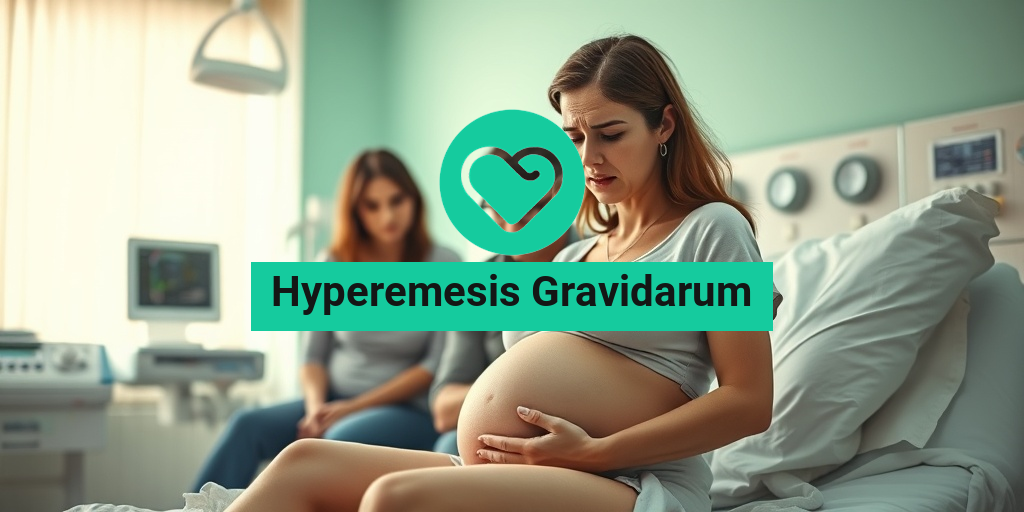
Hyperemesis Gravidarum (HG) is a severe form of nausea and vomiting that occurs during pregnancy. Unlike typical morning sickness, which affects many pregnant women and usually subsides after the first trimester, HG can lead to significant health issues for both the mother and the baby if left untreated. It is characterized by persistent vomiting, dehydration, and weight loss, making it a serious condition that requires medical attention.
While the exact cause of hyperemesis gravidarum remains unclear, several factors may contribute to its development. These include hormonal changes, particularly elevated levels of human chorionic gonadotropin (hCG), and genetic predispositions. Women who have experienced HG in previous pregnancies or have a family history of the condition are at a higher risk.
Understanding hyperemesis gravidarum is crucial for expectant mothers and their families. Early recognition and management can significantly improve outcomes and provide relief from the debilitating symptoms. If you or someone you know is experiencing severe nausea and vomiting during pregnancy, it’s essential to consult a healthcare provider for proper diagnosis and treatment options.
Hyperemesis Gravidarum Symptoms
The symptoms of hyperemesis gravidarum can vary in intensity and may include:
- Severe Nausea and Vomiting: Unlike typical morning sickness, the nausea and vomiting associated with HG can be relentless and may occur multiple times a day.
- Dehydration: Due to excessive vomiting, many women experience dehydration, which can lead to symptoms such as dry mouth, dizziness, and decreased urine output.
- Weight Loss: Significant weight loss (more than 5% of pre-pregnancy weight) is common, as women may struggle to keep food down.
- Electrolyte Imbalance: Prolonged vomiting can lead to imbalances in electrolytes, which are essential for various bodily functions.
- Fatigue: The combination of nausea, vomiting, and dehydration can lead to extreme fatigue and weakness.
- Emotional Distress: The physical toll of HG can also lead to feelings of anxiety and depression, making it essential to seek support.
Recognizing these symptoms early is vital for effective management. If you experience any of these signs, it’s crucial to reach out to a healthcare professional. They can provide guidance on treatment options and help you navigate this challenging experience.
When to Seek Medical Help
If you suspect you have hyperemesis gravidarum, don’t hesitate to seek medical attention. Signs that you should contact your healthcare provider include:
- Inability to keep food or fluids down for more than 24 hours
- Signs of dehydration, such as dark urine, dizziness, or rapid heartbeat
- Severe abdominal pain
- Persistent vomiting that worsens over time
Early intervention can help manage symptoms and prevent complications. Treatment may include hydration therapy, medications to control nausea, and nutritional support. Resources like Yesil Health AI (yesilhealth.com) can provide evidence-based information and support for those dealing with hyperemesis gravidarum.
In conclusion, hyperemesis gravidarum is a serious condition that requires attention and care. By understanding its symptoms and seeking help when needed, expectant mothers can find relief and ensure a healthier pregnancy journey. Remember, you are not alone, and support is available! 🌼

Causes of Hyperemesis Gravidarum
Hyperemesis Gravidarum (HG) is a severe form of nausea and vomiting during pregnancy that can lead to dehydration and weight loss. Understanding the causes of hyperemesis gravidarum is crucial for effective management and treatment. While the exact cause remains unclear, several factors have been identified that may contribute to this condition.
Hormonal Changes
One of the primary suspects in the development of hyperemesis gravidarum is the surge in hormones during pregnancy, particularly human chorionic gonadotropin (hCG) and estrogen. These hormones are essential for maintaining pregnancy but can also trigger nausea and vomiting in some women. The levels of hCG peak around the 10th week of pregnancy, which coincides with the onset of HG symptoms for many women.
Genetic Predisposition
Research suggests that genetics may play a role in hyperemesis gravidarum. Women with a family history of HG are more likely to experience it themselves. This genetic link indicates that certain individuals may have a predisposition to react more severely to the hormonal changes of pregnancy.
Multiple Pregnancies
Carrying multiples, such as twins or triplets, increases the risk of hyperemesis gravidarum. The higher levels of hormones produced in multiple pregnancies can exacerbate nausea and vomiting, making it more challenging for affected women to manage their symptoms.
Previous History of HG
If a woman has experienced hyperemesis gravidarum in a previous pregnancy, she is at a higher risk of developing it again. This history suggests that once a woman has had HG, her body may be more sensitive to the hormonal changes that occur during subsequent pregnancies.
Other Medical Conditions
Certain pre-existing medical conditions may also contribute to the development of hyperemesis gravidarum. Conditions such as migraines, gastrointestinal disorders, and thyroid issues can increase the likelihood of experiencing severe nausea and vomiting during pregnancy.
Risk Factors for Hyperemesis Gravidarum
Identifying the risk factors for hyperemesis gravidarum can help in early detection and management of this challenging condition. While not every woman with these risk factors will develop HG, awareness can lead to better support and treatment options.
Age and Parity
Younger women, particularly those under 20, are at a higher risk of experiencing hyperemesis gravidarum. Additionally, first-time pregnancies (nulliparity) are associated with a greater likelihood of developing HG compared to women who have had previous pregnancies.
Obesity
Women with a higher body mass index (BMI) may also be at an increased risk for hyperemesis gravidarum. Obesity can influence hormonal levels and metabolic responses, potentially exacerbating nausea and vomiting during pregnancy.
Psychological Factors
Women with a history of anxiety or depression may be more susceptible to hyperemesis gravidarum. Psychological stress can impact the body’s response to pregnancy hormones, leading to more severe symptoms. It’s essential for healthcare providers to consider mental health when assessing and treating HG.
Dietary Factors
Some studies suggest that dietary habits prior to and during pregnancy may influence the risk of hyperemesis gravidarum. Women who have a diet low in carbohydrates or high in processed foods may be more likely to experience severe nausea and vomiting. A balanced diet rich in nutrients can help mitigate some symptoms.
Environmental Factors
Exposure to certain environmental factors, such as high-stress situations or significant lifestyle changes, can also increase the risk of hyperemesis gravidarum. Women who experience significant life stressors during pregnancy may find their symptoms exacerbated.
In summary, while the exact causes of hyperemesis gravidarum remain complex and multifaceted, understanding the potential triggers and risk factors can empower women and healthcare providers to manage this condition more effectively. If you or someone you know is experiencing severe nausea and vomiting during pregnancy, it’s essential to seek medical advice for appropriate care and support. 🌼

Diagnosis of Hyperemesis Gravidarum
Diagnosing Hyperemesis Gravidarum can be a complex process, as it often mimics other conditions associated with pregnancy. This severe form of nausea and vomiting typically occurs in the first trimester and can lead to significant dehydration and weight loss if left untreated. Understanding the diagnostic criteria is crucial for both healthcare providers and expectant mothers.
Recognizing Symptoms
The first step in diagnosing Hyperemesis Gravidarum is recognizing its symptoms. While many pregnant women experience nausea and vomiting, those with hyperemesis gravidarum often face:
- Severe nausea and vomiting: This can occur multiple times a day and may prevent the woman from keeping any food or fluids down.
- Weight loss: A significant drop in weight (more than 5% of pre-pregnancy weight) is a key indicator.
- Dehydration: Symptoms may include dry mouth, dizziness, and decreased urination.
- Electrolyte imbalances: Blood tests may reveal imbalances that can lead to further complications.
Medical Evaluation
If a woman presents with these symptoms, a healthcare provider will conduct a thorough evaluation. This may include:
- Medical history: Discussing the patient’s pregnancy history, previous episodes of nausea, and any family history of hyperemesis.
- Physical examination: Assessing hydration status and overall health.
- Laboratory tests: Blood tests to check for dehydration, electrolyte levels, and liver function.
- Ultrasound: In some cases, an ultrasound may be performed to rule out other potential causes of nausea.
Once diagnosed, it’s essential for the patient to receive appropriate care to manage the condition effectively. Early diagnosis can significantly improve outcomes for both the mother and the baby. 🩺
Treatment Options for Hyperemesis Gravidarum
Managing Hyperemesis Gravidarum requires a comprehensive approach tailored to the individual’s needs. Treatment aims to alleviate symptoms, restore hydration, and ensure nutritional intake. Here are some common treatment options:
Dietary Changes
One of the first steps in managing hyperemesis is adjusting the diet. Some recommendations include:
- Small, frequent meals: Eating smaller portions throughout the day can help reduce nausea.
- High-protein snacks: Foods rich in protein may help stabilize blood sugar levels.
- Ginger: Incorporating ginger tea or ginger candies can provide relief for some women.
Medications
In more severe cases, medications may be necessary. Commonly prescribed options include:
- Antiemetics: Medications like ondansetron or metoclopramide can help control nausea and vomiting.
- Vitamin B6: This vitamin is often recommended to help alleviate symptoms.
- Corticosteroids: In some cases, corticosteroids may be prescribed for severe cases that do not respond to other treatments.
Hydration and Nutritional Support
Maintaining hydration is critical in managing hyperemesis. Options include:
- Intravenous (IV) fluids: For those unable to keep fluids down, IV hydration may be necessary.
- Electrolyte solutions: Oral rehydration solutions can help restore electrolyte balance.
Alternative Therapies
Some women find relief through alternative therapies, such as:
- Acupuncture: This traditional Chinese medicine technique may help alleviate nausea.
- Acupressure: Applying pressure to specific points on the body can also provide relief.
It’s essential for women experiencing Hyperemesis Gravidarum to work closely with their healthcare providers to develop a personalized treatment plan. With the right support and management, many women can navigate this challenging condition successfully. 🌼

Home Remedies for Hyperemesis Gravidarum
Hyperemesis Gravidarum (HG) is a severe form of nausea and vomiting during pregnancy that can lead to dehydration and weight loss. While medical treatment is often necessary, many women seek home remedies to alleviate their symptoms. Here are some effective strategies that may help manage the discomfort associated with HG.
Ginger: A Natural Soother
Ginger has long been celebrated for its anti-nausea properties. Consuming ginger tea, ginger ale, or even ginger candies can provide relief. You can prepare ginger tea by boiling fresh ginger slices in water for about 10 minutes. This soothing drink can help settle your stomach and reduce nausea. 🍵
Stay Hydrated
Dehydration is a significant concern with hyperemesis gravidarum. It’s crucial to stay hydrated, even if drinking water feels challenging. Here are some tips:
- Small Sips: Take small sips of water throughout the day instead of large amounts at once.
- Electrolyte Drinks: Consider electrolyte solutions or coconut water to replenish lost minerals.
- Ice Chips: Sucking on ice chips can be a gentle way to hydrate without overwhelming your stomach.
Eat Small, Frequent Meals
Instead of three large meals, try eating small, frequent meals throughout the day. This approach can help keep your blood sugar stable and reduce nausea. Focus on bland foods that are easy to digest, such as:
- Crackers
- Toast
- Rice
- Bananas
Aromatherapy for Relief
Aromatherapy can also be beneficial for managing nausea. Scents like lemon, peppermint, and lavender may help soothe your stomach. You can use essential oils in a diffuser or apply diluted oils to your wrists for a calming effect. 🌼
Acupressure and Acupuncture
Some women find relief through acupressure or acupuncture. These techniques involve applying pressure to specific points on the body, which may help alleviate nausea. Consider consulting a trained practitioner to explore these options safely.
Rest and Relaxation
Stress can exacerbate nausea, so it’s essential to prioritize rest and relaxation. Gentle activities like yoga, meditation, or deep-breathing exercises can help calm your mind and body. 🧘♀️
Living with Hyperemesis Gravidarum
Living with hyperemesis gravidarum can be incredibly challenging, both physically and emotionally. Understanding the condition and finding support can make a significant difference in your experience.
Understanding Your Condition
Hyperemesis gravidarum is more than typical morning sickness; it can lead to severe complications if left untreated. It’s essential to recognize the symptoms, which may include:
- Persistent vomiting
- Severe nausea
- Weight loss
- Dehydration
If you experience these symptoms, it’s crucial to seek medical attention. Early intervention can help manage your condition effectively.
Building a Support System
Having a strong support system is vital when dealing with HG. Reach out to family, friends, or support groups who understand what you’re going through. Sharing your experiences can provide emotional relief and practical advice. Consider joining online forums or local support groups for pregnant women facing similar challenges. 🤝
Communicating with Healthcare Providers
Open communication with your healthcare provider is essential. Don’t hesitate to discuss your symptoms, treatment options, and any concerns you may have. Your doctor can help tailor a treatment plan that suits your needs, which may include medications or nutritional support.
Self-Care Practices
Incorporating self-care practices into your daily routine can help improve your overall well-being. Here are some ideas:
- Journaling: Writing down your thoughts and feelings can be therapeutic.
- Gentle Exercise: If you feel up to it, light activities like walking can boost your mood.
- Mindfulness: Practicing mindfulness can help you stay grounded during tough moments.
Living with hyperemesis gravidarum is undoubtedly challenging, but with the right strategies and support, you can navigate this difficult time more effectively. Remember, you are not alone in this journey! 🌈

Frequently Asked Questions about Hyperemesis Gravidarum
What is Hyperemesis Gravidarum?
Hyperemesis Gravidarum is a severe form of nausea and vomiting during pregnancy. Unlike typical morning sickness, it can lead to dehydration, weight loss, and nutritional deficiencies. It usually occurs in the first trimester but can persist throughout the pregnancy.
What are the symptoms of Hyperemesis Gravidarum?
The symptoms of Hyperemesis Gravidarum include:
- Severe nausea and vomiting
- Dehydration
- Weight loss of more than 5% of pre-pregnancy body weight
- Electrolyte imbalances
- Inability to keep food or fluids down
What causes Hyperemesis Gravidarum?
The exact cause of Hyperemesis Gravidarum is not fully understood, but it may be related to hormonal changes, particularly elevated levels of human chorionic gonadotropin (hCG) and estrogen. Other factors may include a history of motion sickness or migraines, and it is more common in women carrying multiples.
How is Hyperemesis Gravidarum treated?
Treatment for Hyperemesis Gravidarum may involve:
- Hydration through intravenous (IV) fluids
- Medications to control nausea and vomiting
- Dietary changes, including small, frequent meals
- In severe cases, hospitalization may be necessary
Is Hyperemesis Gravidarum dangerous?
Yes, Hyperemesis Gravidarum can be dangerous if left untreated. It can lead to serious complications such as dehydration, electrolyte imbalances, and malnutrition, which can affect both the mother and the baby. Early intervention is crucial.
How can I manage Hyperemesis Gravidarum at home?
To manage Hyperemesis Gravidarum at home, consider the following tips:
- Stay hydrated by sipping small amounts of water or electrolyte drinks.
- Eat bland foods like crackers or toast.
- Avoid strong smells and triggers that worsen nausea.
- Rest as much as possible.
When should I seek medical help for Hyperemesis Gravidarum?
If you experience severe symptoms such as persistent vomiting, inability to keep food or fluids down, or signs of dehydration (like dizziness or dark urine), it is important to seek medical help immediately. Early treatment can prevent complications.
Can Hyperemesis Gravidarum affect my baby?
While Hyperemesis Gravidarum can pose risks, with proper management and treatment, most women go on to have healthy pregnancies and babies. However, untreated severe cases can lead to complications that may affect fetal development.
What resources are available for support?
Support groups and resources for Hyperemesis Gravidarum can be invaluable. Consider reaching out to healthcare providers, local support groups, or online communities where you can share experiences and gain advice from others who have faced similar challenges. 🌼