What Is a Peptic Ulcer?
A peptic ulcer is a sore that develops on the lining of the stomach, small intestine, or esophagus. These ulcers occur when the protective mucus layer is compromised, allowing stomach acid to damage the tissue. Peptic ulcers can be classified into two main types: gastric ulcers, which occur in the stomach, and duodenal ulcers, which occur in the first part of the small intestine.
Causes of Peptic Ulcers
Understanding the causes of peptic ulcers is crucial for prevention and treatment. The primary factors contributing to the development of these ulcers include:
- Helicobacter pylori infection: This bacterium is a common cause of peptic ulcers. It can lead to inflammation and damage to the stomach lining.
- Long-term use of NSAIDs: Nonsteroidal anti-inflammatory drugs, such as ibuprofen and aspirin, can irritate the stomach lining and increase the risk of ulcers.
- Excessive alcohol consumption: Alcohol can erode the stomach lining, making it more susceptible to ulcer formation.
- Smoking: Tobacco use can interfere with the production of mucus that protects the stomach lining.
- Stress: While stress alone does not cause ulcers, it can exacerbate symptoms and slow healing.
Understanding the Impact of Peptic Ulcers
Peptic ulcers can significantly impact a person’s quality of life. They may lead to complications such as bleeding, perforation, or gastric obstruction if left untreated. Recognizing the symptoms early and seeking appropriate treatment is essential for managing this condition effectively.
Peptic Ulcer Symptoms
Identifying the symptoms of a peptic ulcer is vital for timely intervention. The symptoms can vary in intensity and may include:
Common Symptoms
- Abdominal pain: This is the most common symptom, often described as a burning sensation in the stomach area. The pain may be relieved by eating or taking antacids.
- Nausea and vomiting: Some individuals may experience nausea, and in severe cases, vomiting may occur.
- Loss of appetite: Many people with peptic ulcers may find it difficult to eat due to pain or discomfort.
- Weight loss: Unintentional weight loss can occur due to reduced appetite and avoidance of food that triggers pain.
- Indigestion: Symptoms of indigestion, such as bloating and gas, may also be present.
Severe Symptoms to Watch For
In some cases, peptic ulcers can lead to serious complications. If you experience any of the following symptoms, it is crucial to seek medical attention immediately:
- Black or bloody stools: This may indicate bleeding in the digestive tract.
- Vomiting blood: This is a sign of severe bleeding and requires urgent care.
- Severe abdominal pain: Sudden, intense pain may indicate a perforated ulcer.
When to See a Doctor
If you suspect you have a peptic ulcer or are experiencing any of the symptoms mentioned, it is essential to consult a healthcare professional. Early diagnosis and treatment can prevent complications and promote healing. For more information on peptic ulcers and their management, consider visiting Yesil Health AI, a valuable resource for evidence-based health answers.
In conclusion, understanding what a peptic ulcer is and recognizing its symptoms can empower you to take charge of your health. If you experience any concerning symptoms, don’t hesitate to reach out to a healthcare provider for guidance and support. Remember, knowledge is key to prevention and effective treatment! 🌟

Causes of Peptic Ulcers
Peptic ulcers are open sores that develop on the lining of the stomach, small intestine, or esophagus. Understanding the causes of peptic ulcers is crucial for effective prevention and treatment. Here are the primary culprits behind these painful conditions:
1. Helicobacter pylori Infection
One of the most common causes of peptic ulcers is an infection with the bacterium Helicobacter pylori (H. pylori). This spiral-shaped bacterium can damage the protective lining of the stomach, leading to inflammation and ulcer formation. Studies suggest that nearly 70-90% of peptic ulcers are associated with H. pylori infection.
2. Nonsteroidal Anti-Inflammatory Drugs (NSAIDs)
Regular use of NSAIDs, such as ibuprofen and aspirin, can increase the risk of developing peptic ulcers. These medications can irritate the stomach lining and inhibit the production of protective mucus, making the stomach more susceptible to acid damage.
3. Excessive Alcohol Consumption
Drinking large amounts of alcohol can irritate and erode the mucous lining of the stomach, leading to inflammation and ulceration. Chronic alcohol abuse can significantly increase the risk of developing peptic ulcers.
4. Smoking
Smoking is another significant risk factor for peptic ulcers. It not only increases stomach acid production but also impairs the healing process of existing ulcers. Smokers are more likely to develop ulcers than non-smokers, making it essential to consider smoking cessation as part of ulcer management.
5. Stress
While stress alone does not directly cause peptic ulcers, it can exacerbate symptoms and hinder healing. Stressful situations may lead to unhealthy coping mechanisms, such as poor diet and increased alcohol consumption, which can contribute to ulcer development.
6. Other Medical Conditions
Certain medical conditions, such as liver disease, chronic kidney disease, and gastritis, can increase the risk of developing peptic ulcers. Additionally, individuals with a family history of ulcers may be more susceptible due to genetic factors.
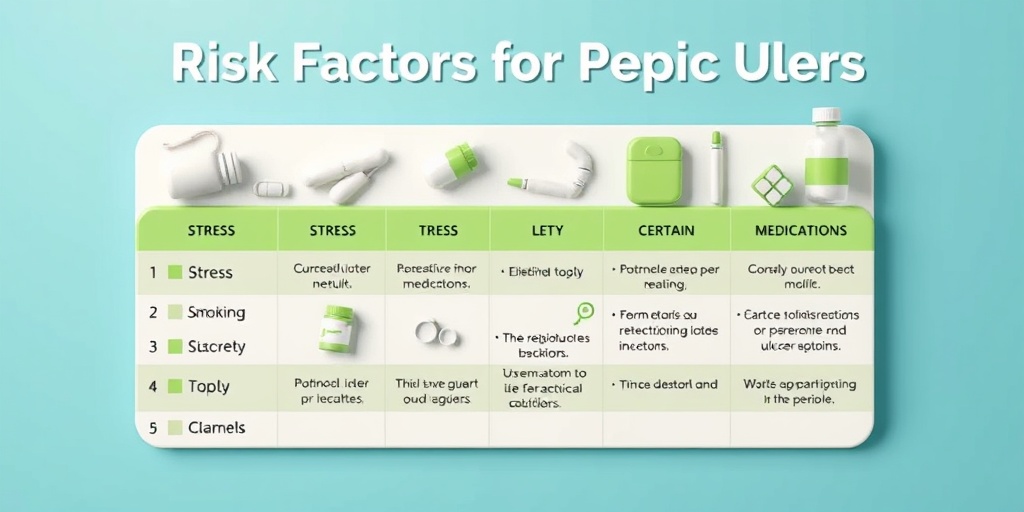
Risk Factors for Peptic Ulcers
Understanding the risk factors for peptic ulcers can help individuals take proactive steps to reduce their chances of developing this painful condition. Here are some key risk factors to consider:
1. Age
As people age, the risk of developing peptic ulcers increases. Older adults may have a higher likelihood of H. pylori infection and may also take more NSAIDs for chronic pain conditions, further elevating their risk.
2. Family History
A family history of peptic ulcers can increase an individual’s risk. Genetic predisposition may play a role in how the body responds to H. pylori infection and other ulcer-causing factors.
3. Dietary Habits
While specific foods do not directly cause peptic ulcers, certain dietary habits can contribute to ulcer development. A diet high in spicy foods, caffeine, and acidic foods may irritate the stomach lining and exacerbate symptoms.
4. Stressful Lifestyle
Chronic stress can lead to unhealthy lifestyle choices, such as poor diet and increased alcohol consumption, which can contribute to the development of peptic ulcers. Managing stress through relaxation techniques and healthy coping mechanisms is essential.
5. Other Medications
In addition to NSAIDs, other medications, such as corticosteroids, can increase the risk of peptic ulcers. It’s important to discuss any medications with a healthcare provider to understand their potential side effects.
6. Previous Ulcer History
Individuals who have previously experienced peptic ulcers are at a higher risk of developing new ulcers. This is particularly true if the underlying causes, such as H. pylori infection or NSAID use, are not addressed.
By being aware of these causes and risk factors, individuals can take proactive steps to protect their digestive health and seek timely medical advice if they experience symptoms of peptic ulcers. Remember, early detection and treatment are key to managing this condition effectively! 🌟
Peptic Ulcer Diagnosis
Diagnosing a peptic ulcer is a crucial step in managing this common gastrointestinal condition. A peptic ulcer refers to open sores that develop on the lining of the stomach, small intestine, or esophagus. Understanding the diagnostic process can help you recognize symptoms early and seek appropriate treatment.
Recognizing Symptoms
The first step in diagnosing a peptic ulcer is recognizing its symptoms. Common signs include:
- Abdominal pain: Often described as a burning sensation, this pain typically occurs between meals or during the night.
- Nausea and vomiting: Some individuals may experience nausea, which can sometimes lead to vomiting.
- Loss of appetite: Many people with peptic ulcers find that they are less interested in food due to discomfort.
- Weight loss: Unintentional weight loss can occur if eating becomes painful.
- Indigestion: This may manifest as bloating, belching, or a feeling of fullness.
Medical History and Physical Examination
When you visit a healthcare provider, they will begin by taking a detailed medical history. This includes asking about your symptoms, lifestyle, and any medications you are currently taking. A physical examination may also be conducted to check for tenderness in the abdomen.
Diagnostic Tests
If a peptic ulcer is suspected, your doctor may recommend several diagnostic tests:
- Endoscopy: This procedure involves inserting a thin, flexible tube with a camera into the digestive tract to visualize the ulcer directly.
- Upper gastrointestinal (GI) series: This X-ray test uses a contrast material to highlight the stomach and small intestine, helping to identify ulcers.
- Helicobacter pylori testing: Since this bacterium is a common cause of peptic ulcers, tests such as breath, blood, or stool tests may be performed to check for its presence.
Once diagnosed, your healthcare provider can recommend an appropriate peptic ulcer treatment plan tailored to your specific needs. Early diagnosis is key to preventing complications and promoting healing. 🩺
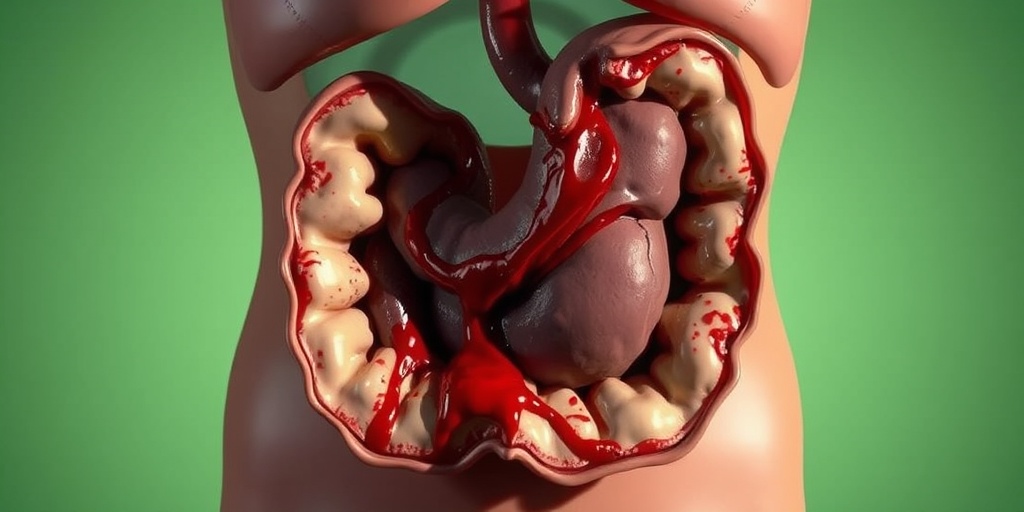
Peptic Ulcer Complications
While many peptic ulcers can be effectively treated, they can lead to serious complications if left untreated. Understanding these potential complications is essential for anyone diagnosed with a peptic ulcer.
Common Complications
Here are some of the most common complications associated with peptic ulcers:
- Bleeding: One of the most serious complications, bleeding can occur if an ulcer erodes into a blood vessel. Symptoms may include vomiting blood or passing black, tarry stools.
- Perforation: This occurs when an ulcer creates a hole in the wall of the stomach or intestine, leading to the leakage of digestive juices into the abdominal cavity. This is a medical emergency and requires immediate attention.
- Gastric outlet obstruction: Ulcers can cause swelling and scarring that block the passage of food from the stomach to the small intestine, leading to severe vomiting and weight loss.
- Increased risk of stomach cancer: Long-term peptic ulcers, particularly those caused by Helicobacter pylori, may increase the risk of developing stomach cancer.
Recognizing Complications
It’s vital to be aware of the signs that may indicate a complication:
- Severe abdominal pain: Sudden, intense pain may indicate perforation.
- Blood in vomit or stool: This could signal bleeding.
- Persistent nausea and vomiting: Especially if accompanied by weight loss, this may indicate gastric outlet obstruction.
Preventive Measures
To minimize the risk of complications, it’s essential to follow your healthcare provider’s recommendations for treatment and lifestyle changes. This may include:
- Avoiding NSAIDs: Nonsteroidal anti-inflammatory drugs can exacerbate ulcers.
- Quitting smoking: Smoking can hinder ulcer healing and increase recurrence.
- Managing stress: Stress management techniques can help reduce ulcer symptoms.
By staying informed and proactive about your health, you can effectively manage peptic ulcers and reduce the risk of complications. Remember, early intervention is key! 🌟
Peptic Ulcer Treatment Options
Peptic ulcers are painful sores that develop on the lining of the stomach, small intestine, or esophagus. They can cause significant discomfort and may lead to serious health issues if left untreated. Fortunately, there are several effective peptic ulcer treatment options available. Understanding these treatments can help you manage symptoms and promote healing.
Medications
Medications are often the first line of defense against peptic ulcers. Here are the primary types:
- Proton Pump Inhibitors (PPIs): These medications reduce stomach acid production, allowing the ulcer to heal. Common PPIs include omeprazole and lansoprazole.
- Antibiotics: If your ulcer is caused by a bacterial infection, particularly Helicobacter pylori, antibiotics such as amoxicillin or clarithromycin may be prescribed.
- Antacids: Over-the-counter antacids can help neutralize stomach acid and provide quick relief from ulcer pain.
- H2-Receptor Antagonists: These medications, like ranitidine, also reduce acid production but work differently than PPIs.
Lifestyle Changes
In addition to medications, making certain lifestyle changes can significantly aid in the treatment of peptic ulcers:
- Dietary Adjustments: Avoid spicy foods, caffeine, and alcohol, which can irritate the stomach lining. Instead, focus on a balanced diet rich in fruits, vegetables, and whole grains.
- Stress Management: Stress can exacerbate ulcer symptoms. Techniques such as yoga, meditation, and deep breathing exercises can help reduce stress levels.
- Quit Smoking: Smoking can interfere with the healing process of ulcers and increase the risk of complications.
Surgical Options
In severe cases where ulcers do not respond to medication or lifestyle changes, surgical intervention may be necessary. Surgical options can include:
- Vagotomy: This procedure involves cutting the vagus nerve to reduce acid production.
- Pyloroplasty: This surgery helps to drain the stomach and reduce the risk of future ulcers.
It’s essential to consult with a healthcare professional to determine the most appropriate treatment plan for your specific situation. Early intervention can lead to better outcomes and a quicker return to normal activities. 💊
Preventing Peptic Ulcers
Preventing peptic ulcers is crucial for maintaining digestive health. While not all ulcers can be avoided, there are several strategies you can implement to reduce your risk.
Healthy Eating Habits
What you eat plays a significant role in ulcer prevention. Consider the following:
- Balanced Diet: Incorporate a variety of foods, including fruits, vegetables, lean proteins, and whole grains. Foods rich in fiber can help protect the stomach lining.
- Avoid Irritants: Limit or eliminate foods and beverages that can irritate the stomach, such as spicy foods, caffeine, and alcohol.
Manage Stress Effectively
Since stress can contribute to ulcer formation, finding effective ways to manage stress is essential:
- Regular Exercise: Physical activity can help reduce stress and improve overall health.
- Mindfulness Practices: Techniques such as meditation, deep breathing, and yoga can help calm the mind and body.
Avoid Smoking and Excessive Alcohol Consumption
Both smoking and excessive alcohol intake can increase the risk of developing peptic ulcers. Here’s how to mitigate these risks:
- Quit Smoking: Seek support and resources to help you quit smoking, as it can significantly improve your digestive health.
- Limit Alcohol: If you choose to drink, do so in moderation. This means no more than one drink per day for women and two for men.
Regular Medical Check-ups
Regular visits to your healthcare provider can help catch potential issues early. Discuss any symptoms you may experience, such as persistent stomach pain or changes in appetite. Early detection and treatment can prevent the development of peptic ulcers. 🩺
By adopting these preventive measures and being proactive about your health, you can significantly reduce your risk of developing peptic ulcers and maintain a healthier digestive system.

Frequently Asked Questions about Peptic Ulcers
What is a Peptic Ulcer?
A peptic ulcer is a sore that develops on the lining of the stomach, small intestine, or esophagus. It occurs when the protective mucus layer is reduced, allowing stomach acid to damage the tissue.
What are the common symptoms of Peptic Ulcers?
- Abdominal pain: Often described as a burning sensation.
- Nausea: Feeling sick to the stomach.
- Loss of appetite: Reduced desire to eat.
- Weight loss: Unintentional weight loss due to eating less.
- Indigestion: Discomfort or pain in the stomach area.
How are Peptic Ulcers diagnosed?
Diagnosis typically involves a combination of medical history, physical examination, and tests such as endoscopy, barium swallow, or tests for H. pylori infection.
What are the treatment options for Peptic Ulcers?
Treatment for peptic ulcers may include:
- Medications: Antacids, proton pump inhibitors, and antibiotics for H. pylori infection.
- Lifestyle changes: Avoiding irritants like NSAIDs, alcohol, and smoking.
- Surgery: In severe cases, surgical intervention may be necessary.
Can Peptic Ulcers lead to complications?
Yes, if left untreated, peptic ulcers can lead to serious complications such as bleeding, perforation, and gastric obstruction.
Are there any dietary recommendations for managing Peptic Ulcers?
While specific dietary changes can vary, it is generally recommended to:
- Avoid spicy foods: They can irritate the stomach lining.
- Limit caffeine and alcohol: Both can increase stomach acid production.
- Eat smaller meals: This can help reduce stomach acid production.
Is there a link between stress and Peptic Ulcers?
While stress does not directly cause peptic ulcers, it can exacerbate symptoms and hinder healing. Managing stress through relaxation techniques may be beneficial.
What is the ICD-10 code for Peptic Ulcers?
The ICD-10 code for peptic ulcers varies based on the specific type and location, such as:
- K25: Gastric ulcer
- K26: Duodenal ulcer
Can Peptic Ulcers recur after treatment?
Yes, peptic ulcers can recur, especially if the underlying causes, such as H. pylori infection or the use of NSAIDs, are not addressed.
When should I see a doctor for Peptic Ulcer symptoms?
If you experience severe abdominal pain, vomiting blood, or black stools, it is crucial to seek medical attention immediately, as these may indicate serious complications.