What Is Wolf Syndrome?
Wolf Syndrome, also known as Wolf-Hirschhorn Syndrome, is a rare genetic disorder that arises from a deletion of genetic material on the short arm of chromosome 4. This condition is characterized by a range of physical and developmental challenges, which can vary significantly from one individual to another. The name “Wolf Syndrome” is derived from the surname of the first researchers who described the condition, Dr. Wolfgang and Dr. Hirschhorn.
This syndrome is often associated with distinctive facial features, growth delays, and various health complications. It is important to note that Wolf Syndrome is not contagious; it is a genetic condition that occurs sporadically, meaning it can happen in families with no prior history of the disorder.
Understanding the Genetics of Wolf Syndrome
The genetic basis of Wolf Syndrome involves a deletion of a portion of chromosome 4, which can affect the development of multiple systems in the body. This deletion can lead to a variety of symptoms, including cognitive impairments and physical anomalies. Genetic testing can confirm the diagnosis, and understanding the genetic aspects of the syndrome can help in managing the condition effectively.
Wolf Syndrome Symptoms
The symptoms of Wolf Syndrome can vary widely among individuals, but there are several common characteristics that many people with the condition may exhibit. Recognizing these symptoms early can lead to timely interventions and support.
Common Physical Symptoms
- Distinctive Facial Features: Individuals with Wolf Syndrome often have a unique facial appearance, including a broad forehead, a prominent nose, and widely spaced eyes.
- Growth Delays: Many children with this syndrome experience slower growth rates, which can lead to shorter stature compared to their peers.
- Cardiac Issues: Some individuals may have congenital heart defects, which can include conditions such as ventricular septal defects or atrial septal defects. Regular monitoring through an ECG (electrocardiogram) is often recommended to assess heart health.
Developmental and Cognitive Symptoms
- Cognitive Impairments: Children with Wolf Syndrome may face challenges in cognitive development, which can affect learning and social interactions.
- Speech Delays: Many children may experience delays in speech and language development, requiring speech therapy to assist in communication skills.
- Behavioral Issues: Some individuals may exhibit behavioral challenges, including difficulties with attention and social interactions.
Other Associated Symptoms
- Hair and Skin Changes: Individuals with Wolf Syndrome may have sparse hair or unusual skin pigmentation.
- Seizures: Some may experience seizures, which can be managed with appropriate medical intervention.
- Hearing Loss: Hearing impairments can also be a concern, necessitating regular hearing assessments.
While the symptoms of Wolf Syndrome can be challenging, early diagnosis and a comprehensive care plan can significantly improve the quality of life for affected individuals. Support from healthcare professionals, educational resources, and community support can make a substantial difference.
If you or someone you know is dealing with Wolf Syndrome, consider reaching out to resources like Yesil Health AI for evidence-based health answers and guidance. Understanding the condition and its implications can empower families to navigate the complexities of Wolf Syndrome more effectively.
In conclusion, while Wolf Syndrome presents various challenges, awareness and support can lead to better outcomes for those affected. By recognizing the symptoms and seeking appropriate care, individuals with Wolf Syndrome can lead fulfilling lives. 🌟
Wolf Syndrome Causes
Wolf Syndrome, also known as Silver-Russell Syndrome, is a rare genetic disorder characterized by a variety of symptoms, including distinctive facial features, growth delays, and other health complications. Understanding the causes of Wolf Syndrome is crucial for early diagnosis and management. Let’s delve into the primary factors that contribute to this condition.
Genetic Factors
The primary cause of Wolf Syndrome is genetic mutations. These mutations can occur in several genes, most notably in the 11p15.5 region of chromosome 11. This region is crucial for regulating growth and development. The genetic changes can lead to abnormal expression of growth-related genes, resulting in the characteristic features of the syndrome.
- Imprinting Disorders: Wolf Syndrome is often associated with genomic imprinting disorders, where certain genes are expressed in a parent-of-origin-specific manner. This can lead to an imbalance in gene expression, contributing to the symptoms of the syndrome.
- Chromosomal Abnormalities: In some cases, chromosomal abnormalities, such as deletions or duplications, can also play a role in the development of Wolf Syndrome.
Environmental Factors
While genetic factors are the primary contributors to Wolf Syndrome, environmental influences during pregnancy may also play a role. Factors such as maternal health, exposure to toxins, and nutritional deficiencies can potentially impact fetal development and contribute to the manifestation of the syndrome. However, more research is needed to fully understand these environmental interactions.
Associated Health Conditions
Individuals with Wolf Syndrome may also experience a range of associated health conditions, particularly related to the heart. Wolf Syndrome heart conditions can include structural abnormalities and arrhythmias, which may require careful monitoring and management. Understanding these associated conditions is vital for comprehensive care.
Wolf Syndrome Diagnosis
Diagnosing Wolf Syndrome can be challenging due to its rarity and the variability of symptoms. However, early diagnosis is essential for effective management and support. Here’s how healthcare professionals typically approach the diagnosis of this condition.
Clinical Evaluation
The first step in diagnosing Wolf Syndrome involves a thorough clinical evaluation. Healthcare providers will assess the patient’s medical history, growth patterns, and physical features. Key indicators may include:
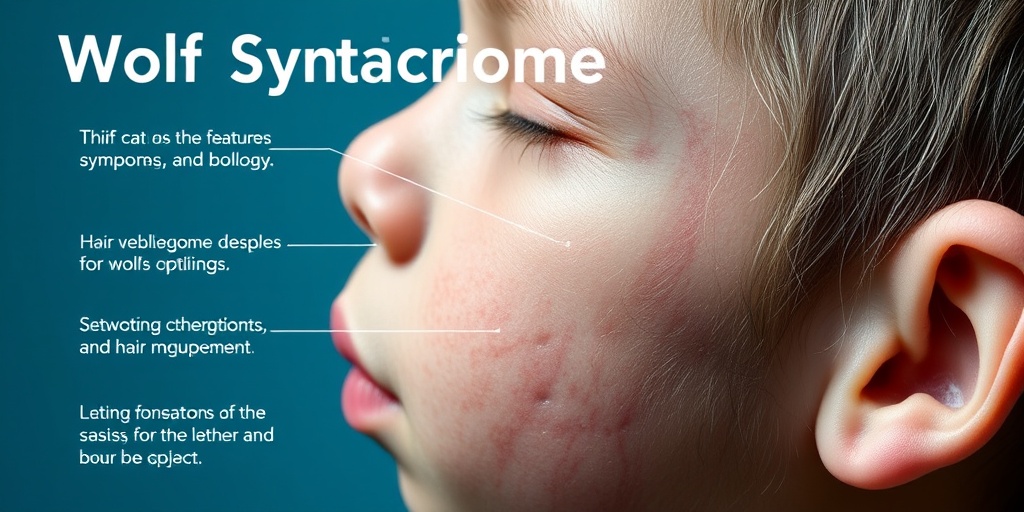
- Distinctive Facial Features: Individuals with Wolf Syndrome often exhibit unique facial characteristics, such as a triangular face, prominent forehead, and a pointed chin.
- Growth Delays: A significant delay in growth compared to peers is a common symptom, prompting further investigation.
- Developmental Delays: Delays in reaching developmental milestones may also be noted during the evaluation.
Genetic Testing
Once a clinical evaluation suggests Wolf Syndrome, genetic testing is often recommended to confirm the diagnosis. This testing can identify specific genetic mutations associated with the condition. Common tests include:
- Chromosomal Microarray Analysis: This test can detect chromosomal abnormalities that may contribute to the syndrome.
- Targeted Gene Testing: If a specific mutation is suspected, targeted testing can confirm the diagnosis.
Cardiac Evaluation
Given the potential for Wolf Syndrome heart conditions, a cardiac evaluation is often part of the diagnostic process. This may include:
- Electrocardiogram (ECG): An ECG can help identify any irregular heart rhythms or structural issues.
- Cardiac Ultrasound: This imaging test can provide detailed information about the heart’s structure and function.
In conclusion, understanding the causes and diagnostic processes for Wolf Syndrome is essential for effective management and support for affected individuals. Early intervention can significantly improve quality of life and health outcomes. 🌟

Wolf Syndrome Treatment Options
Wolf Syndrome, also known as Silver-Russell Syndrome, is a rare genetic disorder characterized by growth deficiencies and distinctive facial features. While there is no definitive cure for this condition, various treatment options can help manage symptoms and improve the quality of life for those affected. Let’s explore some of the most common treatment strategies available.
Medical Management
Individuals diagnosed with Wolf Syndrome often require a multidisciplinary approach to care. This may include:
- Regular Monitoring: Frequent check-ups with healthcare providers to monitor growth patterns and developmental milestones.
- Endocrine Therapy: Hormonal treatments, such as growth hormone therapy, may be recommended to address growth deficiencies.
- Nutritional Support: A tailored diet plan can help manage weight and ensure adequate nutrition, which is crucial for growth and overall health.
Cardiac Care
Many individuals with Wolf Syndrome may experience heart-related issues, including congenital heart defects. Regular ECG monitoring and consultations with a cardiologist are essential. Treatment options may include:
- Medications: Prescribing medications to manage heart conditions and improve cardiac function.
- Surgical Interventions: In some cases, surgical procedures may be necessary to correct structural heart defects.
Psychosocial Support
Living with a rare genetic disorder can be challenging, both physically and emotionally. Providing psychosocial support is vital for individuals and their families. This may involve:
- Counseling Services: Access to mental health professionals who can help navigate the emotional aspects of living with Wolf Syndrome.
- Support Groups: Connecting with others facing similar challenges can provide comfort and shared experiences.
Physical Therapy
Physical therapy can play a crucial role in enhancing mobility and strength. Tailored exercise programs can help improve coordination and overall physical function, making daily activities easier and more enjoyable.
Living with Wolf Syndrome
Living with Wolf Syndrome presents unique challenges, but with the right support and resources, individuals can lead fulfilling lives. Here are some key aspects to consider:
Understanding the Condition
Education is essential for both individuals with Wolf Syndrome and their families. Understanding the symptoms, potential complications, and treatment options can empower families to make informed decisions about care. Knowledge about the condition can also help in advocating for necessary services and support.
Building a Support Network
Having a strong support network is invaluable. This can include:
- Family and Friends: Engaging loved ones in the journey can provide emotional support and practical assistance.
- Healthcare Providers: Establishing a team of healthcare professionals who understand Wolf Syndrome can ensure comprehensive care.
- Community Resources: Local organizations and online communities can offer additional support and resources.
Emotional Well-being
Individuals with Wolf Syndrome may face emotional and psychological challenges. It’s important to prioritize mental health by:
- Encouraging Open Communication: Creating an environment where feelings can be expressed openly.
- Engaging in Activities: Participating in hobbies and interests can boost self-esteem and provide joy.
Advocacy and Awareness
Raising awareness about Wolf Syndrome is crucial for improving understanding and support for those affected. Advocacy can take many forms, including:
- Participating in Awareness Campaigns: Joining initiatives that promote education about rare genetic disorders.
- Sharing Personal Stories: Personal narratives can help others understand the challenges and triumphs of living with Wolf Syndrome.
In conclusion, while Wolf Syndrome presents various challenges, effective treatment options and a supportive community can significantly enhance the quality of life for those affected. By focusing on comprehensive care and emotional well-being, individuals can navigate their journey with resilience and hope. 🌟

Wolf Syndrome Research
Wolf Syndrome, also known as Wolf-Hirschhorn Syndrome, is a rare genetic disorder that arises from a deletion of genetic material on the short arm of chromosome 4. This condition is characterized by a range of physical and developmental challenges, including distinctive facial features, growth delays, and intellectual disabilities. Ongoing research is crucial for understanding this complex syndrome and improving the lives of those affected.
Current Research Trends
Recent studies have focused on various aspects of Wolf Syndrome, including its genetic basis, clinical manifestations, and potential therapeutic interventions. Researchers are particularly interested in:
- Genetic Mapping: Identifying specific genes involved in the syndrome to better understand its etiology.
- Clinical Trials: Testing new treatments that may alleviate some of the symptoms associated with Wolf Syndrome.
- Longitudinal Studies: Observing individuals over time to assess the progression of the syndrome and its impact on quality of life.
Genetic Insights
Understanding the genetic underpinnings of Wolf Syndrome is vital for developing targeted therapies. Researchers have discovered that the deletion of the WHSC1 gene is often implicated in the condition. This gene plays a role in various cellular processes, and its absence can lead to the characteristic features of the syndrome.
Moreover, advancements in genetic testing have made it easier for families to receive accurate diagnoses. This not only helps in understanding the condition but also in planning for future medical care and interventions.
Potential Treatments
While there is currently no cure for Wolf Syndrome, research is exploring various treatment options aimed at managing symptoms. Some promising areas include:
- Physical Therapy: Helps improve motor skills and coordination.
- Speech Therapy: Assists in developing communication skills.
- Behavioral Therapy: Supports emotional and social development.
Additionally, researchers are investigating the potential of gene therapy as a future treatment option. This innovative approach aims to correct the underlying genetic defects, offering hope for more effective interventions.
Support and Resources for Wolf Syndrome
Living with Wolf Syndrome can be challenging, not only for those diagnosed but also for their families. Fortunately, there are numerous resources and support networks available to help navigate this journey.
Support Groups
Connecting with others who understand the challenges of Wolf Syndrome can be incredibly beneficial. Support groups provide a platform for sharing experiences, advice, and emotional support. Some notable organizations include:
- Wolf-Hirschhorn Syndrome International: A global network that offers resources, information, and community support.
- National Organization for Rare Disorders (NORD): Provides information on rare diseases, including Wolf Syndrome, and connects families with resources.
Educational Resources
Education is key to understanding Wolf Syndrome and advocating for appropriate care. Several organizations offer educational materials, including:
- Genetic and Rare Diseases Information Center (GARD): Offers comprehensive information about Wolf Syndrome and related conditions.
- Local Health Departments: Many local health departments provide resources and support for families affected by rare diseases.
Medical Care and Specialists
Access to specialized medical care is crucial for managing Wolf Syndrome. Families should seek out healthcare providers who are knowledgeable about the condition. This may include:
- Pediatricians: For general health and development monitoring.
- Geneticists: For genetic counseling and testing.
- Specialists: Such as cardiologists for heart-related issues, as Wolf Syndrome can be associated with cardiac conditions.
In conclusion, while Wolf Syndrome presents unique challenges, ongoing research and a wealth of support resources are paving the way for improved understanding and management of this condition. By staying informed and connected, families can find the support they need to navigate the complexities of Wolf Syndrome. 🌟

Frequently Asked Questions about Wolf Syndrome
What is Wolf Syndrome?
Wolf Syndrome, also known as Wolf-Hirschhorn Syndrome, is a rare genetic disorder caused by a deletion of genetic material on chromosome 4. It is characterized by various physical and developmental challenges, including distinctive facial features, growth delays, and intellectual disabilities.
What are the symptoms of Wolf Syndrome?
Individuals with Wolf Syndrome may exhibit a range of symptoms, including:
- Distinctive facial features such as a broad forehead and a prominent nose
- Growth delays and short stature
- Intellectual disabilities
- Seizures
- Heart conditions, including issues related to the wolf syndrome heart
How is Wolf Syndrome diagnosed?
Diagnosis of Wolf Syndrome typically involves a combination of physical examinations, genetic testing, and family history assessments. Genetic testing can confirm the deletion on chromosome 4.
What is the life expectancy for someone with Wolf Syndrome?
The life expectancy for individuals with Wolf Syndrome can vary significantly based on the severity of symptoms and associated health conditions. Many individuals can live into adulthood, but they may require ongoing medical care and support.
Can Wolf Syndrome affect the heart?
Yes, individuals with Wolf Syndrome may experience various heart conditions. These can include congenital heart defects, which may require monitoring and potential intervention. Regular check-ups with a cardiologist are often recommended.
Is there a treatment for Wolf Syndrome?
Currently, there is no cure for Wolf Syndrome. Treatment focuses on managing symptoms and providing supportive care. This may include physical therapy, speech therapy, and educational support to help individuals reach their full potential.
What support is available for families affected by Wolf Syndrome?
Families affected by Wolf Syndrome can access various resources, including support groups, educational materials, and counseling services. Connecting with other families facing similar challenges can provide emotional support and practical advice.
Are there any research studies on Wolf Syndrome?
Ongoing research is being conducted to better understand Wolf Syndrome and its effects. Families interested in participating in research studies can consult with healthcare providers or genetic counselors for information on current opportunities.
Where can I find more information about Wolf Syndrome?
For more information about Wolf Syndrome, consider visiting reputable health organizations, genetic counseling centers, or support groups dedicated to rare genetic disorders. These resources can provide valuable insights and assistance.