What Are Wisdom Teeth?
Wisdom teeth, also known as third molars, are the last set of molars that typically emerge in late adolescence or early adulthood, usually between the ages of 17 and 25. These teeth are located at the back of the mouth, one in each quadrant, and are often considered a vestige of our evolutionary past when our ancestors required extra teeth to help chew a rough diet of plants and meats.
While some people have enough space in their mouths for these teeth to grow in properly, many experience complications due to a lack of space. This can lead to various wisdom tooth problems that may require dental intervention.
Why Are They Called Wisdom Teeth?
The term “wisdom teeth” comes from the age at which they typically appear. By the time these teeth emerge, individuals are generally more mature and have gained a certain level of wisdom compared to their younger years. However, this does not mean that wisdom teeth are always beneficial; in fact, they can often lead to significant dental issues.
Common Wisdom Tooth Problems
Wisdom tooth problems can manifest in various ways, and understanding these issues is crucial for maintaining oral health. Here are some of the most common problems associated with wisdom teeth:
1. Impaction
One of the most prevalent issues is impaction, where the wisdom tooth does not have enough space to emerge properly. This can lead to the tooth growing at an angle, pushing against neighboring teeth, and causing pain and discomfort. Impacted wisdom teeth can also lead to infections and cysts, which may require surgical intervention.
2. Infection
When wisdom teeth are partially erupted, they can create pockets where bacteria can thrive, leading to infections. Symptoms of an infection may include:
- Swelling and redness around the gums
- Pain that radiates to the jaw or ear
- Bad breath or an unpleasant taste in the mouth
If you suspect an infection, it’s essential to consult a dentist promptly to avoid further complications.
3. Crowding
As wisdom teeth attempt to emerge, they can push against adjacent teeth, causing crowding and misalignment. This can undo years of orthodontic work and lead to bite issues. If you notice changes in your bite or alignment, it may be time to discuss your wisdom teeth with your dentist.
4. Cysts and Tumors
In some cases, impacted wisdom teeth can lead to the formation of cysts or tumors in the jawbone. These growths can damage the surrounding teeth and bone structure, necessitating surgical removal. Regular dental check-ups can help identify these issues early on.
5. Wisdom Tooth Problems During Pregnancy
Pregnant women may experience unique challenges with wisdom teeth due to hormonal changes that can affect gum health. If a wisdom tooth becomes impacted or infected during pregnancy, it’s crucial to seek dental care, as untreated issues can lead to complications for both the mother and the baby.
6. Wisdom Tooth Problems in Your 40s and Beyond
While many people have their wisdom teeth removed in their late teens or early twenties, some may face wisdom teeth problems later in life. By the time individuals reach their 40s or even 50s, wisdom teeth can still cause issues, including decay or gum disease. Regular dental visits are essential for monitoring these teeth as you age.
7. Solutions for Wisdom Tooth Problems
If you are experiencing any of the issues mentioned above, it’s important to consult with a dental professional. Common solutions include:
- Monitoring: Regular check-ups to monitor the development of wisdom teeth.
- Extraction: Surgical removal of impacted or problematic wisdom teeth.
- Antibiotics: Prescribed to treat infections.
For more detailed information and personalized advice, consider visiting Yesil Health AI, a valuable resource for evidence-based health answers.
In conclusion, while wisdom teeth can be a source of problems, understanding the potential issues and seeking timely dental care can help you maintain a healthy smile. If you have any concerns about your wisdom teeth, don’t hesitate to reach out to your dentist! 🦷✨
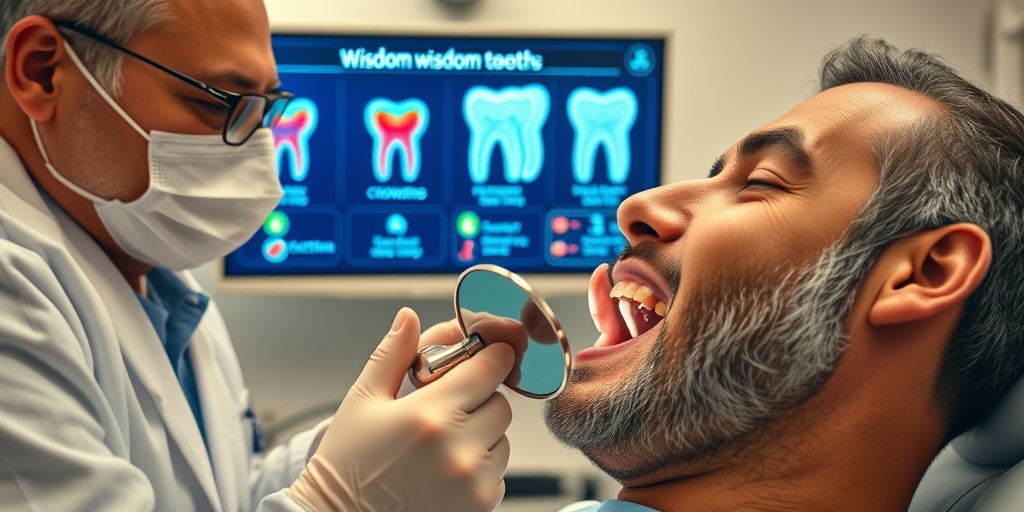
Symptoms of Wisdom Tooth Issues
Wisdom tooth problems can manifest in various ways, and recognizing the symptoms early can help you seek timely treatment. Here are some common signs that you might be experiencing issues with your wisdom teeth:
1. Pain and Discomfort
One of the most noticeable symptoms of wisdom tooth problems is pain. This discomfort can range from mild to severe and may be localized around the back of your jaw. You might feel:
- A dull ache that persists
- Sharp pain when biting or chewing
- Pain that radiates to your ear or neck
2. Swelling and Inflammation
Another common symptom is swelling in the gums surrounding the wisdom teeth. This can lead to:
- Redness and tenderness in the affected area
- Difficulty opening your mouth
- Swollen lymph nodes in the neck
3. Bad Breath and Unpleasant Taste
If your wisdom teeth are impacted or infected, you may experience bad breath or a persistent unpleasant taste in your mouth. This can be due to food particles trapped around the tooth or an infection in the gums.
4. Difficulty in Jaw Movement
Some individuals may find it challenging to open their mouths fully or experience a clicking sound when moving their jaw. This can be a sign of wisdom teeth causing pressure on surrounding structures.
5. Headaches
In some cases, wisdom tooth problems can lead to headaches or migraines. This is often due to the tension and discomfort in the jaw muscles caused by the impacted teeth.
6. Gum Disease
If wisdom teeth are partially erupted, they can create a pocket where bacteria can thrive, leading to gum disease. Symptoms may include:
- Bleeding gums
- Pus around the gums
- Persistent bad breath
Causes of Wisdom Tooth Pain
Understanding the causes of wisdom tooth pain can help you manage your symptoms and seek appropriate treatment. Here are some common reasons why you might be experiencing discomfort:
1. Impaction
One of the primary causes of wisdom tooth pain is impaction. This occurs when there isn’t enough space in the jaw for the wisdom teeth to emerge properly. Impacted wisdom teeth can lead to:
- Pressure on adjacent teeth
- Infection in the surrounding gums
- Formation of cysts or tumors
2. Infection
When wisdom teeth are partially erupted, they can create an opening for bacteria to enter, leading to infection. Symptoms of infection may include:
- Severe pain
- Swelling and redness
- Fever and malaise
3. Tooth Decay
Wisdom teeth are located at the back of the mouth, making them harder to clean. This can lead to tooth decay and cavities, which can cause significant pain and discomfort.
4. Gum Disease
As mentioned earlier, wisdom teeth can contribute to gum disease if they are not properly cleaned. This can lead to inflammation and pain in the gums, making it essential to maintain good oral hygiene.
5. Orthodontic Issues
For individuals who have undergone orthodontic treatment, the emergence of wisdom teeth can disrupt the alignment of previously straightened teeth. This can lead to pain and discomfort as the teeth shift.
In summary, being aware of the symptoms and causes of wisdom tooth problems can help you take proactive steps in managing your oral health. If you experience any of these symptoms, it’s crucial to consult with a dental professional for an accurate diagnosis and appropriate treatment. 🦷✨
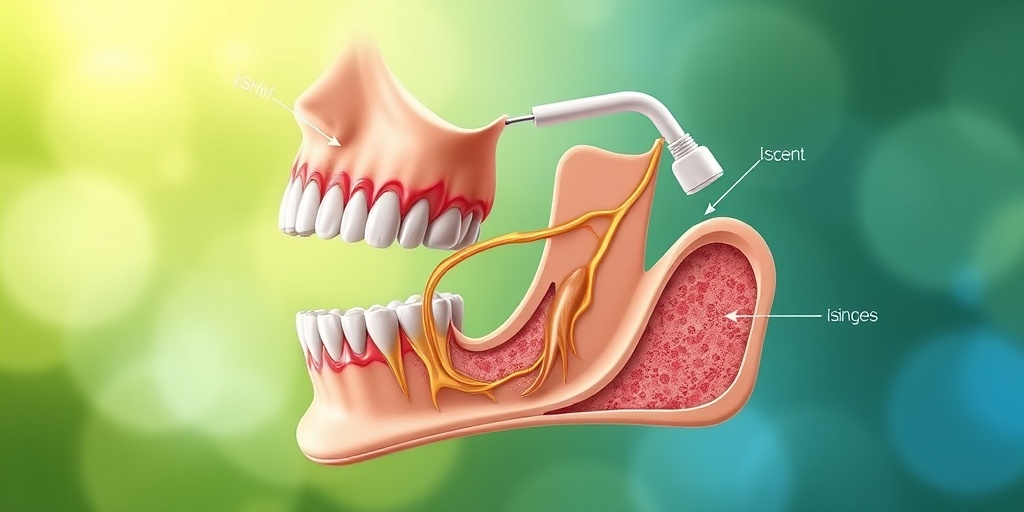
Risk Factors for Wisdom Tooth Complications
Wisdom teeth, also known as third molars, typically emerge between the ages of 17 and 25. While some individuals experience no issues, others may face a variety of complications. Understanding the risk factors for wisdom tooth problems can help you take proactive measures to maintain your oral health. Here are some key factors to consider:
Age
The age at which wisdom teeth emerge plays a significant role in the likelihood of complications. Wisdom tooth problems in adults are more common as the jawbone becomes denser and less accommodating for new teeth. By the time individuals reach their 40s or 50s, the risk of complications increases, leading to issues such as impaction or infection.
Jaw Size and Shape
Another critical factor is the size and shape of your jaw. If your jaw is too small to accommodate wisdom teeth, they may become impacted, leading to pain and other complications. This is particularly common in individuals with a narrow jaw structure, which can result in wisdom teeth problems later in life.
Genetics
Your genetic makeup can also influence the development of wisdom teeth. Some people may inherit traits that predispose them to complications, such as the absence of wisdom teeth altogether or a higher likelihood of impaction. If your family has a history of wisdom tooth problems, it may be wise to consult with your dentist early on.
Oral Hygiene Practices
Maintaining good oral hygiene is crucial in preventing complications. Poor dental care can lead to infections and cavities, which can exacerbate any existing wisdom tooth issues. Regular brushing, flossing, and dental check-ups are essential to keep your mouth healthy and reduce the risk of wisdom tooth problems symptoms.
Pregnancy
Pregnant women may experience unique challenges related to wisdom teeth. Hormonal changes can affect gum health, making it more difficult to manage any existing issues. If you’re pregnant and experiencing discomfort, it’s important to consult your dentist to address any potential wisdom tooth problems during pregnancy.
Diagnosis of Wisdom Tooth Problems
Identifying wisdom tooth problems early can prevent more serious complications down the line. Here’s how dentists typically diagnose these issues:
Clinical Examination
The first step in diagnosing wisdom tooth problems is a thorough clinical examination. Your dentist will assess your mouth for signs of swelling, infection, or other abnormalities. They will also inquire about your symptoms, such as pain or discomfort in the back of your mouth.
X-rays
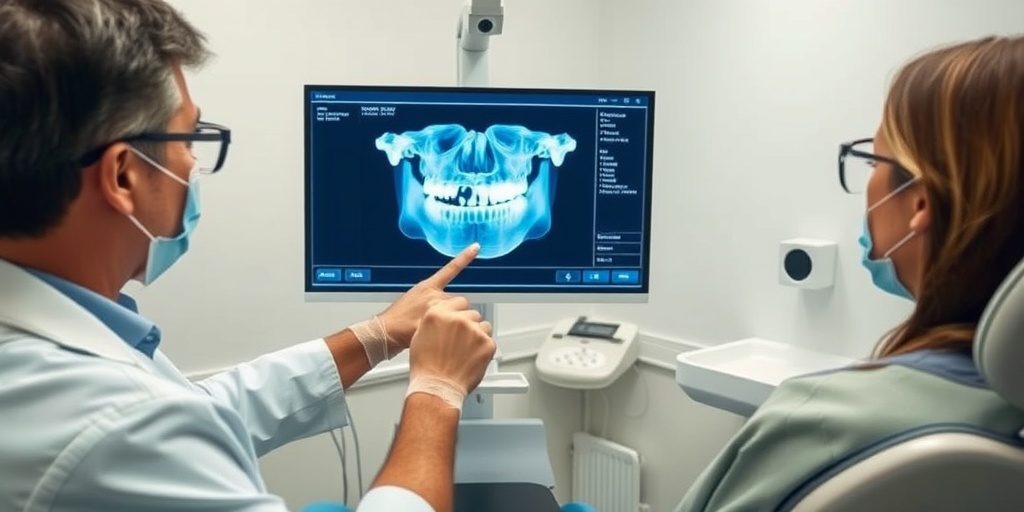
X-rays are a crucial tool in diagnosing wisdom tooth issues. They provide a clear view of the position of your wisdom teeth and can reveal whether they are impacted or at risk of causing problems. Dentists often use panoramic X-rays to get a comprehensive view of the entire jaw, which helps in planning any necessary treatments.
Symptom Assessment
Understanding your symptoms is vital for an accurate diagnosis. Common symptoms of wisdom tooth problems include:
- Pain or discomfort in the back of the mouth
- Swelling around the gums
- Difficulty opening your mouth
- Bad breath or an unpleasant taste in the mouth
- Headaches or jaw pain
If you experience any of these symptoms, it’s essential to consult your dentist for a proper evaluation.
Referral to a Specialist
In some cases, your dentist may refer you to an oral surgeon for further evaluation and treatment. This is especially true if your wisdom teeth are severely impacted or if there are signs of infection. An oral surgeon can provide specialized care and discuss potential treatment options, including extraction if necessary.
Being aware of the risk factors for wisdom tooth complications and understanding the diagnosis of wisdom tooth problems can empower you to take charge of your oral health. Regular dental visits and open communication with your dentist are key to preventing and managing any issues that may arise.
Treatment Options for Wisdom Teeth
Wisdom teeth, also known as third molars, often cause a variety of wisdom tooth problems for many individuals. These issues can range from mild discomfort to severe pain and complications. Understanding the treatment options available can help you manage these problems effectively.
1. Monitoring and Observation
In some cases, if your wisdom teeth are not causing any immediate issues, your dentist may recommend a wait-and-see approach. Regular check-ups can help monitor the growth and positioning of your wisdom teeth. This is particularly common for individuals in their late teens or early twenties, as many people experience wisdom tooth problems in their 40s or later.
2. Pain Management
If you’re experiencing discomfort due to your wisdom teeth, over-the-counter pain relievers such as ibuprofen or acetaminophen can provide temporary relief. Additionally, applying a cold compress to the outside of your cheek can help reduce swelling and numb the pain. However, this is only a short-term solution, and persistent pain should prompt a visit to your dentist.
3. Surgical Extraction
For many, the most effective treatment for wisdom tooth problems is surgical extraction. This procedure is often recommended when:
- The wisdom teeth are impacted (not fully erupted).
- They are causing crowding or misalignment of other teeth.
- There are signs of infection or decay.
During the extraction, your dentist or oral surgeon will administer anesthesia to ensure you are comfortable. Recovery typically involves some swelling and discomfort, but following post-operative care instructions can help speed up the healing process.
4. Antibiotics and Infection Management
If your wisdom teeth are causing an infection, your dentist may prescribe antibiotics to help manage the condition. This is especially important if you experience symptoms such as fever, swelling, or pus around the gums. Treating the infection is crucial before considering any surgical options.
5. Follow-Up Care
After any treatment, especially surgical extraction, follow-up appointments are essential to ensure proper healing. Your dentist will check for any complications, such as dry socket or infection, and provide guidance on maintaining oral hygiene during recovery.
Preventing Wisdom Tooth Issues
While some people may be more prone to wisdom tooth problems, there are several proactive steps you can take to minimize the risk of complications.
1. Regular Dental Check-Ups
Routine visits to your dentist are crucial for early detection of potential wisdom tooth issues. Your dentist can monitor the development of your wisdom teeth and recommend timely interventions if necessary. This is particularly important for those who may experience wisdom teeth problems later in life.
2. Maintain Good Oral Hygiene
Practicing good oral hygiene is essential in preventing infections and other complications associated with wisdom teeth. Here are some tips:
- Brush your teeth at least twice a day with fluoride toothpaste.
- Floss daily to remove food particles and plaque between teeth.
- Use an antibacterial mouthwash to help reduce bacteria in your mouth.
3. Be Aware of Symptoms
Understanding the wisdom tooth problems symptoms can help you seek treatment early. Common signs include:
- Pain or discomfort in the back of the mouth.
- Swelling or redness in the gums.
- Difficulty opening your mouth.
- Bad breath or an unpleasant taste in the mouth.
4. Consider Early Removal
For some individuals, especially those in their late teens or early twenties, early removal of wisdom teeth can prevent future problems. Discussing this option with your dentist can help you make an informed decision based on your specific situation.
5. Healthy Lifestyle Choices
Maintaining a healthy lifestyle can also contribute to better oral health. Eating a balanced diet rich in vitamins and minerals supports your immune system, helping to prevent infections. Staying hydrated and avoiding tobacco products can further enhance your oral health.
By understanding the treatment options available and taking proactive steps to prevent wisdom tooth problems, you can maintain a healthy smile and avoid unnecessary discomfort. 😊

Frequently Asked Questions about Wisdom Tooth Problems
What are the common symptoms of wisdom tooth problems?
Wisdom tooth problems can manifest in various ways. Common symptoms include:
- Pain or discomfort in the back of the mouth
- Swelling around the jaw or gums
- Difficulty opening the mouth
- Bad breath or an unpleasant taste in the mouth
- Headaches or earaches
Can wisdom tooth problems occur during pregnancy?
Yes, wisdom tooth problems can occur during pregnancy. Hormonal changes can affect oral health, making it essential for pregnant individuals to maintain regular dental check-ups. If you experience pain or swelling, consult your dentist for safe treatment options.
What wisdom tooth problems are common in adults in their 40s?
Adults in their 40s may experience issues such as:
- Impaction of wisdom teeth
- Infection around the wisdom tooth
- Decay in adjacent teeth
Regular dental visits can help manage these issues effectively.
Are there solutions for wisdom teeth problems later in life?
Yes, there are several solutions for managing wisdom teeth problems later in life, including:
- Regular dental check-ups to monitor the condition of wisdom teeth
- Extraction if the teeth are causing significant issues
- Medication to manage pain and infection
What should I expect after wisdom teeth removal?
After wisdom teeth removal, you may experience:
- Swelling and discomfort for a few days
- Bleeding that should gradually decrease
- Difficulty eating solid foods initially
Following your dentist’s post-operative care instructions will help ensure a smooth recovery.
What wisdom tooth problems can arise at age 50?
At age 50, individuals may face issues such as:
- Increased risk of infection due to gum recession
- Bone loss affecting tooth stability
- Chronic pain if wisdom teeth are impacted
Consulting with a dental professional can help address these concerns effectively.