What Is Tuberous Sclerosis?
Tuberous Sclerosis Complex (TSC) is a rare genetic disorder that affects multiple systems in the body. It is characterized by the growth of non-cancerous tumors, known as hamartomas, in various organs, including the brain, skin, kidneys, and lungs. These tumors can lead to a variety of health issues, making early diagnosis and management crucial.
Understanding the Genetics of Tuberous Sclerosis
TSC is caused by mutations in either the TSC1 or TSC2 genes, which are responsible for producing proteins that help regulate cell growth and division. When these genes are mutated, it can lead to uncontrolled cell growth, resulting in the formation of tumors. The condition follows an autosomal dominant inheritance pattern, meaning that only one copy of the mutated gene is needed for a person to be affected.
How Common Is Tuberous Sclerosis?
Tuberous Sclerosis Complex affects approximately 1 in 6,000 individuals worldwide. It can occur in people of all ethnic backgrounds and is often diagnosed in childhood, although some cases may go undetected until adulthood. The variability in symptoms and severity can make TSC challenging to diagnose.
Tuberous Sclerosis Symptoms
The symptoms of Tuberous Sclerosis can vary widely from person to person, depending on the organs affected and the severity of the condition. Here are some common symptoms associated with TSC:
Neurological Symptoms
- Seizures: One of the most common symptoms, affecting about 80% of individuals with TSC. Seizures can vary in type and severity.
- Developmental Delays: Many children with TSC may experience delays in reaching developmental milestones, such as walking or talking.
- Autism Spectrum Disorders: There is a higher prevalence of autism in individuals with TSC, with some studies suggesting that up to 50% may be affected.
Skin Symptoms
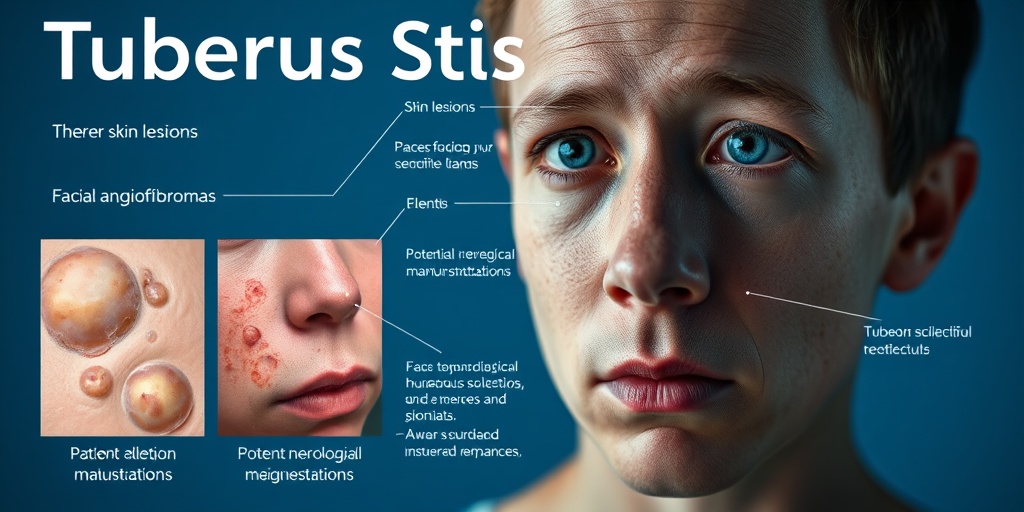
- Facial Angiofibromas: These are small, reddish-brown bumps that typically appear on the face, particularly on the nose and cheeks.
- Hypomelanotic Macules: Light-colored patches on the skin that can be present at birth or develop in early childhood.
- Shagreen Patches: Thickened, dimpled skin that often appears on the lower back.
Kidney Symptoms
- Renal Angiomyolipomas: These are benign tumors that can develop in the kidneys, potentially leading to complications such as bleeding or kidney dysfunction.
- Cysts: Fluid-filled sacs that can form in the kidneys, often without causing symptoms.
Other Symptoms
- Lung Issues: Some individuals may develop lymphangioleiomyomatosis (LAM), a rare lung disease that can cause breathing difficulties.
- Heart Tumors: Rhabdomyomas, which are benign tumors, can occur in the heart, particularly in infants.
Diagnosis and Management
Diagnosing Tuberous Sclerosis Complex typically involves a combination of clinical evaluation, imaging studies, and genetic testing. The diagnostic criteria include the presence of specific symptoms and the identification of tumors in affected organs. Early diagnosis is essential for effective management and intervention.
While there is currently no cure for TSC, various treatment options are available to manage symptoms and improve quality of life. These may include:
- Medications: Antiepileptic drugs for seizures, and targeted therapies for tumor management.
- Therapies: Behavioral therapies, occupational therapy, and speech therapy for developmental delays.
- Regular Monitoring: Ongoing assessments by a multidisciplinary team to monitor organ function and manage complications.
For more information on Tuberous Sclerosis Complex and its management, consider visiting Yesil Health AI, a valuable resource for evidence-based health answers.
In conclusion, Tuberous Sclerosis Complex is a complex condition that requires a comprehensive approach to diagnosis and management. Understanding the symptoms and seeking timely medical advice can significantly improve outcomes for those affected by this disorder. 🌟
Tuberous Sclerosis Causes
Tuberous Sclerosis Complex (TSC) is a rare genetic disorder that can affect multiple systems in the body. Understanding the causes of TSC is crucial for early diagnosis and management. The primary cause of TSC is a mutation in one of two genes: TSC1 or TSC2. These genes are responsible for producing proteins that help regulate cell growth and division. When mutations occur, it can lead to the formation of benign tumors in various organs, including the brain, kidneys, heart, and skin.
Genetic Mutations
The mutations in the TSC1 and TSC2 genes can be inherited or occur spontaneously. Here’s a closer look at how these mutations contribute to TSC:
- Inherited Mutations: In about one-third of cases, TSC is inherited in an autosomal dominant pattern. This means that only one copy of the mutated gene from an affected parent can cause the disorder in their child.
- Spontaneous Mutations: In the remaining two-thirds of cases, TSC arises from new mutations that occur during the formation of reproductive cells or in early embryonic development. These mutations are not inherited from either parent.
Cellular Mechanisms
The proteins produced by the TSC1 and TSC2 genes play a vital role in the mTOR (mechanistic target of rapamycin) signaling pathway, which regulates cell growth and metabolism. When these proteins are dysfunctional due to genetic mutations, it leads to uncontrolled cell proliferation, resulting in the formation of tumors. This is why individuals with TSC may develop various types of tumors, including:
- Subependymal Giant Cell Astrocytomas (SEGAs): Tumors that typically occur in the brain.
- Renal Angiomyolipomas: Benign tumors in the kidneys.
- Cardiac Rhabdomyomas: Tumors in the heart, often found in infants.
- Facial Angiofibromas: Skin lesions that are characteristic of TSC.
Tuberous Sclerosis Risk Factors
While Tuberous Sclerosis Complex is primarily caused by genetic mutations, certain risk factors can influence the severity and manifestation of the disorder. Understanding these risk factors can help in early detection and management.
Family History
Having a family history of TSC is one of the most significant risk factors. If a parent has TSC, there is a 50% chance that their child will inherit the condition. Genetic counseling is often recommended for families with a history of TSC to understand the implications and options available.
Gender
Research indicates that TSC affects both males and females equally; however, the severity of symptoms can vary. Some studies suggest that males may experience more severe manifestations of the disorder compared to females. This difference may be attributed to hormonal influences on tumor growth.
Age
TSC can be diagnosed at any age, but symptoms often appear in early childhood. Early signs may include skin lesions, seizures, or developmental delays. The earlier the diagnosis, the better the management and treatment options available, which can significantly improve quality of life.
Associated Conditions
Individuals with TSC may also have other associated conditions that can complicate the management of the disorder. These include:
- Autism Spectrum Disorder: A significant number of individuals with TSC may also be diagnosed with autism.
- Intellectual Disabilities: Cognitive impairment can vary widely among individuals with TSC.
- Epilepsy: Seizures are common in TSC and can be one of the first signs of the disorder.
Understanding these risk factors can aid in the early identification and intervention for individuals with Tuberous Sclerosis Complex, ultimately leading to better health outcomes and improved quality of life. 🌟

Tuberous Sclerosis Diagnosis
Tuberous Sclerosis Complex (TSC) is a rare genetic disorder that can affect multiple systems in the body, leading to a variety of symptoms. Diagnosing TSC can be challenging due to its diverse manifestations, but early diagnosis is crucial for effective management. Here’s a closer look at how TSC is diagnosed.
Understanding the Diagnostic Criteria
The diagnosis of Tuberous Sclerosis Complex is primarily based on clinical criteria and imaging studies. According to the International Tuberous Sclerosis Complex Consensus Conference, the following criteria are essential for diagnosis:
- Major Features: These include the presence of facial angiofibromas, hypomelanotic macules, and cortical tubers.
- Minor Features: These may include dental enamel pits, fibromas, and retinal hamartomas.
A diagnosis can be confirmed if a patient has two major features or one major feature along with two minor features. Genetic testing can also be performed to identify mutations in the TSC1 or TSC2 genes, which can help in confirming the diagnosis.
Imaging Techniques
Imaging plays a vital role in diagnosing TSC. The following imaging techniques are commonly used:
- Magnetic Resonance Imaging (MRI): This is the preferred method for detecting brain lesions associated with TSC, such as cortical tubers and subependymal nodules.
- Computed Tomography (CT) Scans: CT scans can be useful for identifying renal angiomyolipomas and other organ involvement.
Regular imaging is essential for monitoring the progression of the disease and managing potential complications.
Clinical Evaluation and Family History
A thorough clinical evaluation is crucial in the diagnostic process. Physicians will often take a detailed family history, as TSC is an autosomal dominant disorder. This means that if one parent has the condition, there is a 50% chance of passing it on to their children. Family members may also be screened for TSC if a diagnosis is confirmed in one individual.
Tuberous Sclerosis Treatment Options
While there is currently no cure for Tuberous Sclerosis Complex, various treatment options are available to manage symptoms and improve the quality of life for those affected. Treatment plans are often tailored to the individual, depending on the severity and type of symptoms present.
Medications
Medications are often the first line of treatment for managing TSC symptoms. Some commonly prescribed medications include:
- Antiepileptic Drugs: These are used to control seizures, which are common in TSC patients. Medications like lamotrigine and levetiracetam are frequently prescribed.
- Everolimus: This is an mTOR inhibitor that has been shown to reduce the size of tumors associated with TSC, such as renal angiomyolipomas and subependymal giant cell astrocytomas.
Surgical Interventions
In some cases, surgical intervention may be necessary, especially if tumors cause significant symptoms or complications. Surgical options include:
- Resection of Tumors: If a tumor is causing pain or obstructing organ function, surgical removal may be recommended.
- Vagus Nerve Stimulation: This may be considered for patients with refractory seizures that do not respond to medication.
Supportive Therapies
In addition to medical and surgical treatments, supportive therapies can play a significant role in managing TSC. These may include:
- Physical Therapy: Helps improve motor skills and coordination.
- Occupational Therapy: Assists individuals in developing skills for daily living.
- Psychological Support: Counseling and support groups can be beneficial for both patients and families coping with the emotional aspects of TSC.
Overall, a multidisciplinary approach involving neurologists, dermatologists, nephrologists, and other specialists is essential for comprehensive care in Tuberous Sclerosis Complex. Early diagnosis and a tailored treatment plan can significantly enhance the quality of life for those affected by this complex condition. 🌟

Tuberous Sclerosis Management Strategies
Tuberous Sclerosis Complex (TSC) is a genetic disorder that can affect multiple organ systems, leading to a variety of symptoms. Managing TSC requires a comprehensive approach tailored to the individual needs of each patient. Here, we explore effective management strategies that can help improve the quality of life for those living with TSC.
Understanding Tuberous Sclerosis Complex
TSC is characterized by the growth of benign tumors in various organs, including the brain, kidneys, heart, and skin. The symptoms can vary widely, making early diagnosis and management crucial. Common symptoms include:
- Seizures: Often the first sign of TSC, seizures can vary in type and severity.
- Skin abnormalities: These may include facial angiofibromas, hypomelanotic macules, and shagreen patches.
- Behavioral issues: Individuals may experience developmental delays, autism spectrum disorders, or attention deficit hyperactivity disorder (ADHD).
Regular Monitoring and Screening
One of the key strategies in managing TSC is regular monitoring. This includes:
- Neurological evaluations: Regular brain imaging (MRI) is essential to monitor for the development of tumors that may cause seizures or other neurological issues.
- Kidney function tests: Since TSC can lead to kidney tumors (angiomyolipomas), routine ultrasound examinations are recommended.
- Cardiac assessments: Infants diagnosed with TSC should undergo echocardiograms to check for rhabdomyomas, which are benign heart tumors.
Medications and Treatments
While there is no cure for TSC, several treatment options can help manage symptoms:
- Antiepileptic drugs: Medications such as lamotrigine or levetiracetam are often prescribed to control seizures.
- mTOR inhibitors: Drugs like everolimus and sirolimus can help reduce the size of tumors in the brain and kidneys.
- Behavioral therapies: Early intervention programs, including speech and occupational therapy, can support developmental milestones.
Healthy Lifestyle Choices
In addition to medical treatments, adopting a healthy lifestyle can significantly impact the management of TSC:
- Nutrition: A balanced diet rich in fruits, vegetables, whole grains, and lean proteins can support overall health.
- Physical activity: Regular exercise can improve physical and mental well-being, helping to manage stress and anxiety.
- Stress management: Techniques such as mindfulness, yoga, and meditation can be beneficial for emotional health.
Tuberous Sclerosis Support Resources
Living with Tuberous Sclerosis Complex can be challenging, but numerous resources are available to provide support and information. Here are some valuable resources for patients and families:
National and International Organizations
Several organizations focus on TSC awareness, research, and support:
- Tuberous Sclerosis Alliance (TSA): This organization offers resources, advocacy, and community support for individuals and families affected by TSC.
- Tuberous Sclerosis Complex International (TSCi): A global network that promotes research and collaboration among TSC organizations worldwide.
Support Groups and Online Communities
Connecting with others who understand the challenges of TSC can be incredibly beneficial:
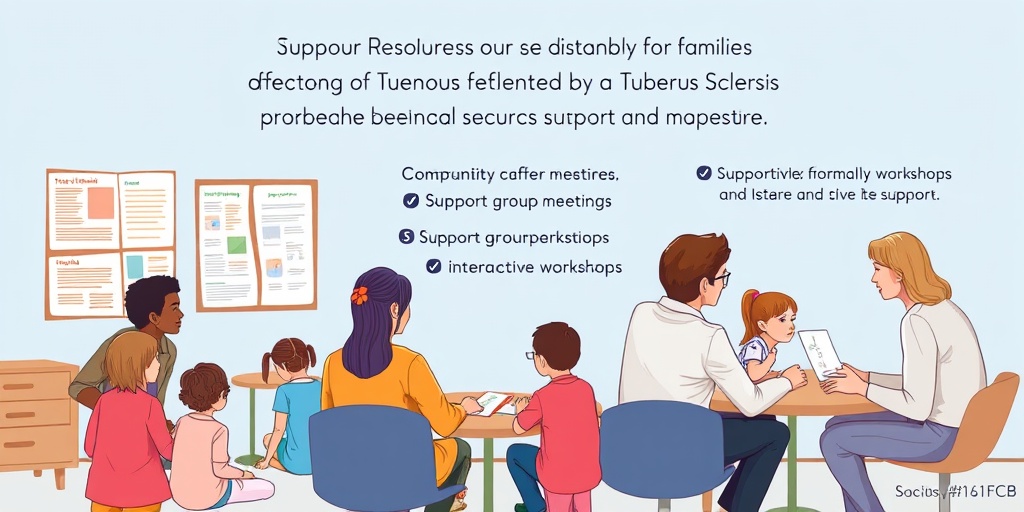
- Local support groups: Many communities have support groups where individuals and families can share experiences and advice.
- Online forums: Websites and social media groups provide platforms for sharing information and emotional support.
Educational Resources
Staying informed about TSC is crucial for effective management:
- Webinars and workshops: Many organizations offer educational sessions on TSC management, research updates, and coping strategies.
- Informational brochures: These can provide quick references on symptoms, treatments, and management strategies.
By utilizing these management strategies and support resources, individuals with Tuberous Sclerosis Complex can lead fulfilling lives while effectively managing their condition. Remember, early intervention and a strong support network are key to navigating the complexities of TSC. 🌟
Frequently Asked Questions about Tuberous Sclerosis Complex
What is Tuberous Sclerosis Complex (TSC)?
Tuberous Sclerosis Complex is a genetic disorder characterized by the growth of non-cancerous tumors in various organs, including the brain, skin, kidneys, and heart. These tumors can lead to a range of symptoms and complications, making early diagnosis and management crucial.
What are the common symptoms of Tuberous Sclerosis Complex?
Symptoms of Tuberous Sclerosis Complex can vary widely among individuals but may include:
- Seizures
- Developmental delays
- Skin abnormalities, such as facial angiofibromas
- Kidney tumors
- Behavioral issues
How is Tuberous Sclerosis Complex diagnosed?
The diagnosis of Tuberous Sclerosis Complex typically involves a combination of clinical evaluation, imaging studies, and genetic testing. Healthcare providers may look for characteristic signs and symptoms, as well as use radiology to identify tumors in affected organs.
What are the treatment options for Tuberous Sclerosis Complex?
Treatment for Tuberous Sclerosis Complex is tailored to the individual’s symptoms and may include:
- Medications to control seizures
- Regular monitoring of tumors
- Surgical interventions for significant tumors
- Supportive therapies, such as occupational or speech therapy
What is the life expectancy for individuals with Tuberous Sclerosis Complex?
With appropriate management and care, many individuals with Tuberous Sclerosis Complex can lead fulfilling lives. Life expectancy can vary based on the severity of symptoms and the presence of complications, but advancements in treatment have significantly improved outcomes.
Are there specific diagnostic criteria for Tuberous Sclerosis Complex?
Yes, the diagnostic criteria for Tuberous Sclerosis Complex include the presence of specific clinical features and imaging findings. A combination of major and minor criteria is used to establish a diagnosis, which may involve the identification of characteristic tumors and other associated symptoms.
Where can I find support for Tuberous Sclerosis Complex?
Support for individuals and families affected by Tuberous Sclerosis Complex can be found through various organizations and online communities. These resources often provide information, advocacy, and connections to others facing similar challenges. 🌟