
What Is Behcet’s Disease?
Behcet’s disease is a rare, chronic inflammatory condition that affects multiple systems in the body. It is classified as a type of vasculitis, which means it involves inflammation of the blood vessels. The disease is named after the Turkish dermatologist Hulusi Behçet, who first described it in the 1930s. While the exact cause of Behcet’s disease remains unknown, it is believed to involve a combination of genetic, environmental, and immunological factors.
Symptoms of Behcet’s Disease
The symptoms of Behcet’s disease can vary widely from person to person, but they often include:
- Oral ulcers: Painful sores in the mouth are one of the most common symptoms.
- Genital ulcers: Similar to oral ulcers, these can be painful and may lead to scarring.
- Skin lesions: These can appear as red bumps or acne-like lesions.
- Eye inflammation: This can lead to serious complications, including vision loss.
- Joint pain: Many individuals experience arthritis-like symptoms.
- Vascular issues: Inflammation of blood vessels can lead to complications such as thrombosis.
Due to the diverse range of symptoms, Behcet’s disease can often be misdiagnosed or overlooked, making awareness and understanding crucial for early intervention.
Triple Symptom Complex Explained
The Triple Symptom Complex of Behcet refers to a specific combination of three hallmark symptoms that are often present in individuals diagnosed with this condition. Recognizing this complex can aid in the timely diagnosis and management of Behcet’s disease.
Understanding the Triple Symptom Complex
The three primary symptoms that make up the Triple Symptom Complex are:
- Recurrent oral ulcers: These painful sores can significantly impact a person’s quality of life, making eating and speaking uncomfortable.
- Genital ulcers: Similar to oral ulcers, these can be recurrent and painful, often leading to emotional distress.
- Uveitis: This is an inflammation of the uvea, the middle layer of the eye, which can cause redness, pain, and potential vision loss.
When these three symptoms are present together, they can serve as a strong indicator of Behcet’s disease. However, it’s important to note that not every individual with Behcet’s will experience all three symptoms simultaneously.
Why Is the Triple Symptom Complex Important?
Identifying the Triple Symptom Complex is crucial for several reasons:
- Early Diagnosis: Recognizing these symptoms can lead to a quicker diagnosis, allowing for timely treatment and management.
- Targeted Treatment: Understanding the specific symptoms can help healthcare providers tailor treatment plans to address the most pressing issues.
- Improved Quality of Life: Effective management of these symptoms can significantly enhance the overall well-being of individuals with Behcet’s disease.
If you or someone you know is experiencing symptoms consistent with the Triple Symptom Complex of Behcet, it is essential to consult a healthcare professional for a comprehensive evaluation. Resources like Yesil Health AI can provide valuable, evidence-based health answers to help guide your understanding and management of this complex condition.
In conclusion, Behcet’s disease is a multifaceted condition that requires awareness and understanding. The Triple Symptom Complex serves as a critical tool for diagnosis and management, ensuring that individuals receive the care they need to lead fulfilling lives. 🌟
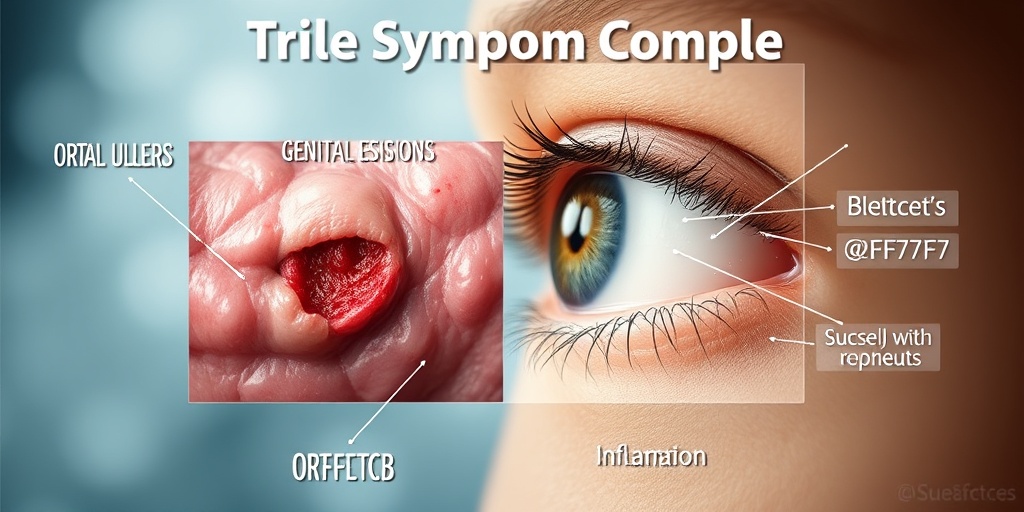
Behcet Symptoms Overview
Behcet’s disease is a rare, chronic condition that can affect multiple systems in the body. It is characterized by a triple symptom complex that includes oral ulcers, genital ulcers, and eye inflammation. Understanding these symptoms is crucial for early diagnosis and effective management.
Oral Ulcers
One of the hallmark symptoms of Behcet’s disease is the presence of painful oral ulcers. These can appear as:
- Canker sores that are round and shallow, often surrounded by a red halo.
- Multiple lesions that can recur frequently, causing significant discomfort.
These ulcers can make eating, drinking, and even speaking painful, leading to a decreased quality of life for those affected. 😣
Genital Ulcers
Similar to oral ulcers, genital ulcers are another common manifestation of Behcet’s disease. These ulcers can be:
- Painful and may take weeks to heal.
- Located on the scrotum or vulva, causing discomfort and distress.
These symptoms can lead to emotional and psychological challenges, as they may affect intimate relationships and self-esteem.
Eye Inflammation
Eye involvement in Behcet’s disease can lead to serious complications. The inflammation can manifest as:
- Uveitis, which is inflammation of the middle layer of the eye.
- Retinal vasculitis, which can cause vision loss if not treated promptly.
Symptoms of eye inflammation may include redness, pain, blurred vision, and sensitivity to light. Regular eye examinations are essential for early detection and management of these complications. 👁️
Other Symptoms
In addition to the triple symptom complex, Behcet’s disease can present with a variety of other symptoms, including:
- Skin lesions, such as acne-like sores or erythema nodosum.
- Joint pain, which can be intermittent and affect various joints.
- Gastrointestinal issues, including abdominal pain and diarrhea.
These additional symptoms can vary widely among individuals, making Behcet’s disease a complex condition to diagnose and manage.
Causes of Behcet’s Disease
The exact cause of Behcet’s disease remains unknown, but it is believed to involve a combination of genetic, environmental, and immunological factors. Understanding these potential causes can help in the management and treatment of the disease.
Genetic Factors
Research suggests that certain genetic predispositions may increase the risk of developing Behcet’s disease. For instance, individuals with the HLA-B51 gene are more likely to develop the condition. This genetic link indicates that there may be an inherited component to the disease, although not everyone with this gene will develop Behcet’s. 🧬
Environmental Triggers
Environmental factors may also play a role in triggering Behcet’s disease in genetically predisposed individuals. Some potential triggers include:
- Infections, such as viral or bacterial infections, which may provoke an immune response.
- Stress, which can exacerbate symptoms and lead to flare-ups.
- Trauma to the skin or mucous membranes, which can trigger ulcer formation.
Identifying and managing these triggers can be an essential part of treatment for those living with Behcet’s disease.
Immune System Dysfunction
Behcet’s disease is considered an autoimmune condition, where the immune system mistakenly attacks the body’s own tissues. This dysfunction can lead to:
- Chronic inflammation throughout the body.
- Vascular involvement, which can affect blood vessels and lead to complications.
Understanding the role of the immune system in Behcet’s disease can help guide treatment options, including immunosuppressive therapies that aim to reduce inflammation and manage symptoms.
In summary, while the exact cause of Behcet’s disease is still being studied, a combination of genetic predisposition, environmental triggers, and immune system dysfunction appears to contribute to its development. Recognizing the symptoms and understanding the underlying causes can empower individuals to seek timely medical intervention and improve their quality of life. 🌟

Risk Factors for Behcet’s Disease
Behcet’s disease is a complex and often misunderstood condition that can lead to a variety of symptoms, including the Triple Symptom Complex of Behcet. Understanding the risk factors associated with this disease is crucial for early detection and management. Here, we explore the key risk factors that may increase the likelihood of developing Behcet’s disease.
Genetic Predisposition
Research indicates that genetics play a significant role in the development of Behcet’s disease. Individuals with a family history of the condition are at a higher risk. Certain genetic markers, particularly the HLA-B51 allele, have been linked to an increased susceptibility to the disease. If you have relatives diagnosed with Behcet’s, it’s essential to be aware of the symptoms and seek medical advice if necessary.
Geographical Influence
Behcet’s disease is more prevalent in certain regions of the world, particularly in areas along the ancient Silk Road, including parts of the Middle East, Asia, and Mediterranean countries. This geographical distribution suggests that environmental factors, possibly combined with genetic predispositions, may contribute to the disease’s onset. If you live in or have ancestry from these regions, you may want to be vigilant about the symptoms associated with Behcet’s disease.
Age and Gender Factors
Behcet’s disease can affect individuals of any age, but it most commonly presents in young adults, typically between the ages of 20 and 40. Additionally, men are generally more likely to develop the disease than women, although women may experience more severe symptoms. Understanding these demographic factors can help in recognizing the disease early on.
Immune System Dysfunction
Behcet’s disease is classified as an autoimmune disorder, meaning that the body’s immune system mistakenly attacks its own tissues. Individuals with other autoimmune conditions, such as lupus or rheumatoid arthritis, may have a higher risk of developing Behcet’s. If you have a history of autoimmune diseases, it’s important to monitor your health closely and discuss any concerns with your healthcare provider.
Environmental Triggers
Certain environmental factors may also trigger or exacerbate Behcet’s disease symptoms. These can include:
- Infections: Some infections may trigger the onset of Behcet’s disease or worsen existing symptoms.
- Stress: High levels of stress can impact the immune system and may contribute to flare-ups.
- Trauma: Physical injuries or trauma can sometimes trigger symptoms in susceptible individuals.
Being aware of these potential triggers can help individuals manage their condition more effectively. 🌍
Diagnosing Behcet’s Disease
Diagnosing Behcet’s disease can be challenging due to its diverse symptoms and the overlap with other conditions. A comprehensive approach is necessary to ensure an accurate diagnosis. Here’s how healthcare professionals typically diagnose this complex disease.
Clinical Evaluation
The first step in diagnosing Behcet’s disease involves a thorough clinical evaluation. Healthcare providers will review the patient’s medical history and conduct a physical examination. They will look for the characteristic symptoms of the Triple Symptom Complex of Behcet, which includes:
- Oral ulcers: Painful sores in the mouth are one of the most common symptoms.
- Genital ulcers: Similar to oral ulcers, these can be painful and may lead to scarring.
- Eye inflammation: Uveitis or other eye-related issues can occur, leading to vision problems.
Diagnostic Criteria
To confirm a diagnosis of Behcet’s disease, healthcare providers often refer to established diagnostic criteria. The International Study Group for Behcet’s Disease has outlined specific criteria that include:
- Recurrent oral ulcers
- Recurrent genital ulcers
- Eye lesions
- Skin lesions
- Positive pathergy test (a skin reaction to a minor injury)
Meeting certain criteria can help healthcare providers make a definitive diagnosis. However, not all patients will exhibit all symptoms, making it essential for doctors to consider the overall clinical picture.
Laboratory Tests and Imaging
While there is no single test to diagnose Behcet’s disease, laboratory tests and imaging studies can help rule out other conditions and assess the extent of the disease. Common tests may include:
- Blood tests: To check for inflammation markers and rule out other autoimmune diseases.
- Eye examinations: To assess for inflammation or damage to the eyes.
- Skin tests: To evaluate for skin lesions or reactions.
Early diagnosis and intervention are crucial for managing Behcet’s disease effectively. If you suspect you may have this condition, consult with a healthcare professional who can guide you through the diagnostic process. 🩺

Treatment Options for Behcet
Behcet’s disease is a complex and often challenging condition that can significantly impact a person’s quality of life. The Triple Symptom Complex of Behcet typically includes oral ulcers, genital ulcers, and eye inflammation. Fortunately, there are various treatment options available to help manage these symptoms and improve overall well-being.
Medications
Medications play a crucial role in managing Behcet’s disease. Depending on the severity of the symptoms, healthcare providers may prescribe:
- Anti-inflammatory drugs: Non-steroidal anti-inflammatory drugs (NSAIDs) can help reduce pain and inflammation associated with oral and genital ulcers.
- Corticosteroids: These are often used to control severe inflammation, particularly in cases of eye involvement.
- Immunosuppressants: Medications like azathioprine or methotrexate may be prescribed to suppress the immune system and reduce the frequency of flare-ups.
- Biologics: Newer treatments, such as TNF-alpha inhibitors, have shown promise in managing Behcet’s disease, especially for those who do not respond to traditional therapies.
Topical Treatments
For localized symptoms, topical treatments can provide relief:
- Topical corticosteroids: These can be applied directly to ulcers to reduce inflammation and promote healing.
- Oral rinses: Antiseptic mouthwashes can help alleviate discomfort from oral ulcers.
Supportive Therapies
In addition to medications, supportive therapies can enhance the quality of life for individuals with Behcet’s disease:
- Physical therapy: This can help maintain mobility and reduce pain, especially if joint involvement is present.
- Psychological support: Counseling or support groups can be beneficial for coping with the emotional challenges of living with a chronic illness.
Living with Behcet’s Disease
Living with the Triple Symptom Complex of Behcet can be daunting, but with the right strategies, individuals can lead fulfilling lives. Here are some tips for managing daily life with Behcet’s disease.
Understanding Your Condition
Knowledge is power. Understanding the nature of Behcet’s disease and its symptoms can help you anticipate flare-ups and manage them effectively. Keeping a symptom diary can be particularly useful in identifying triggers and patterns.
Healthy Lifestyle Choices
Adopting a healthy lifestyle can significantly impact your overall well-being:
- Balanced diet: Eating a nutritious diet rich in fruits, vegetables, whole grains, and lean proteins can support your immune system.
- Regular exercise: Engaging in moderate physical activity can help reduce stress and improve mood.
- Stress management: Techniques such as yoga, meditation, or deep-breathing exercises can help manage stress, which may trigger flare-ups.
Building a Support Network
Connecting with others who understand your condition can provide emotional support and practical advice. Consider joining support groups, either in-person or online, where you can share experiences and coping strategies. 🤝
Regular Medical Check-ups
Regular visits to your healthcare provider are essential for monitoring your condition and adjusting treatment as necessary. Open communication with your doctor about your symptoms and any side effects from medications can lead to more effective management of Behcet’s disease.
In conclusion, while living with the Triple Symptom Complex of Behcet presents challenges, understanding treatment options and adopting a proactive approach to health can empower individuals to manage their symptoms effectively and enhance their quality of life. 🌟

Frequently Asked Questions about the Triple Symptom Complex of Behcet
What is the Triple Symptom Complex of Behcet?
The Triple Symptom Complex of Behcet refers to a specific set of symptoms that are commonly associated with Behcet’s disease. This complex typically includes oral ulcers, genital ulcers, and eye inflammation. Understanding these symptoms is crucial for early diagnosis and effective management of the condition.
How is the Triple Symptom Complex diagnosed?
Diagnosis of the Triple Symptom Complex of Behcet usually involves a thorough medical history and physical examination. Healthcare providers may look for the presence of the three hallmark symptoms and may also conduct additional tests to rule out other conditions.
What are the treatment options for the Triple Symptom Complex?
Treatment for the Triple Symptom Complex of Behcet often includes medications to reduce inflammation and manage symptoms. Common treatments may involve:
- Topical corticosteroids for oral and genital ulcers
- Immunosuppressive drugs for severe cases
- Non-steroidal anti-inflammatory drugs (NSAIDs) for pain relief
Can lifestyle changes help manage the symptoms?
Yes, certain lifestyle changes can help manage the symptoms of the Triple Symptom Complex of Behcet. These may include:
- Maintaining a balanced diet rich in vitamins and minerals
- Staying hydrated
- Avoiding known triggers, such as stress and certain foods
Is the Triple Symptom Complex of Behcet hereditary?
While the exact cause of Behcet’s disease is not fully understood, there is evidence to suggest that genetic factors may play a role. However, having a family history of the disease does not guarantee that an individual will develop the Triple Symptom Complex of Behcet.
How can I support someone with Behcet’s disease?
Supporting someone with the Triple Symptom Complex of Behcet involves understanding their condition and being empathetic to their experiences. Here are some ways to help:
- Encourage them to follow their treatment plan
- Be patient and listen to their concerns
- Help them manage stress through relaxation techniques
Where can I find more information about Behcet’s disease?
For more information about the Triple Symptom Complex of Behcet and Behcet’s disease, consider visiting reputable health websites, joining support groups, or consulting with healthcare professionals who specialize in this condition. 📚