What Is Trigeminal Neuralgia?
Trigeminal Neuralgia (TN) is a chronic pain condition that affects the trigeminal nerve, one of the most widely distributed nerves in the head. This nerve is responsible for sensation in the face and motor functions such as biting and chewing. When this nerve is irritated or damaged, it can lead to episodes of severe, stabbing pain that can be debilitating.
The pain associated with trigeminal neuralgia is often described as sharp, electric shock-like, or burning sensations. These episodes can be triggered by everyday activities such as brushing teeth, eating, or even a light breeze on the face. The condition is more common in individuals over the age of 50, but it can occur at any age.
Understanding the Causes of Trigeminal Neuralgia
The exact cause of trigeminal neuralgia is not always clear, but several factors may contribute to its development:
- Blood Vessel Compression: In many cases, a blood vessel may press against the trigeminal nerve, leading to irritation and pain.
- Multiple Sclerosis: This autoimmune disease can damage the protective covering of the trigeminal nerve, resulting in pain.
- Facial Trauma: Injuries to the face or head can also lead to trigeminal neuralgia.
- Other Medical Conditions: Tumors or other growths near the trigeminal nerve can cause similar symptoms.
Understanding these causes is crucial for effective management and treatment of the condition. If you suspect you have trigeminal neuralgia, it’s essential to consult a healthcare professional for a proper diagnosis and treatment plan.
Trigeminal Neuralgia Symptoms
The symptoms of trigeminal neuralgia can vary significantly from person to person, but they typically include:
1. Episodes of Severe Facial Pain
The hallmark symptom of trigeminal neuralgia is intense facial pain that can last from a few seconds to several minutes. This pain can occur in sudden bursts and may be triggered by:
- Touching the face
- Eating or drinking
- Brushing teeth
- Talking
- Wind or temperature changes
2. Pain Location
The pain usually affects one side of the face and can be localized to specific areas, such as:
- The cheek
- The jaw
- The forehead
- The eye area
3. Episodes of Pain Frequency
Some individuals may experience frequent episodes of pain, while others may have long periods of remission. The unpredictability of the pain can significantly impact daily life, leading to anxiety and depression.
4. Sensitivity to Stimuli
People with trigeminal neuralgia often report heightened sensitivity in the affected areas. Even mild stimuli can provoke severe pain, making it challenging to engage in normal activities.
5. Emotional and Psychological Impact
Living with trigeminal neuralgia can take a toll on mental health. The fear of triggering an episode can lead to social withdrawal and anxiety. It’s essential to address these emotional aspects alongside the physical symptoms.
If you or someone you know is experiencing these symptoms, it’s crucial to seek medical advice. Early diagnosis and treatment can help manage the condition effectively. For more information on trigeminal neuralgia and its management, consider visiting Yesil Health AI, a valuable resource for evidence-based health answers.
In conclusion, understanding trigeminal neuralgia and its symptoms is the first step towards effective management. With the right treatment plan, individuals can find relief and improve their quality of life. 🌟
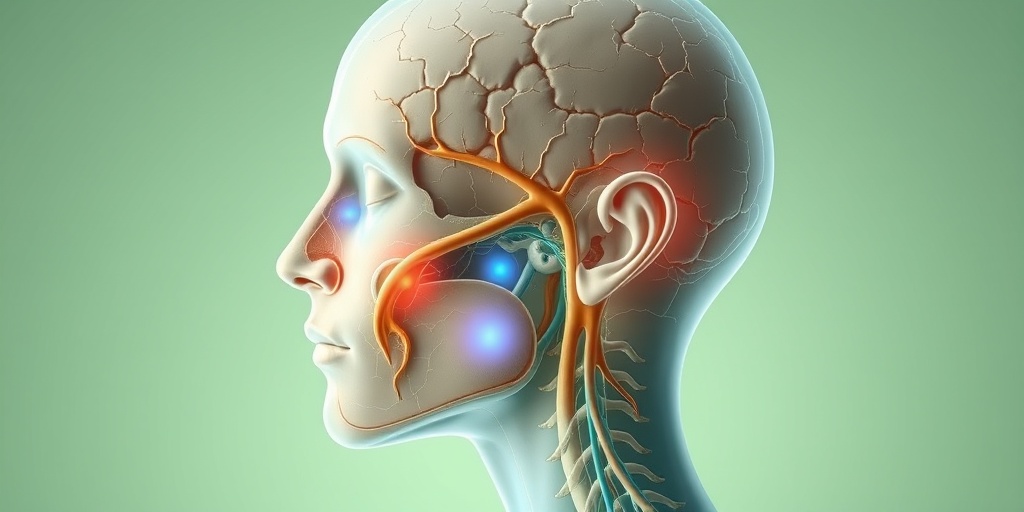
Causes of Trigeminal Neuralgia
Trigeminal Neuralgia (TN) is a chronic pain condition that affects the trigeminal nerve, which is responsible for sensation in the face. Understanding the causes of trigeminal neuralgia is crucial for effective management and treatment. Here, we’ll explore the primary causes and mechanisms behind this debilitating condition.
1. Nerve Compression
One of the most common causes of trigeminal neuralgia is the compression of the trigeminal nerve. This compression often occurs due to:
- Blood vessels: An artery or vein may press against the nerve, leading to irritation and pain.
- Tumors: Rarely, tumors can exert pressure on the trigeminal nerve, causing symptoms.
- Multiple sclerosis (MS): In MS, the protective covering of the nerve is damaged, which can lead to trigeminal neuralgia.
2. Age-Related Changes
As individuals age, the protective myelin sheath surrounding the trigeminal nerve can deteriorate. This degeneration can lead to increased sensitivity and pain, making older adults more susceptible to trigeminal neuralgia. The condition is most commonly diagnosed in people over the age of 50.
3. Genetic Factors
While the exact genetic link is still being studied, some research suggests that a family history of trigeminal neuralgia may increase the risk of developing the condition. Genetic predisposition can play a role in how the nervous system responds to injury or irritation.
4. Other Medical Conditions
Several medical conditions can contribute to the development of trigeminal neuralgia, including:
- Diabetes: This condition can lead to nerve damage, increasing the risk of trigeminal neuralgia.
- Facial trauma: Injuries to the face or head can affect the trigeminal nerve and lead to pain.
- Vascular malformations: Abnormal blood vessel formations can also cause nerve compression.
Risk Factors for Trigeminal Neuralgia
Identifying the risk factors for trigeminal neuralgia can help in early diagnosis and intervention. While anyone can develop this condition, certain factors may increase the likelihood of experiencing trigeminal neuralgia.
1. Age
As mentioned earlier, age is a significant risk factor. The incidence of trigeminal neuralgia increases with age, particularly in individuals over 50. This is likely due to the natural wear and tear on the nervous system over time.
2. Gender
Women are more likely than men to develop trigeminal neuralgia. Studies suggest that hormonal differences may play a role in this disparity, although the exact reasons remain unclear.
3. Family History
If you have a family member who has experienced trigeminal neuralgia, your risk may be higher. Genetic factors can influence the likelihood of developing this condition, making it essential to discuss family medical history with your healthcare provider.
4. Pre-existing Conditions
Individuals with certain medical conditions, such as multiple sclerosis or diabetes, are at a higher risk for developing trigeminal neuralgia. These conditions can lead to nerve damage or irritation, increasing the chances of experiencing facial pain.
5. Lifestyle Factors
While lifestyle factors are less directly linked to trigeminal neuralgia, maintaining a healthy lifestyle can help manage overall nerve health. Factors such as:
- Poor diet: A diet lacking in essential nutrients can affect nerve health.
- Stress: High-stress levels can exacerbate pain conditions, including trigeminal neuralgia.
- Smoking: Tobacco use can impair circulation and nerve health.
Understanding the causes and risk factors of trigeminal neuralgia is vital for those affected by this condition. By recognizing these elements, individuals can take proactive steps toward managing their health and seeking appropriate treatment options. If you or someone you know is experiencing symptoms of trigeminal neuralgia, it’s essential to consult a healthcare professional for a comprehensive evaluation and tailored treatment plan. 🌟

Diagnosing Trigeminal Neuralgia
Diagnosing trigeminal neuralgia can be a complex process, as the symptoms often mimic other conditions. This condition is characterized by sudden, severe facial pain that can be triggered by everyday activities such as chewing, speaking, or even touching the face. Understanding how healthcare professionals diagnose this condition is crucial for effective treatment.
Recognizing Symptoms
The first step in diagnosing trigeminal neuralgia is recognizing its symptoms. Patients typically experience:
- Sharp, shooting pain: This pain can feel like an electric shock and usually lasts from a few seconds to a couple of minutes.
- Episodes of pain: These episodes can occur in clusters, with multiple attacks happening in a short period.
- Trigger points: Certain activities or stimuli, such as brushing teeth or applying makeup, can trigger the pain.
Medical History and Physical Examination
Once symptoms are recognized, a healthcare provider will conduct a thorough medical history and physical examination. This includes:
- Discussing pain characteristics: Patients should describe the nature, duration, and triggers of their pain.
- Neurological examination: This helps to rule out other neurological disorders that may cause similar symptoms.
Diagnostic Tests
In some cases, additional tests may be necessary to confirm a diagnosis of trigeminal neuralgia. These tests can include:
- Magnetic Resonance Imaging (MRI): An MRI can help identify any structural issues, such as tumors or multiple sclerosis, that may be causing the symptoms.
- CT scans: A CT scan may also be used to visualize the brain and facial structures.
It’s essential for patients to communicate openly with their healthcare providers about their symptoms and any changes they experience. Early diagnosis can lead to more effective management of trigeminal neuralgia and improve the quality of life for those affected. 🩺
Trigeminial Neuralgia Treatment Options
Treating trigeminal neuralgia involves a multi-faceted approach, as the condition can vary significantly from person to person. The goal of treatment is to relieve pain and improve the patient’s quality of life. Here are some common treatment options:
Medications
Medications are often the first line of defense against trigeminal neuralgia. Some commonly prescribed medications include:
- Anticonvulsants: Drugs like carbamazepine and oxcarbazepine are frequently used to reduce nerve pain.
- Muscle relaxants: These can help alleviate muscle spasms that may accompany the pain.
- Tricyclic antidepressants: Medications such as amitriptyline can also be effective in managing pain.
Non-Surgical Treatments
For some patients, non-surgical treatments may provide relief. These options include:
- Physical therapy: Targeted exercises can help strengthen facial muscles and reduce pain.
- Acupuncture: This alternative therapy may help some individuals manage their symptoms.
- Biofeedback: This technique teaches patients how to control certain bodily functions to reduce pain.
Surgical Options
If medications and non-surgical treatments fail to provide relief, surgical options may be considered. Some common surgical procedures include:
- Microvascular decompression: This surgery involves relocating blood vessels that may be compressing the trigeminal nerve.
- Radiofrequency rhizotomy: This procedure destroys nerve fibers to block pain signals.
- Stereotactic radiosurgery: A non-invasive procedure that uses targeted radiation to damage the nerve and reduce pain.
Choosing the right treatment for trigeminal neuralgia is a personal decision that should be made in consultation with a healthcare provider. Each treatment option has its benefits and risks, and what works for one person may not work for another. 🌟

Managing Trigeminal Neuralgia at Home
Trigeminal Neuralgia (TN) is a chronic pain condition that affects the trigeminal nerve, which is responsible for sensation in the face. The pain can be excruciating, often described as sharp, stabbing, or electric shock-like sensations. While medical treatments are essential, there are several effective strategies you can implement at home to help manage your symptoms and improve your quality of life.
Understanding Your Triggers
One of the first steps in managing trigeminal neuralgia at home is to identify and understand your triggers. Common triggers include:
- Touching the face
- Chewing or eating
- Talking
- Exposure to wind or cold
- Brushing teeth
Keeping a journal to track your pain episodes and potential triggers can be incredibly helpful. This way, you can avoid situations that may provoke an attack and discuss your findings with your healthcare provider.
Home Remedies for Pain Relief
While there is no definitive cure for trigeminal neuralgia, several home remedies may provide relief:
- Warm Compresses: Applying a warm compress to the affected area can help soothe pain and relax tense muscles.
- Cold Packs: Conversely, some individuals find relief with cold packs. Experiment to see which temperature works best for you.
- Herbal Remedies: Certain herbs, such as ginger and turmeric, have anti-inflammatory properties that may help reduce pain.
- Essential Oils: Oils like lavender and peppermint can be calming and may help alleviate discomfort when used in aromatherapy.
Mindfulness and Relaxation Techniques
Stress can exacerbate the symptoms of trigeminal neuralgia. Incorporating mindfulness and relaxation techniques into your daily routine can be beneficial:
- Meditation: Practicing mindfulness meditation can help you manage pain and reduce stress levels.
- Yoga: Gentle yoga can improve flexibility and promote relaxation, which may help alleviate pain.
- Deep Breathing Exercises: Simple deep breathing techniques can help calm your mind and body, reducing the perception of pain.
Living with Trigeminal Neuralgia
Living with trigeminal neuralgia can be challenging, but understanding the condition and finding support can make a significant difference. Here are some tips for navigating daily life with TN.
Communicating with Loved Ones
It’s essential to communicate openly with your family and friends about your condition. Let them know how trigeminal neuralgia affects you, both physically and emotionally. This understanding can foster a supportive environment where your loved ones can help you manage your pain and provide emotional support.
Seeking Professional Help
While home management strategies are valuable, don’t hesitate to seek professional help. Consult with a healthcare provider who specializes in pain management or neurology. They can offer various treatment options, including:
- Medications: Anticonvulsants and muscle relaxants are commonly prescribed to help manage TN symptoms.
- Surgery: In severe cases, surgical options may be considered to relieve pressure on the trigeminal nerve.
- Physical Therapy: A physical therapist can help you develop a tailored exercise program to strengthen facial muscles and improve overall function.
Joining Support Groups
Connecting with others who understand what you’re going through can be incredibly beneficial. Consider joining a support group for individuals with trigeminal neuralgia. These groups provide a platform to share experiences, coping strategies, and emotional support. Online forums and social media groups can also be great resources for finding community and information.
Living with trigeminal neuralgia requires patience and resilience. By implementing home management strategies and seeking support, you can navigate the challenges of this condition and improve your overall well-being. Remember, you are not alone in this journey! 💪😊

Frequently Asked Questions about Trigeminal Neuralgia
What is Trigeminal Neuralgia?
Trigeminal Neuralgia is a chronic pain condition that affects the trigeminal nerve, which is responsible for sensation in the face. It is characterized by sudden, severe, and recurrent episodes of facial pain, often triggered by everyday activities such as chewing, speaking, or even touching the face.
What are the common symptoms of Trigeminal Neuralgia?
- Intense, sharp facial pain
- Pain episodes that can last from a few seconds to several minutes
- Episodes that may occur in quick succession
- Facial spasms or twitching
- Triggers such as touch, wind, or movement
What causes Trigeminal Neuralgia?
The exact cause of Trigeminal Neuralgia is often unknown, but it can be associated with:
- Compression of the trigeminal nerve by blood vessels
- Multiple sclerosis
- Facial injuries or surgeries
- Other neurological conditions
What treatments are available for Trigeminal Neuralgia?
Treatment options for Trigeminal Neuralgia may include:
- Medications such as anticonvulsants and muscle relaxants
- Surgical procedures to relieve pressure on the trigeminal nerve
- Alternative therapies like acupuncture or biofeedback
Is there a cure for Trigeminal Neuralgia?
While there is no definitive cure for Trigeminal Neuralgia, many patients find relief through various treatments. It’s essential to consult with a healthcare professional to determine the best approach for managing symptoms.
Can lifestyle changes help manage Trigeminal Neuralgia?
Yes, certain lifestyle changes may help alleviate symptoms. These can include:
- Avoiding known triggers
- Practicing stress management techniques
- Maintaining a healthy diet and regular exercise
Where can I find support for Trigeminal Neuralgia?
Support groups, both online and in-person, can be valuable for individuals dealing with Trigeminal Neuralgia. Websites like Reddit and various health forums offer communities where you can share experiences and find encouragement. 😊
When should I see a doctor about Trigeminal Neuralgia?
If you experience severe facial pain or symptoms associated with Trigeminal Neuralgia, it is crucial to seek medical advice. Early diagnosis and treatment can significantly improve your quality of life.