What Is a TIA?
A Transient Ischemic Attack (TIA), often referred to as a mini-stroke, is a temporary period of symptoms similar to those of a stroke. A TIA doesn’t cause permanent damage and is caused by a temporary decrease in blood supply to part of the brain. Understanding what a TIA is can be crucial for early detection and treatment, as it serves as a warning sign for potential future strokes.
How Does a TIA Occur?
A TIA occurs when a blood clot temporarily blocks blood flow to the brain. This blockage can happen due to various reasons, including:
- Atherosclerosis: The buildup of fatty deposits in the arteries can restrict blood flow.
- Embolism: A clot that forms elsewhere in the body can travel to the brain.
- Vasospasm: Sudden constriction of a blood vessel can reduce blood flow.
While the symptoms of a TIA are temporary, they should never be ignored. In fact, a TIA can be a significant warning sign that a full-blown stroke may occur in the future.
Who Is at Risk for a TIA?
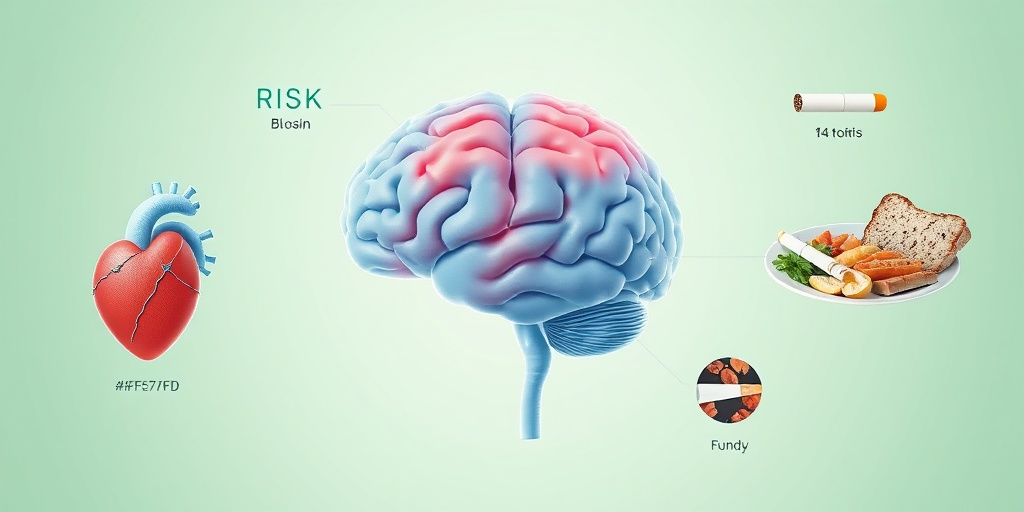
Several factors can increase the risk of experiencing a TIA, including:
- Age: The risk increases with age, particularly for those over 55.
- High Blood Pressure: Uncontrolled hypertension is a major risk factor.
- Diabetes: This condition can damage blood vessels over time.
- Smoking: Tobacco use significantly increases the risk of vascular diseases.
- High Cholesterol: Elevated cholesterol levels can lead to atherosclerosis.
Being aware of these risk factors can help individuals take proactive steps to reduce their chances of experiencing a TIA or stroke.
TIA Symptoms
The symptoms of a Transient Ischemic Attack (TIA) are often sudden and can vary from person to person. Recognizing these symptoms is crucial for timely medical intervention. Common symptoms include:
- Sudden numbness or weakness: This often affects one side of the body, including the face, arm, or leg.
- Confusion: Difficulty speaking or understanding speech can occur.
- Vision problems: Sudden trouble seeing in one or both eyes.
- Dizziness or loss of balance: This may lead to difficulty walking or maintaining coordination.
These symptoms typically last for a few minutes to a few hours and resolve completely within 24 hours. However, even if symptoms disappear, it is essential to seek medical attention immediately, as a TIA can precede a more severe stroke.
What to Do If You Experience TIA Symptoms
If you or someone you know experiences symptoms of a TIA, it’s vital to act quickly. Here’s what you should do:
- Call Emergency Services: Time is critical in stroke treatment, so don’t hesitate to seek help.
- Note the Time: Document when symptoms began, as this information can be crucial for medical professionals.
- Stay Calm: Try to remain as calm as possible while waiting for help.
Remember, a TIA is a serious medical event that requires immediate attention. Early intervention can significantly reduce the risk of a full-blown stroke.
Conclusion
Understanding Transient Ischemic Attacks (TIAs) and their symptoms is essential for prevention and early intervention. If you suspect you or someone else is experiencing a TIA, don’t wait—seek medical help right away. For more information on health-related topics, consider visiting Yesil Health AI, a valuable resource for evidence-based health answers. Stay informed, stay healthy! 🧠💙

TIA Risk Factors
A Transient Ischemic Attack (TIA), often referred to as a mini-stroke, is a temporary period of symptoms similar to those of a stroke. Understanding the risk factors associated with TIA is crucial for prevention and early intervention. Here are some of the primary risk factors:
1. Age
As we age, the risk of experiencing a TIA increases significantly. Individuals over the age of 55 are at a higher risk, with the likelihood continuing to rise as one gets older. This is largely due to the natural wear and tear on blood vessels and the increased prevalence of other risk factors.
2. High Blood Pressure
Hypertension is one of the leading risk factors for TIA. Elevated blood pressure can damage blood vessels over time, making them more susceptible to blockages. Regular monitoring and management of blood pressure are essential for reducing the risk of TIA.
3. Diabetes
Individuals with diabetes are at a significantly higher risk for TIA. High blood sugar levels can lead to damage in blood vessels, increasing the likelihood of clot formation. Proper management of diabetes through diet, exercise, and medication is vital for reducing this risk.
4. Smoking
Smoking is a major contributor to cardiovascular diseases, including TIA. The chemicals in tobacco can damage blood vessels and reduce oxygen in the blood, increasing the risk of clot formation. Quitting smoking can greatly improve overall vascular health and lower the risk of TIA.
5. High Cholesterol
Elevated levels of cholesterol can lead to the buildup of plaques in the arteries, which can restrict blood flow to the brain. Maintaining healthy cholesterol levels through diet and lifestyle changes is crucial for reducing the risk of TIA.
6. Family History
A family history of stroke or TIA can increase your risk. Genetics can play a role in the likelihood of developing conditions that contribute to TIA, such as hypertension and diabetes. If you have a family history, it’s important to discuss this with your healthcare provider.
7. Sedentary Lifestyle
A lack of physical activity can contribute to many of the risk factors associated with TIA, including obesity, high blood pressure, and high cholesterol. Engaging in regular exercise can help mitigate these risks and promote overall cardiovascular health. Aim for at least 150 minutes of moderate aerobic activity each week.
8. Atrial Fibrillation
Atrial fibrillation (AFib) is an irregular heartbeat that can lead to blood clots forming in the heart. These clots can travel to the brain, causing a TIA or stroke. If you have AFib, it’s essential to work with your healthcare provider to manage this condition effectively.
TIA Causes
Understanding the causes of a Transient Ischemic Attack (TIA) is essential for prevention and timely treatment. A TIA occurs when there is a temporary disruption of blood flow to the brain. Here are the primary causes:
1. Blood Clots
The most common cause of a TIA is a blood clot that temporarily blocks blood flow to the brain. This can occur due to various factors, including atherosclerosis, where fatty deposits build up in the arteries, narrowing them and increasing the risk of clot formation.
2. Embolism
An embolism occurs when a clot or debris forms elsewhere in the body (often the heart) and travels to the brain, causing a temporary blockage. Conditions such as AFib can lead to the formation of these clots, making it crucial to manage heart health.
3. Stenosis
Stenosis refers to the narrowing of blood vessels, which can restrict blood flow to the brain. This can be caused by plaque buildup due to high cholesterol or other vascular conditions. Regular check-ups can help identify and manage stenosis before it leads to a TIA.
4. Low Blood Flow
Conditions that reduce overall blood flow, such as severe anemia or low blood pressure, can also lead to a TIA. When the brain does not receive enough blood, it can result in temporary neurological symptoms. Addressing underlying health issues is vital for prevention.
5. Other Medical Conditions
Several medical conditions can increase the risk of TIA, including diabetes, high blood pressure, and high cholesterol. Managing these conditions through lifestyle changes and medication can significantly reduce the risk of experiencing a TIA.
In conclusion, recognizing the risk factors and causes of a Transient Ischemic Attack (TIA) is essential for prevention and early intervention. By understanding these elements, individuals can take proactive steps to protect their brain health and overall well-being. 🧠💪
TIA Diagnosis
Diagnosing a Transient Ischemic Attack (TIA) is crucial for preventing future strokes and managing overall health. A TIA is often referred to as a “mini-stroke” because it produces similar symptoms but does not cause permanent damage. Understanding the diagnostic process can help you recognize the signs and seek timely medical attention.
Recognizing Symptoms
The first step in diagnosing a TIA is recognizing its symptoms. Common symptoms include:
- Sudden numbness or weakness in the face, arm, or leg, especially on one side of the body.
- Confusion or difficulty speaking or understanding speech.
- Vision problems in one or both eyes.
- Dizziness or loss of balance and coordination.
If you or someone you know experiences these symptoms, it’s essential to seek medical help immediately, as they may indicate a TIA or stroke.
Medical Evaluation
Upon arrival at a healthcare facility, doctors will conduct a thorough evaluation. This typically includes:
- Medical History Review: Your doctor will ask about your symptoms, medical history, and any risk factors such as high blood pressure, diabetes, or smoking.
- Physical Examination: A physical exam will assess neurological function, including reflexes, muscle strength, and coordination.
Diagnostic Tests
To confirm a diagnosis of TIA, several tests may be performed:
- CT or MRI Scans: These imaging tests help visualize the brain and identify any areas affected by reduced blood flow.
- Ultrasound: A carotid ultrasound can check for blockages in the arteries that supply blood to the brain.
- Blood Tests: These tests can identify risk factors such as cholesterol levels and blood sugar levels.
Early diagnosis of a Transient Ischemic Attack (TIA) is vital, as it allows for immediate intervention to reduce the risk of a full-blown stroke. If you suspect a TIA, don’t hesitate to seek medical attention! 🚑
TIA Treatment Options
Once diagnosed with a Transient Ischemic Attack (TIA), the next step is to explore treatment options. The primary goal of treatment is to prevent future strokes and manage risk factors effectively.
Medications
Medications play a crucial role in TIA treatment. Commonly prescribed medications include:
- Antiplatelet Agents: Drugs like aspirin or clopidogrel help prevent blood clots from forming.
- Anticoagulants: Medications such as warfarin or newer anticoagulants may be prescribed for patients with specific conditions like atrial fibrillation.
Lifestyle Modifications
In addition to medications, lifestyle changes are essential for reducing the risk of future TIAs or strokes. Consider the following:
- Healthy Diet: A balanced diet rich in fruits, vegetables, whole grains, and lean proteins can help manage blood pressure and cholesterol levels.
- Regular Exercise: Engaging in physical activity can improve cardiovascular health and reduce stroke risk.
- Smoking Cessation: Quitting smoking significantly lowers the risk of stroke and other cardiovascular diseases.
- Weight Management: Maintaining a healthy weight can help control blood pressure and reduce the risk of diabetes.
Medical Procedures
In some cases, medical procedures may be necessary to address underlying issues:
- Carotid Endarterectomy: This surgical procedure removes plaque buildup in the carotid arteries to improve blood flow to the brain.
- Angioplasty and Stenting: A less invasive option where a balloon is used to open narrowed arteries, followed by placing a stent to keep the artery open.
Timely treatment of a Transient Ischemic Attack (TIA) is essential for preventing more severe strokes and improving overall health. If you experience symptoms or have risk factors, consult your healthcare provider to discuss the best treatment options for you. 🩺

TIA Recovery and Outlook
A Transient Ischemic Attack (TIA), often referred to as a mini-stroke, is a temporary period of symptoms similar to those of a stroke. While TIAs do not cause permanent damage, they are serious warning signs that a full-blown stroke may occur in the future. Understanding the recovery process and outlook after experiencing a TIA is crucial for patients and their families.
Understanding the Recovery Process
Recovery from a TIA typically involves several key components:
- Medical Evaluation: After a TIA, it’s essential to undergo a thorough medical evaluation. This may include imaging tests like CT or MRI scans to assess brain health and identify any underlying issues.
- Monitoring Symptoms: Patients should closely monitor any recurring symptoms, such as weakness, numbness, or difficulty speaking. These could indicate another TIA or a stroke.
- Medication Management: Doctors often prescribe medications to reduce the risk of future strokes. Common medications include antiplatelet agents like aspirin or anticoagulants.
Long-Term Outlook
The long-term outlook after a TIA can vary significantly based on individual health factors and lifestyle choices. Here are some important points to consider:
- Risk of Stroke: Individuals who have experienced a TIA are at a higher risk of having a stroke in the future. Studies suggest that about 10-15% of people who have a TIA will have a stroke within three months.
- Importance of Follow-Up Care: Regular follow-up appointments with healthcare providers are crucial. These visits help monitor health status and adjust treatment plans as necessary.
- Lifestyle Changes: Adopting a healthier lifestyle can significantly improve recovery and reduce the risk of future TIAs or strokes. This includes maintaining a balanced diet, engaging in regular physical activity, and managing stress.
Emotional and Psychological Recovery
Experiencing a TIA can be emotionally challenging. Patients may feel anxious or fearful about their health. It’s important to address these feelings:
- Seek Support: Connecting with support groups or mental health professionals can provide valuable emotional support.
- Educate Yourself: Understanding the condition can empower patients and reduce anxiety. Knowledge about TIA symptoms and prevention strategies can help individuals feel more in control.
TIA Prevention Strategies
Preventing a Transient Ischemic Attack (TIA) is crucial for reducing the risk of future strokes. Here are some effective strategies to consider:
Healthy Lifestyle Choices
Making positive lifestyle changes can significantly lower the risk of TIAs and strokes:
- Balanced Diet: Focus on a diet rich in fruits, vegetables, whole grains, and lean proteins. Reducing salt, sugar, and saturated fats can help manage blood pressure and cholesterol levels.
- Regular Exercise: Aim for at least 150 minutes of moderate aerobic activity each week. Activities like walking, swimming, or cycling can improve cardiovascular health.
- Avoid Smoking: Quitting smoking is one of the most effective ways to reduce stroke risk. Seek support if needed, as there are many resources available.
Manage Health Conditions
Controlling existing health conditions is vital for TIA prevention:
- Blood Pressure: Keep blood pressure within a healthy range. Regular check-ups and medication adherence are essential.
- Diabetes Management: If you have diabetes, work with your healthcare provider to manage blood sugar levels effectively.
- Cholesterol Levels: Regularly monitor cholesterol levels and follow your doctor’s recommendations for managing them.
Regular Health Screenings
Routine health screenings can help identify risk factors early:
- Regular Check-Ups: Schedule regular visits with your healthcare provider to monitor your overall health and discuss any concerns.
- Screening for Atrial Fibrillation: This common heart condition can increase the risk of stroke. Discuss screening options with your doctor.
By implementing these prevention strategies, individuals can significantly reduce their risk of experiencing a TIA or stroke in the future. Remember, proactive health management is key! 🌟

Frequently Asked Questions about Transient Ischemic Attack (TIA)
What is a Transient Ischemic Attack (TIA)?
A Transient Ischemic Attack (TIA) is often referred to as a mini-stroke. It occurs when there is a temporary disruption of blood flow to the brain, leading to stroke-like symptoms that resolve within 24 hours. Unlike a full stroke, a TIA does not cause permanent damage to the brain.
What are the symptoms of a TIA?
Common symptoms of a Transient Ischemic Attack (TIA) include:
- Sudden numbness or weakness in the face, arm, or leg, especially on one side of the body
- Confusion or trouble speaking
- Difficulty seeing in one or both eyes
- Loss of balance or coordination
- Sudden severe headache with no known cause
If you or someone else experiences these symptoms, it is crucial to seek medical attention immediately. 🚑
How is a TIA diagnosed?
Diagnosis of a Transient Ischemic Attack (TIA) typically involves a combination of medical history evaluation, physical examination, and imaging tests such as:
- CT or MRI scans to visualize the brain
- Ultrasound to check blood flow in the carotid arteries
- Blood tests to assess risk factors
What causes a TIA?
A Transient Ischemic Attack (TIA) is usually caused by a temporary blockage of blood flow to the brain. This can occur due to:
- Blood clots
- Atherosclerosis (narrowing of arteries due to plaque buildup)
- Heart conditions that lead to blood clots
What treatments are available for TIA?
Treatment for a Transient Ischemic Attack (TIA) focuses on preventing future strokes and may include:
- Medications such as antiplatelets or anticoagulants
- Lifestyle changes, including diet and exercise
- Surgical procedures to improve blood flow, if necessary
Is a TIA a warning sign for a stroke?
Yes, a Transient Ischemic Attack (TIA) is often considered a warning sign for a potential stroke. It indicates that there is a significant risk of a full stroke occurring in the future. Prompt medical evaluation and intervention are essential to reduce this risk.
How can I reduce my risk of having a TIA?
To lower the risk of a Transient Ischemic Attack (TIA), consider the following lifestyle changes:
- Maintain a healthy diet rich in fruits, vegetables, and whole grains
- Engage in regular physical activity
- Manage blood pressure, cholesterol, and diabetes
- Avoid smoking and limit alcohol consumption
When should I seek medical help?
If you experience any symptoms associated with a Transient Ischemic Attack (TIA), it is crucial to seek medical help immediately. Early intervention can significantly improve outcomes and reduce the risk of a full stroke. 🏥