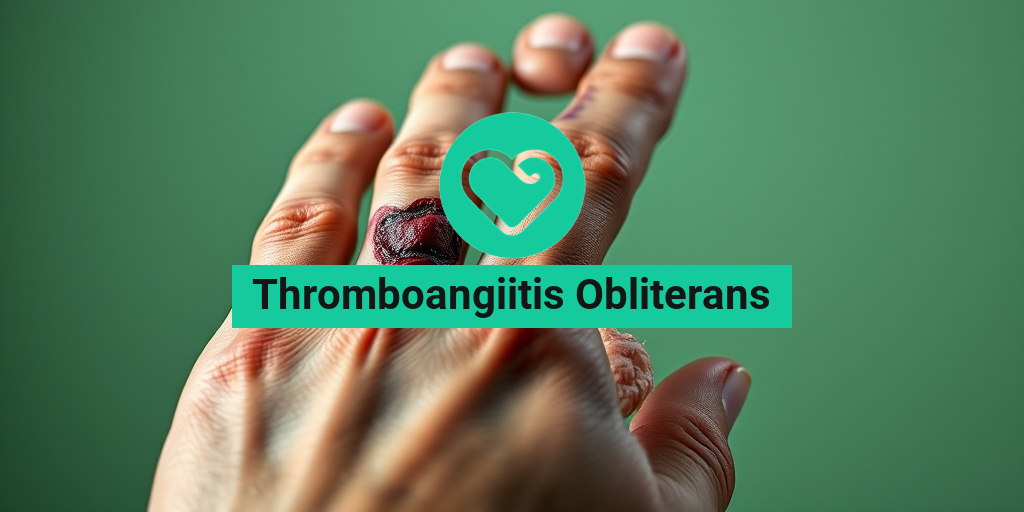
What Is Thromboangiitis Obliterans?
Thromboangiitis Obliterans, commonly known as Buerger’s disease, is a rare but serious condition that primarily affects the blood vessels in the arms and legs. This inflammatory disease leads to the blockage of small and medium-sized arteries and veins, resulting in reduced blood flow. The exact cause of thromboangiitis obliterans remains unclear, but it is strongly associated with tobacco use, making smoking cessation a critical aspect of management.
Typically, thromboangiitis obliterans occurs in young men, particularly those under 45 years of age, although it can affect women as well. The disease is characterized by a progressive course, often leading to severe complications if not diagnosed and treated promptly.
Understanding the Mechanism
In thromboangiitis obliterans, the body’s immune system mistakenly attacks the blood vessels, causing inflammation and clot formation. This process can lead to:
- Ischemia: Reduced blood flow to tissues, which can cause pain and tissue damage.
- Ulceration: Open sores on the skin due to lack of blood supply.
- Gangrene: Tissue death that may necessitate amputation in severe cases.
Understanding the underlying mechanisms of thromboangiitis obliterans is crucial for effective treatment and management. Early intervention can significantly improve outcomes and quality of life for those affected.
Thromboangiitis Symptoms
The symptoms of thromboangiitis obliterans can vary widely among individuals, but they typically manifest as a combination of the following:
Common Symptoms
- Pain in the limbs: Often described as cramping or aching, this pain usually occurs during physical activity and subsides with rest.
- Coldness in the extremities: Affected limbs may feel colder than the rest of the body due to reduced blood flow.
- Skin changes: This can include color changes (pale or bluish skin), hair loss, or shiny skin on the affected areas.
- Ulcers or sores: Open wounds may develop on the fingers or toes, which can be slow to heal.
- Gangrene: In severe cases, tissue death can occur, leading to the need for surgical intervention.
Recognizing the Signs Early
It is essential to recognize the symptoms of thromboangiitis obliterans early on. If you experience persistent pain in your limbs, especially if you are a smoker or have a history of tobacco use, it is crucial to seek medical advice. Early diagnosis can lead to more effective treatment options and potentially prevent severe complications.
When to Seek Medical Help
If you notice any of the following signs, it is important to consult a healthcare professional:
- Severe pain in your arms or legs that does not improve with rest.
- Development of sores or ulcers on your fingers or toes.
- Coldness or color changes in your extremities.
Thromboangiitis obliterans can be a challenging condition to manage, but with the right support and resources, individuals can lead fulfilling lives. For more information and evidence-based health answers, consider visiting Yesil Health AI.
In conclusion, understanding thromboangiitis obliterans and its symptoms is vital for early detection and treatment. If you or someone you know is experiencing these symptoms, don’t hesitate to reach out to a healthcare provider for guidance and support. Remember, your health is your wealth! 💪

Causes of Thromboangiitis Obliterans
Thromboangiitis Obliterans, commonly known as Buerger’s disease, is a rare condition that primarily affects the blood vessels in the arms and legs. Understanding the causes of this disease is crucial for effective management and prevention. While the exact cause remains unclear, several factors have been identified that contribute to its development.
1. Tobacco Use
One of the most significant risk factors for thromboangiitis obliterans is tobacco use. Smoking or using other forms of tobacco can trigger an inflammatory response in the blood vessels, leading to the characteristic symptoms of the disease. Studies have shown that nearly all patients with Buerger’s disease are smokers or have a history of smoking.
2. Genetic Predisposition
There is evidence to suggest that genetic factors may play a role in the development of thromboangiitis obliterans. Individuals with a family history of the disease or related vascular conditions may be at a higher risk. However, more research is needed to fully understand the genetic components involved.
3. Autoimmune Response
Some researchers believe that thromboangiitis obliterans may be linked to an autoimmune response. In this scenario, the body’s immune system mistakenly attacks its own blood vessels, leading to inflammation and clot formation. This theory is still under investigation, and further studies are required to establish a definitive connection.
4. Environmental Factors
Environmental factors, such as exposure to certain chemicals or pollutants, may also contribute to the onset of thromboangiitis obliterans. While specific environmental triggers have not been conclusively identified, maintaining a healthy lifestyle and minimizing exposure to harmful substances can be beneficial.
Risk Factors for Thromboangiitis Obliterans
In addition to understanding the causes, recognizing the risk factors associated with thromboangiitis obliterans is essential for prevention and early intervention. Here are some key risk factors to consider:
1. Age and Gender
Thromboangiitis obliterans typically affects younger individuals, particularly those between the ages of 20 and 40. Moreover, it is more prevalent in men than in women, although women can also be affected.
2. Ethnicity
This condition is more common in certain ethnic groups, particularly those of Middle Eastern, Asian, and Eastern European descent. Understanding the demographic factors can help in identifying at-risk populations.
3. Smoking History
As previously mentioned, smoking is a significant risk factor. Individuals who smoke or have a history of smoking are at a much higher risk of developing thromboangiitis obliterans. Quitting smoking can significantly reduce this risk and improve overall vascular health.
4. Other Health Conditions
People with certain health conditions, such as Raynaud’s phenomenon or other vascular diseases, may be at an increased risk for thromboangiitis obliterans. These conditions can compromise blood flow and exacerbate symptoms.
5. Occupational Exposures
Some occupations that involve exposure to vibration or repetitive trauma, such as construction work or heavy machinery operation, may increase the risk of developing thromboangiitis obliterans. Taking precautions and using protective equipment can help mitigate these risks.
In summary, while the exact causes of thromboangiitis obliterans remain somewhat elusive, several factors contribute to its development. By understanding these causes and risk factors, individuals can take proactive steps to reduce their risk and seek timely medical intervention if necessary. 🌟

Thromboangiitis Diagnosis
Diagnosing Thromboangiitis Obliterans, commonly known as Buerger’s disease, can be challenging due to its similarity to other vascular conditions. This inflammatory disease primarily affects the small and medium-sized blood vessels, particularly in the arms and legs. Early diagnosis is crucial for effective management and to prevent severe complications.
Clinical Evaluation
The diagnosis of thromboangiitis obliterans begins with a thorough clinical evaluation. Physicians typically look for a combination of symptoms and risk factors. Key symptoms include:
- Pain in the limbs: Patients often experience pain in their hands and feet, especially during physical activity.
- Coldness in the extremities: Affected areas may feel colder than the rest of the body.
- Skin changes: This can include color changes, ulcers, or gangrene in severe cases.
Medical History and Risk Factors
During the diagnosis process, healthcare providers will take a detailed medical history. A significant risk factor for thromboangiitis obliterans is tobacco use. In fact, the disease is almost exclusively seen in smokers or those who have recently quit smoking. Other factors that may be considered include:
- Age: Most patients are typically younger than 50 years.
- Gender: The condition is more common in men than women.
Diagnostic Tests
While there is no single test to definitively diagnose thromboangiitis obliterans, several diagnostic tests can help confirm the condition:
- Angiography: This imaging test helps visualize blood vessels and can show blockages or abnormalities.
- Doppler ultrasound: This test assesses blood flow in the arteries and can indicate reduced circulation.
- Blood tests: While no specific blood test exists for this disease, tests can help rule out other conditions.
In some cases, a biopsy of the affected tissue may be performed to assess inflammation and rule out other vascular diseases. Early diagnosis and intervention are essential to manage symptoms and prevent further complications associated with thromboangiitis obliterans.
Complications of Thromboangiitis
Thromboangiitis obliterans can lead to several serious complications if left untreated. Understanding these complications is vital for patients and healthcare providers alike, as they can significantly impact quality of life.
Critical Limb Ischemia
One of the most severe complications of thromboangiitis obliterans is critical limb ischemia. This condition occurs when blood flow to the limbs is severely restricted, leading to:
- Severe pain: Patients may experience intense pain even at rest.
- Ulcers and sores: Poor blood flow can result in non-healing wounds.
- Gangrene: In extreme cases, tissue death can occur, necessitating amputation.
Increased Risk of Amputation
Due to the potential for critical limb ischemia and gangrene, individuals with thromboangiitis obliterans face an increased risk of amputation. This is particularly true for those who continue to smoke or do not adhere to treatment plans. Early intervention and lifestyle changes can significantly reduce this risk.
Cardiovascular Issues
Patients with thromboangiitis obliterans are also at a higher risk for other cardiovascular problems, including:
- Heart disease: The inflammatory nature of the disease can contribute to atherosclerosis.
- Stroke: Reduced blood flow can increase the risk of stroke, particularly in patients with other risk factors.
Psychosocial Impact
The complications of thromboangiitis obliterans extend beyond physical health. The chronic pain and limitations associated with the disease can lead to significant psychosocial challenges, including:
- Depression: Ongoing pain and disability can contribute to feelings of hopelessness.
- Anxiety: Concerns about mobility and health can lead to increased anxiety levels.
Addressing these psychosocial aspects is crucial for comprehensive care and improving the overall quality of life for patients with thromboangiitis obliterans.

Thromboangiitis Treatment Options
Thromboangiitis Obliterans, commonly known as Buerger’s disease, is a rare condition that affects blood vessels, primarily in the arms and legs. This disease is characterized by inflammation and thrombosis (clotting) in small and medium-sized arteries and veins, leading to reduced blood flow. Understanding the treatment options available is crucial for managing symptoms and improving quality of life.
Medications
One of the primary approaches to treating thromboangiitis obliterans involves the use of medications. These can help manage symptoms and improve blood flow. Common medications include:
- Anticoagulants: These medications help prevent blood clots from forming, which is essential in managing thromboangiitis.
- Vasodilators: These drugs work by widening blood vessels, improving circulation and reducing pain.
- Analgesics: Pain relief is crucial for patients, and analgesics can help manage discomfort associated with the disease.
Lifestyle Changes
Making certain lifestyle adjustments can significantly impact the management of thromboangiitis obliterans. Here are some effective strategies:
- Quitting Smoking: Smoking is a major risk factor for thromboangiitis obliterans. Quitting can halt the progression of the disease and improve overall health.
- Regular Exercise: Engaging in regular physical activity can enhance circulation and promote better vascular health.
- Healthy Diet: A balanced diet rich in fruits, vegetables, whole grains, and lean proteins can support overall health and vascular function.
Surgical Options
In severe cases where blood flow is significantly compromised, surgical interventions may be necessary. These can include:
- Bypass Surgery: This procedure creates a new pathway for blood flow around blocked arteries.
- Amputation: In extreme cases where tissue damage is irreversible, amputation may be required to prevent further complications.
Alternative Therapies
Some patients explore alternative therapies to complement their treatment. While these should not replace conventional medical treatments, they may provide additional relief:
- Acupuncture: This traditional Chinese medicine technique may help alleviate pain and improve circulation.
- Massage Therapy: Gentle massage can promote relaxation and improve blood flow in affected areas.
Living with Thromboangiitis
Living with thromboangiitis obliterans can be challenging, but with the right strategies and support, individuals can lead fulfilling lives. Here are some tips for managing daily life with this condition.
Understanding Your Condition
Knowledge is power. Understanding thromboangiitis obliterans, its symptoms, and treatment options can empower patients to take control of their health. Regular consultations with healthcare providers are essential for monitoring the disease and adjusting treatment plans as needed.
Managing Symptoms
Symptom management is a crucial aspect of living with thromboangiitis. Here are some effective strategies:
- Stay Warm: Cold temperatures can exacerbate symptoms. Dressing warmly and avoiding cold environments can help.
- Foot Care: Regularly check your feet for any signs of injury or infection, as reduced blood flow can lead to complications.
- Stress Management: Stress can worsen symptoms. Techniques such as meditation, yoga, or deep-breathing exercises can be beneficial.
Support Systems
Having a strong support system is vital for emotional well-being. Connecting with others who understand the challenges of thromboangiitis can provide comfort and encouragement. Consider joining support groups or online communities where you can share experiences and coping strategies.
Regular Follow-ups
Regular follow-up appointments with healthcare providers are essential for monitoring the progression of thromboangiitis obliterans. These visits allow for timely adjustments to treatment plans and ensure that any new symptoms are addressed promptly.
In conclusion, while thromboangiitis obliterans presents unique challenges, understanding treatment options and adopting effective management strategies can significantly enhance quality of life. With the right approach, individuals can navigate their journey with resilience and hope. 🌟

Frequently Asked Questions about Thromboangiitis Obliterans
What is Thromboangiitis Obliterans?
Thromboangiitis Obliterans, also known as Buerger’s disease, is a rare disease that affects the blood vessels, primarily in the arms and legs. It leads to inflammation and thrombosis (clotting) in small and medium-sized arteries and veins, resulting in reduced blood flow.
What are the symptoms of Thromboangiitis Obliterans?
Common symptoms of Thromboangiitis Obliterans include:
- Coldness in the hands or feet
- Pain in the limbs, especially during physical activity
- Skin changes, such as color changes or ulcers
- Weak or absent pulse in the affected limbs
How is Thromboangiitis Obliterans diagnosed?
Diagnosis typically involves a combination of medical history, physical examination, and imaging tests. Doctors may use techniques such as Doppler ultrasound or angiography to assess blood flow and identify blockages.
What treatments are available for Thromboangiitis Obliterans?
Treatment for Thromboangiitis Obliterans focuses on managing symptoms and improving blood flow. Options may include:
- Smoking cessation programs
- Medications to improve blood flow
- Surgical interventions in severe cases
Is Thromboangiitis Obliterans related to other conditions?
Yes, Thromboangiitis Obliterans is often associated with smoking and may occur alongside other vascular diseases. It is important to address lifestyle factors to manage the condition effectively.
What is the prognosis for someone with Thromboangiitis Obliterans?
The prognosis varies depending on the severity of the disease and the effectiveness of treatment. Early diagnosis and lifestyle changes, particularly quitting smoking, can significantly improve outcomes.
Where can I find more information about Thromboangiitis Obliterans?
For more detailed information, consider consulting healthcare professionals or reputable medical websites that specialize in vascular diseases. Support groups and forums can also provide valuable insights and shared experiences from others living with Thromboangiitis Obliterans.