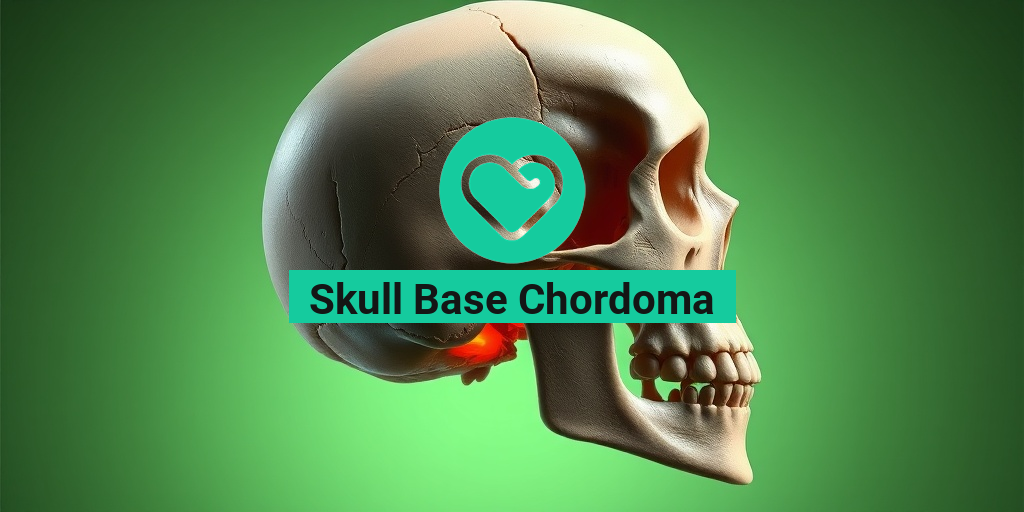
What Is Skull Base Chordoma?
Skull base chordoma is a rare type of bone cancer that primarily occurs at the base of the skull and along the spine. This tumor arises from notochordal remnants, which are embryonic structures that contribute to the development of the spine. Although chordomas can occur anywhere along the spine, those located at the skull base are particularly challenging due to their proximity to critical structures such as the brain, cranial nerves, and major blood vessels.
Chordomas are classified as slow-growing tumors, which means they may not present symptoms until they have reached a significant size. This slow growth can lead to a delayed diagnosis, making early detection crucial for effective treatment. The exact cause of skull base chordoma remains unclear, but genetic factors and environmental influences may play a role.
Types of Skull Base Chordoma
There are two main types of chordomas that can occur at the skull base:
- Classic Chordoma: This is the most common type, characterized by a gelatinous appearance and a tendency to invade surrounding tissues.
- Dedifferentiated Chordoma: This variant is more aggressive and has a higher likelihood of metastasis, making it more challenging to treat.
Diagnosis of Skull Base Chordoma
Diagnosing skull base chordoma typically involves a combination of imaging studies and biopsy. MRI and CT scans are essential tools in identifying the tumor’s location and size. These imaging techniques help doctors visualize the tumor’s relationship with surrounding structures, which is crucial for planning treatment. A biopsy is often performed to confirm the diagnosis and determine the tumor’s specific characteristics.
Symptoms of Skull Base Chordoma
The symptoms of skull base chordoma can vary significantly depending on the tumor’s size and location. Many patients may experience a range of neurological symptoms due to the tumor’s pressure on nearby structures. Here are some common symptoms associated with skull base chordoma:
Neurological Symptoms
- Headaches: Persistent headaches are one of the most common symptoms, often worsening over time.
- Vision Problems: Patients may experience blurred vision, double vision, or even loss of vision due to pressure on the optic nerves.
- Hearing Loss: The tumor can affect hearing by pressing on the auditory nerves.
- Facial Pain or Numbness: Compression of cranial nerves can lead to facial pain or numbness, particularly in the jaw and cheeks.
Other Symptoms
- Dizziness or Balance Issues: As the tumor grows, it can affect balance and coordination.
- Difficulty Swallowing: Some patients may experience dysphagia, or difficulty swallowing, due to the tumor’s location.
- Changes in Personality or Cognitive Function: In rare cases, patients may notice changes in mood or cognitive abilities.
If you or someone you know is experiencing these symptoms, it is essential to consult a healthcare professional for a thorough evaluation. Early diagnosis and intervention can significantly improve the prognosis for individuals with skull base chordoma.
For more information on skull base chordoma and other health-related topics, consider visiting Yesil Health AI, a valuable resource for evidence-based health answers.
In conclusion, understanding skull base chordoma is crucial for early detection and effective treatment. By recognizing the symptoms and seeking timely medical advice, patients can navigate this challenging diagnosis with greater confidence. 🧠💪

Causes and Risk Factors
Skull base chordoma is a rare type of bone cancer that typically arises from the remnants of the notochord, a structure present during embryonic development. Understanding the causes and risk factors associated with this condition can help in early detection and management.
Genetic Factors
While the exact cause of skull base chordoma remains unclear, certain genetic predispositions may play a role. Individuals with a family history of chordomas or related tumors may have a higher risk. Genetic mutations, particularly in the notochordal remnants, can lead to abnormal cell growth, resulting in chordoma formation.
Age and Gender
Skull base chordomas are more commonly diagnosed in adults, particularly those aged between 30 and 60 years. Interestingly, they tend to affect males more than females, suggesting that gender may influence susceptibility to this type of tumor.
Location of the Tumor
Chordomas can occur in various locations along the spine and skull base. The skull base is a particularly challenging area due to its proximity to critical structures such as the brain and cranial nerves. Tumors in this region can lead to significant complications, making early detection crucial.
Environmental Factors
Although less understood, some studies suggest that environmental factors may contribute to the development of skull base chordomas. Exposure to certain chemicals or radiation could potentially increase the risk, although more research is needed to establish a definitive link.
Symptoms to Watch For
Being aware of the symptoms associated with skull base chordoma can aid in early diagnosis. Common symptoms include:
- Headaches: Persistent or worsening headaches can be a significant indicator.
- Vision Problems: Blurred or double vision may occur due to pressure on the optic nerves.
- Hearing Loss: Tumors can affect auditory pathways, leading to hearing difficulties.
- Facial Pain or Numbness: This may result from nerve involvement.
Diagnosis of Skull Base Chordoma
Diagnosing skull base chordoma involves a combination of clinical evaluation, imaging studies, and sometimes biopsy. Early and accurate diagnosis is essential for effective treatment and improved outcomes.
Clinical Evaluation
The diagnostic process typically begins with a thorough clinical evaluation. A healthcare provider will review the patient’s medical history and conduct a physical examination, focusing on neurological function and any symptoms reported. This initial assessment helps determine the need for further testing.
Imaging Studies
Imaging plays a crucial role in diagnosing skull base chordoma. The following imaging techniques are commonly used:
- MRI (Magnetic Resonance Imaging): MRI is the preferred method for visualizing soft tissue structures and can provide detailed images of the tumor’s size, location, and its relationship to surrounding tissues.
- CT (Computed Tomography) Scan: A CT scan can help assess the bony structures of the skull base and identify any associated changes.
Biopsy
In some cases, a biopsy may be necessary to confirm the diagnosis. This involves taking a small sample of the tumor tissue for pathological examination. The biopsy can be performed through various methods, including:
- Needle Biopsy: A thin needle is used to extract tissue from the tumor.
- Surgical Biopsy: In some instances, surgery may be required to obtain a larger tissue sample.
Pathological Examination
Once a biopsy is performed, the tissue sample is examined under a microscope by a pathologist. This examination helps determine the tumor type and grade, which are critical for planning treatment. The presence of specific markers can also provide insights into the tumor’s behavior and potential response to therapy.
In conclusion, understanding the causes and risk factors associated with skull base chordoma, along with the diagnostic process, is vital for effective management. Early detection through awareness of symptoms and timely medical evaluation can significantly impact patient outcomes. 🧠✨

Treatment Options
When it comes to managing skull base chordoma, a rare type of bone cancer that occurs at the base of the skull, understanding the available treatment options is crucial. The treatment plan often depends on various factors, including the tumor’s size, location, and whether it has spread. Here, we explore the most common treatment modalities.
1. Surgical Intervention
Surgery is typically the first line of treatment for skull base chordoma. The primary goal is to remove as much of the tumor as possible while preserving surrounding healthy tissue. However, due to the tumor’s location, complete removal can be challenging. Surgeons often use advanced techniques, such as:
- Endoscopic Surgery: A minimally invasive approach that uses small instruments and a camera to access the tumor through the nasal passages.
- Craniotomy: A more invasive procedure where a portion of the skull is removed to access the tumor directly.
Post-surgery, patients may experience a range of symptoms, and close monitoring is essential to manage any complications.
2. Radiation Therapy
Radiation therapy is often recommended after surgery to target any remaining cancer cells. It can also be used as a primary treatment for patients who are not surgical candidates. The two main types of radiation therapy include:
- External Beam Radiation Therapy (EBRT): This method directs high-energy rays at the tumor from outside the body.
- Stereotactic Radiosurgery (SRS): A non-invasive procedure that delivers precisely targeted radiation to the tumor, minimizing damage to surrounding tissues.
Radiation therapy can help improve the survival rate and reduce the risk of recurrence.
3. Chemotherapy
While chemotherapy is not typically the first choice for treating skull base chordoma, it may be considered in certain cases, especially if the tumor is aggressive or has metastasized. Chemotherapy uses drugs to kill cancer cells or stop their growth. The effectiveness of chemotherapy for chordomas is still under investigation, and it is often used in conjunction with other treatments.
4. Clinical Trials
For patients seeking innovative treatments, participating in clinical trials can be an option. These trials often explore new therapies or combinations of existing treatments. Discussing clinical trial opportunities with a healthcare provider can provide access to cutting-edge therapies that may improve outcomes.
Living with Skull Base Chordoma
Living with a skull base chordoma can be challenging, both physically and emotionally. Understanding the condition and its implications is vital for patients and their families. Here are some key aspects to consider:
1. Managing Symptoms
Symptoms of skull base chordoma can vary widely, including headaches, vision problems, and hearing loss. Managing these symptoms is crucial for maintaining quality of life. Patients may benefit from:
- Pain Management: Medications and therapies can help alleviate pain associated with the tumor.
- Physical Therapy: This can aid in recovery post-surgery and improve mobility.
- Support Groups: Connecting with others facing similar challenges can provide emotional support and practical advice.
2. Regular Follow-ups
Regular follow-up appointments with healthcare providers are essential for monitoring the condition. These visits may include:
- Imaging Tests: MRI or CT scans to check for tumor recurrence.
- Neurological Assessments: Evaluating cognitive and physical functions to detect any changes early.
3. Emotional and Psychological Support
Dealing with a diagnosis of skull base chordoma can lead to feelings of anxiety and depression. Seeking psychological support through counseling or therapy can be beneficial. Many hospitals offer resources for mental health support, which can help patients and families cope with the emotional toll of the disease.
4. Lifestyle Adjustments
Making certain lifestyle changes can also contribute to overall well-being. These may include:
- Healthy Diet: A balanced diet rich in fruits, vegetables, and whole grains can support overall health.
- Regular Exercise: Engaging in physical activity, as tolerated, can improve mood and physical health.
- Avoiding Tobacco and Alcohol: These substances can negatively impact recovery and overall health.
Living with skull base chordoma requires a comprehensive approach that includes medical treatment, symptom management, and emotional support. By staying informed and proactive, patients can navigate their journey with greater confidence and resilience. 🌟

Potential Complications
Skull base chordoma is a rare type of bone cancer that primarily occurs at the base of the skull and along the spine. While treatment options have improved over the years, patients may still face a variety of potential complications associated with this condition and its management. Understanding these complications is crucial for patients and their families as they navigate the treatment journey.
Neurological Complications
One of the most significant risks associated with skull base chordoma is the potential for neurological complications. Given the tumor’s location, it can exert pressure on critical structures in the brain and spinal cord. This pressure can lead to:
- Headaches: Persistent headaches are common and can vary in intensity.
- Vision Problems: Patients may experience blurred vision or double vision due to optic nerve involvement.
- Hearing Loss: Tumors near the auditory pathways can affect hearing.
- Balance Issues: Dizziness and balance problems may arise if the tumor affects the cerebellum.
Post-Surgical Complications
Surgery is often the primary treatment for skull base chordoma, but it comes with its own set of risks. Potential post-surgical complications include:
- Infection: Any surgical procedure carries the risk of infection, which can complicate recovery.
- Bleeding: Excessive bleeding during or after surgery can lead to serious complications.
- Cerebrospinal Fluid (CSF) Leak: A CSF leak can occur if the protective covering of the brain is damaged during surgery, leading to headaches and increased risk of infection.
Recurrence of Tumor
Despite aggressive treatment, skull base chordomas have a tendency to recur. The recurrence rate can vary, but it is essential for patients to be aware of the signs and symptoms of recurrence, which may include:
- New or worsening headaches
- Changes in vision or hearing
- Neurological deficits such as weakness or numbness
Regular follow-up appointments and imaging studies, such as MRI or CT scans, are crucial for monitoring any potential recurrence.
Future Research and Outlook
The landscape of treatment for skull base chordoma is evolving, with ongoing research aimed at improving patient outcomes. As scientists and medical professionals delve deeper into the biology of chordomas, several promising avenues are being explored.
Advancements in Imaging Techniques
One area of focus is the enhancement of imaging techniques. Improved imaging modalities, such as advanced MRI and CT scans, are being developed to provide more detailed views of the tumor and its relationship with surrounding structures. This can lead to better surgical planning and potentially reduce complications.
Targeted Therapies
Research is also being conducted into targeted therapies that specifically attack the molecular pathways involved in chordoma growth. These therapies aim to minimize damage to healthy tissues while effectively targeting the tumor. Clinical trials are underway to evaluate the efficacy of these treatments, which may offer new hope for patients.
Improved Surgical Techniques
Surgeons are continually refining their techniques to enhance the safety and effectiveness of skull base chordoma surgery. Minimally invasive approaches are being explored, which may reduce recovery time and complications. The use of intraoperative imaging and navigation systems is also becoming more common, allowing for greater precision during surgery.
Patient Support and Quality of Life
As research progresses, there is also a growing emphasis on the quality of life for patients. Supportive care, including pain management, rehabilitation, and psychological support, is being integrated into treatment plans to address the holistic needs of patients. This comprehensive approach aims to improve not only survival rates but also the overall well-being of individuals affected by skull base chordoma.
In conclusion, while skull base chordoma presents significant challenges, ongoing research and advancements in treatment options offer hope for improved outcomes and quality of life for patients. 🌟

Frequently Asked Questions about Skull Base Chordoma
What is a Skull Base Chordoma?
A skull base chordoma is a rare type of bone cancer that occurs at the base of the skull. It arises from notochordal remnants, which are embryonic structures that contribute to the development of the spine. These tumors can be slow-growing but may cause significant symptoms due to their location.
What are the symptoms of Skull Base Chordoma?
Common symptoms of skull base chordoma include:
- Headaches
- Vision problems, such as double vision or blurred vision
- Hearing loss
- Facial numbness or weakness
- Difficulties with balance or coordination
How is Skull Base Chordoma diagnosed?
Diagnosis typically involves imaging studies such as:
- MRI scans to provide detailed images of the tumor
- CT scans to assess the bone structure
A biopsy may also be performed to confirm the diagnosis.
What is the survival rate for Skull Base Chordoma?
The survival rate for individuals with skull base chordoma can vary based on factors such as tumor size, location, and whether it has spread. Generally, the prognosis is better for those diagnosed early and who undergo appropriate treatment.
What treatment options are available for Skull Base Chordoma?
Treatment options may include:
- Surgery to remove the tumor, which is often the primary treatment
- Radiation therapy to target remaining cancer cells after surgery
- Chemotherapy may be considered in some cases
What is the ICD-10 code for Skull Base Chordoma?
The ICD-10 code for skull base chordoma is C71.9, which is used for billing and medical record purposes.
Where can I find more information about Skull Base Chordoma?
For more detailed information, consider visiting reputable medical websites, consulting with healthcare professionals, or exploring resources from cancer organizations that specialize in rare tumors.