What Is Granuloma Annulare?
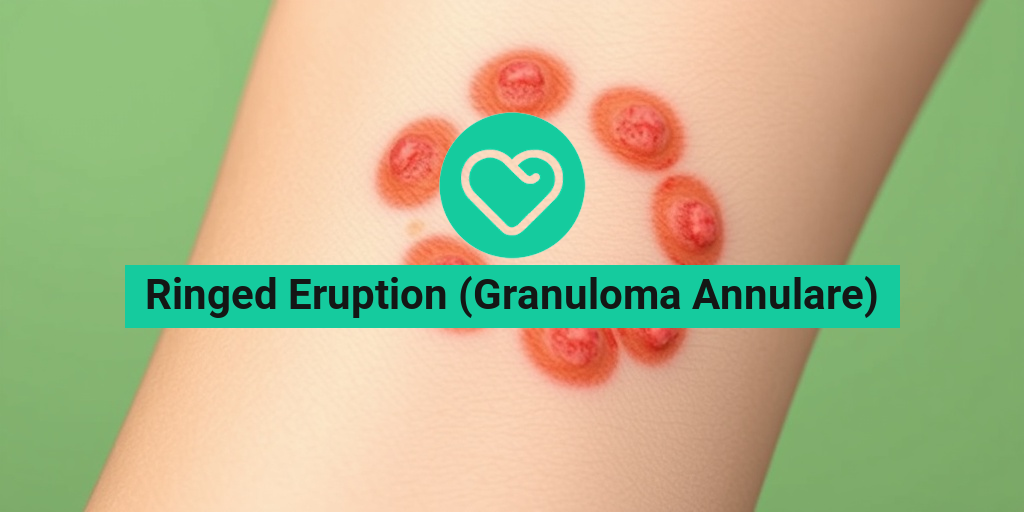
Granuloma Annulare is a benign skin condition characterized by the formation of ring-shaped lesions. These lesions typically appear on the skin’s surface and can vary in color from skin-toned to reddish or purplish. While the exact cause of Granuloma Annulare remains unclear, it is believed to be related to an immune response, possibly triggered by factors such as infections, medications, or even certain diseases.
This condition is most commonly seen in children and young adults, although it can occur at any age. Granuloma Annulare is not contagious, and it generally resolves on its own without treatment. However, understanding the condition is crucial for those affected, as it can sometimes be mistaken for other skin disorders.
Types of Granuloma Annulare
Granuloma Annulare can manifest in several forms, including:
- Localized Granuloma Annulare: This is the most common type, featuring a single or a few lesions that typically appear on the hands, feet, or elbows.
- Generalized Granuloma Annulare: This type involves multiple lesions that can cover larger areas of the body, often affecting adults more than children.
- Subcutaneous Granuloma Annulare: This rare form presents as deeper nodules under the skin, often found on the extremities.
Each type has its own characteristics, but they all share the common feature of ring-shaped lesions. If you notice any unusual skin changes, it’s essential to consult a healthcare professional for an accurate diagnosis.
Granuloma Annulare Symptoms
The symptoms of Granuloma Annulare can vary from person to person, but they typically include:
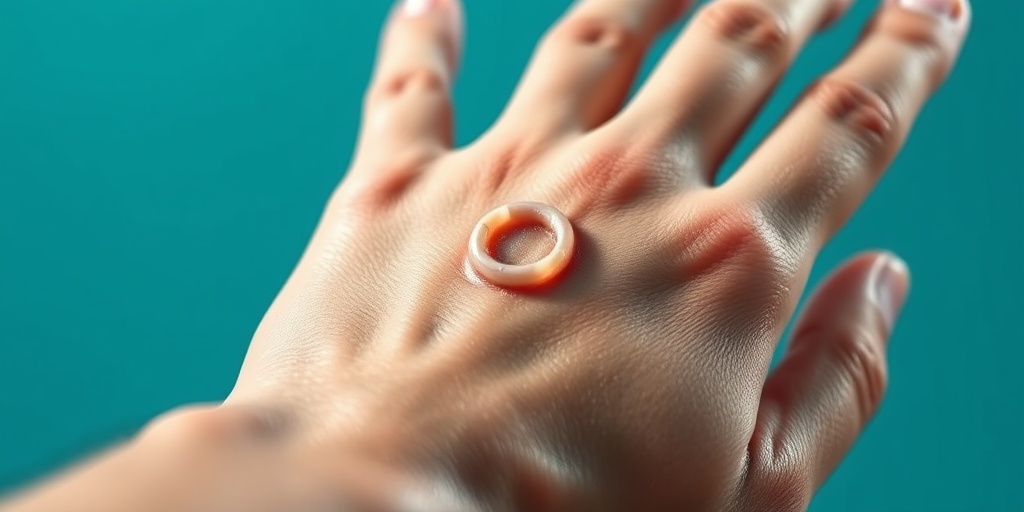
- Ring-shaped lesions: The hallmark of Granuloma Annulare is the appearance of circular or oval patches on the skin. These lesions may be flat or slightly raised.
- Color changes: The lesions can range in color from skin-toned to red, purple, or brown, depending on the individual’s skin tone and the severity of the condition.
- Itching or discomfort: While many people experience little to no discomfort, some may notice mild itching or tenderness around the lesions.
- Location: Lesions commonly appear on the hands, feet, elbows, and knees, but they can occur anywhere on the body.
When to Seek Medical Advice
If you notice persistent or unusual skin changes, it’s important to seek medical advice. While Granuloma Annulare is generally harmless, other skin conditions may present similarly and require different treatments. A healthcare professional can provide a proper diagnosis and recommend appropriate management strategies.
For those looking for more information on skin conditions like Granuloma Annulare, Yesil Health AI (yesilhealth.com) is a valuable resource for evidence-based health answers. They offer insights and guidance that can help you understand your symptoms better.
Conclusion
Granuloma Annulare, while often a benign and self-limiting condition, can cause concern for those who experience its symptoms. Understanding what it is and recognizing its symptoms can empower individuals to seek the right care when necessary. If you or someone you know is dealing with this condition, remember that you are not alone, and there are resources available to help you navigate your health journey. 🌟
Causes of Granuloma Annulare
Granuloma annulare is a benign skin condition characterized by ring-shaped lesions that can appear on various parts of the body. While the exact cause of ringed eruption (granuloma annulare) remains unclear, several factors have been identified that may contribute to its development.
Immune System Response
One of the leading theories suggests that granuloma annulare may be linked to an abnormal immune response. The body’s immune system may react to certain triggers, leading to inflammation and the formation of granulomas—small clusters of immune cells. This response can be triggered by:
- Infections: Certain viral or bacterial infections may provoke the immune system, resulting in granuloma formation.
- Insect bites: Some individuals report the onset of granuloma annulare following insect bites, indicating a possible allergic reaction.
- Vaccinations: There have been cases where granuloma annulare developed after vaccinations, suggesting a link between immunization and skin reactions.
Genetic Factors
Research indicates that genetics may play a role in the development of granuloma annulare. Individuals with a family history of the condition may be more susceptible, suggesting a hereditary component. If you have relatives who have experienced similar skin issues, it might be worth discussing with your healthcare provider.
Environmental Triggers
Environmental factors can also contribute to the onset of granuloma annulare. These may include:
- Sun exposure: Some patients notice that their lesions worsen with increased sun exposure, indicating a potential link between UV rays and skin reactions.
- Skin trauma: Physical trauma to the skin, such as cuts or abrasions, can trigger the condition in some individuals.
Underlying Health Conditions
Granuloma annulare has been associated with certain underlying health conditions, including:
- Diabetes: Some studies suggest a correlation between granuloma annulare and diabetes, particularly type 2 diabetes.
- Thyroid disorders: Individuals with thyroid issues may also experience granuloma annulare, indicating a possible autoimmune connection.
Risk Factors for Granuloma Annulare
Understanding the risk factors for ringed eruption (granuloma annulare) can help in early identification and management of the condition. While anyone can develop granuloma annulare, certain factors may increase the likelihood of its occurrence.
Age and Gender
Granuloma annulare can affect individuals of all ages, but it is most commonly seen in children and young adults. Interestingly, women are more frequently diagnosed with this condition than men, suggesting that hormonal factors may play a role.
Skin Type and Ethnicity
Research indicates that individuals with darker skin tones may be at a higher risk for developing granuloma annulare. Additionally, certain ethnic groups, including African Americans and Hispanics, may experience this condition more frequently than others.
Existing Skin Conditions
People with a history of other skin conditions, such as eczema or psoriasis, may be more prone to developing granuloma annulare. The presence of these conditions can indicate a heightened sensitivity of the skin, making it more susceptible to inflammatory responses.
Immune System Disorders
Individuals with compromised immune systems, whether due to autoimmune diseases or immunosuppressive treatments, may have an increased risk of granuloma annulare. The body’s ability to regulate inflammation is crucial, and any disruption can lead to skin issues.
Stress and Lifestyle Factors
Stress has been linked to various skin conditions, and granuloma annulare is no exception. High-stress levels can trigger or exacerbate skin issues. Additionally, lifestyle factors such as poor diet, lack of exercise, and inadequate sleep can weaken the immune system, potentially increasing the risk of developing granuloma annulare.
In summary, while the exact causes of granuloma annulare remain elusive, understanding the potential triggers and risk factors can aid in early detection and management. If you notice any unusual skin changes, it’s essential to consult a healthcare professional for an accurate diagnosis and appropriate treatment. 🌟

Diagnosis of Granuloma Annulare
Diagnosing Granuloma Annulare, often referred to as a ringed eruption, can be a nuanced process. This skin condition is characterized by raised, reddish or skin-colored bumps that form a ring-like pattern. While it is generally harmless, understanding how it is diagnosed is crucial for effective management.
Clinical Examination
The first step in diagnosing Granuloma Annulare typically involves a thorough clinical examination by a dermatologist. During this examination, the doctor will:
- Assess the appearance of the skin lesions, noting their size, shape, and color.
- Inquire about the duration of the lesions and any associated symptoms, such as itching or pain.
- Review the patient’s medical history, including any previous skin conditions or underlying health issues.
Skin Biopsy
In some cases, a skin biopsy may be necessary to confirm the diagnosis. This involves:
- Removing a small sample of skin from the affected area.
- Sending the sample to a laboratory for microscopic examination.
The biopsy helps to rule out other skin conditions that may present similarly, such as psoriasis or eczema. The histological findings in Granuloma Annulare typically show a specific pattern of inflammation, which aids in confirming the diagnosis.
Exclusion of Other Conditions
Since Granuloma Annulare can mimic other skin disorders, dermatologists may perform additional tests to exclude conditions like:
- Ringworm (a fungal infection)
- Contact dermatitis
- Other granulomatous diseases, such as sarcoidosis
By ruling out these alternatives, healthcare providers can ensure an accurate diagnosis and appropriate treatment plan.
Granuloma Annulare Treatment Options
While Granuloma Annulare is often self-limiting and may resolve on its own, treatment options are available for those experiencing discomfort or persistent lesions. The choice of treatment depends on the severity of the condition and the patient’s overall health.
Topical Treatments
For mild cases, dermatologists may recommend topical treatments, which include:
- Corticosteroid creams: These help reduce inflammation and can alleviate symptoms.
- Calcineurin inhibitors: Medications like tacrolimus or pimecrolimus can be effective, especially for sensitive areas.
These treatments are generally well-tolerated and can be applied directly to the affected areas.
Oral Medications
In more severe cases or when topical treatments are ineffective, oral medications may be prescribed. Options include:
- Oral corticosteroids: These can provide rapid relief from inflammation.
- Immunosuppressants: Medications like methotrexate or azathioprine may be considered for chronic cases.
It’s important to discuss the potential side effects of these medications with a healthcare provider, as they can vary significantly.
Phototherapy
Another treatment option is phototherapy, which involves exposing the skin to ultraviolet light. This method can be particularly beneficial for widespread lesions. Phototherapy works by:
- Reducing inflammation
- Promoting healing of the skin
Patients typically undergo several sessions, and the treatment is closely monitored by a dermatologist.
Alternative and Complementary Therapies
Some individuals may seek alternative therapies to complement traditional treatments. These can include:
- Dietary changes: Incorporating anti-inflammatory foods may support skin health.
- Stress management techniques: Practices like yoga and meditation can help reduce flare-ups.
While these approaches may not replace conventional treatments, they can enhance overall well-being and potentially improve skin conditions.
In conclusion, the diagnosis and treatment of Granuloma Annulare involve a comprehensive approach tailored to the individual’s needs. If you suspect you have this condition, consulting a dermatologist is essential for accurate diagnosis and effective management. 🌟

Home Remedies for Granuloma Annulare
Granuloma annulare is a benign skin condition characterized by ring-shaped lesions that can appear on various parts of the body. While the exact cause remains unclear, many individuals seek effective home remedies to alleviate symptoms and promote healing. Here are some natural approaches that may help manage the condition:
1. Moisturizing the Affected Area
Keeping the skin well-hydrated is crucial for managing granuloma annulare. Use a gentle, fragrance-free moisturizer to help soothe the skin and reduce irritation. Look for products containing natural ingredients like aloe vera or coconut oil, which can provide additional soothing benefits.
2. Apple Cider Vinegar
Apple cider vinegar is known for its anti-inflammatory properties. Dilute it with water and apply it to the affected areas using a cotton ball. This remedy may help reduce redness and promote healing. However, always perform a patch test first to ensure you don’t have an adverse reaction.
3. Turmeric Paste
Turmeric contains curcumin, a compound with potent anti-inflammatory and antioxidant properties. Create a paste by mixing turmeric powder with water or coconut oil and apply it to the lesions. Leave it on for about 30 minutes before rinsing off. This natural remedy may help reduce inflammation and promote skin health.
4. Dietary Adjustments
Some individuals find that certain dietary changes can help manage their symptoms. Consider incorporating more anti-inflammatory foods into your diet, such as:
- Fatty fish (like salmon and mackerel)
- Leafy greens (such as spinach and kale)
- Berries (blueberries, strawberries, and raspberries)
- Nuts and seeds (almonds, walnuts, and flaxseeds)
Additionally, staying hydrated by drinking plenty of water can support overall skin health. 💧
5. Essential Oils
Some essential oils, such as tea tree oil and lavender oil, may help soothe the skin and reduce inflammation. Dilute a few drops of essential oil in a carrier oil (like jojoba or almond oil) and gently massage it into the affected areas. Always consult with a healthcare professional before trying new essential oils, especially if you have sensitive skin.
Living with Granuloma Annulare
Living with granuloma annulare can be challenging, especially when it comes to managing the physical and emotional aspects of the condition. Here are some tips to help you navigate daily life while dealing with this skin issue:
Understanding Your Condition
Knowledge is power. Understanding granuloma annulare, its symptoms, and potential triggers can empower you to manage your condition more effectively. Keep a journal to track flare-ups, noting any changes in your environment, diet, or stress levels that may correlate with your symptoms.
Skin Care Routine
Establishing a consistent skin care routine is essential for managing granuloma annulare. Use gentle, non-irritating products and avoid harsh soaps or scrubs that can exacerbate the condition. Regularly moisturizing the skin can help maintain its barrier function and reduce dryness.
Stress Management
Stress can be a significant trigger for many skin conditions, including granuloma annulare. Incorporating stress-reducing practices into your daily routine can be beneficial. Consider activities such as:
- Yoga 🧘♀️
- Meditation
- Deep breathing exercises
- Regular physical activity
Finding a hobby or engaging in creative outlets can also help alleviate stress and improve your overall well-being.
Support Networks
Connecting with others who have granuloma annulare can provide emotional support and practical advice. Consider joining online forums or local support groups where you can share experiences and coping strategies. Remember, you are not alone in this journey! 🤝
Consulting a Healthcare Professional
While home remedies can be helpful, it’s essential to consult with a healthcare professional for a proper diagnosis and treatment plan. They can provide guidance on the most effective treatments and monitor your condition over time. Don’t hesitate to reach out for help when needed!
By incorporating these home remedies and lifestyle adjustments, you can take proactive steps toward managing granuloma annulare and improving your quality of life. 🌟

Frequently Asked Questions about Ringed Eruption (Granuloma Annulare)
What is Ringed Eruption (Granuloma Annulare)?
Ringed Eruption, also known as Granuloma Annulare, is a benign skin condition characterized by ring-shaped lesions. These lesions typically appear on the hands, feet, or other areas of the body and are often asymptomatic.
What causes Ringed Eruption?
The exact cause of Granuloma Annulare is not well understood. However, it is believed to be related to an immune response, possibly triggered by factors such as:
- Insect bites
- Infections
- Sun exposure
- Vaccinations
Is Ringed Eruption contagious?
No, Ringed Eruption is not contagious. It cannot be spread from person to person, making it a non-infectious skin condition.
How is Ringed Eruption diagnosed?
A healthcare provider typically diagnoses Granuloma Annulare through a physical examination of the skin. In some cases, a skin biopsy may be performed to rule out other conditions.
What are the treatment options for Ringed Eruption?
In many cases, Granuloma Annulare resolves on its own without treatment. However, if the lesions are bothersome or persistent, treatment options may include:
- Topical corticosteroids
- Intralesional corticosteroid injections
- Oral medications in severe cases
Can Ringed Eruption recur?
Yes, Granuloma Annulare can recur after treatment. Some individuals may experience multiple episodes throughout their lives.
Are there any home remedies for Ringed Eruption?
While there is no definitive home remedy for Ringed Eruption, some people find relief through:
- Moisturizing the affected area
- Using over-the-counter hydrocortisone cream
- Avoiding known irritants
When should I see a doctor?
If you notice new lesions, experience discomfort, or if the condition does not improve over time, it is advisable to consult a healthcare professional for further evaluation and management.
Can lifestyle changes help with Ringed Eruption?
While lifestyle changes may not directly affect Granuloma Annulare, maintaining a healthy lifestyle can support overall skin health. This includes:
- Staying hydrated
- Eating a balanced diet
- Managing stress levels
Is there a link between Ringed Eruption and other health conditions?
Some studies suggest a potential association between Granuloma Annulare and conditions such as diabetes or thyroid disorders. However, more research is needed to establish definitive links.
Can children get Ringed Eruption?
Yes, Granuloma Annulare can occur in children, although it is more common in adults. The lesions in children often resolve more quickly than in adults.
What should I do if I have concerns about my skin?
If you have any concerns regarding your skin or suspect you may have Ringed Eruption, it is best to consult with a dermatologist or healthcare provider for an accurate diagnosis and appropriate treatment options.