
What Is a Meniscus Tear?
A meniscus tear is a common knee injury that occurs when the meniscus, a C-shaped cartilage in the knee joint, is damaged. The meniscus acts as a cushion between the thigh bone (femur) and the shin bone (tibia), providing stability and absorbing shock during movement. This injury often happens during activities that involve twisting or turning, especially when the knee is bent. Athletes are particularly susceptible, but anyone can experience a meniscus tear, especially as they age and the cartilage becomes more brittle.
There are two types of meniscus tears: medial meniscus tears, which occur on the inner side of the knee, and lateral meniscus tears, which occur on the outer side. Understanding the type of tear is crucial for determining the appropriate rehabilitation for a meniscus tear and treatment options.
Causes of Meniscus Tears
Meniscus tears can result from various factors, including:
- Sports Activities: Twisting motions during sports like basketball, soccer, or football can lead to tears.
- Aging: As we age, the meniscus can weaken and become more prone to injury.
- Trauma: A sudden impact or fall can also cause a meniscus tear.
Meniscus Tear Symptoms
Recognizing the symptoms of a meniscus tear is essential for timely treatment and rehabilitation. Common symptoms include:
Pain
Pain is often localized to the knee joint and can vary in intensity. It may worsen with movement, especially during activities that involve bending or twisting the knee.
Swelling
Swelling around the knee is a common symptom, typically occurring within a few hours after the injury. This swelling can limit mobility and cause discomfort.
Stiffness
Individuals with a meniscus tear often experience stiffness in the knee, making it difficult to fully extend or flex the joint.
Locking or Catching Sensation
Some people report a sensation of the knee “locking” or “catching,” which can occur when a torn piece of cartilage interferes with the normal movement of the joint.
Difficulty Bearing Weight
Putting weight on the affected leg can be painful, leading to a limp or an inability to walk normally.
When to Seek Medical Attention
If you experience any of these symptoms after a knee injury, it’s crucial to consult a healthcare professional. Early diagnosis and treatment can significantly improve recovery outcomes. A healthcare provider may recommend imaging tests, such as an MRI, to confirm the diagnosis and assess the extent of the injury.
Rehabilitation for a Meniscus Tear
Once diagnosed, rehabilitation for a meniscus tear typically involves a combination of rest, physical therapy, and specific exercises designed to strengthen the knee and restore mobility. The rehabilitation process can vary based on the severity of the tear and the individual’s overall health.
Initial Treatment
Initial treatment often follows the R.I.C.E. method:
- Rest: Avoid activities that aggravate the knee.
- Icing: Apply ice to reduce swelling.
- Compression: Use a compression bandage to minimize swelling.
- Elevation: Keep the knee elevated to reduce swelling.
Physical Therapy
Physical therapy plays a vital role in rehabilitation. A physical therapist will design a personalized program that may include:
- Strengthening Exercises: Focus on strengthening the muscles around the knee to provide better support.
- Range of Motion Exercises: Help restore flexibility and mobility.
- Balance Training: Improve stability and prevent future injuries.
Long-Term Recovery
Recovery from a meniscus tear can take several weeks to months, depending on the severity of the injury and adherence to rehabilitation protocols. Engaging in a structured rehabilitation program can significantly enhance recovery and reduce the risk of re-injury.
For more information on rehabilitation for a meniscus tear and other health-related queries, consider visiting Yesil Health AI, a valuable resource for evidence-based health answers.
In conclusion, understanding what a meniscus tear is and recognizing its symptoms can lead to timely treatment and effective rehabilitation. If you suspect you have a meniscus tear, don’t hesitate to seek medical advice to ensure a smooth recovery journey! 🦵💪
Causes of Meniscus Tears
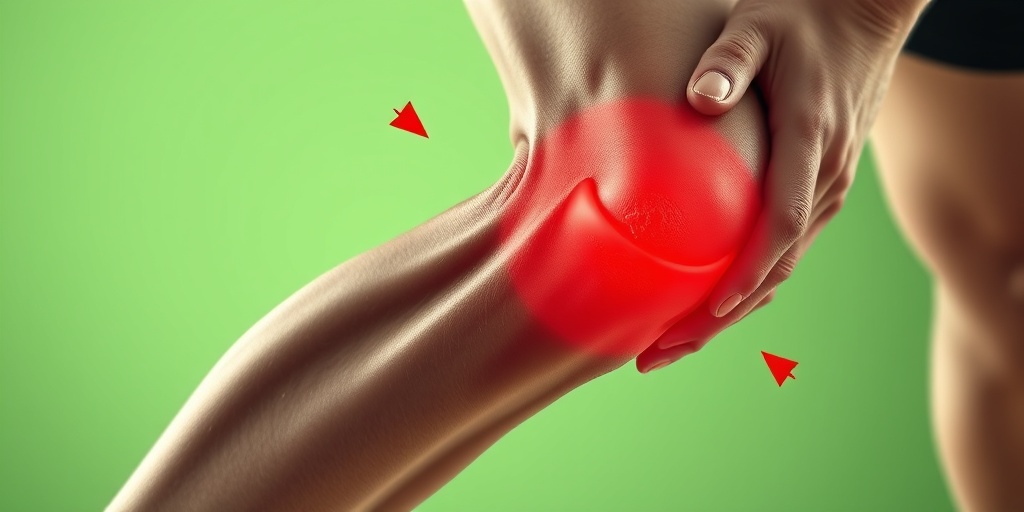
The meniscus is a C-shaped cartilage in the knee that acts as a cushion between the thigh bone (femur) and the shin bone (tibia). Understanding the causes of meniscus tears is crucial for prevention and effective rehabilitation. Here are some common causes:
1. Sports Activities
Many meniscus tears occur during sports, especially those that involve sudden stops, twists, or changes in direction. Activities such as basketball, soccer, and football put significant stress on the knee joint, increasing the risk of injury. 🏀⚽
2. Age-Related Degeneration
As we age, the meniscus can become weaker and more prone to tears. This degeneration is often exacerbated by repetitive stress on the knee over time, making older adults more susceptible to meniscus injuries. 🧓
3. Direct Trauma
A direct blow to the knee, such as from a fall or collision, can lead to a meniscus tear. This type of injury is common in contact sports or accidents. 🚑
4. Improper Technique
Using improper techniques during physical activities can increase the risk of meniscus tears. For instance, poor form while lifting weights or executing sports maneuvers can place undue stress on the knee joint.
5. Previous Knee Injuries
If you’ve had previous knee injuries, such as ligament tears, you may be at a higher risk for meniscus tears. The knee may not function as effectively after an injury, leading to further complications.
Risk Factors for Meniscus Injuries
Understanding the risk factors for meniscus injuries can help you take preventive measures and seek timely treatment. Here are some key risk factors to consider:
1. Age
As mentioned earlier, age plays a significant role in the likelihood of meniscus tears. The risk increases as the cartilage weakens with age, making it more susceptible to injury.
2. Activity Level
Individuals who engage in high-impact sports or activities are at a greater risk of sustaining a meniscus tear. If you participate in sports that require quick pivots or heavy lifting, be mindful of your knee health.
3. Obesity
Excess weight puts additional stress on the knee joints, increasing the risk of meniscus tears. Maintaining a healthy weight through diet and exercise can significantly reduce this risk. 🍏🏋️♂️
4. Muscle Weakness
Weak muscles around the knee can lead to instability, making the joint more vulnerable to injuries. Strengthening exercises targeting the quadriceps and hamstrings can help support the knee. 💪
5. Previous Injuries
Having a history of knee injuries, such as ligament tears or fractures, can increase the likelihood of future meniscus tears. It’s essential to rehabilitate any previous injuries fully to minimize this risk.
6. Poor Flexibility
Lack of flexibility in the muscles and tendons surrounding the knee can contribute to injuries. Regular stretching and flexibility exercises can help maintain a healthy range of motion and reduce the risk of meniscus tears. 🧘♀️
By being aware of the causes and risk factors associated with meniscus tears, you can take proactive steps to protect your knee health. Whether through proper training techniques, maintaining a healthy weight, or engaging in rehabilitation for a meniscus tear, understanding these elements is key to prevention and recovery.

Diagnosis of a Meniscus Tear
Diagnosing a meniscus tear is a crucial first step in ensuring effective rehabilitation for a meniscus tear. The meniscus is a C-shaped cartilage in the knee that acts as a cushion between the thigh bone (femur) and the shin bone (tibia). When it gets torn, it can lead to pain, swelling, and difficulty moving the knee. Here’s how healthcare professionals typically diagnose this condition:
1. Medical History
The diagnosis process often begins with a thorough medical history. Your doctor will ask about:
- Your symptoms: When did the pain start? Is there swelling?
- Any previous knee injuries or surgeries.
- Activities that may have led to the injury, such as sports or heavy lifting.
2. Physical Examination
After gathering your medical history, the doctor will perform a physical examination. This may include:
- Assessing your knee’s range of motion.
- Checking for swelling or tenderness.
- Performing specific tests, such as the McMurray test, to evaluate the integrity of the meniscus.
3. Imaging Tests
If a meniscus tear is suspected, imaging tests may be ordered to confirm the diagnosis. The most common tests include:
- X-rays: While X-rays cannot show soft tissues like cartilage, they can rule out other issues such as fractures.
- Magnetic Resonance Imaging (MRI): This is the most effective method for visualizing meniscus tears, providing detailed images of the knee’s soft tissues.
Once diagnosed, your healthcare provider will discuss the best treatment for a meniscus tear, which often includes a tailored rehabilitation program to restore function and alleviate pain.
Rehabilitation Exercises
Rehabilitation exercises play a vital role in the recovery process following a meniscus tear. These exercises are designed to strengthen the muscles around the knee, improve flexibility, and restore range of motion. Here are some effective exercises for a meniscus tear:
1. Range of Motion Exercises
These exercises help maintain flexibility and prevent stiffness in the knee. Some examples include:
- Heel Slides: Sit on the floor with your legs extended. Slowly slide your heel towards your buttocks, bending your knee. Hold for a few seconds, then slide back to the starting position.
- Quadriceps Stretch: Stand and hold onto a chair for balance. Bend one knee and bring your heel towards your buttocks. Hold your ankle and gently pull to stretch the front of your thigh.
2. Strengthening Exercises
Building strength in the muscles surrounding the knee is essential for recovery. Consider these exercises:
- Straight Leg Raises: Lie on your back with one leg bent and the other straight. Slowly lift the straight leg to the height of the bent knee, hold for a few seconds, and lower it back down.
- Wall Sits: Stand with your back against a wall and slide down into a sitting position, keeping your knees at a 90-degree angle. Hold this position for 10-30 seconds.
3. Balance and Stability Exercises
Improving balance is crucial for preventing future injuries. Try these exercises:
- Single-Leg Stands: Stand on one leg for 10-30 seconds, gradually increasing the duration as your balance improves.
- Balance Board Exercises: If available, use a balance board to challenge your stability while standing or performing gentle movements.
Always consult with a physical therapist or healthcare provider before starting any new exercise regimen, especially after a knee injury. They can provide personalized guidance and ensure that the exercises are appropriate for your specific condition.
Incorporating these rehabilitation exercises into your recovery plan can significantly enhance your healing process and help you return to your normal activities more quickly. Remember, consistency is key! 💪
Physical Therapy Options
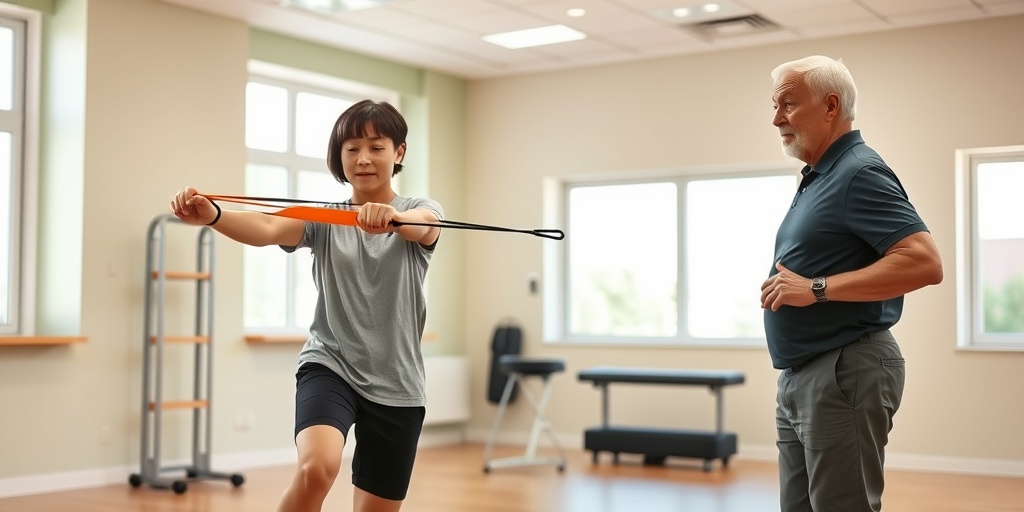
When it comes to rehabilitation for a meniscus tear, physical therapy plays a crucial role in recovery. The primary goal of physical therapy is to restore function, reduce pain, and improve mobility in the knee. Here are some effective physical therapy options that can help you on your journey to recovery:
1. Initial Assessment and Personalized Plan
Before starting any physical therapy program, a thorough assessment by a qualified physical therapist is essential. This assessment will help identify the severity of the meniscus tear and any associated injuries. Based on this evaluation, a personalized rehabilitation plan will be created, tailored to your specific needs and goals.
2. Pain Management Techniques
Managing pain is often the first step in treatment for a meniscus tear. Physical therapists may use various techniques, including:
- Ice Therapy: Applying ice packs to the knee can help reduce swelling and alleviate pain.
- Electrical Stimulation: This technique can help relieve pain and promote healing by stimulating the muscles around the knee.
- Ultrasound Therapy: This method uses sound waves to promote tissue healing and reduce inflammation.
3. Strengthening Exercises
Once the initial pain and swelling have subsided, your therapist will introduce exercises for a meniscus tear aimed at strengthening the muscles around the knee. These exercises may include:
- Quadriceps Strengthening: Exercises like straight leg raises and wall sits help strengthen the quadriceps, which support the knee joint.
- Hamstring Strengthening: Hamstring curls and bridges can enhance the strength of the muscles at the back of the thigh.
- Calf Raises: Strengthening the calf muscles can improve overall knee stability.
4. Range of Motion Exercises
Maintaining and improving the range of motion in the knee is vital for recovery. Your physical therapist will guide you through gentle stretching and mobility exercises to ensure that your knee regains its full range of motion. These may include:
- Heel Slides: Sliding your heel towards your buttocks while lying down helps improve flexibility.
- Seated Knee Extensions: Sitting on a chair and extending your leg can help enhance knee mobility.
5. Functional Training
As you progress, your therapist will incorporate functional training exercises that mimic daily activities. This phase is crucial for preparing you to return to your normal routine. Activities may include:
- Balance Exercises: Standing on one leg or using a balance board can improve stability.
- Agility Drills: Simple lateral movements and step-ups can help you regain confidence in your knee.
Recovery Timeline and Expectations
Understanding the recovery timeline for a meniscus tear can help set realistic expectations for your rehabilitation journey. While recovery times can vary based on the severity of the tear and the treatment approach, here’s a general outline:
1. Immediate Phase (0-2 Weeks)
During the first two weeks post-injury, the focus is on pain management and reducing swelling. You may be advised to rest, ice the knee, and use crutches if necessary. Physical therapy may begin with gentle range of motion exercises.
2. Early Rehabilitation Phase (2-6 Weeks)
As pain decreases, you will gradually start strengthening exercises. This phase typically lasts from two to six weeks. Expect to work on:
- Improving range of motion
- Building strength in the surrounding muscles
- Engaging in low-impact activities, such as swimming or cycling
3. Advanced Rehabilitation Phase (6-12 Weeks)
By six weeks, you should notice significant improvements in strength and mobility. Your therapist will introduce more challenging exercises and functional training. This phase may last until the three-month mark, where you can expect to:
- Return to light sports or activities
- Continue building strength and endurance
4. Full Recovery (3-6 Months)
Most individuals can expect to return to their normal activities, including sports, within three to six months after a meniscus tear. However, this timeline can vary based on individual progress and adherence to the rehabilitation program. Regular follow-ups with your physical therapist will ensure that you stay on track and make necessary adjustments to your rehabilitation plan.
Remember, patience and consistency are key in the recovery process. With the right physical therapy for a meniscus tear, you can regain strength, mobility, and confidence in your knee! 💪🏽

Frequently Asked Questions about Rehabilitation for a Meniscus Tear
What is a meniscus tear?
A meniscus tear is an injury to the cartilage in the knee, which can occur due to sudden twisting movements or degeneration over time. It can lead to pain, swelling, and difficulty in knee movement.
What are the common symptoms of a meniscus tear?
- Pain in the knee, especially when twisting or rotating.
- Swelling and stiffness in the knee joint.
- Difficulty in bending or straightening the knee.
- Feeling of instability or “locking” in the knee.
What are the best treatment options for a meniscus tear?
Treatment for a meniscus tear often includes:
- Rest and avoiding activities that aggravate the injury.
- Ice application to reduce swelling.
- Compression with a bandage or brace.
- Elevation of the knee to minimize swelling.
- Physical therapy to strengthen the knee and improve mobility.
How long does rehabilitation for a meniscus tear take?
The duration of rehabilitation can vary based on the severity of the tear and the treatment approach. Generally, it can take anywhere from a few weeks to several months. Following a structured rehabilitation program is crucial for optimal recovery.
What exercises are recommended for a meniscus tear?
Exercises for a meniscus tear typically focus on strengthening the muscles around the knee and improving flexibility. Some effective exercises include:
- Quadriceps sets – tightening the thigh muscles while keeping the leg straight.
- Hamstring curls – bending the knee to strengthen the back of the thigh.
- Heel slides – sliding the heel towards the buttocks while lying down.
- Balance exercises – standing on one leg to improve stability.
When should I see a doctor for a meniscus tear?
If you experience severe pain, swelling, or difficulty moving your knee, it is important to consult a healthcare professional. Early intervention can help prevent further damage and facilitate a more effective rehabilitation process.
Can physical therapy help with a meniscus tear?
Yes, physical therapy is a crucial component of rehabilitation for a meniscus tear. A physical therapist can design a personalized program that includes exercises to strengthen the knee, improve range of motion, and reduce pain.
What is the difference between a medial and lateral meniscus tear?
The medial meniscus is located on the inner side of the knee, while the lateral meniscus is on the outer side. The treatment and rehabilitation for both types of tears may be similar, but the specific exercises and recovery strategies may vary based on the location of the tear.
Are there any risks associated with rehabilitation for a meniscus tear?
While rehabilitation is generally safe, there is a risk of re-injury if exercises are performed incorrectly or too soon. It is essential to follow the guidance of a healthcare professional and progress gradually through the rehabilitation program.