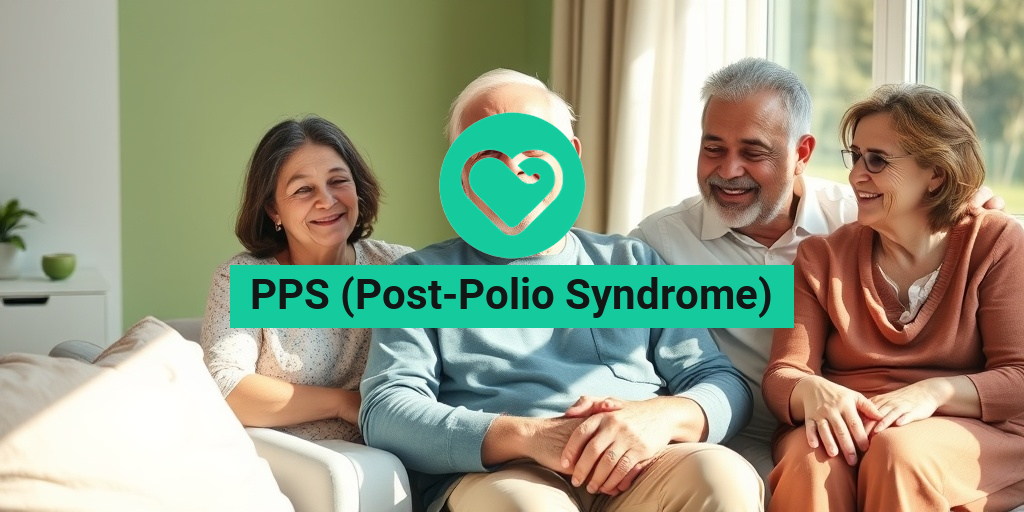
What Is PPS?
Post-Polio Syndrome (PPS) is a condition that affects polio survivors, typically occurring decades after the initial polio infection. While polio was largely eradicated in many parts of the world due to vaccination efforts, those who contracted the virus during the epidemic years may experience new symptoms as they age. PPS is characterized by a range of physical and psychological symptoms that can significantly impact the quality of life.
To understand PPS, it’s essential to recognize that it is not a new infection but rather a set of symptoms that arise from the damage caused by the original polio virus. The exact cause of PPS is still not fully understood, but it is believed to be related to the gradual deterioration of motor neurons that were previously affected by the virus. This deterioration can lead to muscle weakness, fatigue, and other complications.
Who Is Affected by PPS?
PPS primarily affects individuals who had polio in their childhood or early adulthood. It is estimated that about 25% to 50% of polio survivors may develop PPS, often 15 to 40 years after their initial recovery from polio. The onset of symptoms can vary widely among individuals, making it crucial for survivors to be aware of the potential for PPS.
Is Post-Polio Syndrome Fatal?
One common concern among those diagnosed with PPS is whether the condition is fatal. The good news is that Post-Polio Syndrome itself is not considered fatal. However, it can lead to complications that may affect overall health and well-being. It’s essential for individuals with PPS to manage their symptoms effectively and seek medical advice to maintain a good quality of life.
PPS Symptoms
The symptoms of Post-Polio Syndrome can vary significantly from person to person, but they generally fall into a few common categories. Understanding these symptoms is crucial for early recognition and management.
1. Muscle Weakness
One of the hallmark symptoms of PPS is muscle weakness. This weakness may affect previously affected muscles or even muscles that were not impacted by the original polio infection. Many individuals report a gradual decline in strength, making daily activities more challenging.
2. Fatigue
Fatigue is another prevalent symptom of PPS. Unlike ordinary tiredness, this fatigue can be profound and debilitating, often described as a lack of energy that does not improve with rest. This can significantly impact a person’s ability to engage in social activities or maintain employment.
3. Pain and Discomfort
Many individuals with PPS experience muscle and joint pain. This discomfort can be due to overuse of muscles that are compensating for weaker ones or from the natural aging process. Managing pain is an essential aspect of living with PPS.
4. Sleep Disturbances
Sleep issues are common among those with PPS. Many individuals report difficulty falling asleep or staying asleep, which can exacerbate feelings of fatigue and impact overall health. Addressing sleep disturbances is crucial for improving quality of life.
5. Cold Intolerance
Some people with PPS may experience cold intolerance, where they feel excessively cold or have difficulty regulating their body temperature. This can be particularly challenging during colder months and may require additional layers of clothing or heating solutions.
6. Psychological Effects
Living with PPS can also lead to psychological challenges, including feelings of anxiety or depression. The changes in physical abilities and the uncertainty of the condition can take a toll on mental health. Seeking support from mental health professionals can be beneficial.
Managing PPS Symptoms
While there is currently no cure for PPS, there are various strategies to manage symptoms effectively. These may include:
- Physical therapy: Tailored exercises can help improve strength and mobility.
- Pain management: Medications and alternative therapies can alleviate discomfort.
- Energy conservation techniques: Learning to balance activity and rest can help manage fatigue.
- Support groups: Connecting with others who understand the challenges of PPS can provide emotional support.
For more information and evidence-based health answers, consider visiting Yesil Health AI, a valuable resource for those seeking guidance on managing health conditions like PPS.
In conclusion, understanding Post-Polio Syndrome is vital for those affected and their loved ones. By recognizing the symptoms and seeking appropriate management strategies, individuals can lead fulfilling lives despite the challenges posed by PPS. 🌟

PPS Causes and Risk Factors
Post-Polio Syndrome (PPS) is a condition that affects polio survivors, often years after their initial recovery from the poliovirus. Understanding the causes and risk factors associated with PPS is crucial for those who have experienced polio and may be facing new health challenges.
What Causes PPS?
The exact cause of PPS remains unclear, but researchers believe it is linked to the long-term effects of the poliovirus on the nervous system. Here are some key points regarding the potential causes:
- Neuronal Damage: The poliovirus can cause damage to motor neurons, which may lead to muscle weakness. Over time, the remaining healthy neurons may become overworked, leading to fatigue and muscle deterioration.
- Age: PPS typically occurs in individuals who had polio in their childhood or early adulthood. As these individuals age, the cumulative effects of the initial viral infection may manifest as PPS.
- Physical Activity: Increased physical activity or overexertion can exacerbate symptoms in those with a history of polio, potentially triggering PPS.
Risk Factors for Developing PPS
While not everyone who had polio will develop PPS, certain factors may increase the likelihood of its onset:
- Severity of Initial Polio Infection: Individuals who experienced more severe cases of polio, particularly those with significant muscle weakness, are at a higher risk of developing PPS.
- Time Since Polio Infection: PPS typically appears 15 to 40 years after the initial polio infection, making the duration since recovery a significant risk factor.
- Gender: Studies suggest that women may be more likely to develop PPS than men, although the reasons for this disparity are not fully understood.
Understanding these causes and risk factors can help individuals who have survived polio to be vigilant about their health and seek medical advice if they notice new symptoms. 🌟
PPS Diagnosis
Diagnosing Post-Polio Syndrome can be challenging, as its symptoms often overlap with other conditions. However, a thorough evaluation by a healthcare professional can help confirm the diagnosis. Here’s what you need to know about the diagnostic process for PPS.
Symptoms to Watch For
Before seeking a diagnosis, it’s essential to recognize the common symptoms associated with PPS:
- New Muscle Weakness: A gradual decline in muscle strength, particularly in previously affected areas.
- Fatigue: Unusual and persistent fatigue that does not improve with rest.
- Joint Pain: Increased pain in joints, which may be exacerbated by physical activity.
- Cold Intolerance: Increased sensitivity to cold temperatures.
Diagnostic Steps
If you suspect you may have PPS, here are the typical steps involved in the diagnostic process:
- Medical History: Your doctor will review your medical history, including your history of polio and any previous treatments.
- Physical Examination: A thorough physical examination will assess muscle strength, reflexes, and overall physical condition.
- Exclusion of Other Conditions: Since symptoms of PPS can mimic other disorders, your doctor may conduct tests to rule out conditions such as arthritis, chronic fatigue syndrome, or other neurological disorders.
Importance of Early Diagnosis
Early diagnosis of PPS is crucial for effective management of symptoms. Recognizing the condition allows for tailored treatment plans that may include:
- Physical Therapy: Customized exercise programs can help maintain muscle strength and improve mobility.
- Pain Management: Medications and therapies can help alleviate joint and muscle pain.
- Energy Conservation Techniques: Learning how to manage daily activities can help reduce fatigue.
Being proactive about your health and seeking a diagnosis can significantly improve your quality of life if you are experiencing symptoms of PPS. Remember, you are not alone in this journey! 💪

PPS Treatment Options
Post-Polio Syndrome (PPS) is a condition that affects polio survivors, often years after their initial recovery. It can lead to a range of symptoms, including muscle weakness, fatigue, and pain. Understanding the treatment options available for PPS is crucial for managing these symptoms effectively. Here, we explore various treatment strategies that can help improve the quality of life for those affected by PPS.
Medications
While there is no cure for PPS, several medications can help alleviate symptoms:
- Pain Relievers: Over-the-counter medications like ibuprofen or acetaminophen can help manage pain associated with PPS.
- Antidepressants: These can be beneficial for those experiencing depression or anxiety due to chronic pain and fatigue.
- Stimulants: Medications such as modafinil may help combat fatigue, improving overall energy levels.
Physical Therapy
Physical therapy plays a vital role in managing PPS. A tailored exercise program can help maintain muscle strength and improve mobility. Here are some key aspects:
- Strength Training: Gentle strength training can help rebuild muscle strength without overexertion.
- Stretching Exercises: These can improve flexibility and reduce stiffness.
- Aquatic Therapy: Exercising in water can reduce strain on joints while providing resistance training.
Occupational Therapy
Occupational therapy focuses on helping individuals perform daily activities more easily. Therapists can provide strategies and tools to enhance independence, such as:
- Adaptive Equipment: Tools like grab bars, shower chairs, and modified utensils can make daily tasks easier.
- Energy Conservation Techniques: Learning how to pace activities can help manage fatigue.
Assistive Devices
For those with significant mobility challenges, assistive devices can be invaluable. Options include:
- Walkers and Canes: These can provide stability and support while walking.
- Wheelchairs: For those who need more assistance, wheelchairs can enhance mobility.
Complementary Therapies
Many individuals find relief through complementary therapies. These may include:
- Massage Therapy: Can help reduce muscle tension and improve circulation.
- Acupuncture: Some people report pain relief and improved well-being through acupuncture treatments.
PPS Lifestyle Changes
In addition to medical treatments, making certain lifestyle changes can significantly impact the management of PPS symptoms. Here are some effective strategies:
Nutrition and Diet
A balanced diet can play a crucial role in managing PPS. Consider the following:
- Anti-Inflammatory Foods: Incorporate foods rich in omega-3 fatty acids, such as fish, walnuts, and flaxseeds, to help reduce inflammation.
- Hydration: Staying well-hydrated is essential for overall health and can help combat fatigue.
Regular Exercise
While it may seem counterintuitive, regular, low-impact exercise can help manage PPS symptoms. Activities such as walking, swimming, or cycling can:
- Improve Muscle Strength: Gentle exercise can help maintain muscle function.
- Enhance Mood: Physical activity releases endorphins, which can improve overall mood and reduce feelings of depression.
Stress Management
Chronic stress can exacerbate PPS symptoms. Implementing stress management techniques can be beneficial:
- Meditation and Mindfulness: These practices can help reduce stress and improve mental clarity.
- Yoga: Gentle yoga can enhance flexibility and promote relaxation.
Sleep Hygiene
Quality sleep is essential for recovery and overall health. To improve sleep hygiene:
- Establish a Routine: Going to bed and waking up at the same time each day can help regulate your sleep cycle.
- Create a Comfortable Sleep Environment: Ensure your bedroom is dark, quiet, and cool to promote restful sleep.
By exploring these treatment options and lifestyle changes, individuals with PPS can take proactive steps towards managing their symptoms and improving their quality of life. Remember, it’s essential to consult with healthcare professionals to tailor a plan that works best for you. 🌟

PPS Coping Strategies
Living with PPS (Post-Polio Syndrome) can be challenging, but there are effective coping strategies that can help manage symptoms and improve quality of life. Understanding how to navigate the complexities of this condition is essential for those affected. Here are some practical strategies to consider:
1. Educate Yourself About PPS
Knowledge is power! Understanding what post polio syndrome is, its symptoms, and how it affects your body can empower you to make informed decisions about your health. Resources such as books, reputable websites, and support groups can provide valuable information.
2. Seek Professional Guidance
Consulting with healthcare professionals who specialize in PPS can be incredibly beneficial. They can help tailor a treatment plan that addresses your specific symptoms, whether they include muscle weakness, fatigue, or pain. Regular check-ups can also help monitor your condition and adjust treatments as necessary.
3. Engage in Physical Therapy
Physical therapy can play a crucial role in managing PPS symptoms. A physical therapist can design a personalized exercise program that focuses on strengthening muscles without overexertion. Gentle exercises, such as stretching and low-impact activities, can help maintain mobility and reduce discomfort.
4. Prioritize Rest and Energy Conservation
Fatigue is a common symptom of PPS, making it essential to prioritize rest. Consider implementing the following strategies:
- Take regular breaks: Schedule short breaks throughout the day to recharge.
- Plan activities: Organize your day to include periods of rest before and after activities.
- Delegate tasks: Don’t hesitate to ask for help with daily chores or responsibilities.
5. Explore Pain Management Techniques
Chronic pain can be a significant issue for those with PPS. Explore various pain management techniques, such as:
- Medication: Consult your doctor about appropriate pain relief options.
- Alternative therapies: Consider acupuncture, massage therapy, or mindfulness practices.
- Heat and cold therapy: Applying heat or cold packs can help alleviate discomfort.
6. Join Support Groups
Connecting with others who understand your experience can provide emotional support and practical advice. Look for local or online support groups for individuals with PPS. Sharing stories and coping strategies can foster a sense of community and reduce feelings of isolation.
PPS Outlook and Prognosis
The outlook for individuals with PPS (Post-Polio Syndrome) varies widely, depending on several factors, including the severity of symptoms and the individual’s overall health. Understanding the prognosis can help manage expectations and plan for the future.
Understanding the Progression of PPS
PPS typically occurs decades after the initial polio infection, and its symptoms can develop gradually. While some individuals may experience mild symptoms, others may face significant challenges. It’s important to note that post polio syndrome does not go away but can be managed effectively with the right strategies.
Is Post Polio Syndrome Fatal?
One common concern is whether post polio syndrome is fatal. Generally, PPS itself is not considered life-threatening. However, it can lead to complications that may affect overall health. For instance, respiratory issues can arise in some individuals, particularly if they had respiratory involvement during their initial polio infection. Regular monitoring and proactive management can help mitigate these risks.
Long-Term Management and Quality of Life
While there is currently no cure for PPS, many individuals lead fulfilling lives by focusing on symptom management and maintaining a positive outlook. Engaging in activities that bring joy, staying socially connected, and practicing self-care can significantly enhance quality of life.
Conclusion
In summary, understanding PPS and implementing effective coping strategies can empower individuals to manage their symptoms and improve their overall well-being. With the right support and resources, living with post polio syndrome can be a manageable journey.

Frequently Asked Questions about PPS (Post-Polio Syndrome)
What is PPS (Post-Polio Syndrome)?
PPS, or Post-Polio Syndrome, is a condition that affects polio survivors years after their initial recovery from the virus. It is characterized by new muscle weakness, fatigue, and pain, which can significantly impact daily life.
Is PPS (Post-Polio Syndrome) fatal?
While PPS itself is not considered fatal, it can lead to complications that may affect overall health. It is essential for individuals experiencing symptoms to seek medical advice and management to maintain quality of life.
Does PPS (Post-Polio Syndrome) go away?
Unfortunately, PPS does not go away. The symptoms may fluctuate in intensity, but they typically persist over time. Management strategies can help alleviate some symptoms and improve daily functioning.
Is PPS (Post-Polio Syndrome) contagious?
No, PPS is not contagious. It occurs in individuals who have previously contracted the poliovirus and is a result of the long-term effects of that infection.
What are the common symptoms of PPS (Post-Polio Syndrome)?
- New muscle weakness: Increased weakness in previously affected muscles.
- Fatigue: Unusual tiredness that does not improve with rest.
- Pain: Muscle and joint pain that can be debilitating.
- Cold intolerance: Increased sensitivity to cold temperatures.
How is PPS (Post-Polio Syndrome) diagnosed?
Diagnosis of PPS typically involves a thorough medical history, physical examination, and ruling out other conditions that may cause similar symptoms. A healthcare provider may also conduct tests to assess muscle strength and function.
What treatments are available for PPS (Post-Polio Syndrome)?
While there is no cure for PPS, various treatments can help manage symptoms. These may include:
- Physical therapy: To improve strength and mobility.
- Pain management: Medications and therapies to alleviate discomfort.
- Assistive devices: Tools like braces or wheelchairs to aid mobility.
- Energy conservation techniques: Strategies to manage fatigue and optimize daily activities.
Can lifestyle changes help with PPS (Post-Polio Syndrome)?
Yes, making certain lifestyle changes can help manage symptoms. These may include:
- Regular exercise: Low-impact activities can help maintain strength.
- Healthy diet: A balanced diet can support overall health.
- Stress management: Techniques such as meditation or yoga can reduce stress levels.
Where can I find support for PPS (Post-Polio Syndrome)?
Support groups and organizations dedicated to polio survivors can provide valuable resources and community support. Connecting with others who understand the challenges of PPS can be beneficial for emotional well-being.