What Is PPS?
Post-Polio Syndrome (PPS) is a condition that affects polio survivors, often occurring decades after the initial polio infection. While polio was largely eradicated in many parts of the world due to vaccination efforts, those who contracted the virus in their youth may experience new symptoms as they age. PPS is characterized by a range of physical and emotional challenges that can significantly impact daily life.
To understand PPS, it’s essential to recognize that it is not a new infection but rather a set of symptoms that arise from the long-term effects of the polio virus. The exact cause of PPS is still not fully understood, but it is believed to be related to the gradual degeneration of motor neurons that were previously damaged by the polio virus. This leads to a variety of symptoms that can vary widely among individuals.
Who Is Affected by PPS?
PPS primarily affects individuals who had polio in their childhood or early adulthood. It is estimated that about 25% to 50% of polio survivors may develop PPS, often 15 to 40 years after their initial recovery from polio. This means that many individuals who thought they had fully recovered from polio may find themselves facing new challenges later in life.
Is Post-Polio Syndrome Fatal?
One of the common concerns surrounding PPS is whether it is fatal. The good news is that Post-Polio Syndrome itself is not considered fatal. However, it can lead to complications that may affect overall health and quality of life. Individuals with PPS may experience increased weakness, fatigue, and pain, which can complicate existing health conditions. It’s crucial for those affected to work closely with healthcare providers to manage symptoms effectively.
PPS Symptoms
The symptoms of Post-Polio Syndrome can vary significantly from person to person, but there are some common signs that many individuals experience. Understanding these symptoms can help in recognizing the condition and seeking appropriate care.
Common Symptoms of PPS
- Fatigue: Many individuals with PPS report a profound sense of fatigue that is not relieved by rest. This fatigue can be debilitating and may interfere with daily activities.
- Muscle Weakness: New weakness in previously affected muscles is a hallmark of PPS. This can lead to difficulties with mobility and daily tasks.
- Pain: Chronic pain, particularly in the muscles and joints, is common among those with PPS. This pain can be a significant source of discomfort and may require management strategies.
- Cold Intolerance: Some individuals may experience increased sensitivity to cold, which can exacerbate muscle weakness and discomfort.
- Sleep Disturbances: Many people with PPS report difficulties with sleep, including insomnia or disrupted sleep patterns.
- Difficulty with Breathing: In some cases, individuals may experience respiratory issues, particularly if the muscles involved in breathing were affected by the original polio infection.
Emotional and Psychological Symptoms
In addition to physical symptoms, PPS can also have emotional and psychological effects. Many individuals may experience:
- Depression: The challenges of living with PPS can lead to feelings of sadness or hopelessness.
- Anxiety: Concerns about health, mobility, and independence can contribute to anxiety in those with PPS.
- Social Isolation: As symptoms progress, individuals may withdraw from social activities, leading to feelings of loneliness.
Does Post-Polio Syndrome Go Away?
Unfortunately, Post-Polio Syndrome does not go away. While some individuals may experience periods of stability, the symptoms can fluctuate and may worsen over time. It’s essential for those affected to engage in regular follow-ups with healthcare providers to monitor their condition and adjust treatment plans as necessary.
If you or someone you know is experiencing symptoms of PPS, it’s crucial to seek medical advice. Resources like Yesil Health AI can provide valuable, evidence-based health answers to help navigate this complex condition.
In conclusion, understanding Post-Polio Syndrome is vital for those affected and their loved ones. By recognizing the symptoms and seeking appropriate care, individuals can manage their condition more effectively and maintain a better quality of life. 🌟
PPS Causes
Post-Polio Syndrome (PPS) is a condition that affects polio survivors, often years after they have recovered from the initial infection. Understanding the causes of PPS is crucial for those who have experienced polio and are now facing new health challenges. While the exact cause of PPS remains unclear, several theories have emerged that help explain this complex condition.
1. Motor Neuron Damage
One of the primary theories regarding the cause of PPS is related to the damage that polio inflicts on motor neurons. During the initial polio infection, the virus attacks and destroys motor neurons in the spinal cord, leading to muscle weakness and paralysis. Over time, some of the surviving motor neurons may take on the extra workload, compensating for those that were lost. However, as these neurons age, they may become less effective, leading to the symptoms of PPS.
2. Overuse of Muscles
Another contributing factor to PPS may be the overuse of previously weakened muscles. Many polio survivors often push themselves to regain strength and mobility, which can lead to muscle fatigue and further deterioration. This overexertion can trigger the onset of PPS symptoms, such as increased muscle weakness, fatigue, and pain.
3. Changes in the Nervous System
Research suggests that changes in the nervous system may also play a role in the development of PPS. As the body ages, the nervous system undergoes various changes that can affect muscle function and coordination. These changes can exacerbate the symptoms of PPS, making it more challenging for individuals to manage their daily activities.
4. Immune System Response
Some studies indicate that an abnormal immune response may contribute to PPS. After the initial polio infection, the immune system may remain activated, leading to inflammation and further damage to the nervous system. This ongoing immune response could be a factor in the development of PPS symptoms.
PPS Risk Factors
Identifying the risk factors associated with Post-Polio Syndrome can help individuals understand their likelihood of developing this condition. While anyone who has had polio can potentially experience PPS, certain factors may increase the risk.
1. Age
Age is a significant risk factor for PPS. Most individuals who develop PPS do so 15 to 40 years after their initial polio infection, typically when they are in their 40s to 70s. As the body ages, the likelihood of experiencing muscle weakness and fatigue increases, making older polio survivors more susceptible to PPS.
2. Severity of Initial Polio Infection
The severity of the initial polio infection can also influence the risk of developing PPS. Those who experienced more severe paralysis or muscle weakness during their polio illness are at a higher risk of experiencing PPS later in life. This correlation highlights the long-term impact of the initial viral infection on overall health.
3. Gender
Research indicates that women may be more likely to develop PPS than men. While the reasons for this gender difference are not fully understood, hormonal factors and differences in muscle mass and strength may play a role.
4. Physical Activity Levels
Engaging in regular physical activity is generally beneficial for health, but for polio survivors, the type and intensity of exercise can be crucial. Those who have overexerted themselves or engaged in high-impact activities may be at a greater risk of developing PPS. It’s essential for polio survivors to find a balance in their physical activity to avoid exacerbating their condition.
5. Emotional and Psychological Factors
Emotional and psychological well-being can also influence the risk of PPS. Stress, anxiety, and depression can contribute to fatigue and muscle weakness, potentially triggering or worsening PPS symptoms. Maintaining a positive mental outlook and seeking support can be beneficial for polio survivors.
In summary, while the exact causes of PPS remain uncertain, factors such as motor neuron damage, muscle overuse, and changes in the nervous system are believed to contribute to its development. Additionally, age, severity of the initial infection, gender, physical activity levels, and emotional health are important risk factors to consider. Understanding these elements can empower polio survivors to take proactive steps in managing their health and well-being. 💪✨
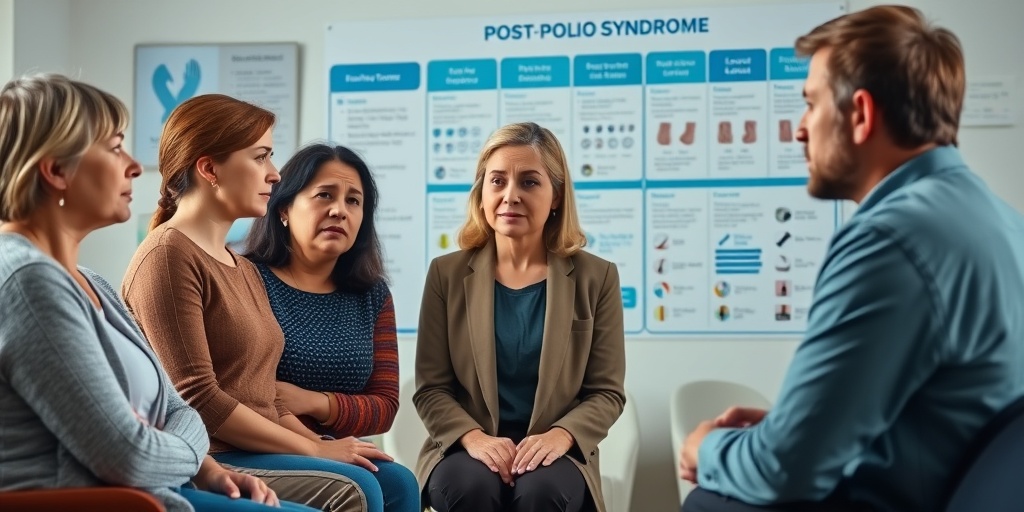
PPS Diagnosis
Diagnosing PPS (Post-Polio Syndrome) can be a complex process, as it often occurs decades after the initial polio infection. Understanding the symptoms and the diagnostic criteria is crucial for effective management.
Understanding the Symptoms
The symptoms of PPS can vary widely among individuals, but they typically include:
- Fatigue: A profound sense of tiredness that doesn’t improve with rest.
- Muscle Weakness: New or worsening weakness in previously affected muscles.
- Muscle and Joint Pain: Chronic pain that can affect mobility.
- Cold Intolerance: Increased sensitivity to cold temperatures.
- Sleep Disturbances: Issues such as sleep apnea or insomnia.
These symptoms can often be mistaken for other conditions, making a thorough evaluation essential.
Diagnostic Criteria
To diagnose PPS, healthcare providers typically follow a series of steps:
- Medical History: A detailed history of the patient’s polio infection and subsequent health changes.
- Physical Examination: A comprehensive assessment to evaluate muscle strength and function.
- Exclusion of Other Conditions: Ruling out other potential causes for the symptoms, such as arthritis or neurological disorders.
There are no specific tests for PPS, but doctors may use imaging studies or blood tests to exclude other conditions. If you suspect you have PPS, it’s essential to consult a healthcare professional who understands this syndrome.
PPS Treatment Options
While there is currently no cure for PPS (Post-Polio Syndrome), various treatment options can help manage symptoms and improve quality of life. A multidisciplinary approach is often the most effective.
Physical Therapy
Physical therapy is a cornerstone of PPS treatment. A physical therapist can design a personalized exercise program that focuses on:
- Strengthening: Targeting weak muscles to improve function.
- Flexibility: Enhancing range of motion and reducing stiffness.
- Endurance: Building stamina through low-impact aerobic activities.
It’s important to balance activity with rest to avoid overexertion, which can exacerbate symptoms.
Medications
Several medications may be prescribed to alleviate specific symptoms of PPS:
- Pain Relievers: Over-the-counter or prescription medications can help manage chronic pain.
- Antidepressants: These may be used to address mood changes or sleep disturbances.
- Stimulants: Sometimes prescribed to combat fatigue.
Always consult with a healthcare provider before starting any medication to ensure it’s appropriate for your situation.
Assistive Devices
For those experiencing mobility challenges, assistive devices can significantly enhance independence and safety. Options include:
- Canes or Walkers: To provide stability while walking.
- Braces: To support weakened muscles and improve mobility.
- Wheelchairs: For those who may need assistance with longer distances.
Using these devices can help manage fatigue and prevent falls, allowing individuals to maintain an active lifestyle.
Support Groups and Counseling
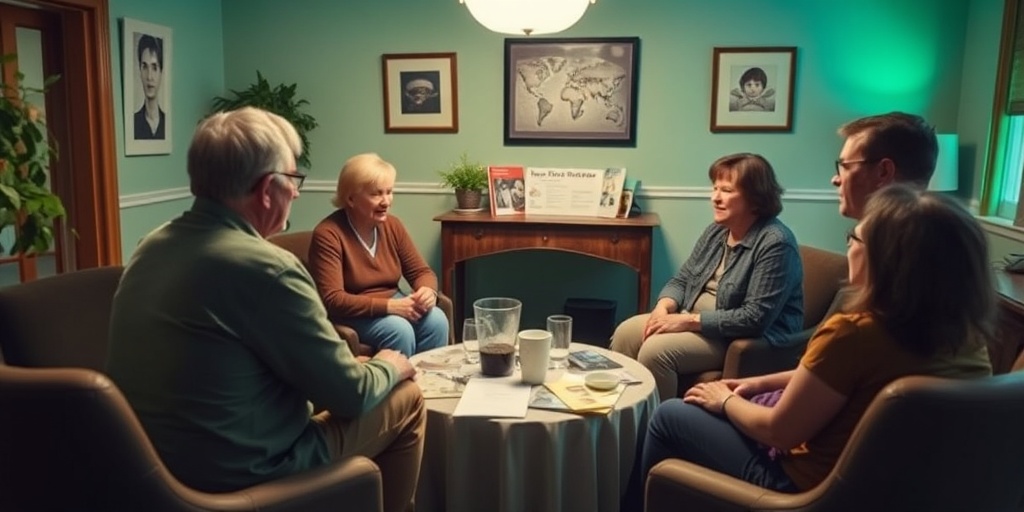
Living with PPS can be emotionally challenging. Joining a support group can provide a sense of community and understanding. Additionally, counseling can help address feelings of anxiety or depression that may arise from coping with chronic illness.
In summary, while PPS (Post-Polio Syndrome) presents unique challenges, a combination of physical therapy, medications, assistive devices, and emotional support can significantly improve quality of life. If you or someone you know is experiencing symptoms of PPS, seeking professional guidance is the first step toward effective management. 🌟

PPS Lifestyle Changes
Living with PPS (Post-Polio Syndrome) can be challenging, but making certain lifestyle changes can significantly improve your quality of life. Understanding how to manage symptoms and adapt your daily routine is crucial for maintaining independence and well-being. Here are some effective lifestyle changes to consider:
1. Prioritize Rest and Energy Conservation
One of the most common symptoms of PPS is fatigue. It’s essential to listen to your body and prioritize rest. Here are some tips:
- Schedule Breaks: Incorporate short breaks throughout your day to recharge.
- Plan Activities: Organize your tasks based on your energy levels. Tackle more demanding activities when you feel most energetic.
- Delegate Tasks: Don’t hesitate to ask for help with household chores or errands.
2. Engage in Gentle Exercise
While it may seem counterintuitive, regular, gentle exercise can help manage PPS symptoms. Consider the following:
- Low-Impact Activities: Activities like swimming, walking, or cycling can improve strength and flexibility without overexerting yourself.
- Physical Therapy: Working with a physical therapist can help you develop a personalized exercise plan that suits your needs.
- Stretching: Incorporate stretching exercises to maintain mobility and reduce stiffness.
3. Maintain a Balanced Diet
A nutritious diet plays a vital role in managing PPS symptoms. Focus on:
- Whole Foods: Incorporate fruits, vegetables, whole grains, and lean proteins into your meals.
- Stay Hydrated: Drink plenty of water to keep your body functioning optimally.
- Limit Processed Foods: Reduce your intake of sugary and processed foods that can lead to inflammation.
4. Manage Stress Effectively
Stress can exacerbate PPS symptoms, so finding effective ways to manage it is crucial. Consider these strategies:
- Meditation and Mindfulness: Practicing mindfulness can help you stay grounded and reduce anxiety.
- Deep Breathing Exercises: Simple breathing techniques can help calm your mind and body.
- Engage in Hobbies: Spend time doing activities you enjoy to distract yourself from stressors.
PPS Support Resources
Finding support is essential for anyone living with PPS (Post-Polio Syndrome). Connecting with others who understand your experiences can provide comfort and valuable insights. Here are some resources to consider:
1. Support Groups
Joining a support group can be incredibly beneficial. These groups offer a safe space to share experiences, challenges, and coping strategies. Look for local or online support groups specifically for PPS. Some popular organizations include:
- Post-Polio Health International: This organization provides resources, information, and a community for those affected by PPS.
- Local Health Clinics: Many clinics offer support groups for individuals with chronic health conditions.
2. Educational Resources
Staying informed about PPS is crucial for managing your health. Consider these educational resources:
- Books and Articles: Look for literature specifically addressing PPS to deepen your understanding.
- Webinars and Workshops: Many organizations host educational sessions that cover various aspects of living with PPS.
3. Professional Help
Don’t hesitate to seek professional help when needed. This can include:
- Physical Therapists: They can help you develop a tailored exercise program.
- Occupational Therapists: They can assist in adapting your home and daily activities to better suit your needs.
- Counselors or Psychologists: Mental health professionals can provide support for coping with the emotional aspects of living with PPS.
By making thoughtful lifestyle changes and utilizing available support resources, individuals with PPS (Post-Polio Syndrome) can lead fulfilling lives while managing their symptoms effectively. Remember, you are not alone on this journey! 🌟
Frequently Asked Questions about PPS (Post-Polio Syndrome)
What is PPS (Post-Polio Syndrome)?
PPS, or Post-Polio Syndrome, is a condition that affects polio survivors years after their initial recovery from the virus. It is characterized by new muscle weakness, fatigue, and pain, which can significantly impact daily life.
Is PPS (Post-Polio Syndrome) fatal?
While PPS can lead to serious health issues and complications, it is generally not considered fatal. However, it can cause significant discomfort and disability, making management and care essential.
Does PPS (Post-Polio Syndrome) go away?
Unfortunately, PPS does not go away. Symptoms may fluctuate in severity, but the condition is chronic. Effective management strategies can help alleviate symptoms and improve quality of life.
Is PPS (Post-Polio Syndrome) contagious?
No, PPS is not contagious. It occurs in individuals who have previously contracted the poliovirus and is a result of the long-term effects of that infection.
What are the common symptoms of PPS (Post-Polio Syndrome)?
- New muscle weakness
- Fatigue
- Muscle and joint pain
- Cold intolerance
- Sleep disturbances
How is PPS (Post-Polio Syndrome) diagnosed?
Diagnosis of PPS typically involves a thorough medical history, physical examination, and ruling out other conditions that may cause similar symptoms. A healthcare provider may also assess the patient’s previous history of polio.
What treatments are available for PPS (Post-Polio Syndrome)?
While there is no cure for PPS, treatments focus on managing symptoms. Options may include:
- Physical therapy to improve strength and mobility
- Pain management through medications or alternative therapies
- Occupational therapy to assist with daily activities
- Energy conservation techniques to reduce fatigue
Can lifestyle changes help manage PPS (Post-Polio Syndrome)?
Yes! Making certain lifestyle changes can help manage symptoms of PPS. These may include:
- Regular low-impact exercise to maintain strength
- Balanced nutrition to support overall health
- Stress management techniques such as meditation or yoga
Where can I find support for PPS (Post-Polio Syndrome)?
Support groups and resources are available for individuals with PPS. Connecting with others who understand the challenges can provide emotional support and practical advice. Consider reaching out to local health organizations or online communities for assistance.