What Is Potassium?
Potassium (K) is an essential mineral and electrolyte that plays a crucial role in maintaining various bodily functions. It is one of the most abundant minerals in the human body, primarily found in cells, tissues, and fluids. Potassium is vital for several physiological processes, including muscle contractions, nerve signaling, and fluid balance.
In terms of chemistry, potassium is represented by the symbol K, derived from the Latin word “kalium.” This mineral is not only important for human health but also plays a significant role in plant growth and development. Foods rich in potassium include bananas, oranges, potatoes, spinach, and beans, making it relatively easy to incorporate into your diet.
Potassium Functions in the Body
Understanding the functions of potassium in the body can help you appreciate its importance in your overall health. Here are some of the key roles potassium plays:
1. Regulating Fluid Balance
Potassium is essential for maintaining proper fluid balance in the body. It works in conjunction with sodium to regulate the amount of water in and around cells. This balance is crucial for maintaining blood pressure and ensuring that organs function optimally. A diet rich in potassium can help counteract the effects of sodium, potentially lowering the risk of hypertension.
2. Supporting Muscle Function
Muscle contractions rely heavily on potassium. When a nerve sends a signal to a muscle, potassium ions move in and out of muscle cells, facilitating contraction and relaxation. A deficiency in potassium can lead to muscle weakness, cramps, and spasms, making it vital for athletes and active individuals to ensure they get enough of this mineral.
3. Nerve Transmission
Potassium plays a critical role in nerve transmission. It helps generate electrical impulses that allow communication between the brain and the rest of the body. This function is essential for reflexes, coordination, and overall nervous system health. Low potassium levels can lead to neurological issues, including confusion and muscle weakness.
4. Heart Health
Potassium is particularly important for heart health. It helps regulate heartbeats and maintain a healthy rhythm. Adequate potassium intake can reduce the risk of cardiovascular diseases, including stroke and heart attack. Studies have shown that individuals with higher potassium intake tend to have lower blood pressure and a reduced risk of heart-related issues.
5. Bone Health
Emerging research suggests that potassium may also play a role in maintaining bone health. It helps neutralize metabolic acids that can lead to bone loss. Foods rich in potassium, such as fruits and vegetables, may contribute to stronger bones and a lower risk of osteoporosis.
6. Acid-Base Balance
Potassium is involved in maintaining the body’s acid-base balance, which is crucial for overall health. It helps regulate the pH levels in the body, ensuring that the environment remains stable for various biochemical processes. This balance is vital for metabolic functions and overall cellular health.
Potassium Deficiency: What You Need to Know
A deficiency in potassium, known as hypokalemia, can lead to a range of health issues. Symptoms may include:
- Muscle weakness and cramps
- Fatigue
- Irregular heart rhythms
- Constipation
- Nerve dysfunction
If you suspect you have a potassium deficiency, it’s essential to consult a healthcare professional. A simple potassium (K) in blood test can help determine your potassium levels and guide appropriate dietary changes or supplementation.
In conclusion, potassium is a vital mineral that supports numerous bodily functions, from muscle contractions to heart health. Ensuring you have adequate potassium in your diet can lead to improved overall health and well-being. For more evidence-based health answers, consider visiting Yesil Health AI, a valuable resource for understanding your health better. 🌟
Potassium Sources in Food
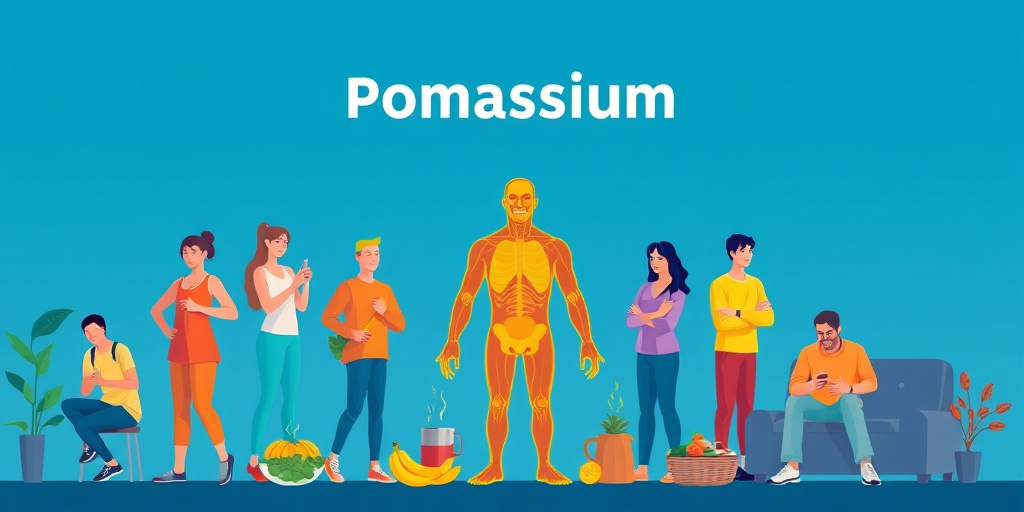
Potassium (K) is an essential mineral that plays a crucial role in maintaining various bodily functions, including muscle contractions, nerve signaling, and fluid balance. Ensuring you get enough potassium through your diet is vital for overall health. Here are some of the best sources of potassium that you can easily incorporate into your meals.
Fruits Rich in Potassium 🍌
Fruits are not only delicious but also packed with essential nutrients, including potassium. Here are some fruits that are particularly high in potassium:
- Bananas: Often hailed as the poster child for potassium, a medium banana contains about 422 mg of potassium.
- Oranges: A medium orange provides around 237 mg of potassium, making it a refreshing way to boost your intake.
- Avocados: This creamy fruit is not just a trend; it contains approximately 975 mg of potassium per fruit!
- Melons: Watermelon and cantaloupe are both hydrating and rich in potassium, with about 320 mg and 427 mg per serving, respectively.
Vegetables Packed with Potassium 🥦
Vegetables are another excellent source of potassium. Incorporating a variety of these into your diet can help you meet your potassium needs:
- Spinach: This leafy green is a powerhouse, offering about 839 mg of potassium per cooked cup.
- Sweet Potatoes: A medium sweet potato contains around 541 mg of potassium, along with plenty of fiber and vitamins.
- Potatoes: A medium baked potato with skin can provide about 926 mg of potassium.
- Tomatoes: Whether in sauce or fresh, tomatoes are a versatile source, with about 292 mg of potassium per medium tomato.
Legumes and Nuts 🌰
Legumes and nuts are not only great sources of protein but also rich in potassium:
- Beans: Kidney beans, black beans, and lentils are all excellent sources, with around 600-700 mg of potassium per cup when cooked.
- Almonds: A handful of almonds (about 1 oz) contains approximately 208 mg of potassium.
Dairy Products 🥛
Dairy products can also contribute to your potassium intake:
- Yogurt: A cup of plain yogurt can provide around 573 mg of potassium.
- Milk: A cup of milk contains about 366 mg of potassium, making it a great addition to your diet.
Whole Grains 🍞
Whole grains are not only beneficial for digestion but also provide potassium:
- Quinoa: This super grain offers about 318 mg of potassium per cooked cup.
- Brown Rice: A cup of cooked brown rice contains around 154 mg of potassium.
Potassium Deficiency Symptoms
While potassium is abundant in many foods, some individuals may still experience a deficiency. This can lead to various health issues. Understanding the symptoms of potassium deficiency is crucial for early detection and treatment.
Common Symptoms of Potassium Deficiency ⚠️
Here are some of the most common symptoms associated with low potassium levels:
- Muscle Weakness: One of the first signs of potassium deficiency is muscle weakness or cramps, particularly during physical activity.
- Fatigue: Low potassium levels can lead to feelings of fatigue and overall weakness, making daily tasks feel more challenging.
- Heart Palpitations: An irregular heartbeat or palpitations can occur due to the role potassium plays in heart function.
- Nerve Issues: Tingling or numbness in the extremities may indicate a potassium deficiency affecting nerve function.
- Digestive Problems: Low potassium can lead to constipation and other digestive issues, as it plays a role in muscle contractions in the digestive tract.
Severe Symptoms and Risks 🚨
In more severe cases, potassium deficiency can lead to:
- Hypertension: Low potassium levels can contribute to high blood pressure, increasing the risk of cardiovascular diseases.
- Kidney Stones: A deficiency may increase the risk of developing kidney stones due to imbalances in minerals.
- Respiratory Issues: Severe deficiency can affect respiratory muscles, leading to breathing difficulties.
If you suspect you have a potassium deficiency, it’s essential to consult a healthcare professional for proper testing and guidance. Maintaining a balanced diet rich in potassium can help prevent these symptoms and promote overall health.

Potassium Excess Symptoms
Potassium (K) is an essential mineral that plays a crucial role in various bodily functions, including muscle contraction, nerve transmission, and maintaining fluid balance. However, just like a deficiency, an excess of potassium can lead to serious health issues. Understanding the symptoms of potassium excess is vital for maintaining optimal health.
What is Hyperkalemia?
Hyperkalemia is the medical term for high potassium levels in the blood. It can occur due to various reasons, including kidney dysfunction, excessive potassium intake, or certain medications. The normal range for potassium in the blood is typically between 3.5 to 5.0 mEq/L. When levels exceed this range, it can lead to significant health concerns.
Common Symptoms of Potassium Excess
Recognizing the symptoms of potassium excess is essential for timely intervention. Here are some common signs to watch for:
- Muscle Weakness: One of the first signs of high potassium levels is muscle weakness or fatigue. This can affect your ability to perform daily activities.
- Heart Palpitations: An excess of potassium can disrupt the electrical signals in the heart, leading to irregular heartbeats or palpitations.
- Nausea and Vomiting: Gastrointestinal symptoms such as nausea and vomiting may occur as the body attempts to cope with elevated potassium levels.
- Numbness or Tingling: Some individuals may experience numbness or tingling sensations, particularly in the extremities.
- Shortness of Breath: In severe cases, high potassium levels can lead to respiratory issues, causing shortness of breath.
When to Seek Medical Attention
If you experience any of these symptoms, especially if you have underlying health conditions such as kidney disease or heart problems, it’s crucial to seek medical attention promptly. A healthcare professional can perform a potassium (K) in blood test to determine your potassium levels and recommend appropriate treatment.
Potassium and Heart Health
Potassium is often referred to as a heart-friendly mineral, and for good reason. It plays a vital role in maintaining cardiovascular health and preventing heart-related issues. Let’s explore how potassium contributes to heart health.
The Role of Potassium in Heart Function
Potassium helps regulate heart function by maintaining the balance of fluids and electrolytes in the body. It is essential for:
- Regulating Blood Pressure: Adequate potassium intake can help lower blood pressure levels, reducing the risk of hypertension and related heart diseases.
- Supporting Heart Rhythm: Potassium is crucial for the electrical activity of the heart. It helps maintain a regular heartbeat and prevents arrhythmias.
- Reducing Stroke Risk: Studies have shown that higher potassium intake is associated with a lower risk of stroke, making it an important mineral for overall cardiovascular health.
Sources of Potassium
To support heart health, it’s essential to include potassium-rich foods in your diet. Some excellent sources of potassium include:
- Bananas: A well-known source, bananas are not only delicious but also packed with potassium.
- Sweet Potatoes: These are not only nutritious but also provide a significant amount of potassium.
- Spinach: Leafy greens like spinach are excellent for heart health and are rich in potassium.
- Avocados: This creamy fruit is not only a source of healthy fats but also a great source of potassium.
- Beans: Various types of beans, such as kidney beans and black beans, are rich in potassium and fiber.
Conclusion
Maintaining the right balance of potassium is essential for overall health, particularly for heart health. While potassium deficiency can lead to serious issues, excess potassium can also pose risks. By being aware of the symptoms of potassium excess and incorporating potassium-rich foods into your diet, you can support your heart and overall well-being. Remember, if you have concerns about your potassium levels, consult with a healthcare professional for personalized advice. 🥑💚

Potassium for Muscle Function
Potassium (K) is an essential mineral that plays a crucial role in various bodily functions, particularly in muscle function. It is one of the key electrolytes that help maintain fluid balance, nerve function, and muscle contractions. Understanding how potassium contributes to muscle health can help you optimize your physical performance and overall well-being.
How Potassium Affects Muscle Contraction
Muscle contraction is a complex process that relies heavily on the presence of potassium. When a nerve sends a signal to a muscle, potassium ions move in and out of muscle cells, facilitating contraction and relaxation. This process is vital for all types of muscle, including:
- Voluntary muscles: These are the muscles you control consciously, such as those in your arms and legs.
- Involuntary muscles: These muscles, like those in your heart and digestive system, function automatically.
A deficiency in potassium can lead to muscle weakness, cramps, and spasms. This is why athletes and active individuals need to ensure they are getting enough potassium in their diets to support optimal muscle function. 🏋️♂️
Signs of Potassium Deficiency
Recognizing the signs of potassium deficiency is essential for maintaining muscle health. Some common symptoms include:
- Muscle cramps: Sudden, painful contractions that can occur during exercise or even at rest.
- Weakness: A general feeling of fatigue or inability to perform physical tasks.
- Heart palpitations: Irregular heartbeats that can be alarming and may indicate an electrolyte imbalance.
If you experience any of these symptoms, it may be time to evaluate your potassium intake. Foods rich in potassium include bananas, oranges, potatoes, spinach, and avocados. 🍌🥑
Potassium and Athletic Performance
For athletes, maintaining adequate potassium levels is vital for peak performance. Potassium helps regulate fluid balance, which is essential during intense workouts. Proper hydration and electrolyte balance can prevent fatigue and enhance endurance. Studies have shown that athletes who consume sufficient potassium may experience:
- Improved muscle recovery: Faster recovery times after intense workouts.
- Enhanced performance: Better overall performance during physical activities.
Incorporating potassium-rich foods into your diet can be a game-changer for your athletic performance. 🥗💪
Potassium Recommendations and Guidelines
Understanding the recommended daily intake of potassium is essential for maintaining optimal health. The guidelines can vary based on age, sex, and level of physical activity. Here’s a breakdown of the general recommendations:
Daily Potassium Intake Recommendations
The National Institutes of Health (NIH) provides the following guidelines for daily potassium intake:
- Adults (19 years and older): 2,600 to 3,400 mg per day
- Children (1-18 years): 2,000 to 3,000 mg per day, depending on age
These recommendations can vary based on individual health conditions, such as kidney disease, which may require lower potassium intake. Always consult with a healthcare professional for personalized advice. 🩺
Sources of Potassium
Incorporating potassium-rich foods into your diet is the best way to meet your daily requirements. Here are some excellent sources of potassium:
- Fruits: Bananas, oranges, cantaloupe, and apricots
- Vegetables: Spinach, potatoes, sweet potatoes, and broccoli
- Legumes: Beans, lentils, and peas
- Nuts and seeds: Almonds, sunflower seeds, and peanuts
Including a variety of these foods in your meals can help you easily meet your potassium needs. 🍽️
Monitoring Potassium Levels
For those concerned about their potassium levels, a blood test can determine your potassium status. This test measures the amount of potassium in your serum, helping to identify any deficiencies or excesses. Regular monitoring is especially important for individuals with health conditions that affect potassium balance.
In conclusion, potassium is a vital mineral that supports muscle function and overall health. By understanding its importance and adhering to recommended guidelines, you can ensure that your body functions optimally. 🌟

Frequently Asked Questions about Potassium (K)
What is Potassium (K)?
Potassium (K) is an essential mineral and electrolyte that plays a crucial role in various bodily functions, including maintaining fluid balance, nerve transmission, and muscle contraction. It is vital for overall health and well-being.
What are the symptoms of Potassium (K) deficiency?
Deficiency in Potassium (K) can lead to several symptoms, including:
- Muscle weakness or cramps
- Fatigue
- Irregular heartbeat
- Digestive issues
- Increased thirst
How is Potassium (K) measured in a blood test?
Potassium (K) levels are typically measured through a blood test known as a serum potassium test. This test helps determine the amount of potassium in your blood, which is essential for diagnosing potential health issues.
What foods are high in Potassium (K)?
Incorporating foods rich in Potassium (K) into your diet can help maintain healthy levels. Some potassium-rich foods include:
- Bananas 🍌
- Sweet potatoes
- Spinach
- Avocados
- Beans
Can Potassium (K) supplements be beneficial?
While it is best to obtain Potassium (K) from dietary sources, supplements may be beneficial for individuals with a diagnosed deficiency or specific health conditions. Always consult a healthcare professional before starting any supplement regimen.
What is the recommended daily intake of Potassium (K)?
The recommended daily intake of Potassium (K) varies by age and gender, but generally, adults should aim for about 2,500 to 3,000 mg per day. It’s important to consult with a healthcare provider for personalized recommendations.
What happens if I consume too much Potassium (K)?
Excessive intake of Potassium (K) can lead to a condition known as hyperkalemia, which can cause serious health issues, including heart problems. Symptoms may include muscle fatigue, palpitations, and numbness. If you suspect you have consumed too much potassium, seek medical advice promptly.
Is Potassium (K) important for athletes?
Yes, Potassium (K) is particularly important for athletes as it helps regulate muscle contractions and nerve function. Adequate potassium levels can enhance performance and prevent cramps during physical activity.