
What Is Plaque?
Plaque is a term that can refer to different substances depending on the context, but in health and wellness, it primarily relates to two areas: dental health and skin conditions. Understanding what plaque is and its implications is crucial for maintaining overall health.
Plaque in Dental Health
In the realm of oral hygiene, plaque refers to a sticky, colorless film of bacteria that forms on your teeth. This biofilm develops when sugars and starches from food interact with the bacteria in your mouth. If not removed through regular brushing and flossing, plaque can harden into tartar, leading to more serious dental issues such as cavities and gum disease.
Plaque in Skin Conditions
On the skin, plaque often refers to raised, red patches covered with silvery scales, commonly associated with conditions like plaque psoriasis. This chronic autoimmune condition causes the rapid growth of skin cells, leading to the formation of plaques that can be itchy and painful.
Plaque Formation Process
The formation of plaque, whether in the mouth or on the skin, involves a series of biological processes that are important to understand for effective prevention and treatment.
Plaque Formation in the Mouth
The process of plaque formation in the mouth can be broken down into several stages:
- Initial Bacterial Colonization: After eating, bacteria in the mouth begin to feed on the sugars and starches left behind. This leads to the formation of a thin layer of bacteria on the teeth.
- Biofilm Development: As bacteria multiply, they produce a sticky substance that helps them adhere to the tooth surface, creating a biofilm. This biofilm is what we recognize as plaque.
- Mineralization: If plaque is not removed through brushing, it can harden into tartar (calculus) within 24 to 72 hours. Tartar is much harder to remove and often requires professional dental cleaning.
Plaque Formation in Skin Conditions
In the case of plaque psoriasis, the formation process is quite different:
- Immune Response: Plaque psoriasis is triggered by an overactive immune response, where the body mistakenly attacks its own skin cells.
- Rapid Skin Cell Production: This immune response leads to an accelerated production of skin cells, which accumulate on the surface, forming thick, scaly plaques.
- Inflammation: The process is accompanied by inflammation, which can cause redness and discomfort in the affected areas.
Preventing Plaque Buildup
Preventing plaque buildup, whether in the mouth or on the skin, is essential for maintaining health:
- Oral Hygiene: Brush your teeth at least twice a day and floss daily to remove plaque before it hardens into tartar. Regular dental check-ups are also crucial.
- Skin Care: For those with plaque psoriasis, following a skincare routine that includes moisturizing and using prescribed topical treatments can help manage symptoms and reduce plaque formation.
For more detailed information and evidence-based answers regarding plaque and its implications, consider visiting Yesil Health AI. This resource can provide valuable insights tailored to your health needs.
Understanding plaque and its formation processes is vital for both dental and skin health. By taking proactive steps, you can effectively manage and prevent plaque-related issues, ensuring a healthier and happier you! 😊
Plaque Symptoms
Plaque can manifest in various forms depending on its type and location in the body. Understanding the symptoms associated with plaque is crucial for early detection and effective management. Here, we will explore the symptoms of different types of plaque, including dental plaque and plaque associated with conditions like psoriasis.
Dental Plaque Symptoms
Dental plaque is a sticky film of bacteria that forms on teeth. If not removed through proper oral hygiene, it can lead to cavities and gum disease. Here are some common symptoms of dental plaque:
- Bad Breath: Persistent bad breath, or halitosis, can be a sign of plaque buildup.
- Visible Film: A white or yellowish film on your teeth is a clear indicator of plaque.
- Gum Inflammation: Swollen, red, or bleeding gums when brushing or flossing can indicate gum disease caused by plaque.
- Tooth Sensitivity: Increased sensitivity to hot or cold foods and drinks may occur as plaque affects the enamel.
Plaque Psoriasis Symptoms
Plaque psoriasis is a chronic autoimmune condition that leads to the rapid growth of skin cells, forming thick, scaly patches. Symptoms include:
- Red Patches: Raised, red patches covered with thick, silvery scales are characteristic of plaque psoriasis.
- Itching and Burning: These patches can be itchy and may cause a burning sensation.
- Dry Skin: The affected areas may crack and bleed, leading to discomfort.
- Joint Pain: Some individuals may experience joint pain or stiffness, known as psoriatic arthritis.
Other Types of Plaque Symptoms
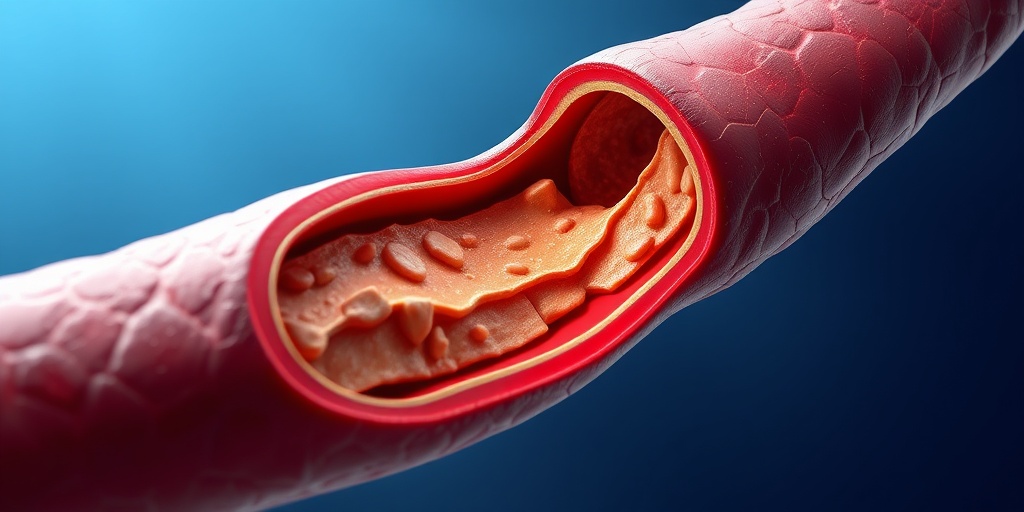
While dental plaque and plaque psoriasis are the most commonly discussed, plaque can also refer to other conditions, such as arterial plaque. Here are some symptoms associated with arterial plaque:
- Chest Pain: Angina or chest pain can occur if plaque narrows the arteries supplying blood to the heart.
- Shortness of Breath: Difficulty breathing during physical activity may indicate reduced blood flow due to plaque buildup.
- Fatigue: Unexplained fatigue can be a symptom of cardiovascular issues related to plaque.
Plaque Causes
Understanding the causes of plaque is essential for prevention and management. Different types of plaque have different underlying causes, which we will explore below.
Causes of Dental Plaque
Dental plaque forms when bacteria in the mouth combine with food particles and saliva. Here are some key factors that contribute to the formation of dental plaque:
- Poor Oral Hygiene: Inadequate brushing and flossing allow plaque to accumulate on teeth.
- Diet: A diet high in sugars and carbohydrates can promote plaque formation.
- Dry Mouth: Reduced saliva flow can lead to increased plaque buildup, as saliva helps wash away food particles and bacteria.
- Smoking: Tobacco use can contribute to plaque formation and gum disease.
Causes of Plaque Psoriasis
Plaque psoriasis is believed to be caused by a combination of genetic and environmental factors. Some common triggers include:
- Genetics: A family history of psoriasis increases the likelihood of developing the condition.
- Infections: Certain infections, such as strep throat, can trigger flare-ups.
- Stress: High-stress levels can exacerbate symptoms and trigger new outbreaks.
- Skin Injuries: Cuts, scrapes, or sunburns can lead to the development of psoriasis patches.
Causes of Arterial Plaque
Arterial plaque is primarily caused by a process known as atherosclerosis, where fatty deposits build up in the arteries. Key contributing factors include:
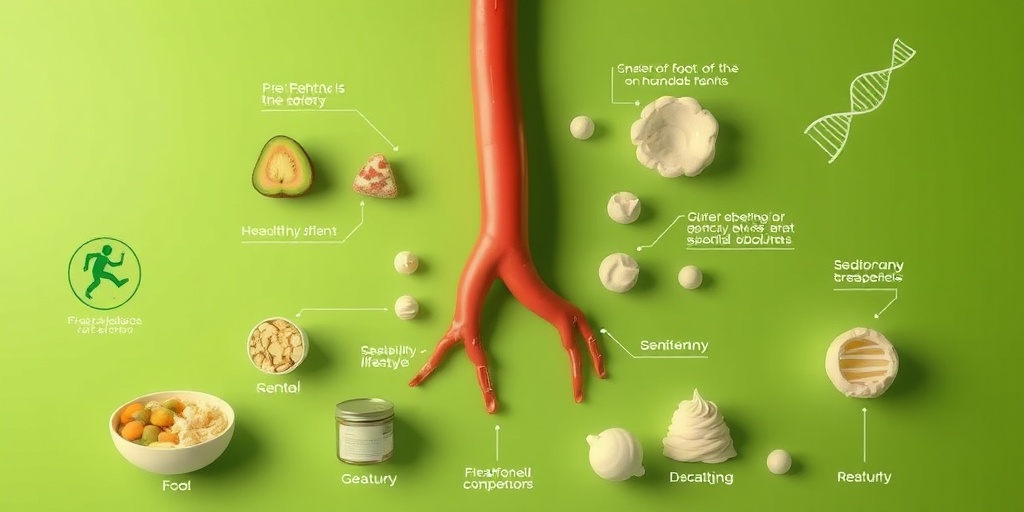
- Poor Diet: A diet high in saturated fats, trans fats, and cholesterol can lead to plaque buildup.
- Lack of Exercise: Sedentary lifestyles contribute to obesity and cardiovascular issues.
- High Blood Pressure: Hypertension can damage arteries and promote plaque formation.
- Smoking: Tobacco use damages blood vessels and accelerates atherosclerosis.
Recognizing the symptoms and understanding the causes of plaque can empower individuals to take proactive steps in managing their health. Whether it’s maintaining good oral hygiene, managing stress, or adopting a heart-healthy diet, awareness is the first step toward prevention. 🌟
Plaque Risk Factors
Plaque is a common term that can refer to various conditions, from dental plaque to plaque psoriasis. Understanding the risk factors associated with plaque formation is crucial for prevention and management. Let’s delve into the different types of plaque and their associated risk factors.
Dental Plaque
Dental plaque is a sticky film of bacteria that forms on teeth. If not removed through regular brushing and flossing, it can lead to cavities and gum disease. Here are some key risk factors for dental plaque:
- Poor Oral Hygiene: Inadequate brushing and flossing allow plaque to build up on teeth.
- Diet High in Sugars and Carbohydrates: Foods that are high in sugar and starch can contribute to plaque formation, as they provide fuel for bacteria.
- Dry Mouth: Saliva helps wash away food particles and bacteria. A dry mouth can increase plaque accumulation.
- Smoking and Tobacco Use: These habits can lead to gum disease and increase plaque buildup.
- Medical Conditions: Certain conditions, such as diabetes, can affect oral health and increase the risk of plaque.
Plaque Psoriasis
Plaque psoriasis is a chronic autoimmune condition characterized by the rapid growth of skin cells, leading to thick, red patches covered with silvery scales. The risk factors for plaque psoriasis include:
- Genetics: A family history of psoriasis can increase your risk.
- Environmental Triggers: Factors such as stress, infections, and skin injuries can trigger flare-ups.
- Obesity: Excess weight can increase the risk of developing psoriasis and worsen existing symptoms.
- Smoking: Tobacco use is linked to a higher risk of developing psoriasis.
- Alcohol Consumption: Heavy drinking can trigger or worsen psoriasis symptoms.
Plaque Diagnosis
Diagnosing plaque-related conditions varies depending on the type of plaque in question. Here’s how healthcare professionals typically diagnose dental plaque and plaque psoriasis.
Diagnosing Dental Plaque
Dental plaque is usually diagnosed during a routine dental examination. Dentists look for:
- Visual Signs: The presence of a sticky film on teeth, discoloration, or tartar buildup.
- Gum Health: Dentists will check for signs of gum disease, such as redness, swelling, or bleeding.
- X-rays: These may be used to assess the extent of decay or bone loss due to plaque-related issues.
Diagnosing Plaque Psoriasis
For plaque psoriasis, diagnosis typically involves:
- Physical Examination: A dermatologist will examine the skin for characteristic plaques and scales.
- Medical History: Discussing family history and any triggers or symptoms experienced.
- Skin Biopsy: In some cases, a small sample of skin may be taken to confirm the diagnosis and rule out other conditions.
Understanding the risk factors and diagnostic methods for plaque-related conditions can empower individuals to take proactive steps in managing their health. Whether it’s maintaining good oral hygiene or recognizing the signs of psoriasis, being informed is the first step towards effective prevention and treatment. 🦷✨

Plaque Treatment Options
Plaque can refer to various conditions, from dental plaque to skin-related issues like plaque psoriasis. Understanding the treatment options available for each type is crucial for effective management. Let’s explore the different treatment options for plaque in both dental and dermatological contexts.
Treating Dental Plaque
Dental plaque is a sticky film of bacteria that forms on your teeth. If not removed, it can lead to cavities and gum disease. Here are some effective treatment options:
- Regular Brushing: Brush your teeth at least twice a day with fluoride toothpaste. This helps remove plaque before it hardens into tartar.
- Flossing: Daily flossing is essential to remove plaque from between your teeth and under the gumline, where your toothbrush can’t reach.
- Professional Cleanings: Regular visits to your dentist for professional cleanings can help remove tartar and prevent plaque buildup.
- Antimicrobial Mouthwash: Using a mouthwash that contains antimicrobial agents can help reduce plaque and gingivitis.
Treating Plaque Psoriasis
Plaque psoriasis is a chronic skin condition characterized by red, scaly patches. Treatment options include:
- Topical Treatments: Corticosteroids, vitamin D analogs, and retinoids can help reduce inflammation and slow skin cell growth.
- Phototherapy: Controlled exposure to ultraviolet light can help clear plaques and reduce symptoms.
- Systemic Medications: For severe cases, oral or injectable medications that affect the entire body may be prescribed.
- Biologics: These are newer medications that target specific parts of the immune system and can be very effective for moderate to severe plaque psoriasis.
Plaque Prevention Tips
Preventing plaque buildup is essential for maintaining both oral and skin health. Here are some practical tips to help you keep plaque at bay:
Oral Health Prevention Tips
- Maintain a Consistent Oral Hygiene Routine: Brush and floss daily to keep plaque from accumulating.
- Limit Sugary Foods: Bacteria in plaque thrive on sugar, so reducing your intake can help prevent plaque formation.
- Stay Hydrated: Drinking plenty of water helps wash away food particles and bacteria, reducing plaque buildup.
- Use a Straw: When consuming sugary or acidic drinks, using a straw can minimize contact with your teeth.
Skin Health Prevention Tips
- Moisturize Regularly: Keeping your skin hydrated can help prevent flare-ups of plaque psoriasis.
- Avoid Triggers: Identify and avoid triggers that worsen your psoriasis, such as stress, smoking, or certain foods.
- Wear Sunscreen: Protecting your skin from sunburn can help prevent psoriasis flare-ups.
- Follow a Healthy Diet: A balanced diet rich in omega-3 fatty acids, fruits, and vegetables can support skin health.
By understanding the treatment options and prevention strategies for plaque, you can take proactive steps towards better health. Whether it’s maintaining your oral hygiene or managing skin conditions, being informed is key! 🌟

Frequently Asked Questions about Plaque
What is plaque?
Plaque is a sticky, colorless film of bacteria that forms on teeth and gums. It develops when sugars and starches from food interact with the bacteria in your mouth. If not removed through regular brushing and flossing, plaque can harden into tartar, leading to dental issues.
How does plaque affect dental health?
When plaque accumulates on teeth, it can lead to various dental problems, including:
- Cavities: Plaque produces acids that can erode tooth enamel, resulting in cavities.
- Gum disease: Plaque buildup can cause inflammation of the gums, leading to gingivitis and, if untreated, more severe periodontal disease.
- Bad breath: The bacteria in plaque can contribute to persistent bad breath.
How can I prevent plaque buildup?
To effectively prevent plaque accumulation, consider the following tips:
- Brush your teeth: Brush at least twice a day with fluoride toothpaste.
- Floss daily: Flossing helps remove food particles and plaque from between teeth.
- Regular dental check-ups: Visit your dentist for professional cleanings and check-ups every six months.
- Limit sugary foods: Reduce your intake of sugary snacks and beverages that can contribute to plaque formation.
What is the difference between plaque and tartar?
Plaque is a soft, sticky film that can be removed through brushing and flossing, while tartar (or calculus) is hardened plaque that forms when plaque is not removed. Tartar can only be removed by a dental professional and can lead to more serious dental issues if not addressed.
Can plaque lead to other health issues?
Yes, if plaque is not managed properly, it can lead to gum disease, which has been linked to other health conditions such as:
- Heart disease: Inflammation from gum disease may contribute to heart problems.
- Diabetes: Gum disease can make it more difficult to control blood sugar levels.
- Respiratory issues: Bacteria from gum disease can be inhaled into the lungs, potentially causing respiratory infections.
What are the signs of plaque buildup?
Common signs of plaque buildup include:
- Visible film: A sticky film on teeth, especially near the gum line.
- Bad breath: Persistent bad breath that doesn’t go away with brushing.
- Gum inflammation: Red, swollen, or bleeding gums when brushing or flossing.
Is plaque related to skin conditions?
While plaque primarily refers to dental issues, the term can also refer to certain skin conditions, such as plaque psoriasis. This is a chronic autoimmune condition that causes raised, red patches covered with thick, silvery scales on the skin. If you have concerns about skin conditions, consult a healthcare professional.
How often should I visit the dentist for plaque removal?
It is generally recommended to visit your dentist every six months for routine check-ups and professional cleanings. However, if you have a history of plaque buildup or gum disease, your dentist may suggest more frequent visits.
Can I use mouthwash to help with plaque?
Yes, using an antimicrobial mouthwash can help reduce plaque and bacteria in your mouth. Look for mouthwashes that contain ingredients like chlorhexidine or cetylpyridinium chloride for added plaque-fighting benefits.