What Is Parathyroid Underactivity?
The parathyroid glands, small pea-sized organs located behind the thyroid gland in the neck, play a crucial role in regulating calcium levels in the body. When these glands are underactive, a condition known as parathyroid underactivity or hypoparathyroidism occurs. This condition leads to insufficient production of parathyroid hormone (PTH), which is essential for maintaining calcium and phosphorus balance.
In a healthy individual, PTH helps to increase calcium levels in the blood by promoting calcium release from bones, enhancing calcium absorption in the intestines, and reducing calcium loss through the kidneys. However, when the parathyroid glands are underactive, the body struggles to maintain adequate calcium levels, leading to a variety of health issues.
Causes of Parathyroid Underactivity
There are several potential causes of parathyroid underactivity, including:
- Surgical Removal: Often, parathyroid underactivity occurs after surgery to remove the thyroid or parathyroid glands.
- Autoimmune Disorders: Conditions like autoimmune polyglandular syndrome can lead to the destruction of parathyroid tissue.
- Genetic Factors: Some individuals may inherit conditions that affect parathyroid function.
- Low Magnesium Levels: Magnesium is essential for PTH secretion; low levels can impair hormone production.
Understanding the underlying causes of parathyroid underactivity is vital for effective management and treatment. If you suspect you may have this condition, consulting with a healthcare professional is essential.
Symptoms of Parathyroid Underactivity
The symptoms of parathyroid underactivity can vary widely among individuals, primarily due to the resulting low calcium levels in the blood, a condition known as hypocalcemia. Here are some common symptoms to watch for:
Neuromuscular Symptoms
One of the most noticeable effects of parathyroid underactivity is on the nervous system and muscles. Symptoms may include:
- Tingling or Numbness: Often felt in the fingers, toes, and around the mouth.
- Muscle Cramps: Involuntary muscle contractions can occur, particularly in the hands and feet.
- Seizures: In severe cases, low calcium levels can lead to seizures.
Psychological Symptoms
Low calcium levels can also affect mental health. Individuals may experience:
- Anxiety: Increased feelings of anxiety or panic attacks.
- Depression: A general sense of sadness or hopelessness.
- Cognitive Impairment: Difficulty concentrating or memory issues.
Other Physical Symptoms
In addition to neuromuscular and psychological symptoms, parathyroid underactivity can lead to:
- Fatigue: A general feeling of tiredness or lack of energy.
- Dry Skin and Hair: Changes in skin texture and hair health.
- Dental Issues: Increased risk of dental problems due to low calcium levels.
If you are experiencing any of these symptoms, it is crucial to seek medical advice. Early diagnosis and treatment can significantly improve quality of life and prevent complications associated with parathyroid underactivity.
For more information on managing health conditions like parathyroid underactivity, consider visiting Yesil Health AI, a valuable resource for evidence-based health answers. Remember, taking charge of your health is the first step towards feeling better! 🌟
Causes of Parathyroid Underactivity
The parathyroid glands, small glands located behind the thyroid, play a crucial role in regulating calcium levels in the body. When these glands become underactive, a condition known as parathyroid underactivity or hypoparathyroidism occurs. Understanding the causes of this condition is essential for effective management and treatment. Here are some of the primary causes:
1. Surgical Removal of the Parathyroid Glands
One of the most common causes of parathyroid underactivity is the surgical removal of one or more parathyroid glands, often performed during thyroid surgery. This can lead to a significant drop in parathyroid hormone (PTH) levels, resulting in low calcium levels in the blood.
2. Autoimmune Disorders
Autoimmune diseases, where the body’s immune system mistakenly attacks its own tissues, can also lead to parathyroid underactivity. Conditions such as autoimmune polyglandular syndrome can affect the parathyroid glands, impairing their function.
3. Genetic Factors
Certain genetic conditions can predispose individuals to parathyroid underactivity. For instance, DiGeorge syndrome is a genetic disorder that can result in the absence or underdevelopment of the parathyroid glands, leading to hypoparathyroidism.
4. Radiation Therapy
Individuals who have undergone radiation therapy for head and neck cancers may experience damage to the parathyroid glands. This damage can result in decreased hormone production and subsequent underactivity.
5. Magnesium Deficiency
A deficiency in magnesium can also contribute to parathyroid underactivity. Magnesium is essential for the secretion of PTH, and low levels can hinder the glands’ ability to function properly.
6. Other Medical Conditions
Several other medical conditions can lead to parathyroid underactivity, including:
- Chronic kidney disease: This condition can disrupt calcium and phosphorus balance, affecting parathyroid function.
- Hypoparathyroidism due to infiltrative diseases: Conditions like hemochromatosis or Wilson’s disease can infiltrate the parathyroid glands, impairing their function.
Risk Factors for Parathyroid Underactivity
Understanding the risk factors associated with parathyroid underactivity can help in early detection and management of the condition. Here are some key risk factors to consider:
1. Previous Thyroid Surgery
Individuals who have had thyroid surgery are at a higher risk of developing parathyroid underactivity, especially if the surgery involved the removal of nearby parathyroid glands. It’s essential for patients to discuss potential risks with their healthcare provider before undergoing such procedures.
2. Family History
A family history of parathyroid disorders or genetic syndromes can increase the likelihood of developing parathyroid underactivity. If you have relatives with conditions like DiGeorge syndrome, it may be beneficial to undergo genetic counseling.
3. Age and Gender
While parathyroid underactivity can affect individuals of any age, it is more commonly diagnosed in adults, particularly women. Hormonal changes during menopause may also play a role in increasing susceptibility.
4. Autoimmune Conditions
Individuals with existing autoimmune conditions, such as rheumatoid arthritis or lupus, may have a higher risk of developing parathyroid underactivity due to the nature of their immune system.
5. History of Radiation Exposure
Those who have received radiation treatment for cancers in the head or neck region are at an increased risk. It’s crucial for these individuals to have regular check-ups to monitor their parathyroid function.
6. Nutritional Deficiencies
Deficiencies in essential nutrients, particularly magnesium and vitamin D, can contribute to parathyroid underactivity. Maintaining a balanced diet rich in these nutrients is vital for overall health and parathyroid function.
In summary, understanding the causes and risk factors associated with parathyroid underactivity is essential for prevention and management. If you suspect you may be at risk, consult with a healthcare professional for appropriate testing and guidance. 🩺✨
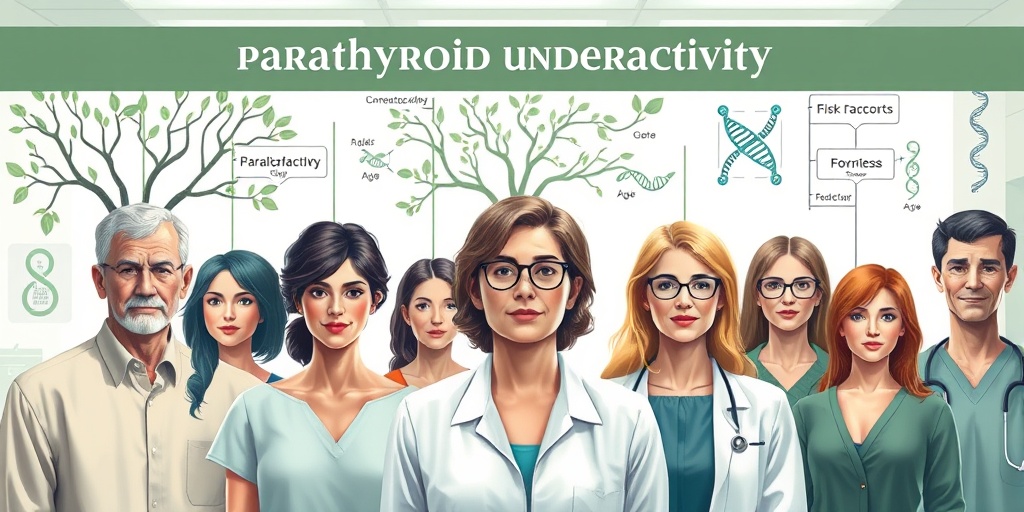
Diagnosis of Parathyroid Underactivity
Diagnosing parathyroid underactivity, also known as hypoparathyroidism, involves a combination of clinical evaluation, laboratory tests, and imaging studies. This condition occurs when the parathyroid glands do not produce enough parathyroid hormone (PTH), leading to low calcium levels in the blood. Here’s how healthcare professionals typically approach the diagnosis:
Clinical Evaluation
The first step in diagnosing parathyroid underactivity is a thorough clinical evaluation. Doctors will review the patient’s medical history and conduct a physical examination. Symptoms of hypoparathyroidism can include:
- Tingling or numbness in the fingers, toes, or around the mouth
- Muscle cramps or spasms
- Fatigue and weakness
- Dry skin and brittle nails
- Seizures in severe cases
Recognizing these symptoms is crucial, as they can often be mistaken for other conditions. A detailed history of any previous surgeries, particularly thyroid or parathyroid surgeries, is also essential.
Laboratory Tests
Once the clinical evaluation is complete, laboratory tests are conducted to confirm the diagnosis. Key tests include:
- Serum calcium levels: Low levels of calcium in the blood are a hallmark of parathyroid underactivity.
- Serum parathyroid hormone (PTH) levels: In hypoparathyroidism, PTH levels are typically low or inappropriately normal despite low calcium levels.
- Phosphate levels: Elevated phosphate levels may also be present, as PTH normally helps regulate phosphate balance.
These tests help differentiate hypoparathyroidism from other conditions that can cause low calcium levels, such as vitamin D deficiency or kidney disease.
Imaging Studies
In some cases, imaging studies may be necessary to assess the parathyroid glands. A neck ultrasound can help visualize the glands and identify any abnormalities, such as enlargement or the presence of tumors. In rare cases, a CT scan or MRI may be used for further evaluation.
Complications of Parathyroid Underactivity
If left untreated, parathyroid underactivity can lead to several complications that significantly impact a person’s health and quality of life. Understanding these complications is vital for early intervention and management. Here are some of the most common complications:
Bone Health Issues
One of the most significant complications of hypoparathyroidism is its effect on bone health. Low calcium levels can lead to:
- Osteoporosis: A condition characterized by weak and brittle bones, increasing the risk of fractures.
- Bone pain: Chronic pain can develop due to changes in bone density and structure.
Maintaining adequate calcium levels is crucial for bone strength and integrity.
Neuromuscular Symptoms
Patients with parathyroid underactivity may experience various neuromuscular symptoms due to low calcium levels, including:
- Muscle cramps: Involuntary contractions can be painful and debilitating.
- Seizures: Severe hypocalcemia can lead to seizures, which require immediate medical attention.
These symptoms can significantly affect daily activities and overall well-being.
Psychological Effects
Hypoparathyroidism can also have psychological implications. Patients may experience:
- Anxiety: The uncertainty of managing a chronic condition can lead to increased anxiety levels.
- Depression: Ongoing physical symptoms and lifestyle changes may contribute to feelings of sadness or hopelessness.
Addressing these psychological aspects is essential for comprehensive care.
Kidney Complications
Long-term hypoparathyroidism can lead to kidney complications, including:
- Kidney stones: High phosphate levels can increase the risk of developing kidney stones.
- Calcifications: Calcium deposits may form in the kidneys, potentially leading to kidney damage.
Regular monitoring of kidney function is crucial for patients with parathyroid underactivity.
In summary, early diagnosis and management of parathyroid underactivity are essential to prevent complications and maintain a good quality of life. If you suspect you have symptoms related to this condition, consult a healthcare professional for a thorough evaluation and appropriate treatment. 🩺

Treatment Options for Parathyroid Underactivity
Parathyroid underactivity, also known as hypoparathyroidism, occurs when the parathyroid glands do not produce enough parathyroid hormone (PTH). This can lead to low calcium levels in the blood, resulting in various symptoms such as muscle cramps, tingling sensations, and even seizures. Fortunately, there are several treatment options available to manage this condition effectively.
1. Calcium and Vitamin D Supplements
One of the primary treatments for parathyroid underactivity involves calcium and vitamin D supplementation. Since the body struggles to maintain adequate calcium levels due to insufficient PTH, these supplements help to restore balance. Here’s how they work:
- Calcium Supplements: These can be taken in various forms, such as calcium carbonate or calcium citrate. They help to increase calcium levels in the bloodstream.
- Vitamin D Supplements: Vitamin D is crucial for calcium absorption. Patients may be prescribed vitamin D2 (ergocalciferol) or vitamin D3 (cholecalciferol) to enhance calcium uptake.
It’s essential to work closely with a healthcare provider to determine the appropriate dosages, as excessive intake can lead to other health issues.
2. Recombinant Parathyroid Hormone
For some patients, especially those with severe symptoms, recombinant parathyroid hormone (rhPTH) may be an option. This synthetic form of PTH can help to regulate calcium levels more effectively. It is typically administered via injection and can significantly improve quality of life for those with hypoparathyroidism.
3. Dietary Modifications
Making specific dietary changes can also play a crucial role in managing parathyroid underactivity. Here are some recommendations:
- Increase Calcium-Rich Foods: Incorporate foods such as dairy products, leafy greens, and fortified foods into your diet.
- Limit Phosphorus Intake: High phosphorus levels can further complicate calcium balance. Foods like processed meats, nuts, and soft drinks should be consumed in moderation.
- Stay Hydrated: Adequate hydration is essential for overall health and can help manage symptoms.
4. Regular Monitoring and Follow-Up
Regular check-ups with a healthcare provider are vital for anyone with parathyroid underactivity. Monitoring calcium and phosphorus levels through blood tests can help adjust treatment plans as needed. This proactive approach ensures that any complications are addressed promptly.
Living with Parathyroid Underactivity
Living with parathyroid underactivity can be challenging, but with the right strategies and support, individuals can lead fulfilling lives. Here are some tips for managing daily life with this condition.
1. Educate Yourself
Understanding your condition is the first step toward effective management. Researching parathyroid underactivity and its implications can empower you to make informed decisions about your health. Joining support groups or online forums can also provide valuable insights and shared experiences from others facing similar challenges.
2. Maintain a Healthy Lifestyle
Adopting a healthy lifestyle can significantly impact your overall well-being. Consider the following:
- Regular Exercise: Engage in low-impact activities like walking, swimming, or yoga to improve muscle strength and overall health.
- Balanced Diet: Focus on a diet rich in calcium and vitamin D, as discussed earlier. This will help manage symptoms and maintain energy levels.
- Stress Management: Practice relaxation techniques such as meditation or deep-breathing exercises to reduce stress, which can exacerbate symptoms.
3. Communicate with Your Healthcare Team
Open communication with your healthcare providers is crucial. Discuss any new symptoms or concerns promptly. This collaboration can lead to timely adjustments in your treatment plan, ensuring optimal management of your condition.
4. Monitor Symptoms
Keep a journal to track your symptoms, medication intake, and any dietary changes. This record can help you and your healthcare provider identify patterns and make necessary adjustments to your treatment plan.
Living with parathyroid underactivity requires a proactive approach, but with the right treatment and lifestyle adjustments, individuals can manage their symptoms effectively and maintain a good quality of life. 🌟

Frequently Asked Questions about Parathyroid Underactivity
What is Parathyroid Underactivity?
Parathyroid underactivity refers to a condition where the parathyroid glands do not produce enough parathyroid hormone (PTH). This hormone is crucial for regulating calcium levels in the blood and maintaining bone health. When these glands are underactive, it can lead to low calcium levels, resulting in various health issues.
What are the symptoms of Parathyroid Underactivity?
Common symptoms of parathyroid underactivity include:
- Muscle cramps or spasms
- Fatigue and weakness
- Numbness or tingling in the fingers and toes
- Bone pain or fractures
- Dry skin and brittle nails
How is Parathyroid Underactivity diagnosed?
Diagnosis typically involves blood tests to measure calcium and PTH levels. A healthcare provider may also conduct imaging tests to assess the parathyroid glands. If you experience symptoms, it’s important to consult a healthcare professional for an accurate diagnosis.
What are the treatment options for Parathyroid Underactivity?
Treatment for parathyroid underactivity may include:
- Calcium and vitamin D supplements
- Medications to manage symptoms
- Regular monitoring of calcium levels
In some cases, surgery may be necessary if there is an underlying cause that can be corrected.
Can Parathyroid Underactivity be prevented?
While not all cases of parathyroid underactivity can be prevented, maintaining a balanced diet rich in calcium and vitamin D can support overall parathyroid health. Regular check-ups with a healthcare provider can also help in early detection and management.
Is Parathyroid Underactivity serious?
If left untreated, parathyroid underactivity can lead to serious complications, including severe bone disorders and increased risk of fractures. It is essential to seek medical advice if you suspect you have this condition.
Where can I find more information about Parathyroid Underactivity?
For more information, consider visiting reputable health websites, consulting with healthcare professionals, or joining support groups focused on endocrine health. Staying informed can help you manage your condition effectively.