
What Are Outpatient Services?
Outpatient services refer to medical care that does not require an overnight stay in a hospital. Patients receive treatment, diagnostic procedures, or follow-up care and then return home the same day. This type of care is designed to be convenient and efficient, allowing individuals to manage their health without the need for extensive hospitalization.
Understanding Outpatient Services
The term “outpatient” encompasses a wide range of healthcare services. These can include:
- Routine check-ups: Regular visits to monitor health conditions.
- Diagnostic tests: Procedures like X-rays, MRIs, and blood tests.
- Minor surgeries: Procedures that can be performed without the need for an overnight stay.
- Therapies: Physical, occupational, and mental health therapies.
- Medication management: Adjusting and monitoring medications for chronic conditions.
Outpatient services are typically provided in various settings, including hospitals, specialized clinics, and private practices. This flexibility allows patients to access care that fits their schedules and needs.
Who Can Benefit from Outpatient Services?
Outpatient services are suitable for a wide range of patients, including:
- Individuals with chronic conditions who require regular monitoring.
- Patients recovering from minor surgeries.
- Those seeking preventive care or routine health assessments.
- Individuals needing mental health support through therapy or counseling.
Overall, outpatient services are an essential component of modern healthcare, providing accessible and efficient care for many individuals.
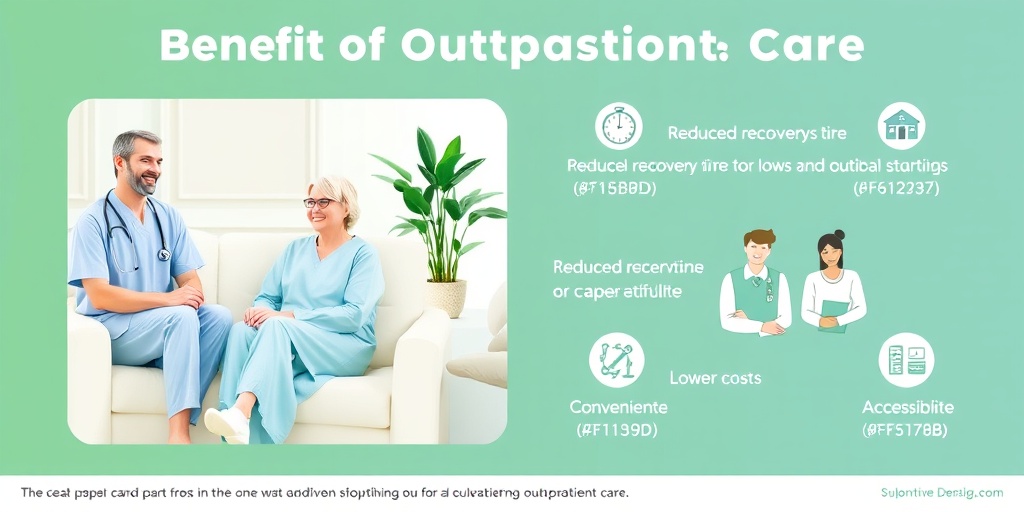
Benefits of Outpatient Care
Choosing outpatient care offers numerous advantages that can significantly enhance a patient’s healthcare experience. Here are some of the key benefits:
1. Convenience and Flexibility
One of the most significant benefits of outpatient services is the convenience they provide. Patients can schedule appointments that fit their busy lives, often with shorter wait times compared to inpatient care. This flexibility allows individuals to receive necessary treatments without disrupting their daily routines.
2. Cost-Effectiveness
Outpatient care is generally more affordable than inpatient care. Since patients do not require overnight stays, the costs associated with hospitalization—such as room and board—are eliminated. This makes outpatient services a financially viable option for many individuals, especially those with limited insurance coverage.
3. Reduced Risk of Infection
Staying in a hospital can expose patients to various infections. Outpatient services minimize this risk by allowing individuals to receive care in a controlled environment and return home immediately after treatment. This is particularly important for those with weakened immune systems or chronic health issues.
4. Personalized Care
Outpatient services often provide a more personalized approach to healthcare. With fewer patients to manage at any given time, healthcare providers can spend more time with each individual, ensuring that their specific needs and concerns are addressed. This can lead to better health outcomes and increased patient satisfaction.
5. Continuity of Care
Outpatient services facilitate ongoing relationships between patients and their healthcare providers. Regular visits allow for consistent monitoring of health conditions, making it easier to adjust treatment plans as needed. This continuity is crucial for managing chronic illnesses and ensuring optimal health.
6. Access to Specialized Services
Many outpatient facilities offer specialized services that may not be available in traditional hospital settings. This includes mental health services, rehabilitation therapies, and advanced diagnostic testing. Patients can benefit from a comprehensive range of services tailored to their specific health needs.
In conclusion, outpatient services play a vital role in the healthcare landscape, offering numerous benefits that enhance patient care. Whether you are seeking routine check-ups, minor surgeries, or mental health support, outpatient services provide a convenient and effective solution. For more information on outpatient services and to explore evidence-based health answers, consider visiting Yesil Health AI. 🌟
Types of Outpatient Services
Outpatient services are a vital component of the healthcare system, providing patients with a range of medical treatments without the need for an overnight stay in a hospital. These services cater to various health needs and can be found in numerous settings, including clinics, hospitals, and specialized centers. Let’s explore the different types of outpatient services available today.
1. Primary Care Services
Primary care is often the first point of contact for patients seeking medical attention. These services include routine check-ups, preventive care, and management of chronic conditions. Primary care providers, such as family physicians and internists, play a crucial role in coordinating patient care and referring them to specialists when necessary.
2. Specialty Care Services
Specialty care services focus on specific areas of health, such as cardiology, dermatology, or orthopedics. Patients typically visit specialists for more complex health issues that require expert knowledge and treatment. These services often involve diagnostic tests, consultations, and follow-up care.
3. Surgical Services
Outpatient surgical services allow patients to undergo procedures that do not require an overnight hospital stay. Common outpatient surgeries include:
- Arthroscopy: A minimally invasive procedure used to diagnose and treat joint issues.
- Cataract Surgery: A procedure to remove the cloudy lens of the eye.
- Endoscopy: A technique used to visualize the digestive tract.
These surgeries are typically performed in outpatient surgery centers, ensuring a quick recovery and minimal disruption to the patient’s daily life.
4. Mental Health Services
Mental health outpatient services are essential for individuals seeking support for conditions such as anxiety, depression, and substance abuse. These services may include:
- Individual Therapy: One-on-one sessions with a licensed therapist.
- Group Therapy: Sessions that provide support and education in a group setting.
- Medication Management: Regular check-ins with a psychiatrist to monitor and adjust medications.
Access to mental health services is crucial for overall well-being, and many facilities offer flexible scheduling to accommodate patients’ needs.
5. Rehabilitation Services
Rehabilitation services are designed to help patients recover from injuries, surgeries, or illnesses. These services can include:
- Physical Therapy: Focuses on improving mobility and strength.
- Occupational Therapy: Aims to help patients regain the skills needed for daily living.
- Speech Therapy: Assists individuals with communication and swallowing disorders.
Rehabilitation services are often tailored to meet the specific needs of each patient, promoting a faster and more effective recovery.
Common Procedures in Outpatient Settings
Outpatient settings are equipped to handle a variety of procedures that can be performed efficiently and safely without the need for hospitalization. Here are some of the most common procedures you might encounter:
1. Diagnostic Tests
Diagnostic tests are essential for identifying health issues and guiding treatment plans. Common outpatient diagnostic procedures include:
- X-rays: Imaging tests that help visualize bones and certain organs.
- Ultrasounds: Non-invasive imaging that uses sound waves to create pictures of the inside of the body.
- Blood Tests: Laboratory tests that analyze blood samples for various health indicators.
These tests are typically quick and can provide valuable information about a patient’s health status.
2. Minor Surgical Procedures
Many minor surgical procedures can be performed on an outpatient basis, allowing patients to return home the same day. Examples include:
- Biopsies: The removal of tissue samples for testing.
- Skin Lesion Removal: Procedures to remove moles, warts, or other skin growths.
- Joint Injections: Injections to relieve pain and inflammation in joints.
These procedures are often performed under local anesthesia, minimizing discomfort and recovery time.
3. Infusion Therapy
Infusion therapy involves administering medications directly into a patient’s bloodstream, often used for conditions like cancer, autoimmune disorders, or infections. This outpatient service allows patients to receive necessary treatments while maintaining their daily routines.
4. Preventive Care
Preventive care services, such as vaccinations and screenings, are crucial for maintaining health and preventing disease. Common outpatient preventive services include:
- Flu Shots: Annual vaccinations to protect against influenza.
- Mammograms: Screening tests for breast cancer.
- Colonoscopies: Screenings for colorectal cancer.
These services are essential for early detection and intervention, ultimately improving patient outcomes.
In summary, outpatient services encompass a wide range of healthcare options that cater to various needs. From primary care to specialized treatments, these services provide patients with the flexibility and convenience they require for effective healthcare management. 🌟
Outpatient Services vs. Inpatient Care
When it comes to healthcare, understanding the difference between outpatient services and inpatient care is crucial for making informed decisions about your health. Both types of care serve unique purposes and cater to different patient needs. Let’s explore these two categories in detail.
What Are Outpatient Services?
Outpatient services refer to medical procedures or treatments that do not require an overnight stay in a hospital. Patients visit a healthcare facility, receive care, and return home the same day. This type of care is often more convenient and cost-effective, making it a popular choice for many individuals.
Examples of Outpatient Services
Outpatient services encompass a wide range of medical treatments and procedures, including:
- Routine check-ups: Regular visits to your primary care physician for preventive care.
- Diagnostic tests: Procedures like X-rays, MRIs, and blood tests.
- Minor surgeries: Procedures such as mole removal or cataract surgery.
- Physical therapy: Rehabilitation services for recovery from injuries.
- Mental health services: Counseling and therapy sessions.
What Is Inpatient Care?
In contrast, inpatient care involves hospitalization where patients stay overnight or longer for more intensive treatment. This type of care is necessary for serious medical conditions that require constant monitoring and specialized attention.
Key Differences Between Outpatient and Inpatient Care
Here are some of the main differences between outpatient services and inpatient care:
- Length of Stay: Outpatient services are typically completed in a few hours, while inpatient care requires a longer stay.
- Cost: Outpatient care is generally less expensive than inpatient care due to the reduced need for hospital resources.
- Level of Care: Inpatient care is designed for more severe health issues that require close monitoring, while outpatient services are suitable for less critical conditions.
Understanding these differences can help you make better choices regarding your healthcare needs. Whether you require outpatient services or inpatient care, knowing what to expect can ease the process and improve your overall experience. 🏥
How to Choose the Right Outpatient Facility
Choosing the right outpatient facility is essential for receiving quality care tailored to your needs. With numerous options available, it can be overwhelming to make a decision. Here are some key factors to consider when selecting an outpatient service provider.
1. Assess Your Healthcare Needs
Before you start looking for an outpatient facility, take some time to assess your specific healthcare needs. Consider the type of treatment or service you require, whether it’s a routine check-up, a minor surgical procedure, or mental health support. This will help narrow down your options.
2. Research Facility Credentials
Ensure that the outpatient facility you are considering is accredited and has qualified healthcare professionals. Look for certifications from recognized organizations, which can indicate a commitment to maintaining high standards of care.
3. Read Reviews and Testimonials
Patient reviews and testimonials can provide valuable insights into the quality of care at a facility. Check online platforms or ask for recommendations from friends and family. Positive feedback can be a good indicator of a reliable outpatient service.
4. Consider Location and Accessibility
Location plays a significant role in choosing an outpatient facility. Look for a center that is conveniently located near your home or workplace. Additionally, consider the accessibility of the facility, including parking options and public transportation availability. 🚗
5. Evaluate Insurance Coverage
Before making a decision, check if the outpatient facility accepts your health insurance. Understanding your coverage can help you avoid unexpected costs and ensure that you receive the care you need without financial strain.
6. Schedule a Consultation
If possible, schedule a consultation with the outpatient facility. This visit can give you a feel for the environment, the staff, and the overall atmosphere. It’s also an opportunity to ask questions and clarify any concerns you may have.
By considering these factors, you can make an informed choice about the right outpatient facility for your healthcare needs. Remember, the goal is to find a place that offers quality care in a comfortable and accessible setting. 🌟

Preparing for Your Outpatient Visit
When it comes to outpatient services, preparation is key to ensuring a smooth and successful experience. Whether you’re visiting for a routine check-up, a minor surgical procedure, or mental health services, being well-prepared can make all the difference. Here are some essential steps to take before your appointment.
Understand Your Procedure
Before your visit, take the time to understand the specific outpatient services you will be receiving. This might include:
- Consultations with specialists
- Diagnostic tests (like X-rays or blood tests)
- Minor surgical procedures
- Therapeutic services (such as physical therapy or counseling)
Knowing what to expect can help alleviate any anxiety you may have. Don’t hesitate to ask your healthcare provider any questions you might have about the procedure.
Gather Necessary Documents
Make sure to bring all necessary documents to your appointment. This typically includes:
- Your insurance card
- A valid ID
- Any referral forms, if applicable
- Medical history and a list of current medications
Having these documents ready will streamline the check-in process and ensure that your healthcare team has all the information they need.
Plan for Transportation
Depending on the nature of your outpatient services, you may need someone to drive you home afterward, especially if you are undergoing sedation or anesthesia. Make arrangements in advance to avoid any last-minute stress. 🚗
Follow Pre-Appointment Instructions
Your healthcare provider may give you specific instructions to follow before your visit. This could include:
- Fasting for a certain period
- Adjusting your medication schedule
- Preparing your body for a specific test
Following these instructions is crucial for the success of your procedure and your overall health.
Prepare Mentally and Emotionally
It’s normal to feel a bit anxious before a medical appointment. To help ease your mind:
- Practice relaxation techniques, such as deep breathing or meditation.
- Bring a friend or family member for support.
- Visualize a positive outcome.
Taking these steps can help you feel more at ease as you prepare for your visit. 😊
Post-Procedure Care and Follow-Up
After receiving outpatient services, proper post-procedure care is essential for a smooth recovery. Here’s what you need to know to ensure you’re taking the right steps after your visit.
Follow Your Provider’s Instructions
Your healthcare provider will give you specific instructions for post-procedure care. These may include:
- How to care for any incisions or wounds
- Signs of complications to watch for
- When to resume normal activities
Following these guidelines is crucial for your recovery and can help prevent complications.
Manage Pain and Discomfort
It’s common to experience some pain or discomfort after certain outpatient services. Here are some tips for managing it:
- Take prescribed pain medications as directed.
- Use ice packs to reduce swelling.
- Rest and avoid strenuous activities.
Listening to your body and giving it the care it needs will aid in your recovery. 💊
Schedule Follow-Up Appointments
Don’t forget to schedule any necessary follow-up appointments. These visits are important for:
- Monitoring your recovery progress
- Addressing any concerns or complications
- Adjusting treatment plans if necessary
Make sure to keep these appointments to ensure your health remains on track.
Stay Informed and Communicate
Keep an open line of communication with your healthcare provider. If you notice any unusual symptoms or have questions about your recovery, don’t hesitate to reach out. Being proactive about your health is vital for a successful recovery. 📞
By preparing adequately for your outpatient visit and following up with proper care, you can ensure a positive experience and a smooth recovery process. Remember, your health is your priority!

Frequently Asked Questions about Outpatient Services
What are Outpatient Services?
Outpatient services refer to medical treatments or procedures that do not require an overnight stay in a hospital. Patients visit a healthcare facility, receive care, and return home the same day. This type of service is often more convenient and cost-effective compared to inpatient care.
What are some examples of Outpatient Services?
- Routine check-ups and physical exams
- Minor surgical procedures
- Physical therapy sessions
- Diagnostic tests, such as X-rays or blood tests
- Mental health counseling and therapy
How do Outpatient Services differ from Inpatient Services?
Outpatient services are designed for patients who do not need to be admitted to a hospital. In contrast, inpatient services require patients to stay overnight or longer for monitoring and treatment. Outpatient care is typically less intensive and allows for quicker recovery times.
Are Outpatient Services covered by insurance?
Most health insurance plans cover outpatient services, but coverage can vary. It’s essential to check with your insurance provider to understand what specific services are included and any potential out-of-pocket costs.
Where can I find Outpatient Services near me?
You can find outpatient services by searching online for local healthcare facilities, clinics, or hospitals that offer these services. Many hospitals have dedicated outpatient departments, and you can also check with your primary care physician for recommendations.
What should I expect during an Outpatient Service visit?
During your visit for outpatient services, you can expect to undergo a brief assessment, receive the necessary treatment or procedure, and have a follow-up consultation if needed. The entire process typically lasts a few hours, allowing you to return home the same day.
Can Outpatient Services help with mental health issues?
Yes, outpatient services play a crucial role in mental health care. They include therapy sessions, counseling, and support groups, allowing individuals to receive treatment while continuing their daily activities.
What languages are Outpatient Services available in?
Many healthcare facilities offer outpatient services in multiple languages, including Spanish. It’s advisable to inquire about language options when scheduling your appointment to ensure effective communication.
How do I prepare for an Outpatient Service appointment?
- Bring your insurance information and identification.
- Prepare a list of medications you are currently taking.
- Write down any questions or concerns you want to discuss with your healthcare provider.
- Follow any pre-appointment instructions given by your provider.
Are there any risks associated with Outpatient Services?
While outpatient services are generally safe, there can be risks depending on the type of procedure or treatment. It’s important to discuss any potential risks with your healthcare provider before undergoing any outpatient procedure.
How can I find Outpatient Services for surgery?
To find outpatient services specifically for surgery, consult with your primary care physician or search for surgical centers in your area that specialize in outpatient procedures. Many hospitals also have outpatient surgery departments.