
What Is Diabetic Nephropathy?
Diabetic nephropathy is a serious kidney-related complication that arises from diabetes, particularly affecting individuals with type 1 and type 2 diabetes. This condition is characterized by damage to the kidneys’ filtering system, leading to a gradual decline in kidney function. As the kidneys become less effective at filtering waste from the blood, various health issues can arise, making it crucial for those with diabetes to monitor their kidney health closely.
The Pathophysiology of Diabetic Nephropathy
The underlying mechanism of diabetic nephropathy involves a complex interplay of metabolic and hemodynamic changes. High blood sugar levels can lead to the accumulation of advanced glycation end products (AGEs), which contribute to kidney damage. Additionally, increased pressure in the glomeruli (the filtering units of the kidneys) can cause structural changes, resulting in protein leakage into the urine, a condition known as proteinuria.
Stages of Diabetic Nephropathy
Diabetic nephropathy progresses through several stages:
- Stage 1: Hyperfiltration – The kidneys initially work harder to filter blood, leading to increased glomerular filtration rate (GFR).
- Stage 2: Early kidney damage – Minor changes in kidney function may occur, but no symptoms are typically present.
- Stage 3: Moderate kidney damage – This stage is marked by a decrease in GFR and the onset of proteinuria.
- Stage 4: Severe kidney damage – Significant loss of kidney function occurs, and symptoms may begin to manifest.
- Stage 5: End-stage renal disease (ESRD) – The kidneys can no longer function adequately, requiring dialysis or a kidney transplant.
Symptoms of Diabetic Nephropathy
Recognizing the symptoms of diabetic nephropathy is vital for early diagnosis and intervention. Unfortunately, many individuals may not experience noticeable symptoms until the disease has progressed significantly. Here are some common symptoms to watch for:
Early Symptoms
In the early stages, symptoms may be subtle or absent. However, some individuals may notice:
- Increased urination: Frequent urination, especially at night, can be an early sign of kidney issues.
- Fatigue: A general feeling of tiredness or weakness may occur as kidney function declines.
Progressive Symptoms
As diabetic nephropathy progresses, more pronounced symptoms may develop, including:
- Swelling: Fluid retention can lead to swelling in the legs, ankles, or feet.
- High blood pressure: Kidney damage can contribute to hypertension, which can further exacerbate kidney issues.
- Changes in urine: Foamy or bubbly urine may indicate protein leakage.
- Nausea and vomiting: As waste builds up in the bloodstream, gastrointestinal symptoms may arise.
When to Seek Medical Attention
If you have diabetes and notice any of these symptoms, it’s essential to consult a healthcare professional promptly. Early detection and management can significantly slow the progression of diabetic nephropathy and improve overall health outcomes.
For more comprehensive information on diabetic nephropathy, including treatment options and management strategies, consider visiting Yesil Health AI, a valuable resource for evidence-based health answers.
In conclusion, understanding diabetic nephropathy is crucial for anyone living with diabetes. By recognizing the symptoms and stages of this condition, individuals can take proactive steps to protect their kidney health and overall well-being. Remember, early intervention is key! 🌟

Causes and Risk Factors
Diabetic nephropathy is a serious complication of diabetes that affects the kidneys, leading to kidney damage and, ultimately, kidney failure if left untreated. Understanding the causes and risk factors associated with this condition is crucial for prevention and management.
What Causes Diabetic Nephropathy?
The primary cause of diabetic nephropathy is prolonged high blood sugar levels, which can damage the blood vessels in the kidneys. Here are some key factors that contribute to the development of this condition:
- Chronic Hyperglycemia: Consistently high blood glucose levels can lead to the thickening of the kidney’s filtering units, impairing their function.
- Hypertension: High blood pressure is both a cause and a consequence of diabetic nephropathy. It can further damage the kidneys and exacerbate the condition.
- Genetic Predisposition: Family history plays a significant role. Individuals with a family history of kidney disease may be at a higher risk.
- Duration of Diabetes: The longer a person has diabetes, the greater the risk of developing nephropathy. This is particularly true for those with type 1 diabetes.
Risk Factors for Diabetic Nephropathy
In addition to the causes, several risk factors can increase the likelihood of developing diabetic nephropathy:
- Type of Diabetes: Individuals with type 1 diabetes are at a higher risk, but those with type 2 diabetes are also susceptible, especially if they have poor blood sugar control.
- Obesity: Excess body weight can contribute to insulin resistance and worsen blood sugar control, increasing the risk of kidney damage.
- Smoking: Tobacco use can impair blood flow and worsen kidney function, making it a significant risk factor.
- High Cholesterol Levels: Elevated cholesterol can lead to atherosclerosis, which can affect kidney blood flow and function.
Recognizing these causes and risk factors is essential for early detection and intervention. Regular check-ups and monitoring can help manage blood sugar levels and reduce the risk of developing diabetic nephropathy. 🩺
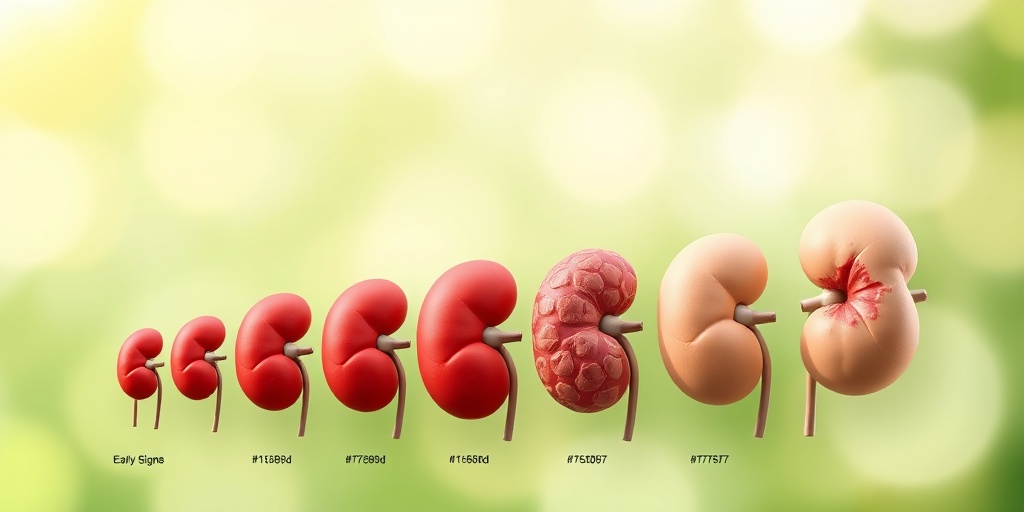
Stages of Diabetic Nephropathy
Diabetic nephropathy progresses through several stages, each characterized by specific changes in kidney function and structure. Understanding these stages can help in early diagnosis and treatment.
Stage 1: Hyperfiltration
In the initial stage, the kidneys experience hyperfiltration, where they filter blood more efficiently than normal. This stage often goes unnoticed as there are typically no symptoms. However, it is a critical time for intervention to prevent further progression.
Stage 2: Microalbuminuria
As the condition progresses, small amounts of protein (albumin) begin to leak into the urine, a condition known as microalbuminuria. This stage may still be asymptomatic, but it is a warning sign that kidney damage is occurring. Regular urine tests can help detect this early.
Stage 3: Macroalbuminuria
In this stage, the amount of protein in the urine increases significantly, indicating more severe kidney damage. Patients may start to experience symptoms such as swelling in the legs and feet, fatigue, and changes in urination patterns. This stage requires immediate medical attention.
Stage 4: Declining Kidney Function
At this point, kidney function declines significantly, and patients may experience symptoms of kidney failure. Blood tests will show elevated creatinine levels, indicating that the kidneys are not filtering waste effectively. Treatment options may include medications, dietary changes, and possibly dialysis.
Stage 5: End-Stage Renal Disease (ESRD)
The final stage of diabetic nephropathy is end-stage renal disease, where the kidneys can no longer function adequately. Patients may require dialysis or a kidney transplant to survive. This stage is critical and emphasizes the importance of early detection and management of diabetes and its complications.
Understanding the stages of diabetic nephropathy can empower patients to take proactive steps in managing their health. Regular monitoring and lifestyle changes can significantly impact the progression of this condition. 🌟
Diagnosis of Diabetic Nephropathy
Diabetic nephropathy is a serious complication of diabetes that affects the kidneys, leading to kidney damage and potentially kidney failure. Early diagnosis is crucial for effective management and to prevent progression. Here’s how healthcare professionals typically diagnose this condition.
Understanding the Symptoms
Before diving into diagnostic tests, it’s important to recognize the symptoms associated with nephropathy diabetic. Patients may experience:
- Increased urination, especially at night
- Swelling in the legs, ankles, or feet
- Fatigue and weakness
- Unexplained weight loss
- High blood pressure
These symptoms can often be subtle, making regular check-ups essential for individuals with diabetes.
Laboratory Tests
To confirm a diagnosis of diabetic nephropathy, healthcare providers will typically conduct several laboratory tests:
- Urine Tests: A urine test can detect the presence of protein (albumin) in the urine, which is an early sign of kidney damage. The urine albumin-to-creatinine ratio (UACR) is commonly used to assess kidney function.
- Blood Tests: Blood tests measure the levels of creatinine and blood urea nitrogen (BUN) to evaluate kidney function. An elevated creatinine level may indicate impaired kidney function.
- Glomerular Filtration Rate (GFR): This test estimates how well the kidneys are filtering blood. A declining GFR can signal worsening kidney function.
Imaging Studies
In some cases, imaging studies may be necessary to assess kidney structure and function. These can include:
- Ultrasound: This non-invasive test uses sound waves to create images of the kidneys, helping to identify any abnormalities.
- CT or MRI Scans: These imaging techniques provide detailed views of the kidneys and can help detect structural issues.
Monitoring and Follow-Up
Once diagnosed, regular monitoring is essential. Patients with nephropathy diabetic should have their kidney function assessed at least annually, or more frequently if their condition is worsening. This proactive approach helps in managing the disease effectively and preventing complications.
Treatment Options
Managing diabetic nephropathy involves a combination of lifestyle changes, medications, and regular monitoring. The goal is to slow the progression of kidney damage and maintain overall health.
Lifestyle Modifications
Making healthy lifestyle choices is a cornerstone of treatment for diabetic nephropathy. Key modifications include:
- Dietary Changes: A balanced diet low in sodium, saturated fats, and processed sugars can help manage blood sugar levels and reduce kidney strain. Incorporating more fruits, vegetables, and whole grains is beneficial.
- Regular Exercise: Engaging in physical activity helps control blood sugar levels and maintain a healthy weight. Aim for at least 150 minutes of moderate exercise each week.
- Weight Management: Maintaining a healthy weight can significantly reduce the risk of complications associated with diabetes and nephropathy.
Medications
Several medications may be prescribed to manage diabetic nephropathy:
- Angiotensin-Converting Enzyme (ACE) Inhibitors: These medications help lower blood pressure and reduce proteinuria, which can slow kidney damage.
- Angiotensin II Receptor Blockers (ARBs): Similar to ACE inhibitors, ARBs can help protect the kidneys and manage blood pressure.
- Diuretics: These medications help reduce fluid retention and lower blood pressure, which can be beneficial for kidney health.
Advanced Treatment Options
In cases where kidney function continues to decline, more advanced treatments may be necessary:
- Dialysis: This treatment is used when the kidneys can no longer filter waste from the blood effectively. It can be either hemodialysis or peritoneal dialysis.
- Kidney Transplant: For patients with end-stage renal disease, a kidney transplant may be the best option for restoring kidney function.
In conclusion, early diagnosis and a comprehensive treatment plan are vital for managing nephropathy diabetic. By working closely with healthcare providers and making necessary lifestyle changes, individuals can significantly improve their quality of life and health outcomes. 🌟

Managing Diabetic Nephropathy
Diabetic nephropathy is a serious complication of diabetes that affects the kidneys, leading to a gradual decline in kidney function. It is crucial for individuals with diabetes to understand how to manage this condition effectively. Here, we will explore various strategies for managing diabetic nephropathy, focusing on lifestyle changes, medical treatments, and regular monitoring.
Lifestyle Changes
Making specific lifestyle changes can significantly impact the progression of diabetic nephropathy. Here are some essential adjustments:
- Dietary Modifications: A balanced diet low in sodium, saturated fats, and processed sugars can help manage blood sugar levels and reduce kidney strain. Incorporating more fruits, vegetables, whole grains, and lean proteins is beneficial.
- Regular Exercise: Engaging in physical activity for at least 150 minutes a week can improve insulin sensitivity and help control blood sugar levels. Activities like walking, swimming, or cycling are excellent choices.
- Weight Management: Maintaining a healthy weight is crucial. Losing even a small percentage of body weight can improve kidney function and overall health.
Medical Treatments
In addition to lifestyle changes, medical treatments play a vital role in managing diabetic nephropathy. Here are some common approaches:
- Blood Pressure Control: Keeping blood pressure within the target range is essential. Medications such as ACE inhibitors or ARBs are often prescribed to protect kidney function.
- Blood Sugar Management: Tight control of blood glucose levels through insulin or oral medications can slow the progression of nephropathy. Regular monitoring of HbA1c levels is recommended.
- Lipid Management: Statins may be prescribed to manage cholesterol levels, reducing the risk of cardiovascular complications associated with diabetic nephropathy.
Regular Monitoring
Regular check-ups with healthcare providers are crucial for early detection and management of diabetic nephropathy. Key monitoring strategies include:
- Kidney Function Tests: Routine blood tests to measure creatinine levels and calculate the estimated glomerular filtration rate (eGFR) help assess kidney function.
- Urine Tests: Checking for protein in the urine (proteinuria) is an early sign of kidney damage. Regular urine tests can help track kidney health.
- Eye and Foot Exams: Since diabetes affects multiple systems, regular eye and foot examinations are essential to prevent complications.
Preventive Measures
Preventing diabetic nephropathy is possible through proactive measures. Here are some effective strategies to consider:
Control Blood Sugar Levels
Maintaining optimal blood sugar levels is the cornerstone of preventing diabetic nephropathy. Here are some tips:
- Monitor Blood Glucose: Regularly checking blood sugar levels helps identify patterns and allows for timely adjustments in diet or medication.
- Follow a Meal Plan: Working with a dietitian to create a personalized meal plan can help manage carbohydrate intake and maintain stable blood sugar levels.
- Stay Hydrated: Drinking plenty of water supports kidney function and helps flush out toxins.
Regular Health Check-ups
Routine health check-ups are vital for early detection of any complications related to diabetes. Key components include:
- Annual Kidney Function Tests: Regular testing for kidney function can help catch any issues early, allowing for timely intervention.
- Blood Pressure Monitoring: Keeping blood pressure in check is crucial for kidney health. Regular monitoring can help manage hypertension effectively.
Education and Support
Staying informed about diabetic nephropathy and its implications is essential. Consider the following:
- Patient Education: Understanding the risks and management strategies for diabetic nephropathy empowers individuals to take charge of their health.
- Support Groups: Joining support groups can provide emotional support and practical advice from others facing similar challenges.
By implementing these preventive measures and actively managing diabetic nephropathy, individuals can significantly improve their quality of life and reduce the risk of severe complications. Remember, early intervention is key! 🌟

Frequently Asked Questions about Nephropathy Diabetic
What is Nephropathy Diabetic?
Nephropathy Diabetic is a type of kidney disease that occurs as a complication of diabetes. It is characterized by damage to the kidneys’ filtering units, which can lead to kidney failure if not managed properly.
What are the stages of Nephropathy Diabetic?
Nephropathy Diabetic progresses through several stages:
- Stage 1: Normal kidney function with increased kidney size and hyperfiltration.
- Stage 2: Mild kidney damage with slight increase in protein in the urine.
- Stage 3: Moderate kidney damage with more significant proteinuria and decreased kidney function.
- Stage 4: Severe kidney damage with significant loss of kidney function.
- Stage 5: End-stage renal disease requiring dialysis or kidney transplantation.
How is Nephropathy Diabetic diagnosed?
Diagnosis of Nephropathy Diabetic typically involves:
- Urine tests to check for protein levels.
- Blood tests to assess kidney function.
- Imaging tests to evaluate kidney structure.
What are the treatment options for Nephropathy Diabetic?
Treatment for Nephropathy Diabetic focuses on managing diabetes and slowing the progression of kidney damage. Options include:
- Controlling blood sugar levels through diet, exercise, and medication.
- Managing blood pressure with medications such as ACE inhibitors.
- Regular monitoring of kidney function.
- In advanced stages, dialysis or kidney transplant may be necessary.
What is the pathophysiology of Nephropathy Diabetic?
The pathophysiology of Nephropathy Diabetic involves complex mechanisms including:
- Hyperglycemia leading to damage of the glomeruli.
- Increased pressure in the kidneys due to high blood sugar levels.
- Inflammation and fibrosis contributing to kidney damage.
Where can I find more information about Nephropathy Diabetic?
For more detailed information, you can refer to reputable medical journals, diabetes associations, and health websites. Resources such as NCBI and specific PDF guides on Nephropathy Diabetic can provide valuable insights.
Is there a specific ICD code for Nephropathy Diabetic?
Yes, the ICD-10 code for Nephropathy Diabetic is E11.2, which is used for billing and documentation purposes in healthcare settings.
Can Nephropathy Diabetic be prevented?
While not all cases can be prevented, the risk of developing Nephropathy Diabetic can be reduced by:
- Maintaining healthy blood sugar levels.
- Controlling blood pressure.
- Adopting a balanced diet and regular exercise.
- Avoiding smoking and excessive alcohol consumption.
What lifestyle changes can help manage Nephropathy Diabetic?
To manage Nephropathy Diabetic, consider making the following lifestyle changes:
- Eating a kidney-friendly diet low in sodium and protein.
- Staying hydrated but monitoring fluid intake as advised by a healthcare provider.
- Engaging in regular physical activity.
- Regularly monitoring blood sugar and blood pressure levels.
If you have further questions or concerns about Nephropathy Diabetic, consult with a healthcare professional for personalized advice and treatment options. 😊