What Is Mono?
Mono, short for infectious mononucleosis, is a viral infection most commonly caused by the Epstein-Barr virus (EBV). This illness is often referred to as the “kissing disease” because it is frequently transmitted through saliva. However, it can also spread through other means, such as sharing drinks, utensils, or being in close contact with an infected person.
Mono primarily affects teenagers and young adults, but it can occur at any age. The infection is characterized by a range of symptoms that can vary in severity and duration. Understanding what mono is and how it affects the body is crucial for early detection and management.
How Does Mono Spread?
The primary mode of transmission for mono is through saliva, which is why it is often associated with kissing. However, it can also be spread through:
- Sharing drinks or food
- Using the same utensils
- Being in close proximity to an infected person
Once the virus enters the body, it can take four to six weeks for symptoms to appear. During this incubation period, the virus replicates and spreads, often without the infected person realizing it.
Who Is at Risk?
While anyone can contract mono, certain groups are more susceptible, including:
- Teenagers and young adults, particularly those aged 15 to 24
- Individuals with weakened immune systems
- People who are in close quarters, such as college dorms or military barracks
Understanding your risk factors can help you take preventive measures to avoid contracting mono.
Mono Symptoms
The symptoms of mono can vary widely among individuals, but they typically include:
- Fatigue: One of the most common symptoms, fatigue can be overwhelming and may last for weeks.
- Sore Throat: A severe sore throat, often resembling strep throat, is a hallmark of mono.
- Fever: A mild to moderate fever is common, usually ranging from 100°F to 102°F (37.8°C to 38.9°C).
- Swollen Lymph Nodes: Lymph nodes in the neck and armpits may become swollen and tender.
- Headache: Many individuals report headaches, which can be persistent.
- Rash: Some people may develop a rash, which can vary in appearance.
When to Seek Medical Attention
If you suspect you have mono, it’s important to consult a healthcare professional, especially if you experience:
- Severe sore throat that makes swallowing difficult
- Difficulty breathing or swallowing
- Severe abdominal pain, which could indicate an enlarged spleen
Early diagnosis can help manage symptoms effectively and prevent complications. A mono test can confirm the presence of the virus, allowing for appropriate treatment and care.
Managing Symptoms
While there is no specific treatment for mono, managing symptoms is key. Here are some effective strategies:
- Rest: Prioritize sleep and rest to help your body recover.
- Hydration: Drink plenty of fluids to stay hydrated and soothe your throat.
- Pain Relief: Over-the-counter medications like ibuprofen or acetaminophen can help alleviate pain and reduce fever.
- Gargling Salt Water: This can provide temporary relief for a sore throat.
For more personalized advice and evidence-based health answers, consider visiting Yesil Health AI, a valuable resource for understanding health conditions like mono.
In conclusion, understanding mono (infectious mononucleosis) is essential for recognizing its symptoms and seeking timely medical care. By being informed, you can take proactive steps to manage your health and well-being. 🌟

Mono Causes
Mono, or infectious mononucleosis, is primarily caused by the Epstein-Barr virus (EBV), a member of the herpesvirus family. This virus is incredibly common, with most people being infected at some point in their lives. However, not everyone who contracts EBV will develop mono. Understanding the causes of mono can help you recognize the symptoms and seek appropriate treatment.
Understanding Epstein-Barr Virus (EBV)
The Epstein-Barr virus is one of the most prevalent viruses worldwide. It is often associated with several conditions, including:
- Infectious mononucleosis
- Some cancers, such as Burkitt lymphoma
- Autoimmune diseases, like lupus
Most commonly, EBV spreads through saliva, which is why mono is often referred to as the “kissing disease.” However, it can also be transmitted through other means, which brings us to the next section.
Other Causes of Mono
While EBV is the primary cause of mono, other factors can contribute to the development of this illness:
- Other viruses: In rare cases, other viruses such as cytomegalovirus (CMV) can cause symptoms similar to mono.
- Immune response: The body’s immune response to the EBV infection can lead to the symptoms associated with mono, such as fatigue, fever, and sore throat.
It’s essential to note that not everyone who contracts EBV will experience symptoms of mono. Factors such as age, overall health, and immune system strength play a significant role in whether an individual develops the illness.
Mono Transmission
Understanding how mono is transmitted is crucial for prevention. The primary mode of transmission is through saliva, but there are several other ways the virus can spread.
Saliva: The Main Culprit
As mentioned earlier, the most common way to contract mono is through saliva. This can happen through:
- Kissing: This is why mono is often called the “kissing disease.” Sharing saliva through kissing is a direct route for the virus.
- Sharing utensils or drinks: Using the same glass, cup, or eating utensils as someone who has mono can also lead to transmission.
- Close contact: Engaging in activities that involve close physical contact, such as hugging or sharing a meal, can increase the risk of spreading the virus.
Other Modes of Transmission
While saliva is the primary transmission route, there are other ways the virus can spread:
- Blood: Although less common, EBV can be transmitted through blood, which means sharing needles or receiving blood transfusions from an infected donor can pose a risk.
- Organ transplants: In rare cases, EBV can be transmitted through organ transplants from an infected donor.
Can You Get Mono from Someone Who Has It?
If you are wondering, “If you have mono, can you kiss someone with mono?” the answer is yes, but it’s important to note that the virus is already present in both individuals. Therefore, the risk of transmission is not as significant as it is with someone who does not have the virus. However, it’s still advisable to avoid close contact until symptoms have resolved.
In conclusion, understanding the causes and transmission of mono can help you take preventive measures to protect yourself and others. If you suspect you have mono or have been in contact with someone who has it, consult a healthcare professional for guidance and potential testing.

Mono Diagnosis
Diagnosing Mono (Infectious Mononucleosis) can be a straightforward process, but it often requires a combination of clinical evaluation and laboratory tests. This viral infection, primarily caused by the Epstein-Barr virus (EBV), presents with a variety of symptoms that can mimic other illnesses. Understanding how healthcare providers diagnose mono is crucial for effective treatment and recovery.
Recognizing the Symptoms
The first step in diagnosing mono is recognizing its symptoms. Common signs include:
- Fatigue: A profound sense of tiredness that doesn’t improve with rest.
- Sore Throat: Often severe, resembling strep throat.
- Swollen Lymph Nodes: Particularly in the neck and armpits.
- Fever: A mild to moderate fever is common.
- Headache: Frequent headaches can accompany other symptoms.
- Rash: Some individuals may develop a rash, which can be a distinguishing feature.
If you experience these symptoms, it’s essential to consult a healthcare provider for a thorough evaluation. They will take your medical history and perform a physical examination to assess your symptoms.
Laboratory Tests for Confirmation
While the symptoms of mono can provide clues, laboratory tests are often necessary for a definitive diagnosis. The most common tests include:
- Mono Spot Test: This rapid test detects heterophile antibodies that are typically present in mono patients. It’s a quick and effective way to confirm the diagnosis.
- EBV Antibody Test: This blood test measures specific antibodies to the Epstein-Barr virus, helping to determine if the infection is recent or past.
- Complete Blood Count (CBC): A CBC can reveal an increased number of white blood cells, which is common in mono cases.
It’s important to note that while these tests can confirm mono, they may not always be necessary. Your healthcare provider will determine the best course of action based on your symptoms and medical history.
Mono Treatment Options
Once diagnosed with Mono (Infectious Mononucleosis), understanding the treatment options available is essential for managing symptoms and promoting recovery. While there is no specific antiviral treatment for mono, several strategies can help alleviate symptoms and support the healing process.
Symptomatic Relief
Most treatments for mono focus on relieving symptoms. Here are some effective options:
- Rest: Adequate rest is crucial for recovery. Your body needs time to heal, so prioritize sleep and relaxation.
- Hydration: Staying hydrated helps combat fatigue and sore throat. Drink plenty of fluids, such as water, herbal teas, and broths.
- Pain Relievers: Over-the-counter medications like ibuprofen or acetaminophen can help reduce fever and alleviate pain.
- Throat Gargles: Gargling with warm salt water can soothe a sore throat and reduce inflammation.
When to Seek Medical Attention
In most cases, mono is self-limiting, and symptoms will gradually improve over time. However, there are instances when medical attention is necessary:
- If you experience severe abdominal pain, which could indicate an enlarged spleen.
- If you have difficulty breathing or swallowing.
- If symptoms worsen or do not improve after a few weeks.
Long-Term Considerations
After the acute phase of mono, some individuals may experience lingering fatigue or other symptoms. It’s essential to listen to your body and gradually return to normal activities. Engaging in light exercise and maintaining a balanced diet can support recovery.
In conclusion, while Mono (Infectious Mononucleosis) can be a challenging illness, understanding the diagnosis and treatment options can empower you to manage your health effectively. If you suspect you have mono, don’t hesitate to reach out to a healthcare professional for guidance and support. 🌟

Mono Complications
Mono, or infectious mononucleosis, is often referred to as the “kissing disease” due to its transmission through saliva. While many people recover from mono without any serious issues, there are potential complications that can arise, particularly in severe cases. Understanding these complications is crucial for anyone diagnosed with mono.
Common Complications of Mono
Some individuals may experience complications that can affect their health and recovery. Here are a few of the most common complications associated with infectious mononucleosis:
- Splenic Rupture: One of the most serious complications of mono is the risk of splenic rupture. The spleen can become enlarged during an EBV infection, and in rare cases, it may rupture, leading to severe abdominal pain and internal bleeding. If you experience sudden pain in the left upper abdomen, seek medical attention immediately.
- Hepatitis: Mono can also lead to liver inflammation, known as hepatitis. Symptoms may include jaundice (yellowing of the skin and eyes), dark urine, and abdominal discomfort. While this condition is usually mild, it can occasionally require medical intervention.
- Neurological Issues: Although rare, mono can lead to neurological complications such as meningitis or encephalitis. These conditions can cause severe headaches, confusion, and other neurological symptoms that require immediate medical attention.
- Airway Obstruction: In some cases, swollen lymph nodes in the throat can lead to difficulty breathing or swallowing. This is particularly concerning in young children and may require urgent medical care.
Long-Term Effects
While most people recover from mono without lasting effects, some may experience prolonged fatigue or other symptoms for weeks or even months after the initial infection. This condition is often referred to as post-viral fatigue syndrome. If you find that your symptoms persist, it’s essential to consult with a healthcare provider for further evaluation.
Mono Prevention Tips
Practice Good Hygiene
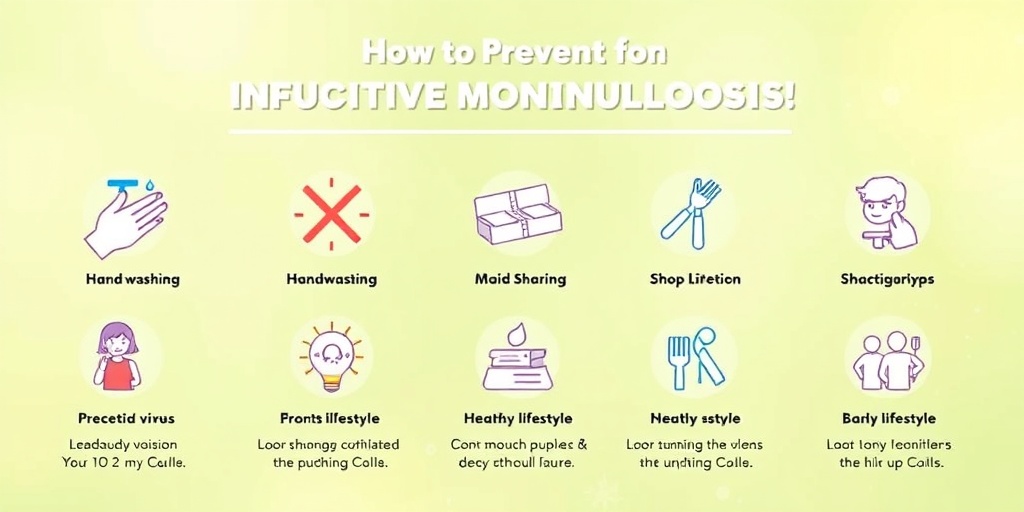
- Avoid Sharing Personal Items: Since mono spreads through saliva, it’s crucial to avoid sharing drinks, utensils, or personal items like toothbrushes with others.
- Wash Your Hands Regularly: Frequent handwashing with soap and water can help reduce the risk of infection. Use hand sanitizer when soap isn’t available.
- Cover Your Mouth and Nose: If you cough or sneeze, use a tissue or your elbow to prevent the spread of germs. This is especially important in crowded places.
Limit Close Contact
Since mono is often transmitted through kissing, it’s wise to limit close contact with individuals who are known to have the virus. If you or someone you know has been diagnosed with mono, it’s best to avoid intimate contact until they have fully recovered.
Stay Informed
Understanding the symptoms and transmission methods of mono can help you take proactive steps to protect yourself. If you suspect you have been exposed to someone with mono, monitor your health closely and consult a healthcare provider if you develop symptoms.
Boost Your Immune System
Maintaining a healthy lifestyle can strengthen your immune system, making it less likely for you to contract infections like mono. Here are some tips:
- Eat a Balanced Diet: Incorporate plenty of fruits, vegetables, whole grains, and lean proteins into your meals.
- Stay Hydrated: Drink plenty of water to keep your body hydrated and functioning optimally.
- Get Regular Exercise: Physical activity can boost your immune system and improve overall health.
- Prioritize Sleep: Aim for 7-9 hours of quality sleep each night to help your body recover and stay strong.
By following these prevention tips, you can significantly reduce your risk of contracting infectious mononucleosis and maintain your overall health. Remember, awareness and proactive measures are key to staying healthy! 🌟
Frequently Asked Questions about Mono (Infectious Mononucleosis)
What is Mono (Infectious Mononucleosis)?
Mono, also known as infectious mononucleosis, is a viral infection most commonly caused by the Epstein-Barr virus (EBV). It is often referred to as the “kissing disease” due to its transmission through saliva.
What are the symptoms of Mono?
Common symptoms of infectious mononucleosis include:
- Fatigue
- Sore throat
- Fever
- Swollen lymph nodes
- Headache
- Rash
How is Mono diagnosed?
A mono test is typically performed to diagnose infectious mononucleosis. This may include a physical examination and blood tests to check for antibodies associated with the Epstein-Barr virus.
What is the treatment for Mono?
There is no specific treatment for mono. Management focuses on relieving symptoms. Recommended treatments include:
- Rest
- Hydration
- Pain relievers (e.g., ibuprofen or acetaminophen)
Can Mono be viral?
Yes, infectious mononucleosis is caused by a viral infection, primarily the Epstein-Barr virus (EBV).
Is there a risk of spreading Mono?
Yes, mono can be spread through saliva, so it is advisable to avoid kissing or sharing drinks and utensils with someone who has the infection. 😷
Can you get a rash with Mono?
Some individuals with infectious mononucleosis may develop a rash. This is not common but can occur, especially if certain antibiotics are taken.
Is Mono the same as glandular fever?
Yes, infectious mononucleosis is often referred to as glandular fever, particularly in some regions. Both terms describe the same viral infection.
Can you kiss someone with Mono?
If you have mono, it is best to avoid kissing others to prevent spreading the virus. 💔
How long does Mono last?
The symptoms of infectious mononucleosis can last from a few weeks to several months, with fatigue often lingering longer than other symptoms.