What Are Moderate Diets?
When it comes to weight loss, the term moderate diets often pops up in discussions about effective and sustainable eating plans. But what exactly does a moderate diet entail? In essence, a moderate diet is one that emphasizes balance and moderation rather than extreme restrictions. It encourages a variety of foods while focusing on portion control and nutrient-dense options.
Defining Moderate Diets
A moderate diet typically includes a mix of macronutrients—carbohydrates, proteins, and fats—without leaning too heavily on any one group. This approach allows individuals to enjoy a wide range of foods, making it easier to stick to the plan long-term. For instance, a moderate carb diet for weight loss might suggest consuming whole grains, fruits, and vegetables while limiting refined sugars and processed foods.
Key Characteristics of Moderate Diets
- Balanced Nutrition: A moderate diet includes all food groups, ensuring that you receive essential vitamins and minerals.
- Portion Control: Instead of eliminating foods, moderate diets focus on eating appropriate portions to manage calorie intake.
- Flexibility: These diets allow for occasional indulgences, making it easier to maintain a healthy lifestyle without feeling deprived.
- Focus on Whole Foods: Emphasis is placed on whole, minimally processed foods that provide more nutrients and fewer empty calories.
In summary, moderate diets for weight loss are about finding a sustainable balance that works for your lifestyle, rather than following a strict regimen that may lead to burnout or frustration.
Benefits of Moderate Diets
Choosing a moderate diet can offer numerous benefits, especially for those looking to lose weight in a healthy and sustainable way. Here are some of the key advantages:
1. Sustainable Weight Loss
One of the most significant benefits of a moderate diet is its sustainability. Unlike fad diets that promise quick results but are often difficult to maintain, moderate diets promote gradual weight loss. This approach is not only healthier but also more likely to lead to lasting changes. Research shows that what is considered moderate weight loss—typically 1 to 2 pounds per week—is achievable and maintainable with a balanced diet.
2. Improved Nutritional Intake
Moderate diets encourage a diverse range of foods, which can lead to improved nutritional intake. By incorporating various fruits, vegetables, whole grains, lean proteins, and healthy fats, you can ensure that your body receives the nutrients it needs to function optimally. This balanced approach can also help reduce the risk of nutrient deficiencies that are common in restrictive diets.
3. Enhanced Mental Well-Being
Food plays a significant role in our mental health. A moderate diet allows for flexibility and enjoyment, which can reduce feelings of deprivation and promote a healthier relationship with food. When you can indulge in your favorite treats occasionally, it can lead to a more positive mindset and less stress around eating.
4. Better Metabolic Health
Moderate diets can also support metabolic health. By focusing on whole foods and balanced meals, you can help regulate blood sugar levels and improve insulin sensitivity. This is particularly beneficial for those looking to manage their weight and reduce the risk of chronic diseases such as type 2 diabetes.
5. Support from Resources
For those seeking guidance on implementing a moderate diet, resources like Yesil Health AI (yesilhealth.com) can provide evidence-based answers and personalized advice. Whether you’re looking for meal plans, recipes, or tips on portion control, these resources can help you navigate your weight loss journey effectively.
In conclusion, moderate diets for weight loss offer a balanced, flexible, and sustainable approach to eating. By focusing on variety and portion control, you can achieve your weight loss goals while enjoying the foods you love. Remember, the key to success is finding a plan that fits your lifestyle and promotes overall health and well-being. 🌱✨

Moderate Diets vs. Extreme Diets
When it comes to weight loss, the approach you choose can significantly impact your success and overall well-being. Moderate diets for weight loss have gained popularity as a sustainable and healthier alternative to extreme diets. But what exactly sets these two approaches apart? Let’s dive into the key differences.
Understanding Extreme Diets
Extreme diets often promise rapid weight loss through drastic calorie restrictions or the elimination of entire food groups. While they may yield quick results, they can also lead to a host of issues, including:
- Nutritional Deficiencies: Cutting out major food groups can deprive your body of essential nutrients.
- Metabolic Slowdown: Severe calorie restriction can slow your metabolism, making it harder to maintain weight loss.
- Increased Cravings: Extreme diets can lead to intense cravings and binge eating, ultimately sabotaging your efforts.
- Emotional Stress: The rigid nature of these diets can create a negative relationship with food.
The Benefits of Moderate Diets
In contrast, moderate diets for weight loss focus on balanced eating and gradual changes. Here are some of the benefits:
- Sustainability: Moderate diets are easier to stick to long-term, promoting lasting lifestyle changes.
- Balanced Nutrition: These diets encourage a variety of foods, ensuring you get the nutrients your body needs.
- Gradual Weight Loss: Aiming for 1-2 pounds per week is considered moderate and healthy, reducing the risk of rebound weight gain.
- Improved Relationship with Food: Moderate diets promote mindful eating, helping you enjoy food without guilt.
In summary, while extreme diets may offer quick fixes, they often come with significant drawbacks. On the other hand, moderate diets provide a balanced approach that supports long-term health and weight management. 🌱
Key Components of a Moderate Diet
Now that we understand the differences between moderate and extreme diets, let’s explore the key components that make up a successful moderate diet plan for weight loss.
1. Balanced Macronutrients
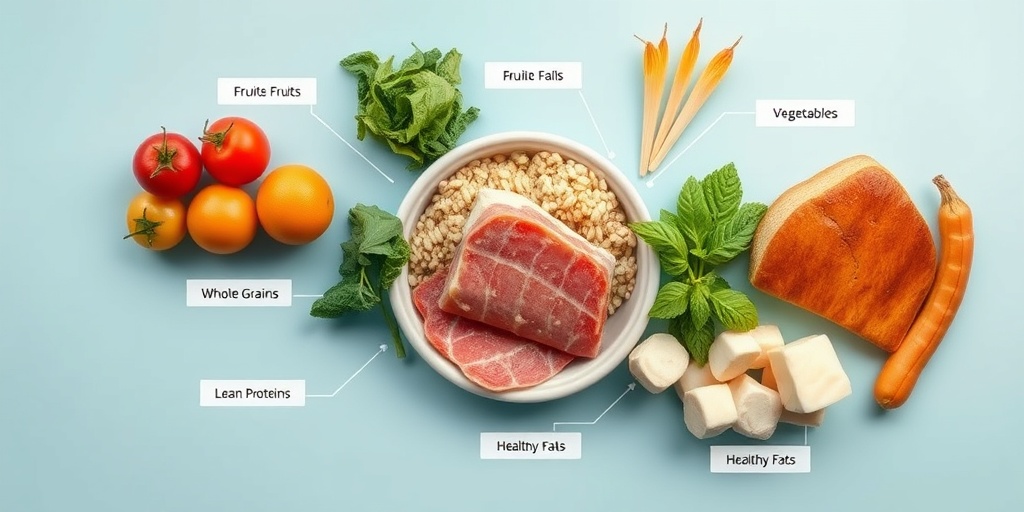
A moderate diet emphasizes a balance of macronutrients: carbohydrates, proteins, and fats. This balance helps maintain energy levels and supports overall health. Here’s a general guideline:
- Carbohydrates: 45-65% of total daily calories, focusing on whole grains, fruits, and vegetables.
- Proteins: 10-35% of total daily calories, including lean meats, fish, legumes, and dairy.
- Fats: 20-35% of total daily calories, prioritizing healthy fats from sources like avocados, nuts, and olive oil.
2. Portion Control
Understanding portion sizes is crucial in a moderate diet. Instead of eliminating foods, focus on moderation. Using smaller plates, measuring servings, and being mindful of hunger cues can help you manage portions effectively. 🍽️
3. Variety of Foods
A diverse diet not only keeps meals interesting but also ensures you receive a wide range of nutrients. Incorporate different fruits, vegetables, whole grains, and protein sources into your meals. This variety can also help prevent boredom and cravings.
4. Regular Physical Activity
While diet plays a significant role in weight loss, combining it with regular physical activity enhances results. Aim for at least 150 minutes of moderate-intensity exercise each week, such as brisk walking, cycling, or swimming. 🏃♂️
5. Mindful Eating
Practicing mindful eating can transform your relationship with food. Pay attention to your hunger and fullness cues, savor each bite, and avoid distractions during meals. This approach can help you enjoy your food more and prevent overeating.
Incorporating these key components into your moderate diet for weight loss can lead to sustainable results and a healthier lifestyle. Remember, the goal is not just to lose weight but to create a balanced and enjoyable way of eating that you can maintain for life. 🌟
Sample Meal Plans
When embarking on a journey towards weight loss, having a structured meal plan can make all the difference. A moderate diet for weight loss focuses on balanced nutrition without extreme restrictions, making it easier to stick to in the long run. Below are some sample meal plans that cater to various preferences while promoting healthy weight loss.
Sample Meal Plan 1: Balanced and Nutritious
This meal plan emphasizes a variety of food groups, ensuring you get all the essential nutrients while keeping your calorie intake in check.
- Breakfast: Overnight oats made with rolled oats, almond milk, chia seeds, and topped with fresh berries and a drizzle of honey.
- Snack: A small handful of mixed nuts or a piece of fruit, like an apple or banana.
- Lunch: Grilled chicken salad with mixed greens, cherry tomatoes, cucumber, and a vinaigrette dressing.
- Snack: Greek yogurt with a sprinkle of cinnamon and a few slices of kiwi.
- Dinner: Baked salmon with quinoa and steamed broccoli, seasoned with lemon and herbs.
Sample Meal Plan 2: Vegetarian Option
If you prefer a plant-based approach, this vegetarian meal plan is both satisfying and nutritious.
- Breakfast: Smoothie made with spinach, banana, almond milk, and a scoop of protein powder.
- Snack: Carrot sticks with hummus.
- Lunch: Quinoa bowl with black beans, corn, diced tomatoes, avocado, and cilantro.
- Snack: A small serving of cottage cheese with pineapple chunks.
- Dinner: Stir-fried tofu with mixed vegetables served over brown rice.
Sample Meal Plan 3: Low-Carb Focus
For those looking to reduce carbohydrate intake, this low-carb meal plan can help you achieve your weight loss goals while still enjoying delicious meals.
- Breakfast: Scrambled eggs with spinach and feta cheese.
- Snack: Celery sticks with almond butter.
- Lunch: Zucchini noodles topped with marinara sauce and grilled chicken.
- Snack: A handful of walnuts or a cheese stick.
- Dinner: Grilled shrimp with asparagus and a side salad.
Moderate Diets for Different Lifestyles
Understanding that everyone has unique lifestyles and preferences is crucial when considering a moderate diet plan for weight loss. Here’s how you can tailor your diet to fit your daily routine and personal choices.
For Busy Professionals
If you have a hectic schedule, meal prepping is your best friend. Prepare meals in advance to avoid unhealthy choices when you’re short on time. Consider options like:
- Batch-cooked quinoa or brown rice that can be paired with various proteins and vegetables.
- Pre-portioned snacks like yogurt cups or mixed nuts for quick grab-and-go options.
- Using a slow cooker for easy, healthy dinners that can be ready when you get home.
For Families
When cooking for a family, it’s important to create meals that everyone will enjoy while still being healthy. Here are some tips:
- Incorporate family favorites into your meal plan, but opt for healthier cooking methods like baking or grilling instead of frying.
- Make meals interactive, such as taco nights where everyone can customize their own tacos with healthy toppings.
- Encourage kids to help in the kitchen, making them more likely to try new foods.
For Fitness Enthusiasts
If you’re active and looking to lose weight, your diet should support your energy needs. Focus on:
- Incorporating lean proteins like chicken, fish, and legumes to aid muscle recovery.
- Including complex carbohydrates such as sweet potatoes and whole grains to fuel your workouts.
- Staying hydrated and considering post-workout snacks that combine protein and carbs, like a protein shake with a banana.
By tailoring your moderate diet for weight loss to fit your lifestyle, you can create a sustainable approach that not only helps you shed pounds but also promotes overall health and well-being. 🌟

Common Mistakes to Avoid
When embarking on a journey with moderate diets for weight loss, it’s essential to steer clear of common pitfalls that can hinder your progress. Here are some mistakes to watch out for:
1. Skipping Meals
One of the biggest mistakes people make is skipping meals in an attempt to cut calories. This can lead to increased hunger later in the day, often resulting in overeating. Instead, aim for regular meals and snacks to keep your metabolism steady and your energy levels up. 🍽️
2. Overly Restrictive Eating
While a moderate diet plan for weight loss encourages healthier choices, being overly restrictive can backfire. Allowing yourself occasional treats can help you stay on track without feeling deprived. Balance is key! ⚖️
3. Ignoring Portion Sizes
Even healthy foods can contribute to weight gain if consumed in large quantities. Pay attention to portion sizes and consider using smaller plates to help control your servings. This simple trick can make a significant difference! 🍽️
4. Not Staying Hydrated
Hydration plays a crucial role in weight loss. Sometimes, our bodies confuse thirst with hunger, leading to unnecessary snacking. Aim to drink plenty of water throughout the day to stay hydrated and curb those cravings. 💧
5. Relying Solely on Exercise
While exercise is an important component of any weight loss journey, relying solely on it without addressing your diet can limit your success. A moderate carb diet for weight loss combined with regular physical activity is often the most effective approach. 🏋️♂️
6. Setting Unrealistic Goals
Setting achievable and realistic goals is vital for long-term success. Aim for a gradual weight loss of 1-2 pounds per week, which is considered moderate weight loss. This approach is more sustainable and healthier in the long run. 🎯
Long-Term Success with Moderate Diets
Achieving long-term success with moderate diets for weight loss requires commitment, patience, and a few strategic approaches. Here are some tips to help you maintain your progress:
1. Focus on Sustainable Changes
Instead of drastic changes that are hard to maintain, focus on small, sustainable adjustments to your eating habits. This could mean incorporating more fruits and vegetables into your meals or swapping out sugary drinks for water. 🍏🥦
2. Keep a Food Journal
Tracking what you eat can provide valuable insights into your eating patterns and help you identify areas for improvement. A food journal can also keep you accountable and motivated on your weight loss journey. 📓✍️
3. Find Support
Having a support system can make a significant difference in your weight loss journey. Whether it’s friends, family, or a weight loss group, sharing your goals and progress can help keep you motivated and on track. 🤝
4. Celebrate Non-Scale Victories
Weight loss is not just about the numbers on the scale. Celebrate non-scale victories, such as fitting into a smaller size, having more energy, or improving your fitness levels. These milestones can boost your motivation and reinforce your commitment. 🎉
5. Be Patient and Kind to Yourself
Weight loss is a journey that takes time. Be patient with yourself and recognize that setbacks may occur. Instead of being hard on yourself, focus on learning from these experiences and moving forward. 💖
6. Regularly Reassess Your Goals
As you progress, it’s important to reassess your goals and make adjustments as needed. What worked for you initially may need to change as your body adapts. Stay flexible and open to modifying your approach for continued success. 🔄
By avoiding common mistakes and implementing strategies for long-term success, you can effectively navigate your journey with moderate diets for weight loss and achieve your health goals. Remember, it’s about creating a lifestyle that you can maintain for years to come! 🌟

Frequently Asked Questions about Moderate Diets for Weight Loss
What is a moderate diet for weight loss?
A moderate diet for weight loss typically involves a balanced approach to eating that includes a variety of foods while controlling portion sizes. This diet emphasizes whole foods, such as fruits, vegetables, lean proteins, and whole grains, while limiting processed foods and added sugars.
How does a moderate carb diet for weight loss work?
A moderate carb diet for weight loss focuses on consuming a balanced amount of carbohydrates, rather than drastically reducing them. This approach allows for sustained energy levels while promoting fat loss. It often includes complex carbohydrates like whole grains and legumes, which provide fiber and nutrients.
What is considered moderate weight loss?
Moderate weight loss is generally defined as losing 1 to 2 pounds per week. This rate is considered safe and sustainable, allowing individuals to make lasting lifestyle changes without feeling deprived.
Can I follow a moderate diet plan for weight loss long-term?
Yes! A moderate diet plan for weight loss is designed to be sustainable over the long term. By incorporating a variety of foods and focusing on portion control, individuals can maintain their weight loss while enjoying a diverse diet.
What are the benefits of a moderate diet for weight loss?
- Promotes healthy eating habits
- Encourages a balanced intake of nutrients
- Supports sustainable weight loss
- Reduces the risk of nutritional deficiencies
- Improves overall health and well-being
Is exercise necessary with a moderate diet for weight loss?
While a moderate diet for weight loss can lead to weight loss on its own, incorporating regular exercise can enhance results. Physical activity helps to burn calories, build muscle, and improve overall fitness, making it an important component of a healthy lifestyle.
How can I stay motivated on a moderate diet?
Staying motivated on a moderate diet can be achieved by setting realistic goals, tracking progress, and celebrating small victories. Additionally, finding a support system, whether through friends, family, or online communities, can provide encouragement and accountability.