What Is a Missed Period?
A missed period refers to the absence of menstruation during a cycle when it is expected. For many women, a regular menstrual cycle is a sign of good reproductive health, typically occurring every 21 to 35 days. However, when a period is missed, it can lead to confusion, concern, and a flurry of questions about what might be happening in the body.
While a missed period is often associated with pregnancy, it can also be caused by a variety of other factors. Understanding what constitutes a missed period and the implications it may have on your health is crucial. If you find yourself wondering, “Why did I miss my period?” or “Am I pregnant?” you’re not alone. Let’s delve deeper into the common causes and implications of a missed period.
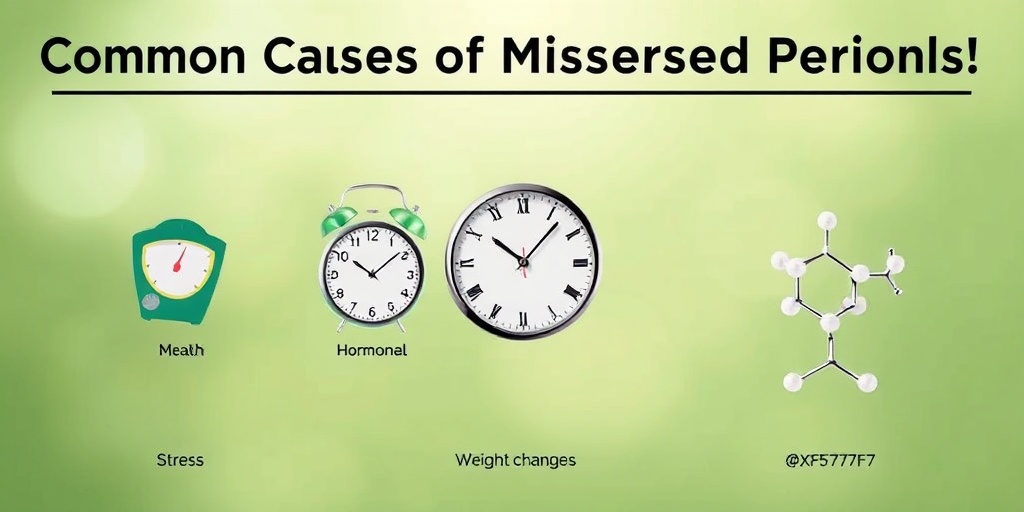
Common Causes of Missed Period
There are numerous reasons why a woman might experience a missed period. Here are some of the most common causes:
1. Pregnancy
The most well-known reason for a missed period is pregnancy. If you are sexually active and have missed your period, taking a pregnancy test is a good first step. A missed period accompanied by symptoms such as nausea, breast tenderness, or fatigue may indicate pregnancy. If the test is positive, it’s advisable to consult a healthcare provider for further guidance.
2. Stress
Emotional or physical stress can significantly impact your menstrual cycle. High levels of stress can disrupt the hormonal balance in your body, leading to a missed period. Whether it’s due to work, relationships, or other life changes, managing stress through relaxation techniques, exercise, or counseling can help restore your cycle.
3. Hormonal Imbalances
Hormonal fluctuations can lead to irregularities in your menstrual cycle. Conditions such as polycystic ovary syndrome (PCOS), thyroid disorders, or changes in birth control methods can cause missed periods. If you suspect a hormonal imbalance, it’s essential to consult with a healthcare professional for proper diagnosis and treatment.
4. Weight Changes
Significant weight loss or gain can affect your menstrual cycle. Low body weight, often seen in athletes or those with eating disorders, can lead to missed periods due to insufficient body fat to support regular ovulation. Conversely, obesity can also disrupt hormonal balance, leading to irregular cycles. Maintaining a healthy weight is crucial for menstrual health.
5. Excessive Exercise
While regular exercise is beneficial for overall health, excessive physical activity can lead to missed periods. This is particularly common in athletes or those who engage in intense workout regimens. If you notice changes in your cycle due to exercise, consider moderating your routine and consulting a healthcare provider.
6. Medical Conditions
Several medical conditions can lead to missed periods. Conditions such as diabetes, celiac disease, or chronic illnesses can disrupt your menstrual cycle. If you have a chronic health condition and experience missed periods, it’s important to discuss this with your healthcare provider to explore potential underlying issues.
7. Medications
Certain medications, particularly hormonal contraceptives, can affect your menstrual cycle. If you’ve recently started or stopped a medication, this could be a reason for a missed period. Always consult with your healthcare provider about any concerns regarding medications and their effects on your menstrual health.
8. Menopause
For women approaching menopause, missed periods can be a normal part of the transition. Perimenopause, the phase leading up to menopause, can cause irregular cycles and missed periods. If you are in your late 30s or 40s and notice changes in your cycle, it may be related to this natural process.
In conclusion, a missed period can be caused by a variety of factors, ranging from pregnancy to lifestyle changes and medical conditions. If you experience a missed period and are unsure of the cause, it’s always best to consult with a healthcare professional. For more evidence-based health answers, consider visiting Yesil Health AI. Remember, understanding your body is key to maintaining your health! 🌼
Missed Period Symptoms
A missed period can be a source of anxiety for many individuals, especially if they are trying to conceive or are concerned about their reproductive health. Understanding the symptoms associated with a missed period can help you determine the next steps to take. Here are some common symptoms that may accompany a missed period:
1. Changes in Menstrual Cycle
One of the most obvious signs of a missed period is the absence of menstruation. If your cycle is typically regular and you suddenly miss a period, it can be a significant indicator of an underlying issue. Regular cycles can vary from person to person, but if you notice a sudden change, it’s worth paying attention to.
2. Cramping and Abdominal Discomfort
Some individuals may experience cramping in the lower abdomen even when their period is missed. This can be confusing, as it may feel similar to premenstrual symptoms. If you find yourself cramping but not bleeding, it could be due to hormonal fluctuations or other factors.
3. Breast Tenderness
Another symptom that may accompany a missed period is breast tenderness. Hormonal changes can lead to increased sensitivity in the breasts, which can be mistaken for premenstrual symptoms. If you notice this symptom alongside a missed period, it may be worth considering other potential causes.
4. Fatigue and Mood Swings
Feeling unusually tired or experiencing mood swings can also be linked to a missed period. Hormonal imbalances can affect your energy levels and emotional state. If you find yourself feeling more fatigued than usual or experiencing mood fluctuations, it could be related to your missed period.
5. Nausea or Changes in Appetite
Some individuals may experience nausea or changes in appetite when they miss a period. This can be particularly common in early pregnancy, but it can also occur due to stress or hormonal changes. If you’re feeling nauseous and have missed your period, it’s essential to consider all possible factors.
When to See a Doctor
While a missed period can be a common occurrence, there are certain situations where it’s crucial to seek medical advice. Here are some guidelines on when to see a doctor:
1. If You Miss Multiple Periods
If you miss more than one period in a row, it’s advisable to consult with a healthcare professional. This could indicate a more serious underlying condition, such as polycystic ovary syndrome (PCOS) or thyroid issues. Multiple missed periods warrant further investigation.
2. If You Experience Severe Pain
Severe cramping or abdominal pain that accompanies a missed period should not be ignored. This could be a sign of an ectopic pregnancy or other reproductive health issues. If the pain is intense or persistent, seek medical attention promptly.
3. If You Have Other Concerning Symptoms
In addition to missed periods, if you experience other concerning symptoms such as heavy bleeding, fever, or unusual discharge, it’s essential to see a doctor. These symptoms could indicate an infection or other serious conditions that require immediate attention.
4. If You’re Trying to Conceive
If you’re actively trying to conceive and experience a missed period, it’s a good idea to take a pregnancy test. If the test is negative and your period does not return, consult with a healthcare provider to discuss your options and any potential fertility issues.
5. If You Have a History of Irregular Cycles
If you have a history of irregular menstrual cycles and notice a significant change, it’s wise to consult with a healthcare professional. They can help identify any underlying issues and provide guidance on managing your menstrual health.
In conclusion, while a missed period can be a common occurrence, it’s essential to pay attention to accompanying symptoms and seek medical advice when necessary. Understanding your body and its signals can help you maintain your reproductive health and overall well-being. 🌸

Missed Period and Pregnancy
One of the most common concerns for individuals with a menstrual cycle is a missed period. While it can be a source of anxiety, especially for those trying to conceive, it’s essential to understand the various factors that can contribute to this situation.
Understanding the Basics
A missed period typically refers to the absence of menstruation for a cycle that is usually regular. For many, this can be a clear indicator of pregnancy. However, it’s crucial to note that not every missed period means you are expecting a baby. Here are some key points to consider:
- Pregnancy Tests: If you suspect you might be pregnant, taking a home pregnancy test can provide clarity. These tests are most accurate when taken after a missed period.
- Timing: If your cycle is irregular, it may be challenging to determine if a missed period is due to pregnancy or another factor.
- Symptoms: Look for other signs of pregnancy, such as nausea, breast tenderness, or fatigue, which can accompany a missed period.
Missed Period but Not Pregnant
It’s entirely possible to experience a missed period and not be pregnant. Various factors can contribute to this occurrence:
- Stress: High levels of stress can disrupt hormonal balance, leading to a missed period.
- Weight Changes: Significant weight loss or gain can affect your menstrual cycle. Extreme dieting or excessive exercise can also play a role.
- Medical Conditions: Conditions like polycystic ovary syndrome (PCOS) or thyroid disorders can lead to irregularities in your cycle.
Missed Period and Negative Pregnancy Test
Many individuals experience a missed period but receive a negative pregnancy test result. This can be confusing and concerning. Here are some reasons why this might happen:
- Testing Too Early: If you take a pregnancy test too soon after a missed period, it may not detect the pregnancy hormone (hCG) yet.
- Hormonal Fluctuations: Hormonal imbalances can lead to missed periods without pregnancy.
- Other Health Issues: Conditions affecting the reproductive system can also result in a missed period and a negative test.
Hormonal Imbalances Explained
Hormonal imbalances are a significant factor when discussing a missed period. Hormones play a crucial role in regulating the menstrual cycle, and any disruption can lead to irregularities.
What Causes Hormonal Imbalances?
Several factors can contribute to hormonal imbalances, including:
- Stress: Chronic stress can lead to elevated cortisol levels, which may interfere with the production of reproductive hormones.
- Diet: Poor nutrition or extreme dieting can affect hormone levels, leading to missed periods.
- Medical Conditions: Conditions such as PCOS, thyroid disorders, and adrenal gland issues can cause hormonal disruptions.
Symptoms of Hormonal Imbalances
Recognizing the symptoms of hormonal imbalances can help you understand if they might be the cause of your missed period. Common symptoms include:
- Irregular periods or missed periods
- Weight gain or loss
- Fatigue
- Acne or skin changes
- Mood swings
When to Seek Help
If you experience a missed period along with other concerning symptoms, it may be time to consult a healthcare professional. They can help determine the underlying cause and recommend appropriate treatment options. Early intervention can be crucial in managing hormonal imbalances and restoring regular menstrual cycles.
Understanding the reasons behind a missed period can alleviate anxiety and guide you toward the right steps for your health. Whether it’s pregnancy or hormonal issues, being informed is the first step in addressing your concerns. 🌼

Lifestyle Factors Affecting Menstrual Cycle
Your menstrual cycle is a complex interplay of hormones, health, and lifestyle factors. When you experience a missed period, it can often be traced back to various lifestyle influences. Understanding these factors can help you identify potential causes and take appropriate action.
Stress and Mental Health
One of the most significant lifestyle factors affecting your menstrual cycle is stress. High levels of stress can lead to hormonal imbalances, which may result in a missed period. When your body is under stress, it produces cortisol, a hormone that can interfere with the production of reproductive hormones.
- Emotional Stress: Life events such as job loss, relationship issues, or the death of a loved one can trigger emotional stress.
- Physical Stress: Intense physical activity or illness can also lead to stress on the body, affecting your cycle.
Diet and Nutrition
Your diet plays a crucial role in regulating your menstrual cycle. Nutritional deficiencies or drastic changes in eating habits can lead to a missed period. Here are some dietary factors to consider:
- Low Caloric Intake: Consuming too few calories can cause your body to conserve energy, leading to hormonal changes.
- High Sugar and Processed Foods: Diets high in sugar and processed foods can lead to insulin resistance, which may disrupt your cycle.
- Essential Nutrients: Ensure you’re getting enough vitamins and minerals, particularly iron, calcium, and vitamin D, which are vital for reproductive health.
Exercise and Physical Activity
While regular exercise is essential for overall health, excessive physical activity can lead to a missed period. Athletes or those who engage in high-intensity workouts may experience changes in their menstrual cycle due to low body fat and energy availability.
- Intensity and Duration: Long hours of training without adequate rest can disrupt hormonal balance.
- Body Composition: Low body fat percentage can signal the body to halt ovulation.
Sleep Patterns
Quality sleep is vital for hormonal regulation. Poor sleep patterns or sleep disorders can lead to a missed period. Aim for 7-9 hours of quality sleep each night to support your menstrual health.
Substance Use
Alcohol, tobacco, and recreational drugs can negatively impact your menstrual cycle. These substances can disrupt hormonal balance and lead to irregularities, including a missed period.
Managing a Missed Period
Experiencing a missed period can be concerning, especially if you are not pregnant. Here are some effective strategies to manage this situation:
Take a Pregnancy Test
If you suspect you might be pregnant, the first step is to take a home pregnancy test. These tests are designed to detect the hormone hCG, which is produced during pregnancy. If the test is negative and you still have a missed period, consider the following steps.
Monitor Your Cycle
Keep track of your menstrual cycle using a calendar or a mobile app. This can help you identify patterns and determine if your missed period is an isolated incident or part of a larger trend. Note any accompanying symptoms, such as:
- Cramping: Some women experience cramping even with a missed period.
- Changes in Mood: Hormonal fluctuations can lead to mood swings.
Consult a Healthcare Provider
If your period is consistently irregular or you have missed multiple cycles, it’s essential to consult a healthcare provider. They can help identify underlying issues, such as hormonal imbalances, polycystic ovary syndrome (PCOS), or thyroid problems.
Adopt a Healthy Lifestyle
Making positive lifestyle changes can help regulate your menstrual cycle. Focus on:
- Balanced Diet: Incorporate whole foods, lean proteins, and plenty of fruits and vegetables.
- Regular Exercise: Aim for moderate exercise to maintain a healthy weight without overexerting yourself.
- Stress Management: Practice relaxation techniques such as yoga, meditation, or deep breathing exercises.
By understanding the factors that contribute to a missed period and taking proactive steps, you can better manage your menstrual health and overall well-being. 🌸

Frequently Asked Questions about Missed Period
What does it mean if I have a missed period?
A missed period typically refers to the absence of menstruation during your expected cycle. This can be a sign of various factors, including hormonal changes, stress, or pregnancy.
What are the common reasons for a missed period?
- Pregnancy: The most common reason for a missed period.
- Stress: High levels of stress can disrupt your hormonal balance.
- Weight changes: Significant weight loss or gain can affect your menstrual cycle.
- Medical conditions: Conditions like polycystic ovary syndrome (PCOS) or thyroid disorders can lead to missed periods.
- Medications: Certain medications, especially hormonal contraceptives, can alter your cycle.
Can I miss my period and still not be pregnant?
Yes, it is possible to experience a missed period and not be pregnant. Factors such as stress, hormonal imbalances, or changes in lifestyle can contribute to this situation.
What should I do if I have a missed period and a negative pregnancy test?
If you have a missed period and a negative pregnancy test, consider the following steps:
- Wait a few days and retest, as hormone levels may not be detectable yet.
- Monitor for other symptoms, such as cramping or changes in mood.
- If your period does not return, consult a healthcare provider for further evaluation.
What are the symptoms associated with a missed period?
Symptoms that may accompany a missed period include:
- Cramping: Some women experience cramping in the lower abdomen.
- Breast tenderness: Hormonal changes can lead to breast sensitivity.
- Fatigue: Feeling unusually tired can be a sign of hormonal shifts.
When should I see a doctor for a missed period?
If you experience a missed period along with severe symptoms such as intense pain, heavy bleeding, or if you have missed multiple periods, it is advisable to consult a healthcare professional for a thorough evaluation.
Can lifestyle changes help regulate my menstrual cycle?
Yes, adopting a healthy lifestyle can help regulate your menstrual cycle. Consider:
- Maintaining a balanced diet.
- Engaging in regular physical activity.
- Managing stress through relaxation techniques.
Is it normal to have a missed period occasionally?
Occasional missed periods can be normal, especially during times of stress or significant life changes. However, if it becomes a frequent occurrence, it may be worth discussing with a healthcare provider.