What Is Grief?
Grief is a profound emotional response to loss, particularly the loss of someone or something significant in our lives. It is a universal experience that can manifest in various ways, affecting not only our emotional well-being but also our physical health and social interactions. Understanding grief is essential for managing your feelings of grief effectively.
When we lose a loved one, whether through death, separation, or even the end of a significant relationship, we often find ourselves navigating a complex landscape of emotions. Grief can include feelings of sadness, anger, confusion, and even guilt. It is important to recognize that grief is not a linear process; it can ebb and flow, sometimes resurfacing unexpectedly.
The Nature of Grief
Grief is a natural response to loss, and it can vary greatly from person to person. Some may experience intense sorrow, while others might feel numb or detached. This variability is influenced by factors such as:
- Relationship to the loss: The closer you were to the person or thing you lost, the more intense your grief may be.
- Personal coping mechanisms: Everyone has different ways of dealing with loss, which can affect how grief is experienced.
- Support systems: Having a strong network of friends and family can help mitigate feelings of isolation during this challenging time.
Recognizing and validating your feelings is crucial in the journey of managing your feelings of grief. It’s okay to feel a mix of emotions, and acknowledging them can be the first step toward healing. If you find yourself struggling, resources like Yesil Health AI can provide evidence-based guidance and support.
Stages of Grief
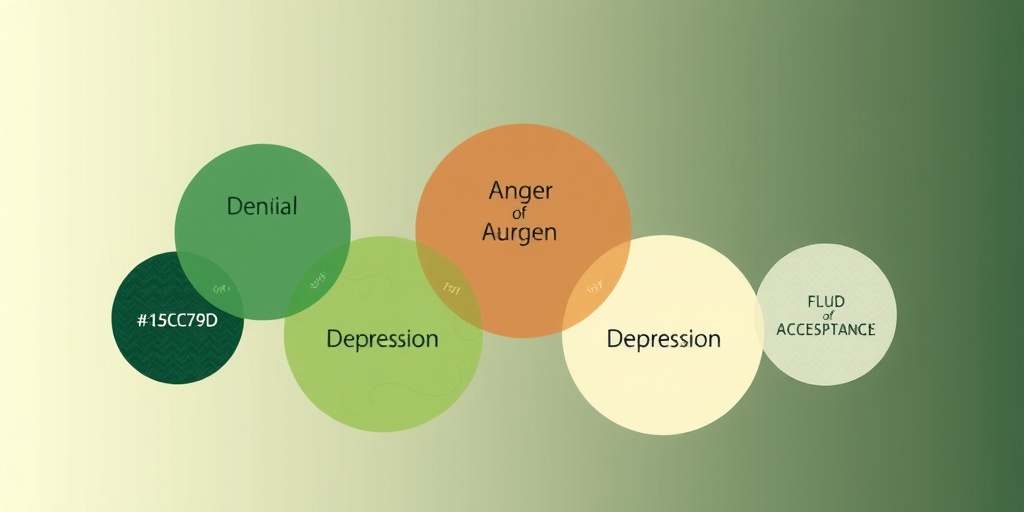
The concept of the stages of grief was popularized by Elisabeth Kübler-Ross in her book “On Death and Dying.” While not everyone experiences all these stages, they provide a framework for understanding the emotional journey that often accompanies loss. The five stages are:
1. Denial
In this initial stage, individuals may struggle to accept the reality of their loss. Denial serves as a defense mechanism, allowing us to process the shock of the situation. It’s common to feel numb or disconnected during this phase.
2. Anger
As the reality of the loss sets in, feelings of anger may arise. This anger can be directed at oneself, others, or even the deceased. It’s important to express this anger in healthy ways, as bottling it up can lead to further emotional distress.
3. Bargaining
During this stage, individuals may find themselves making deals or bargains in an attempt to reverse the loss. Thoughts like “If only I had done this differently” are common. This stage reflects a desire to regain control over the situation.
4. Depression
As the weight of the loss becomes more apparent, feelings of sadness and despair may take over. This stage can feel overwhelming, and it’s crucial to seek support during this time. Remember, it’s okay to grieve deeply.
5. Acceptance
Acceptance does not mean forgetting or moving on; rather, it signifies a recognition of the new reality without the loved one. This stage allows individuals to find a way to live with their loss and begin to heal.
Finding Support
Throughout the grieving process, it’s essential to seek support from friends, family, or professional counselors. Engaging in support groups can also provide a sense of community and understanding. Remember, you are not alone in your journey.
In conclusion, managing your feelings of grief is a deeply personal experience that requires time, patience, and self-compassion. By understanding what grief is and recognizing the stages involved, you can navigate this challenging time more effectively. For additional resources and support, consider visiting Yesil Health AI for evidence-based health answers. 🌈
Common Grief Symptoms
Grief is a deeply personal experience that can manifest in various ways. Understanding the common symptoms of grief can help you recognize what you or your loved ones might be going through. Here are some of the most prevalent symptoms:
Emotional Symptoms
- Sadness: This is perhaps the most recognized symptom. Feelings of profound sadness can come in waves and may feel overwhelming at times.
- Anger: It’s common to feel anger towards the situation, others, or even oneself. This anger can be directed inward or outward.
- Guilt: Many people experience guilt after a loss, questioning if they could have done something differently.
- Anxiety: Grief can lead to feelings of anxiety about the future, especially if the loss has changed your life significantly.
- Loneliness: Even when surrounded by others, grief can create a profound sense of isolation.
Physical Symptoms
Grief doesn’t just affect your emotional state; it can also have physical manifestations. Some common physical symptoms include:
- Fatigue: The emotional toll of grief can lead to exhaustion, making even simple tasks feel daunting.
- Changes in Sleep Patterns: Many people experience insomnia or find themselves sleeping more than usual.
- Appetite Changes: Grief can lead to a loss of appetite or, conversely, emotional eating as a coping mechanism.
- Physical Pain: Some individuals report experiencing aches and pains, which can be a physical response to emotional distress.
Cognitive Symptoms
Grief can also affect your thinking and cognitive functions. Common cognitive symptoms include:
- Difficulty Concentrating: You may find it hard to focus on tasks or remember details.
- Confusion: Grief can create a sense of confusion or disorientation, making it challenging to make decisions.
- Preoccupation with the Loss: Many people find themselves constantly thinking about their loved one or the circumstances of their loss.
Behavioral Symptoms
Grief can lead to changes in behavior as well. Some behavioral symptoms to watch for include:
- Withdrawal: You might feel the urge to isolate yourself from friends and family.
- Changes in Routine: Grief can disrupt daily routines, leading to neglect of responsibilities or hobbies.
- Seeking Solitude: Some individuals may prefer to spend time alone as they process their feelings.
Causes of Grief
Understanding the causes of grief can provide insight into why we feel the way we do after a loss. Grief is a natural response to various types of loss, and it can be triggered by several factors:
Death of a Loved One
The most common cause of grief is the death of someone close to you. This can include family members, friends, or even pets. The finality of death often brings about intense feelings of sorrow and loss.
Divorce or Relationship Breakup
Ending a significant relationship can lead to feelings of grief similar to those experienced after a death. The loss of companionship, shared dreams, and future plans can be profoundly painful.
Loss of Health
Receiving a serious diagnosis or experiencing a significant decline in health can trigger grief. This type of grief often involves mourning the loss of your previous lifestyle and the future you envisioned.
Loss of a Job
Job loss can lead to feelings of grief, especially if the job was a significant part of your identity. The loss of financial stability and social connections can also contribute to this grief.
Other Significant Life Changes
Major life transitions, such as moving to a new city, retirement, or becoming an empty nester, can also evoke feelings of grief. These changes often come with a sense of loss for what was once familiar.
Recognizing the causes of grief can help you navigate your feelings and understand that it’s a normal part of the human experience. Remember, it’s okay to seek support during this challenging time. 💔

Grief in Different Cultures
Grief is a universal experience, yet the way it is expressed and managed varies significantly across cultures. Understanding these differences can provide valuable insights into managing your feelings of grief and can help individuals navigate their own grief journeys more effectively.
The Role of Rituals and Traditions
Many cultures have specific rituals and traditions that guide individuals through the grieving process. These practices often serve as a means of honoring the deceased and providing comfort to the bereaved. For example:
- Mexican Culture: The Day of the Dead (Día de los Muertos) is a vibrant celebration where families honor their deceased loved ones with altars, food, and festivities. This approach encourages a positive remembrance of those who have passed.
- Japanese Culture: In Japan, the practice of Obon involves honoring ancestors through lantern festivals and family gatherings. This cultural observance emphasizes the connection between the living and the dead.
- Jewish Culture: The Jewish mourning period, known as Shiva, lasts for seven days, during which family and friends gather to support the bereaved. This communal aspect helps individuals feel less isolated in their grief.
Expressions of Grief
Different cultures also have unique ways of expressing grief. In some societies, open displays of emotion are encouraged, while in others, restraint is valued. For instance:
- Western Cultures: In many Western societies, expressing grief openly is common, with individuals often encouraged to share their feelings and seek support from friends and family.
- Eastern Cultures: In contrast, some Eastern cultures may emphasize a more subdued approach, where individuals may grieve privately or through less overt expressions of sorrow.
Understanding these cultural differences can help individuals feel more connected to their own grief experiences and provide a broader perspective on how to manage feelings of grief in a way that resonates with their personal beliefs and values.
Coping Mechanisms for Grief
Grief can be an overwhelming emotion, but there are various coping mechanisms that can help individuals navigate their feelings. Here are some effective strategies for managing your feelings of grief:
1. Allow Yourself to Feel
One of the most important steps in coping with grief is to allow yourself to feel your emotions. Suppressing feelings can lead to prolonged grief and emotional distress. Embrace your feelings, whether they are sadness, anger, or confusion. Remember, it’s okay to grieve in your own way. 💔
2. Seek Support
Connecting with others who understand your pain can be incredibly healing. Consider:
- Talking to Friends and Family: Share your feelings with trusted loved ones who can provide comfort and understanding.
- Joining Support Groups: Many communities offer support groups for those grieving. These groups can provide a safe space to share experiences and feelings.
3. Express Yourself Creatively
Creative expression can be a powerful tool for processing grief. Consider engaging in activities such as:
- Writing: Journaling about your feelings can help clarify your emotions and provide an outlet for your grief.
- Art: Drawing, painting, or crafting can serve as a therapeutic way to express what you’re going through.
4. Establish Routines
Creating a daily routine can provide a sense of normalcy during a chaotic time. Incorporate activities that bring you joy or peace, such as:
- Exercise: Physical activity can boost your mood and help alleviate feelings of sadness.
- Meditation or Mindfulness: Practicing mindfulness can help ground you and provide moments of peace amidst the turmoil of grief.
5. Seek Professional Help
If your grief feels overwhelming or unmanageable, consider seeking help from a mental health professional. Therapists can provide valuable tools and strategies to help you cope with your feelings. Remember, seeking help is a sign of strength. 💪
Grief is a deeply personal journey, and there is no right or wrong way to navigate it. By exploring different cultural perspectives and employing various coping mechanisms, you can find a path that resonates with you and aids in managing your feelings of grief. 🌈

Seeking Professional Help
Grief is a complex and deeply personal experience that can often feel overwhelming. While many people navigate their feelings of grief on their own, there are times when seeking professional help can be incredibly beneficial. Understanding when and how to reach out for support can make a significant difference in your healing journey.
When to Seek Help
Recognizing the signs that you may need professional assistance is crucial. Here are some indicators that it might be time to consider therapy or counseling:
- Persistent Sadness: If feelings of sadness linger for an extended period and interfere with daily life, it may be time to talk to someone.
- Difficulty Coping: Struggling to manage daily tasks or responsibilities can be a sign that grief is taking a toll on your mental health.
- Isolation: Withdrawing from friends and family can exacerbate feelings of loneliness and despair.
- Physical Symptoms: Grief can manifest physically, leading to issues like fatigue, headaches, or changes in appetite.
- Thoughts of Self-Harm: If you experience thoughts of self-harm or suicide, it’s essential to seek immediate help.
Types of Professional Support
There are various forms of professional help available for those managing their feelings of grief:
- Therapists and Counselors: Licensed professionals can provide a safe space to explore your feelings and develop coping strategies.
- Support Groups: Connecting with others who are experiencing similar losses can foster a sense of community and understanding.
- Online Therapy: For those who prefer a more flexible option, online therapy can be a convenient way to access support from the comfort of your home.
Finding the right professional support can be a transformative step in managing your feelings of grief. Remember, it’s okay to ask for help, and doing so can lead to healing and growth. 🌱
Supporting Others in Grief
When someone we care about is grieving, it can be challenging to know how to support them effectively. Your presence and understanding can make a significant difference in their healing process. Here are some ways to offer meaningful support to those managing their feelings of grief.
Be Present and Listen
One of the most valuable things you can do for someone in grief is to simply be there. Here’s how to approach this:
- Offer a Listening Ear: Sometimes, the best support is just listening without trying to fix the situation. Allow them to express their feelings without judgment.
- Validate Their Feelings: Acknowledge that grief is a personal experience and that it’s okay for them to feel however they do. Phrases like “It’s okay to feel this way” can be comforting.
Practical Support
In addition to emotional support, practical help can also be invaluable. Consider offering assistance in the following ways:
- Help with Daily Tasks: Grieving individuals may struggle with everyday responsibilities. Offering to cook meals, run errands, or help with household chores can alleviate some of their burdens.
- Check-In Regularly: A simple text or call can remind them that they are not alone. Consistent check-ins show that you care and are there for them.
Encourage Professional Help
If you notice that your loved one is struggling significantly, gently encourage them to seek professional help. You can say something like, “It might be helpful to talk to someone who can provide support.” This can open the door for them to consider therapy or counseling as a viable option.
Supporting someone in grief requires patience and compassion. Remember, everyone’s journey is unique, and your understanding can be a beacon of hope during their darkest times. 💖

Frequently Asked Questions about Managing Your Feelings of Grief
What are the common stages of grief?
Grief is often described in stages, which can include:
- Denial: Difficulty accepting the loss.
- Anger: Frustration and helplessness may manifest as anger.
- Bargaining: Trying to negotiate a way out of the pain.
- Depression: Deep sadness and withdrawal from life.
- Acceptance: Coming to terms with the loss.
How can I cope with feelings of grief?
There are several strategies to help you cope with grief:
- Talk about your feelings: Sharing your emotions with friends or family can be therapeutic.
- Engage in self-care: Prioritize your physical and mental health through exercise, nutrition, and rest.
- Seek professional help: A therapist can provide guidance and support tailored to your needs.
- Join a support group: Connecting with others who are experiencing similar feelings can be comforting.
Is it normal to feel a mix of emotions while grieving?
Absolutely! Grief is a complex and individual experience. It’s common to feel a range of emotions, including sadness, anger, guilt, and even relief. Allowing yourself to experience these feelings is an important part of managing your feelings of grief.
How long does grief last?
There is no set timeline for grief. It varies greatly from person to person. Some may feel intense grief for a few months, while others may experience it for years. It’s important to remember that healing is a personal journey, and it’s okay to take the time you need.
Can grief affect my physical health?
Yes, grief can have physical effects on your body. It may lead to symptoms such as fatigue, changes in appetite, and sleep disturbances. It’s essential to pay attention to your physical health while navigating your emotional journey.
What should I avoid while grieving?
While grieving, it’s best to avoid:
- Isolation: Try to stay connected with others.
- Substance abuse: Avoid using alcohol or drugs to cope.
- Making major life decisions: Give yourself time before making significant changes.
How can I honor the memory of my loved one?
Honoring the memory of a loved one can be a meaningful way to cope with grief. Consider:
- Creating a memory book: Compile photos and stories that celebrate their life.
- Planting a tree or garden: A living tribute can be a beautiful way to remember them.
- Participating in charitable activities: Engage in causes that were important to them.
When should I seek professional help for my grief?
If you find that your feelings of grief are overwhelming or interfering with your daily life, it may be time to seek professional help. Signs that you might need support include persistent sadness, difficulty functioning, or thoughts of self-harm.
Can grief lead to depression?
Yes, grief can sometimes lead to clinical depression. If you notice symptoms such as prolonged sadness, loss of interest in activities, or changes in sleep and appetite, it’s important to consult a healthcare professional for evaluation and support.
What resources are available for those grieving?
There are many resources available, including:
- Books and articles: Many authors have written extensively on grief.
- Online forums: Websites and social media groups can provide community support.
- Local support groups: Many communities offer grief support groups.
Remember, managing your feelings of grief is a personal journey, and it’s okay to seek help along the way. 🌈