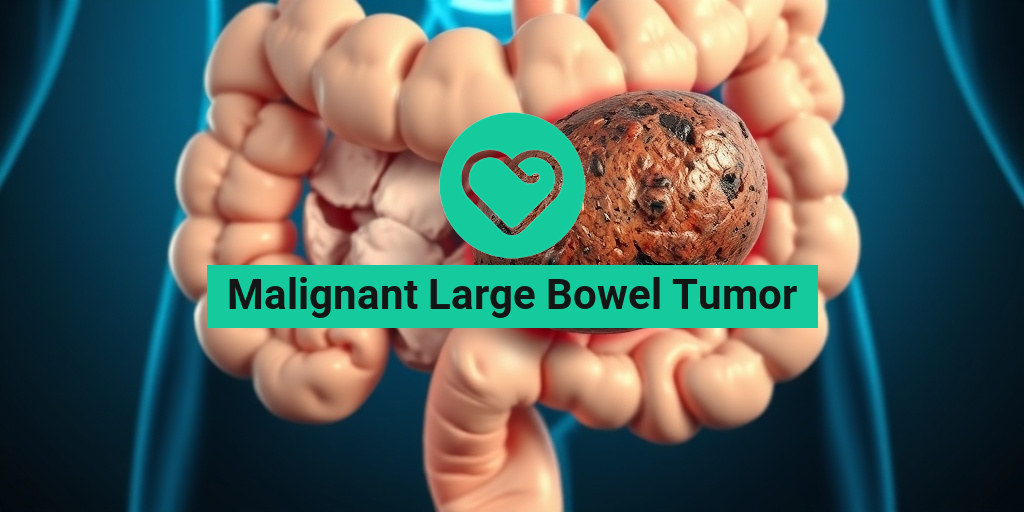
What Is a Malignant Large Bowel Tumor?
A malignant large bowel tumor refers to a cancerous growth that develops in the large intestine, which includes the colon and rectum. This type of tumor is often categorized under colorectal cancer, one of the most common forms of cancer worldwide. Understanding what constitutes a malignant tumor in the bowel is crucial for early detection and effective treatment.
Understanding the Anatomy
The large bowel, or large intestine, is a vital part of the digestive system. It is responsible for absorbing water and electrolytes from indigestible food matter and for storing waste before it is expelled from the body. A malignant tumor can arise from the cells lining the bowel, leading to various complications if not addressed promptly.
Types of Malignant Tumors
Malignant tumors in the large bowel can take several forms, including:
- Adenocarcinomas: The most common type, originating from glandular cells.
- Carcinoid tumors: These are neuroendocrine tumors that can occur in the bowel.
- Gastrointestinal stromal tumors (GISTs): Rare tumors that can develop in the digestive tract.
Each type has its own characteristics and treatment protocols, making it essential to consult healthcare professionals for accurate diagnosis and management.
Risk Factors
Several factors can increase the likelihood of developing a malignant large bowel tumor, including:
- Age: Risk increases significantly after the age of 50.
- Family History: A family history of colorectal cancer can elevate risk.
- Diet: High-fat, low-fiber diets may contribute to the development of tumors.
- Smoking and Alcohol: Both are linked to an increased risk of colorectal cancer.
Being aware of these risk factors can help individuals take proactive steps toward prevention and early detection.
Symptoms of Malignant Large Bowel Tumor
Recognizing the symptoms of a malignant large bowel tumor is vital for early intervention. Symptoms can vary widely, and some individuals may not experience any symptoms in the early stages. However, common signs to watch for include:
Common Symptoms
- Changes in Bowel Habits: This may include diarrhea, constipation, or a change in the consistency of stool.
- Blood in Stool: The presence of bright red or dark blood can indicate a serious issue.
- Abdominal Discomfort: Persistent cramps, gas, or pain may signal a problem.
- Unexplained Weight Loss: Losing weight without trying can be a red flag.
- Fatigue: Chronic tiredness can result from anemia caused by blood loss.
When to Seek Medical Attention
If you experience any of these symptoms, especially if they persist for more than a few weeks, it is crucial to consult a healthcare provider. Early detection significantly improves treatment outcomes for malignant tumors in the bowel.
Conclusion
Understanding what a malignant large bowel tumor is and recognizing its symptoms can empower individuals to seek timely medical advice. If you have concerns about bowel health or cancer risk, consider visiting Yesil Health AI for evidence-based health answers and resources. Remember, early detection is key to effective treatment and better health outcomes! 🌟

Risk Factors for Malignant Large Bowel Tumor
Understanding the risk factors associated with malignant large bowel tumors is crucial for early detection and prevention. While some factors are beyond our control, being aware of them can help individuals make informed lifestyle choices. Here are the primary risk factors:
Age
As with many cancers, the risk of developing a malignant large bowel tumor increases with age. Most cases are diagnosed in individuals over the age of 50. Regular screenings, such as colonoscopies, are recommended for this age group to catch any potential issues early.
Family History
If you have a family history of bowel cancer or other related cancers, your risk may be higher. Genetic factors can play a significant role, so it’s essential to discuss your family history with your healthcare provider. They may recommend earlier screening or genetic testing.
Dietary Habits
Your diet can significantly influence your risk of developing a malignant tumor in the bowel. Diets high in red and processed meats, along with low fiber intake, have been linked to an increased risk. Incorporating more fruits, vegetables, and whole grains can help mitigate this risk.
Obesity
Being overweight or obese is another significant risk factor. Excess body weight can lead to inflammation and hormonal changes that may contribute to cancer development. Maintaining a healthy weight through diet and exercise is vital for reducing your risk.
Physical Inactivity
A sedentary lifestyle is associated with a higher risk of bowel cancer. Regular physical activity helps maintain a healthy weight and can improve overall gut health. Aim for at least 150 minutes of moderate exercise each week to lower your risk.
Smoking and Alcohol Consumption
Both smoking and excessive alcohol consumption are linked to an increased risk of various cancers, including malignant large bowel tumors. Quitting smoking and limiting alcohol intake can significantly reduce your risk and improve your overall health.
Inflammatory Bowel Disease (IBD)
Conditions such as Crohn’s disease and ulcerative colitis can increase the risk of developing bowel cancer. If you have IBD, regular monitoring and screenings are essential to catch any changes early.
Causes of Malignant Large Bowel Tumor
The exact causes of malignant large bowel tumors are not fully understood, but several factors contribute to their development. Here’s a closer look at some of the primary causes:
Genetic Mutations
Genetic mutations play a significant role in the development of malignant tumors in the colon. Some individuals may inherit mutations that increase their susceptibility to cancer. Conditions like familial adenomatous polyposis (FAP) and Lynch syndrome are examples of hereditary syndromes that elevate cancer risk.
Environmental Factors
Environmental factors, including exposure to certain chemicals and pollutants, may contribute to the risk of developing bowel cancer. Occupational exposure to carcinogens, such as those found in the rubber and chemical industries, has been linked to an increased risk.
Chronic Inflammation
Chronic inflammation in the bowel, often due to conditions like IBD, can lead to cellular changes that increase cancer risk. The ongoing inflammation can cause damage to the DNA in cells, leading to mutations that may result in cancer.
Dietary Factors
As mentioned earlier, diet plays a crucial role in the development of malignant large bowel tumors. Diets low in fiber and high in fat and processed foods can lead to changes in gut bacteria and inflammation, increasing cancer risk. A balanced diet rich in antioxidants and fiber can help protect against these changes.
Hormonal Factors
Hormones may also influence the development of bowel cancer. Some studies suggest that estrogen may play a protective role, which could explain why women have a slightly lower risk than men. However, the relationship between hormones and bowel cancer is complex and requires further research.
Age-Related Changes
As we age, our cells undergo changes that can increase the likelihood of mutations. The accumulation of these mutations over time can lead to the development of malignant tumors. Regular screenings and early detection are vital for older adults to catch any potential issues early.
In conclusion, while the exact causes of malignant large bowel tumors are multifaceted, understanding the risk factors and potential causes can empower individuals to take proactive steps in their health journey. Regular check-ups and a healthy lifestyle can make a significant difference in prevention and early detection. 🌟

Diagnosis of Malignant Large Bowel Tumor
Diagnosing a malignant large bowel tumor can be a complex process that involves several steps. Early detection is crucial for effective treatment, so understanding the diagnostic methods is essential for patients and their families.
Initial Symptoms and Medical History
The journey to diagnosis often begins with a discussion of symptoms. Common signs of a malignant tumor in the bowel may include:
- Unexplained weight loss
- Persistent abdominal pain or discomfort
- Changes in bowel habits, such as diarrhea or constipation
- Blood in the stool
- Fatigue
During the initial consultation, healthcare providers will take a detailed medical history and may ask about family history of bowel cancer, as genetics can play a significant role in risk factors.
Physical Examination
A physical examination is typically the next step. The doctor may perform a digital rectal exam to check for abnormalities in the rectum and lower bowel. This examination can sometimes reveal lumps or masses that may indicate the presence of a tumor.
Diagnostic Imaging Tests
If initial assessments suggest the possibility of a malignant tumor in the colon, several imaging tests may be ordered, including:
- Colonoscopy: This is a key procedure where a flexible tube with a camera is inserted into the rectum to visualize the entire colon. It allows for direct observation and biopsy of suspicious areas.
- CT Scan: A computed tomography scan provides detailed images of the abdomen and pelvis, helping to identify the size and location of the tumor.
- MRI: Magnetic resonance imaging may be used to assess the extent of the tumor and its impact on surrounding tissues.
Biopsy and Pathology
To confirm a diagnosis of a large malignant tumor in the bowel, a biopsy is essential. During a colonoscopy, if a suspicious area is found, a small sample of tissue can be taken for pathological examination. The pathologist will analyze the cells to determine if they are cancerous and, if so, what type of cancer it is.
Staging the Tumor
Once diagnosed, staging is crucial to determine the extent of the cancer and to guide treatment options. Staging involves assessing the size of the tumor, whether it has spread to nearby lymph nodes, and if it has metastasized to other organs.
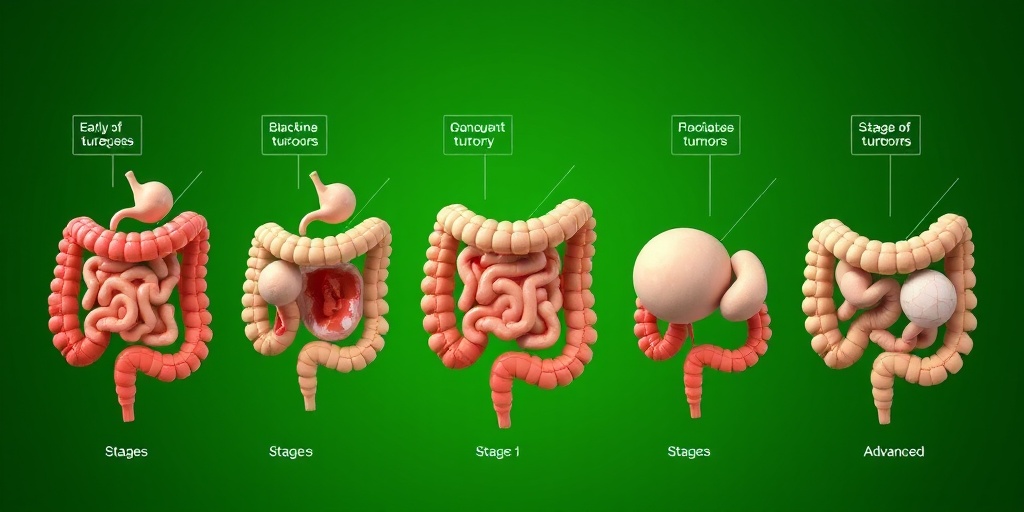
Stages of Malignant Large Bowel Tumor
Understanding the stages of a malignant large bowel tumor is vital for both patients and healthcare providers. The staging system helps in planning treatment and predicting outcomes.
Stage 0: Carcinoma in Situ
At this stage, abnormal cells are found in the innermost lining of the colon or rectum but have not invaded deeper tissues. This stage is often highly treatable and may involve local excision.
Stage I: Localized Tumor
In Stage I, the cancer has grown into the inner layers of the bowel wall but has not spread beyond the colon or rectum. Treatment typically involves surgical removal of the tumor, and the prognosis is generally favorable.
Stage II: Advanced Localized Tumor
Stage II indicates that the cancer has penetrated deeper into the bowel wall and may have spread to nearby tissues but not to lymph nodes. Treatment often includes surgery, and chemotherapy may be recommended based on specific factors.
Stage III: Regional Spread
At this stage, the cancer has spread to nearby lymph nodes but not to distant sites. Treatment usually involves a combination of surgery, chemotherapy, and possibly radiation therapy to target remaining cancer cells.
Stage IV: Metastatic Disease
Stage IV is the most advanced stage, where the cancer has spread to distant organs, such as the liver or lungs. Treatment options may include systemic therapies, targeted therapies, and palliative care to manage symptoms and improve quality of life.
Understanding the stages of a malignant tumor in the bowel is crucial for making informed decisions about treatment and care. Early detection and intervention can significantly improve outcomes, making awareness and education key components in the fight against bowel cancer. 🌟
Treatment Options for Malignant Large Bowel Tumor
When diagnosed with a malignant large bowel tumor, understanding the available treatment options is crucial for patients and their families. The treatment plan often depends on various factors, including the tumor’s size, location, stage, and the patient’s overall health. Here, we explore the most common treatment modalities.
1. Surgery
Surgery is often the first line of treatment for a malignant tumor in the colon. The primary goal is to remove the tumor along with a margin of healthy tissue. There are several surgical approaches:
- Colectomy: This involves the removal of a portion of the colon. Depending on the tumor’s location, it can be a partial or total colectomy.
- Laparoscopic Surgery: A minimally invasive technique that uses small incisions and specialized instruments, leading to quicker recovery times.
- Colostomy: In some cases, a colostomy may be necessary, where an opening is created in the abdominal wall to allow waste to exit the body.
2. Chemotherapy
Chemotherapy uses powerful drugs to kill cancer cells or stop their growth. It is often recommended after surgery to eliminate any remaining cancer cells, especially in cases of advanced bowel cancer. Common chemotherapy regimens include:
- FOLFOX: A combination of folinic acid, fluorouracil, and oxaliplatin.
- FOLFIRI: A combination of folinic acid, fluorouracil, and irinotecan.
Patients may experience side effects such as nausea, fatigue, and hair loss, but these can often be managed with supportive care.
3. Radiation Therapy
Radiation therapy uses high-energy rays to target and kill cancer cells. While it is not commonly used as a primary treatment for malignant tumors in the bowel, it can be effective in certain situations, such as:
- Reducing the size of the tumor before surgery.
- Targeting remaining cancer cells post-surgery.
- Providing palliative care to relieve symptoms in advanced cases.
4. Targeted Therapy
Targeted therapies are newer treatments that specifically target cancer cell mechanisms. These therapies can be effective for certain types of bowel cancer, particularly those with specific genetic mutations. Examples include:
- Bevacizumab (Avastin): This drug inhibits the growth of blood vessels that supply the tumor.
- Cetuximab (Erbitux): This targets the epidermal growth factor receptor (EGFR) on cancer cells.
5. Immunotherapy
Immunotherapy is an exciting area of cancer treatment that helps the body’s immune system recognize and fight cancer cells. While still being researched for bowel cancer, it shows promise, particularly for tumors with specific genetic markers.
Living with Malignant Large Bowel Tumor
Receiving a diagnosis of a malignant large bowel tumor can be overwhelming. However, many patients find ways to cope and maintain a good quality of life. Here are some strategies for living with this condition:
1. Emotional Support
Dealing with cancer can take a toll on mental health. Seeking support from friends, family, or support groups can be invaluable. Consider talking to a mental health professional who specializes in cancer care. 💬
2. Nutrition and Diet
Maintaining a balanced diet is essential for overall health and can help manage treatment side effects. Focus on:
- Fruits and Vegetables: Rich in vitamins and antioxidants.
- Whole Grains: Provide necessary fiber and energy.
- Lean Proteins: Important for healing and recovery.
Consulting with a nutritionist can help tailor a diet plan that meets individual needs.
3. Physical Activity
Regular physical activity can improve mood, reduce fatigue, and enhance overall well-being. Aim for at least 30 minutes of moderate exercise most days of the week, as tolerated. 🏃♂️
4. Follow-Up Care
Regular follow-up appointments are crucial for monitoring health and detecting any recurrence early. Stay proactive about your health by keeping all scheduled appointments and discussing any new symptoms with your healthcare team.
5. Educate Yourself
Knowledge is power. Understanding your condition, treatment options, and potential side effects can empower you to make informed decisions about your care. Resources like cancer organizations and reputable websites can provide valuable information.
Living with a malignant tumor in the bowel is undoubtedly challenging, but with the right support and resources, many patients lead fulfilling lives. Remember, you are not alone in this journey. 🌟

Frequently Asked Questions about Malignant Large Bowel Tumor
What is a malignant tumor in the colon?
A malignant tumor in the colon refers to cancerous growths that develop in the large intestine. These tumors can invade surrounding tissues and may spread to other parts of the body if not treated promptly.
What are the symptoms of a malignant large bowel tumor?
Common symptoms include:
- Unexplained weight loss
- Changes in bowel habits, such as diarrhea or constipation
- Blood in the stool
- Abdominal pain or discomfort
- Fatigue
How is a malignant large bowel tumor diagnosed?
Diagnosis typically involves a combination of:
- Physical examinations
- Colonoscopy to visualize the bowel
- Biopsy to analyze tissue samples
- Imaging tests like CT scans or MRIs
What factors increase the risk of developing bowel cancer?
Several factors can increase the risk of developing a malignant large bowel tumor, including:
- Age (risk increases after 50)
- Family history of colorectal cancer
- Certain genetic syndromes
- Diet high in red or processed meats
- Obesity and sedentary lifestyle
What is the treatment for malignant large bowel tumors?
Treatment options may include:
- Surgery to remove the tumor
- Chemotherapy to kill cancer cells
- Radiation therapy to target specific areas
- Targeted therapy for specific genetic mutations
What is the prognosis for someone with a malignant large bowel tumor?
The prognosis varies based on several factors, including the stage of cancer at diagnosis, the patient’s overall health, and how well the cancer responds to treatment. Early detection often leads to better outcomes.
Can lifestyle changes help prevent malignant tumors in the bowel?
Yes! Making healthy lifestyle choices can reduce the risk of developing bowel cancer. Consider:
- Eating a balanced diet rich in fruits, vegetables, and whole grains
- Exercising regularly
- Avoiding tobacco and limiting alcohol consumption
- Getting regular screenings, especially if you are at higher risk
When should I see a doctor?
If you experience any persistent symptoms such as changes in bowel habits, unexplained weight loss, or blood in your stool, it is important to consult a healthcare professional for evaluation and potential screening for a malignant large bowel tumor. 🩺