What Is Lichen Sclerosus?
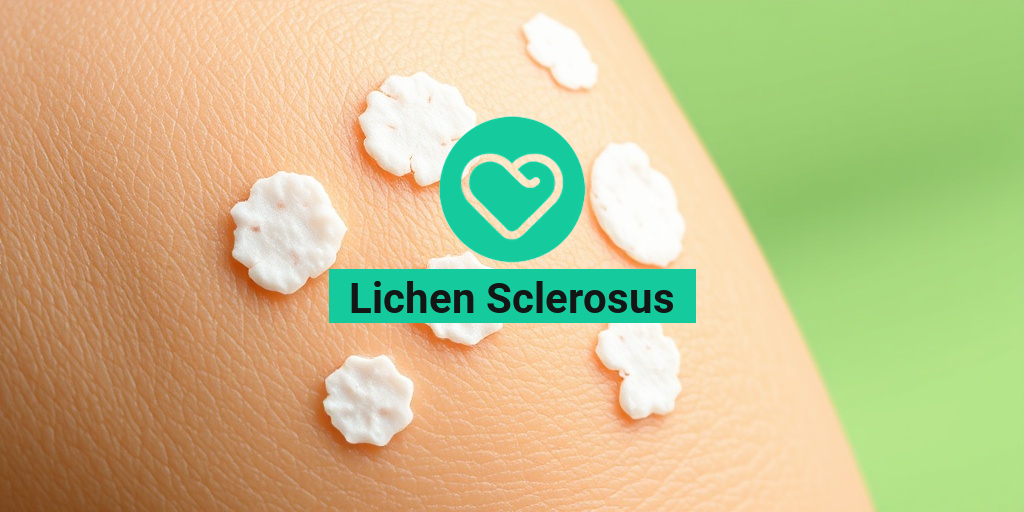
Lichen sclerosus is a chronic skin condition that primarily affects the genital and anal areas, although it can occur on other parts of the body as well. This condition is characterized by white patches of skin that can become thin, fragile, and prone to tearing. While it can affect individuals of any age, it is most commonly diagnosed in postmenopausal women. Understanding lichen sclerosus is crucial for early diagnosis and effective management.
Causes of Lichen Sclerosus
The exact cause of lichen sclerosus remains unclear, but several factors may contribute to its development:
- Autoimmune Response: Some researchers believe that lichen sclerosus may be linked to an autoimmune response, where the body’s immune system mistakenly attacks healthy skin cells.
- Hormonal Factors: Hormonal changes, particularly during menopause, may play a role in the onset of this condition.
- Genetic Predisposition: There may be a genetic component, as lichen sclerosus can sometimes run in families.
- Skin Trauma: Previous skin injuries or irritations in the affected areas may also trigger the condition.
Who Is Affected?
While lichen sclerosus can affect anyone, it is most prevalent among women, particularly those who are postmenopausal. However, men and children can also develop this condition. Awareness and education about lichen sclerosus are essential for all demographics to ensure timely diagnosis and treatment.
Lichen Sclerosus Symptoms
The symptoms of lichen sclerosus can vary significantly from person to person. Some individuals may experience mild symptoms, while others may face more severe manifestations. Recognizing these symptoms early can lead to better management and relief.
Common Symptoms
- White Patches: The most distinctive symptom is the appearance of white, shiny patches on the skin, particularly in the genital and anal areas.
- Itching: Intense itching is a common complaint, which can lead to discomfort and irritation.
- Pain or Discomfort: Many individuals report pain during sexual intercourse or discomfort while sitting.
- Skin Changes: The affected skin may become thin, wrinkled, or scarred over time, leading to further complications.
- Bleeding or Cracking: In severe cases, the skin may crack or bleed, increasing the risk of infection.
When to Seek Medical Advice
If you notice any of the symptoms mentioned above, it is essential to consult a healthcare professional. Early diagnosis and treatment can help manage the condition effectively and prevent complications. Don’t hesitate to reach out to a specialist if you have concerns about lichen sclerosus or its symptoms.
Managing Lichen Sclerosus
While there is no cure for lichen sclerosus, various treatment options can help manage symptoms and improve quality of life. Treatment may include:
- Topical Steroids: These are often the first line of treatment to reduce inflammation and alleviate symptoms.
- Moisturizers: Regular use of emollients can help keep the skin hydrated and reduce irritation.
- Hormonal Treatments: In some cases, hormone replacement therapy may be recommended, especially for postmenopausal women.
- Regular Monitoring: Regular check-ups with a healthcare provider are crucial to monitor the condition and adjust treatment as necessary.
For more information and resources on lichen sclerosus, consider visiting Yesil Health AI, where you can find evidence-based answers to your health questions.
In conclusion, understanding lichen sclerosus is vital for those affected by this condition. By recognizing the symptoms and seeking appropriate treatment, individuals can manage their health effectively and maintain a good quality of life. 🌼
Lichen Sclerosus Causes
Lichen sclerosus is a chronic skin condition that primarily affects the genital and anal areas, although it can occur on other parts of the body as well. Understanding the causes of lichen sclerosus is crucial for effective management and treatment. While the exact cause remains unclear, several factors have been identified that may contribute to the development of this condition.
Autoimmune Response
One of the leading theories regarding the cause of lichen sclerosus is an autoimmune response. In this scenario, the body’s immune system mistakenly attacks its own tissues, leading to inflammation and damage. This autoimmune aspect is supported by the fact that lichen sclerosus is more common in individuals with other autoimmune disorders, such as thyroid disease or vitiligo.
Hormonal Factors
Hormonal changes may also play a role in the onset of lichen sclerosus. Many women report that their symptoms began around the time of menopause, suggesting that estrogen levels could influence the condition. The relationship between hormones and lichen sclerosus is still being studied, but it is an area of interest for researchers.
Genetic Predisposition
There may be a genetic component to lichen sclerosus, as it can run in families. If you have a family history of this condition or other autoimmune diseases, your risk of developing lichen sclerosus may be higher. Genetic factors are complex, and ongoing research aims to identify specific genes that may be involved.
Environmental Triggers
Some environmental factors may trigger or exacerbate lichen sclerosus. These can include:
- Skin irritants: Certain soaps, detergents, or hygiene products may irritate the skin and contribute to symptoms.
- Infections: Some studies suggest that infections could trigger the condition in susceptible individuals.
- Trauma: Physical trauma to the skin, such as friction or injury, may also play a role in the development of lichen sclerosus.
Lichen Sclerosus Risk Factors
Identifying the risk factors for lichen sclerosus can help in early detection and management of the condition. While anyone can develop lichen sclerosus, certain groups are more susceptible.
Age and Gender
Lichen sclerosus can affect individuals of any age, but it is most commonly diagnosed in postmenopausal women. This age group is particularly vulnerable, likely due to hormonal changes. However, it can also occur in children and men, although these cases are less common.
Autoimmune Disorders
As mentioned earlier, individuals with a history of autoimmune disorders are at a higher risk of developing lichen sclerosus. Conditions such as lupus, rheumatoid arthritis, and thyroid disease can increase susceptibility, indicating a potential link between immune system dysfunction and lichen sclerosus.
Family History
If you have a family member with lichen sclerosus or other autoimmune diseases, your risk may be elevated. Genetic predisposition plays a significant role, and understanding your family history can provide valuable insights into your own health.
Skin Conditions
People with a history of other skin conditions, such as eczema or psoriasis, may also be at increased risk. These conditions can compromise the skin barrier, making it more susceptible to inflammation and other issues associated with lichen sclerosus.
Other Factors
Additional factors that may contribute to the risk of lichen sclerosus include:
- Chronic skin irritation: Ongoing irritation from tight clothing or excessive moisture can exacerbate symptoms.
- Hormonal changes: Fluctuations in hormone levels, particularly during menopause, can trigger the onset of lichen sclerosus.
Understanding the causes and risk factors associated with lichen sclerosus is essential for effective management and treatment. If you suspect you may have this condition, consulting a healthcare professional for a proper diagnosis and personalized treatment plan is crucial. 🌼
Lichen Sclerosus Diagnosis
Lichen sclerosus is a chronic skin condition that primarily affects the genital and anal areas, although it can occur on other parts of the body as well. Diagnosing lichen sclerosus can sometimes be challenging due to its similarity to other skin disorders. Here’s what you need to know about the diagnosis process.
Recognizing Symptoms
The first step in diagnosing lichen sclerosus is recognizing its symptoms. Common symptoms include:
- Itching: Persistent itching in the affected areas is often one of the first signs.
- White Patches: The skin may develop white, shiny patches that can be thin and fragile.
- Pain or Discomfort: Many individuals experience pain during sexual intercourse or while urinating.
- Skin Changes: The skin may become scarred or thinned over time.
If you notice any of these symptoms, it’s essential to consult a healthcare professional for an accurate diagnosis.
Physical Examination
During your visit, a healthcare provider will conduct a thorough physical examination. They will look for characteristic signs of lichen sclerosus, such as:
- Skin Texture: The texture of the skin in the affected areas will be assessed.
- Color Changes: The provider will note any discoloration or changes in skin color.
In some cases, a biopsy may be performed to confirm the diagnosis. This involves taking a small sample of the affected skin for laboratory analysis. A biopsy can help rule out other conditions and provide a definitive diagnosis of lichen sclerosus.
Additional Tests
While a physical examination and biopsy are often sufficient for diagnosis, additional tests may be conducted if there are concerns about other underlying conditions. These tests can include:
- Blood Tests: To check for autoimmune disorders that may be associated with lichen sclerosus.
- Allergy Tests: To rule out allergic reactions that could mimic symptoms.
Once diagnosed, it’s crucial to discuss treatment options with your healthcare provider to manage the condition effectively.
Lichen Sclerosus Treatment Options
Managing lichen sclerosus involves a combination of treatments aimed at alleviating symptoms and preventing complications. Here are the primary treatment options available:
Topical Treatments
Topical corticosteroids are often the first line of treatment for lichen sclerosus. These medications help reduce inflammation and relieve itching. Commonly prescribed options include:
- Clobetasol Propionate: A potent corticosteroid that is typically applied directly to the affected area.
- Hydrocortisone: A milder option that may be used for less severe cases.
It’s essential to follow your healthcare provider’s instructions regarding the frequency and duration of use to avoid potential side effects.
Other Medications
In addition to topical treatments, other medications may be prescribed based on the severity of the condition:
- Immunosuppressants: In some cases, medications that suppress the immune system may be recommended.
- Hormonal Treatments: Hormonal therapies may be beneficial, especially for postmenopausal women.
Non-Medical Treatments
Alongside medication, non-medical treatments can also play a significant role in managing lichen sclerosus:
- Moisturizers: Regular use of emollients can help keep the skin hydrated and reduce irritation.
- Gentle Hygiene Practices: Using mild soaps and avoiding irritants can help prevent flare-ups.
Regular Monitoring
Regular follow-up appointments with your healthcare provider are crucial for monitoring the condition. Lichen sclerosus can lead to complications, including an increased risk of skin cancer in the affected areas. Your provider may recommend:
- Routine Skin Checks: Regular examinations to monitor for any changes in the skin.
- Adjusting Treatment Plans: Modifying treatment based on your response and any side effects experienced.
By staying proactive and engaged in your treatment plan, you can effectively manage lichen sclerosus and maintain a better quality of life. Remember, open communication with your healthcare provider is key to finding the right approach for you! 🌼
Lichen Sclerosus Home Remedies
Lichen sclerosus is a chronic skin condition that primarily affects the genital and anal areas, leading to discomfort and potential complications if left untreated. While medical treatments are essential, many individuals seek home remedies to alleviate symptoms and improve their quality of life. Here are some effective home remedies that may help manage lichen sclerosus:
1. Moisturizing Creams and Oils
Keeping the affected areas well-moisturized is crucial. Consider using:
- Coconut oil: Known for its anti-inflammatory properties, coconut oil can soothe irritated skin.
- Aloe vera gel: This natural remedy is famous for its healing properties and can provide relief from itching and discomfort.
- Emollient creams: Products specifically designed for sensitive skin can help maintain moisture and reduce irritation.
2. Dietary Adjustments
What you eat can impact your overall health, including skin conditions. Incorporating anti-inflammatory foods into your diet may help manage lichen sclerosus symptoms. Consider:
- Omega-3 fatty acids: Found in fish, flaxseeds, and walnuts, these can help reduce inflammation.
- Fruits and vegetables: Rich in antioxidants, they can support skin health and overall well-being.
- Probiotics: Foods like yogurt and fermented products can promote gut health, which may indirectly benefit skin conditions.
3. Warm Baths
Taking warm baths can provide immediate relief from itching and discomfort. Adding ingredients like:
- Oatmeal: Known for its soothing properties, colloidal oatmeal can help calm irritated skin.
- Epsom salts: These can help reduce inflammation and promote relaxation.
Ensure the water is not too hot, as excessive heat can worsen irritation.
4. Herbal Remedies
Some herbs may offer relief from lichen sclerosus symptoms. Consider:
- Chamomile: Known for its anti-inflammatory properties, chamomile tea can be soothing when applied topically or consumed.
- Calendula: This herb can be used in creams or ointments to promote healing and reduce inflammation.
5. Stress Management Techniques
Stress can exacerbate skin conditions, including lichen sclerosus. Incorporating stress management techniques such as:
- Meditation: Practicing mindfulness can help reduce stress levels.
- Yoga: Gentle yoga can promote relaxation and improve overall well-being.
- Deep breathing exercises: These can help calm the mind and body.
Lichen Sclerosus Living with the Condition
Living with lichen sclerosus can be challenging, but understanding the condition and adopting effective coping strategies can significantly improve your quality of life. Here are some tips for managing daily life with lichen sclerosus:
1. Educate Yourself
Knowledge is power. Understanding lichen sclerosus, its symptoms, and treatment options can help you feel more in control. Consider joining support groups or online forums where you can connect with others facing similar challenges. Sharing experiences can provide emotional support and practical advice.
2. Communicate with Your Healthcare Provider
Regular check-ups with your healthcare provider are essential. Discuss any changes in symptoms or concerns you may have. Open communication can lead to better management strategies and treatment adjustments. Don’t hesitate to ask questions about your condition or treatment options.
3. Maintain a Healthy Lifestyle
Adopting a healthy lifestyle can positively impact your overall well-being. Focus on:
- Regular exercise: Physical activity can boost your mood and improve your immune system.
- Balanced diet: Eating a variety of nutrient-rich foods can support skin health and overall wellness.
- Hydration: Drinking plenty of water is essential for maintaining skin elasticity and health.
4. Practice Good Hygiene
Maintaining proper hygiene is crucial for managing lichen sclerosus. Here are some tips:
- Gentle cleansing: Use mild, unscented soaps to avoid irritation.
- Pat dry: After bathing, gently pat the area dry instead of rubbing.
- Avoid irritants: Stay away from harsh chemicals, scented products, and tight clothing that can exacerbate symptoms.
5. Seek Emotional Support
Living with a chronic condition can take an emotional toll. Consider seeking support from:
- Therapists or counselors: Professional support can help you cope with the emotional aspects of living with lichen sclerosus.
- Support groups: Connecting with others who understand your experiences can provide comfort and encouragement.
By implementing these strategies and utilizing home remedies, individuals with lichen sclerosus can lead fulfilling lives while managing their condition effectively. Remember, you are not alone in this journey! 🌼

Frequently Asked Questions about Lichen Sclerosus
What is Lichen Sclerosus?
Lichen Sclerosus is a chronic skin condition that primarily affects the genital and anal areas. It can cause white patches of skin, itching, and discomfort. While it can occur in both men and women, it is more commonly diagnosed in women, particularly postmenopausal women.
What are the symptoms of Lichen Sclerosus?
Common symptoms include:
- Itching or irritation in the affected areas
- White patches of skin that may become thin and fragile
- Pain during sexual intercourse
- Difficulty urinating if the urethra is affected
What causes Lichen Sclerosus?
The exact cause of Lichen Sclerosus is not fully understood. However, it is believed to be related to autoimmune factors, hormonal changes, and genetic predisposition. Some individuals may also experience flare-ups due to skin trauma or irritation.
How is Lichen Sclerosus diagnosed?
A healthcare provider typically diagnoses Lichen Sclerosus through a physical examination and a review of symptoms. In some cases, a biopsy may be performed to confirm the diagnosis and rule out other skin conditions.
What treatments are available for Lichen Sclerosus?
Treatment options for Lichen Sclerosus may include:
- Topical corticosteroids to reduce inflammation and itching
- Moisturizers to keep the skin hydrated
- Immunosuppressive medications in severe cases
- Regular follow-ups with a healthcare provider to monitor the condition
Can Lichen Sclerosus affect sexual health?
Yes, Lichen Sclerosus can impact sexual health, particularly due to symptoms like pain and discomfort during intercourse. It is important for individuals experiencing these symptoms to discuss them with their healthcare provider for appropriate management strategies.
Is Lichen Sclerosus a serious condition?
While Lichen Sclerosus is not life-threatening, it can lead to complications if left untreated, such as scarring and changes in the skin that may increase the risk of skin cancer in the affected areas. Early diagnosis and treatment are crucial for managing the condition effectively.
Can lifestyle changes help manage Lichen Sclerosus?
Yes, certain lifestyle changes may help alleviate symptoms. These can include:
- Avoiding irritants such as harsh soaps and detergents
- Wearing loose-fitting clothing to reduce friction
- Practicing good hygiene to keep the affected areas clean and dry
Where can I find more information about Lichen Sclerosus?
For more information, consider consulting reputable medical websites, support groups, or speaking with a healthcare professional who specializes in skin conditions. They can provide valuable resources and support for managing Lichen Sclerosus.